Do Auto Insurance Companies Make Money From Totaled Cars
When an insurance company declares a vehicle a total loss, the insurer assumes ownership of the wreckage, which holds residual value in the form of spare parts and scrap metal. While insurers do recoup some costs through salvage auctio...
When an insurance company declares a vehicle a total loss, the insurer assumes ownership of the wreckage, which holds residual value in the form of spare parts and scrap metal. While insurers do recoup some costs through salvage auctions, this process is rarely a profit-generating endeavor; instead, it serves as a cost-recovery mechanism designed to offset the significant financial burden of paying out the policyholder’s claim.
Contents
The Economics of a Total Loss
To understand the financial mechanics behind a totaled vehicle, one must first distinguish between the insurance payout and the salvage recovery. A vehicle is declared a total loss when the estimated cost of repairs—plus the projected supplemental costs that often arise once a shop begins disassembly—exceeds a specific percentage of the car’s Actual Cash Value (ACV). This threshold, known as the "total loss threshold," varies by state but is typically between 70% and 80% of the vehicle’s value.
Once the insurer pays the policyholder the ACV of the car, the insurer gains the legal right to the salvage title. The insurer then manages the disposal of the vehicle, typically through specialized salvage auction platforms. The money received from these auctions is credited back to the insurance company's loss reserves. However, this is not "profit" in the traditional sense. Insurance companies operate on actuarial models that anticipate a certain amount of salvage recovery. If they recover $2,000 on a car they paid $15,000 to cover, that $2,000 simply lowers the "net loss" of that specific incident, rather than adding to the company's bottom line.
The Salvage Auction Process
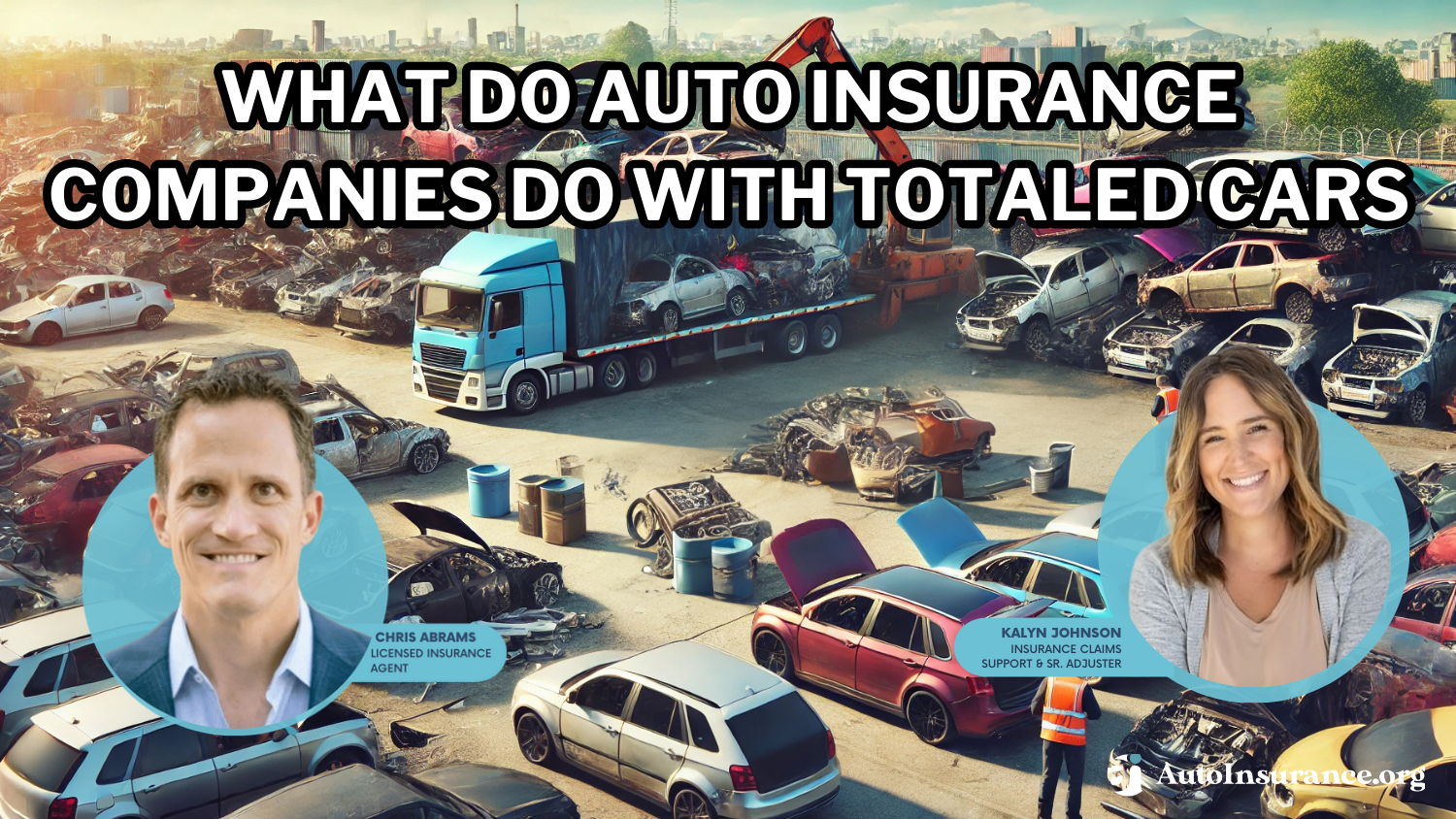
The secondary market for totaled vehicles is a robust, highly structured industry. Insurance companies rely on massive, centralized auction houses to move thousands of vehicles every week. These auction platforms provide a marketplace for three primary types of buyers:
- Auto Recyclers and Dismantlers: These professionals purchase vehicles to strip them for high-demand components, such as engines, transmissions, headlights, and electronic control modules.
- Rebuilders: Licensed professionals who purchase vehicles that have sustained light damage (often cosmetic or suspension-related) with the intention of repairing them, performing a state-mandated safety inspection, and returning them to the road with a "rebuilt" title.
- Scrap Metal Processors: For vehicles that are completely incinerated, submerged, or crushed, the value lies strictly in the raw materials. These buyers process the chassis for steel, aluminum, and copper content.
The insurance company’s goal is to move the vehicle through this system as quickly as possible. Every day a totaled car sits in a storage lot, the insurer incurs daily storage fees, which significantly erode the potential salvage recovery. Consequently, insurers often prioritize speed of sale over maximizing the highest possible price for a single vehicle.
Factors Influencing Salvage Value
Several variables dictate how much an insurer can recover from a totaled car. The salvage value is not fixed; it is a fluid market price determined by supply and demand.
- Vehicle Age and Popularity: Newer, high-demand vehicle models command significantly higher salvage prices because their parts are more valuable in the aftermarket.
- Extent of Damage: A vehicle with frame damage but an intact engine and transmission will command a higher price than a car that has been completely gutted or burned.
- Local Market Trends: Regional demand for specific parts or scrap metal can influence auction outcomes. For example, in regions prone to certain types of weather-related accidents, the supply of specific types of damaged vehicles may spike, temporarily depressing prices.
- Market Conditions: The global price of commodities, particularly aluminum and steel, fluctuates. When raw metal prices are high, even the most mangled, non-functional vehicles gain value as scrap, providing a small "floor" to the salvage recovery price.
Understanding the Financial Net
To clarify the financial impact on the insurance company, consider the following breakdown of a typical total loss scenario:
| Component | Financial Impact |
|---|---|
| ACV Payout | The gross amount paid to the policyholder (Expense) |
| Salvage Recovery | The proceeds from the auction house (Income) |
| Storage & Towing | The fees incurred while waiting for the auction (Expense) |
| Admin/Processing | Costs for auction house fees and title transfers (Expense) |
| Net Loss | (ACV + Storage + Admin) - Salvage Recovery |
As shown in this table, the insurer remains in a deficit position despite the salvage recovery. The insurance business model relies on collecting premiums from a large pool of policyholders to cover these net losses. If insurers were genuinely "making money" from totaling cars, they would theoretically have an incentive to total as many vehicles as possible. In reality, insurers prefer to repair vehicles whenever it is mathematically feasible because the administrative burden of processing a total loss, settling with the owner, handling the salvage, and issuing a new title is vastly more expensive than a standard repair job.
Common Misconceptions Regarding Totaled Vehicles
A prevalent myth in the insurance industry is that insurers "cherry-pick" cars to total them because the salvage value is lucrative. This ignores the internal cost of claims handling. Total loss claims require more time from adjusters, more paperwork, and often result in greater customer dissatisfaction, which can lead to higher churn rates (policyholders leaving for competitors).
Another misconception involves the relationship between the insurer and the salvage yard. Some believe the insurer owns the salvage yard and therefore pockets both the insurance premium and the auction price. While some large insurance corporations have invested in vertical integration, the vast majority of salvage auctions are operated by independent third-party corporations. Insurance companies pay service fees to these entities to host the auctions and handle the logistics of the wreckage.
Strategic Decision-Making in 2026
In 2026, the complexity of vehicle architecture, specifically the prevalence of Advanced Driver Assistance Systems (ADAS) and high-voltage electric vehicle (EV) batteries, has shifted the economics of total loss. Many modern vehicles are declared "totaled" for reasons that have little to do with frame damage. If a vehicle’s specialized sensor array is compromised in a minor fender bender, the calibration and repair costs can exceed the vehicle's ACV.
Furthermore, the recovery process for EV batteries has become a significant factor in salvage auctions. Because these batteries are heavy, hazardous, and expensive to transport and store, they often reduce the salvage value of the vehicle, as the buyer must assume the cost of safe disposal or recycling. This serves as a reminder that the "value" of a totaled car is not just a dollar sign, but a calculation of risk and liability for the entity that purchases the salvage.
Frequently Asked Questions
Do I have the right to keep my car if the insurance company decides to total it? In many jurisdictions, yes, you can retain the salvage, but the insurance company will deduct the estimated salvage value from your total settlement check. You will then be responsible for the vehicle, which may require you to obtain a salvage or rebuilt title before it can be legally operated on public roads.
Does an insurance company profit when they total a car? No. An insurance company recovers a portion of the claim cost through salvage sales, but the entire process is a net financial loss for the insurer. They prefer to avoid total losses whenever repairs are safe and economically viable.
Why does my insurance company insist on totaling my car if the damage looks minor? Modern cars are constructed with complex electronics, sensors, and safety systems that are incredibly expensive to replace and calibrate. Even if the body damage looks minor, the cumulative cost of these specialized repairs often pushes the vehicle over the total loss threshold.
Is the salvage auction price a secret? While the exact sale price of a specific vehicle at auction is typically private information between the insurer and the auction house, the general market trends for salvage values are documented by industry groups. You can research the general salvage recovery rates for your specific make and model to see what typical expectations are in your area.
How is the Actual Cash Value (ACV) determined? Insurers use industry-standard valuation databases that aggregate data from local private-party sales, dealer listings, and historical market performance for vehicles similar to yours in age, mileage, and condition.
Recommended Next Action
If your vehicle has been declared a total loss, request a detailed breakdown of how the insurer arrived at the Actual Cash Value. Verify that the mileage, trim level, and any recent major repairs (such as a new transmission or engine) were factored into the valuation. If you believe the valuation is low, present your own market research—such as local listings for comparable vehicles—to challenge the settlement offer before signing the final release forms.
Image Gallery