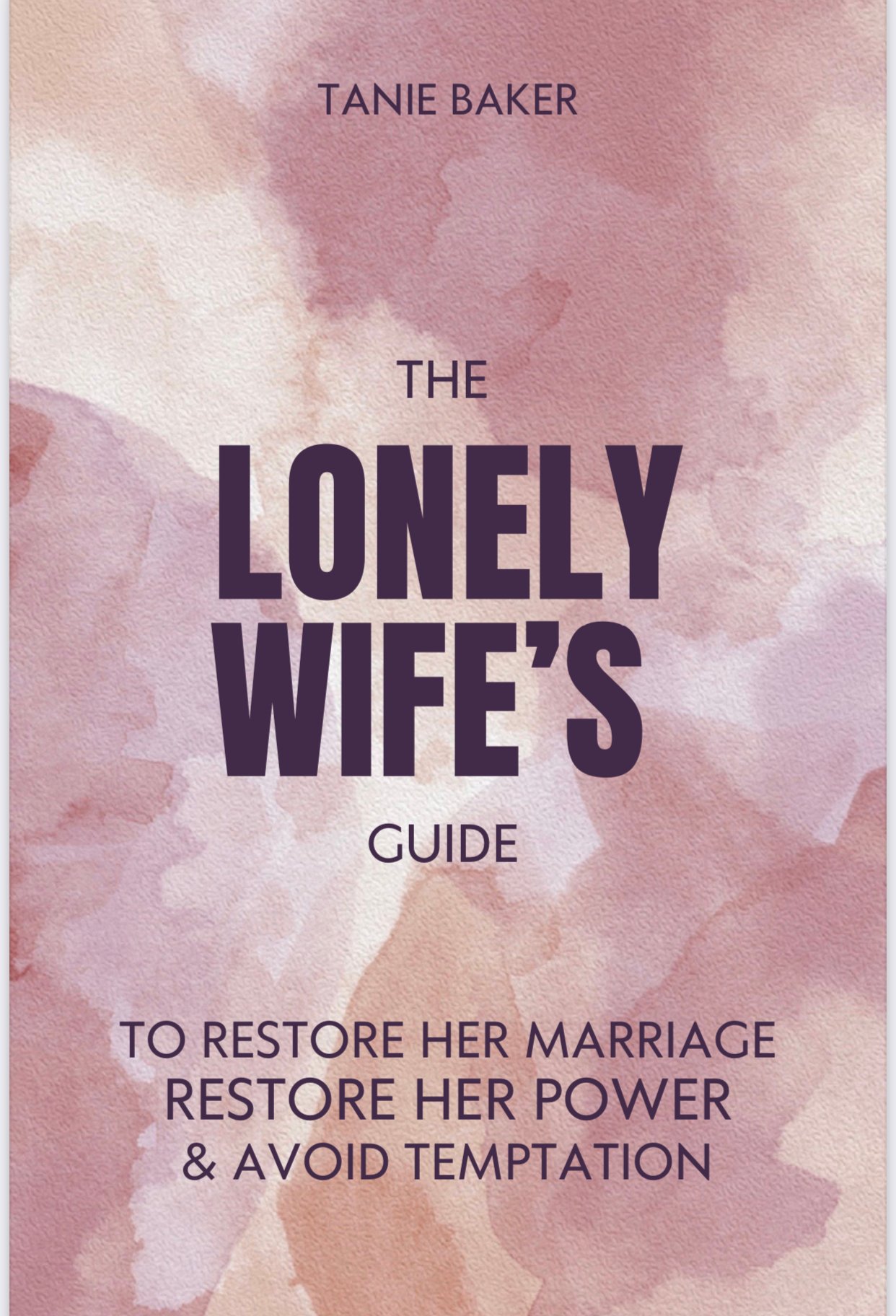
Understanding the Married Lonely Experience: Navigating Emotional Isolation
The "married lonely" experience refers to a state of emotional detachment or perceived lack of intimacy within a committed relationship. It occurs when partners feel physically present but psychologically disconnected, leading to a pro...
The "married lonely" experience refers to a state of emotional detachment or perceived lack of intimacy within a committed relationship. It occurs when partners feel physically present but psychologically disconnected, leading to a profound sense of isolation despite being legally and socially partnered. This phenomenon is often rooted in communication breakdowns, unmet emotional needs, or long-term lifestyle divergence.
Contents
The Psychology of Emotional Disconnection
Loneliness in marriage is distinct from solitude; it is an internal realization that the partner who should be one’s primary source of support feels inaccessible. This state often develops gradually rather than suddenly. When partners stop sharing their inner worlds—fears, aspirations, and minor daily stressors—the "emotional bank account" begins to deplete.
Psychologists often refer to this as "co-existing rather than connecting." The partners share a mortgage, a schedule, and perhaps children, but they operate as roommates or co-parents. This disconnect can lead to "stonewalling," where one or both partners withdraw to protect themselves from the pain of vulnerability, creating a cycle that reinforces the original feelings of rejection.
Common Triggers for Marital Loneliness
Understanding the root causes is the first step toward mitigation. While every relationship is unique, clinical observation identifies several consistent triggers for this experience:
- Communication Asymmetry: Partners speak at each other regarding logistics—bills, dinner, or errands—but rarely speak to each other regarding their emotional health.
- The "Roommate" Phase: Life transitions, such as the birth of children or demanding career shifts, can cause couples to prioritize functional tasks over relational maintenance.
- Unresolved Conflict Patterns: Repeated arguments that end in silence rather than resolution cause individuals to stop initiating intimacy, fearing the negative outcomes of past interactions.
- Life-Stage Mismatch: Sometimes, partners evolve in different directions. One may seek personal growth or new hobbies, while the other remains focused on maintaining the status quo, leading to a loss of shared ground.
Assessing the State of Your Relationship
To address the married lonely experience, one must move from passive frustration to active assessment. This process requires objective observation of daily habits and interaction quality.
| Indicator | Frequency/Presence | Impact on Connection |
|---|---|---|
| Shared Daily Dialogue | Rarely/Logistics only | High Negative |
| Physical Affection | Absent or perfunctory | Moderate Negative |
| Shared Future Planning | Non-existent | High Negative |
| Emotional Vulnerability | Guarded/Defensive | High Negative |
| Conflict Resolution | Avoidance/Stonewalling | Extreme Negative |
Steps Toward Reconnection
Transitioning out of this state requires intentional effort, often referred to as "relationship repair." This is not about immediately fixing the marriage but about changing the daily micro-interactions that define the union.
1. Acknowledgment Without Blame The most critical step is identifying the loneliness without framing the partner as a villain. Use "I" statements during conversations. For example, instead of saying, "You never listen to me," try, "I have been feeling a sense of distance lately and I would like to find ways for us to reconnect."
2. Implementing Micro-Habits Large-scale gestures often fail if the foundational day-to-day interactions are broken. Start by reclaiming 10 to 15 minutes of "tech-free" conversation each evening. The objective is to discuss something other than household logistics or children. Ask open-ended questions about how your partner perceived their day, their recent thoughts, or their current mood.
3. Establishing Shared Experiences Loneliness thrives in silos. Identify one activity that requires collaboration or shared focus. This could be a recurring walk, a cooking project, or learning a new skill together. The goal is to build new "shared memories" that exist outside the routine of domestic chores.
4. Professional Intervention If communication has completely stalled or if patterns of resentment have become deeply ingrained, seeking professional support is often necessary. A licensed marriage and family therapist (LMFT) can act as a neutral mediator to help identify the underlying communication barriers that spouses are often too close to see.
The Role of Independent Self-Care
Paradoxically, reducing loneliness in a marriage often involves strengthening one's own sense of self. When an individual relies entirely on their spouse for emotional regulation, they place an unsustainable burden on the marriage. Engaging in independent hobbies, maintaining friendships outside the marriage, and pursuing personal development can alleviate the pressure on the relationship, making the time spent together more meaningful rather than forced.
Potential Barriers to Change
It is important to acknowledge that change does not always happen overnight. Common obstacles include:
- Fatigue: Partners may feel they do not have the energy to "do the work" of reconnecting after a long day.
- Fear of Rejection: The vulnerability required to initiate change carries the risk that the partner will not reciprocate, which can feel more painful than the current status quo.
- Historical Resentment: Past betrayals or persistent unresolved issues can act as a wall, preventing the emotional safety required for a connection.
Frequently Asked Questions
Is it normal to feel lonely in a long-term marriage? Yes, it is a common experience, especially during high-stress life stages. While it is common, it is not a state that should be ignored, as it often signals a need for adjustment in how partners interact and support one another.
Does this mean I am in the wrong marriage? Not necessarily. Many couples experience periods of distance. The determination of whether a marriage is viable depends on the willingness of both parties to engage in repair and the presence of mutual respect and safety.
How do I approach my partner if they are unaware of my feelings? Choose a neutral, calm moment to initiate the conversation. Avoid bringing it up during an argument. State your feelings clearly and emphasize your desire to feel closer to them rather than listing their shortcomings.
Can couples therapy help if only one person wants to go? Individual therapy can be highly effective for one partner. By changing your own communication patterns and expectations, you can often influence the dynamic of the relationship, even if the other person is not ready for formal counseling.
How much time should I expect it to take to improve? There is no set timeline. Significant changes in relationship dynamics are often the result of consistent, small shifts over several months rather than immediate breakthroughs.
Moving Forward
Understanding the married lonely experience is about recognizing that loneliness is a signal, not a final verdict. By choosing to address the disconnection with intentionality, consistent communication, and a focus on self-growth, many couples find they can rebuild the intimacy that was lost. Begin by taking one small step—a single, focused conversation or a shared activity—to shift the momentum. If the distance feels insurmountable, consulting with a qualified professional remains the most effective path toward clarity and potential resolution.
Image Gallery