Was Chris Rock in Rush Hour? Separating Fact from Cinema Myth
Chris Rock does not appear in any of the Rush Hour films. Despite persistent rumors, online confusion, and occasional misidentification by casual viewers, the iconic comedian and actor is not part of the cast of the popular buddy-cop f...
Chris Rock does not appear in any of the Rush Hour films. Despite persistent rumors, online confusion, and occasional misidentification by casual viewers, the iconic comedian and actor is not part of the cast of the popular buddy-cop franchise starring Jackie Chan and Chris Tucker. The confusion stems largely from the stylistic similarities between Chris Rock and Chris Tucker, as well as the high-energy, comedic nature of their respective filmographies during the late 1990s and early 2000s.
Contents
The Origins of the Confusion: Star Power and Stylistic Parallels
The enduring belief that Chris Rock starred in Rush Hour (1998), Rush Hour 2 (2001), or Rush Hour 3 (2007) is a classic example of the "Mandela Effect" applied to pop culture. To understand why this misconception persists, one must look at the landscape of Hollywood comedy in the late 1990s.
During this period, both Chris Rock and Chris Tucker were rising stars in the comedy world. Both comedians gained massive national recognition through Saturday Night Live (Rock) and high-octane stand-up performances (Tucker), and both transitioned into film roles that relied heavily on their rapid-fire delivery, high-pitched vocal styles, and penchant for improvisation. Because their career trajectories and comedic personas overlapped during the exact timeframe when the Rush Hour franchise was being established, casual observers often mentally conflated the two actors.
Furthermore, the character of Detective James Carter in Rush Hour was written specifically to showcase a loud, talkative, and culturally jarring comedic foil to Jackie Chan’s disciplined Inspector Lee. Chris Tucker’s performance in Friday (1995) had already established him as the archetype for this type of character. If an audience member was not intimately familiar with the specific filmographies of both men, it was easy to categorize the role of "the fast-talking comedian in an action movie" under the name of the most prominent Black comedian they associated with that archetype at the time—which was often interchangeable between Rock and Tucker in the public consciousness.
Examining the Cast: The Actual Face of the Franchise
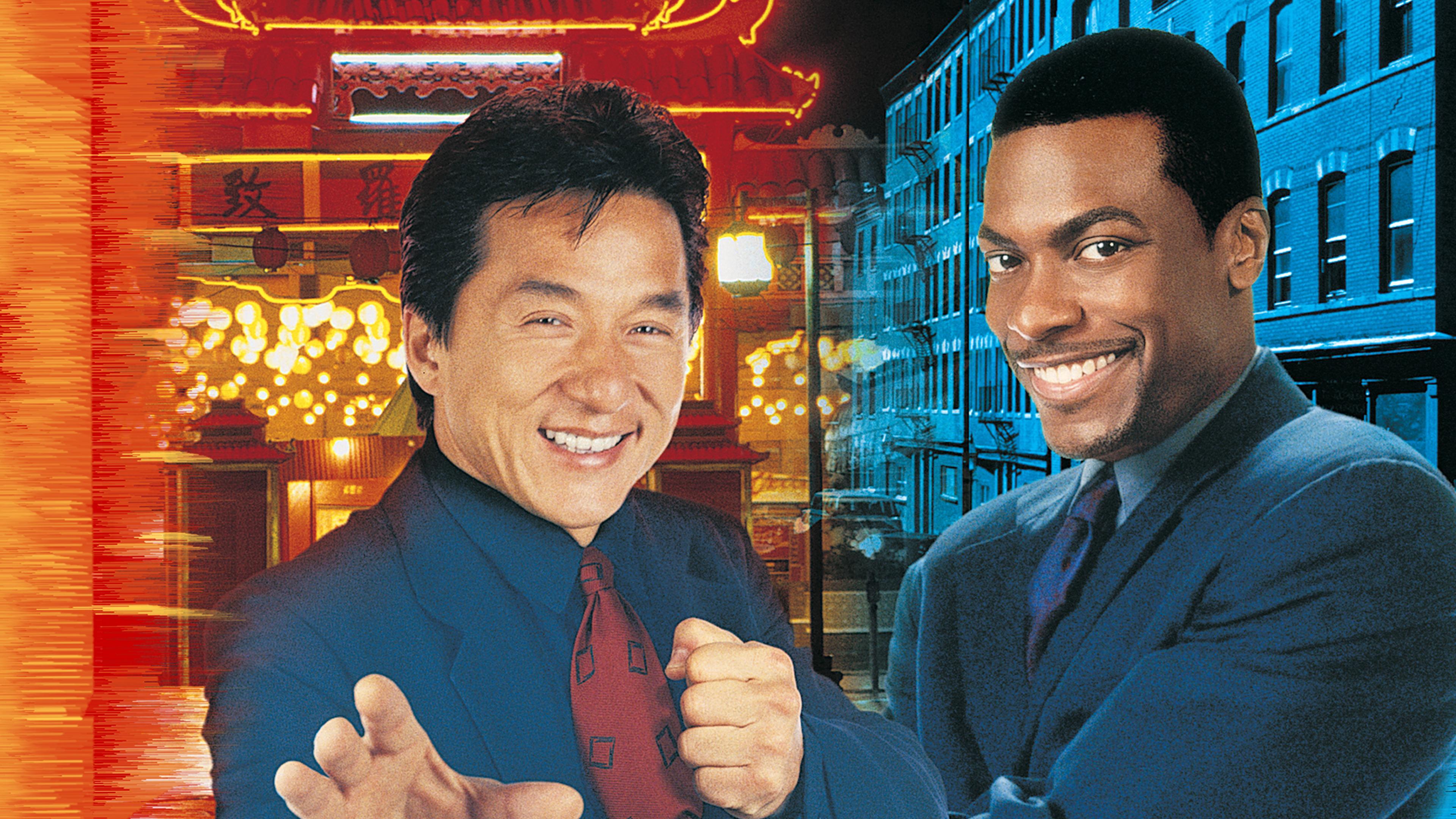
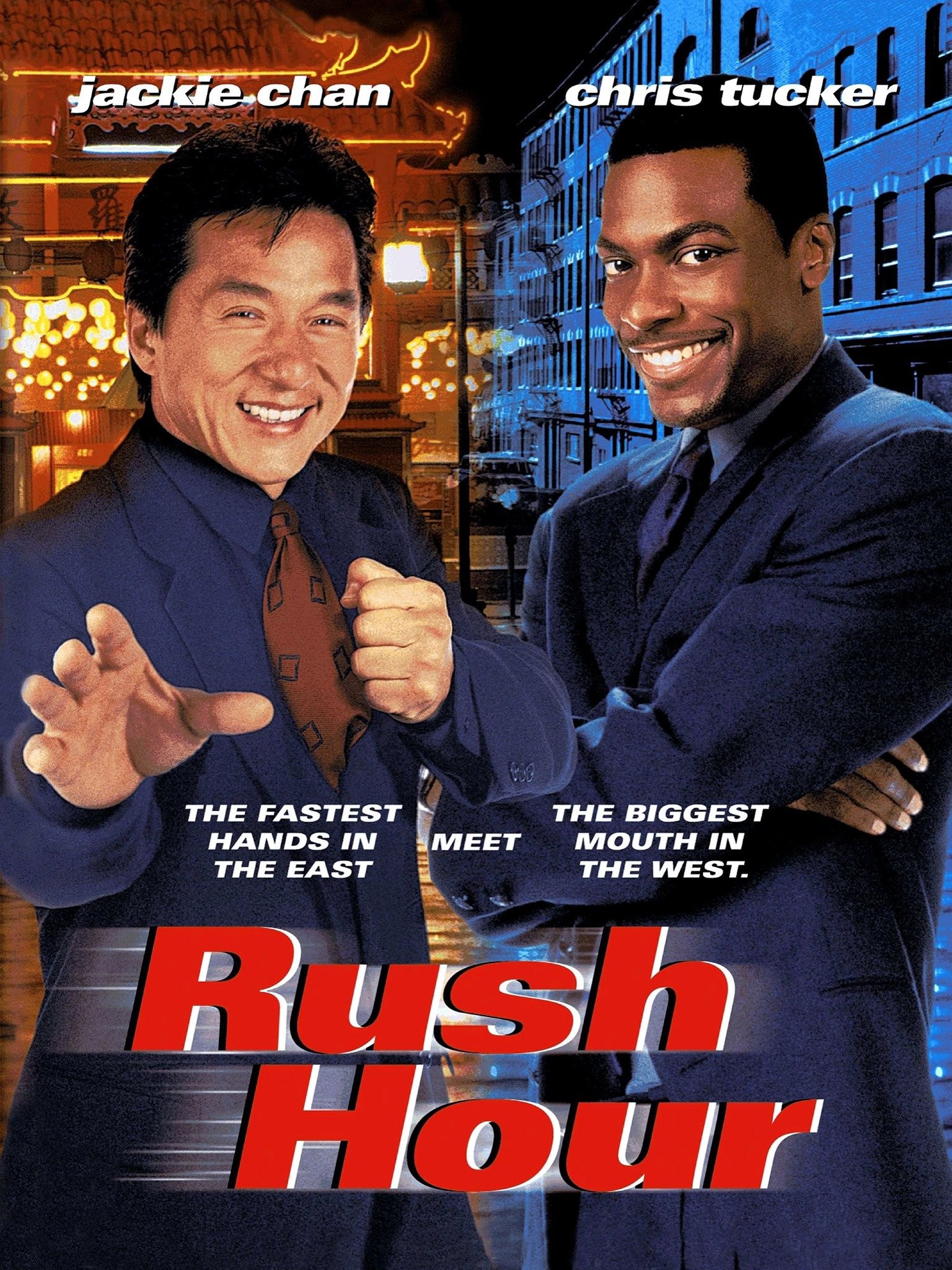
The Rush Hour franchise relies on the chemistry between two specific leads. Jackie Chan plays Chief Inspector Yan Naing Lee, a Hong Kong police officer known for his martial arts prowess and reserved demeanor. Chris Tucker plays Detective James Carter, an LAPD officer known for his brashness, musical interests, and disregard for police protocol.
Primary Cast Breakdown
| Role | Character Name | Actor |
|---|---|---|
| Hong Kong Inspector | Yan Naing Lee | Jackie Chan |
| LAPD Detective | James Carter | Chris Tucker |
| LAPD Captain | Captain William Diel | Philip Baker Hall |
| Consul | Solon Han | Tzi Ma |
The synergy between Chan and Tucker was the selling point of the entire trilogy. Their dynamic followed the classic "odd couple" buddy-cop trope, which relied on the established rhythm of these two specific actors. Had Chris Rock been cast in the role of Detective Carter, the chemistry, delivery, and improvisational style would have been fundamentally different, fundamentally altering the identity of the franchise.
Why Chris Rock Never Joined the Rush Hour Universe
There are no public records, interviews, or casting reports from New Line Cinema suggesting that Chris Rock was ever considered for the role of Detective James Carter. The casting process for Rush Hour was specifically tailored to find a partner who could keep pace with Jackie Chan’s physical comedy.
Chris Tucker was famously hand-picked for the role because director Brett Ratner and the producers saw him as the perfect match for Chan's style of physical storytelling. At the time of the first film's production, Chris Rock was heavily focused on his HBO stand-up specials and his own sitcom development. His creative path during the late 1990s leaned more toward observational social satire (Bring the Pain, The Chris Rock Show) rather than the action-comedy buddy genre that Rush Hour defined.
Addressing Similar Misconceptions in Film History
The confusion surrounding Chris Rock and Rush Hour is not an isolated incident. Cinema history is replete with instances where audiences misattribute roles based on casting archetypes. This phenomenon often occurs with actors of similar age, ethnicity, or comedic background who operated in the same casting pools.
The Impact of Archetype Casting
Hollywood studios often engage in "archetype casting," where roles are written for a "type" of person rather than a specific individual. When that role becomes iconic, the actor who fills it becomes synonymous with that archetype. Because both Rock and Tucker occupied the "high-energy comedian" archetype in the 1990s, they became victims of constant misidentification.
For instance, viewers have frequently confused other actors who share physical traits or comedic delivery, such as:
- Laurence Fishburne and Samuel L. Jackson: Often confused due to their status as prolific, distinguished African American actors in major action franchises.
- Dylan McDermott and Dermot Mulroney: So frequently confused that they famously appeared in a Saturday Night Live sketch to mock their own interchangeability.
The Chris Rock/Rush Hour confusion is essentially a "brand" confusion. The audience recognizes the "brand" of the movie—a fast-paced, funny action film starring a recognizable Black comedian—and inserts the name of the most prominent comedian associated with that general brand, regardless of the actual cast list.
How to Verify Movie Casts in 2026
If you find yourself questioning whether a specific actor appeared in a film, relying on memory can be deceptive. In 2026, there are several standardized, high-integrity databases that act as the definitive record for film history.
- The Internet Movie Database (IMDb): This remains the industry standard for credits. If an actor is not listed in the cast section, they were not in the film.
- Official Production Notes: Often found in archival press kits or the distributor's official website, these contain the verified cast list provided by the studio at the time of release.
- Digital Distribution Platforms: Services like Prime Video, Apple TV, or Netflix display verified cast lists in their "details" or "cast" tabs. These lists are vetted by the content providers and the studios.
Using these resources, you can quickly debunk myths. For Rush Hour, a simple search in any of these databases will show Chris Tucker, but will return no acting credits for Chris Rock for any of the three films in the trilogy.
Frequently Asked Questions
Did Chris Rock appear in any cameo roles in the Rush Hour series?
No. Chris Rock does not have a cameo in any of the Rush Hour films. All three movies have been thoroughly indexed, and his name does not appear in the credits or any uncredited lists associated with the productions.
Is there a similar movie that Chris Rock starred in?
Chris Rock did star in action-comedies during the same era, such as Bad Company (2002) with Anthony Hopkins. This film, which features a mismatched-pair dynamic, likely contributed to the confusion, as it follows a similar structure to the Rush Hour series.
Did Chris Tucker or Chris Rock ever comment on the confusion?
Neither actor has made a major public statement regarding the confusion, likely because it is a common, harmless error. However, both have acknowledged in various interviews that they were often compared by the public due to their similar rise in the 90s comedy scene.
Are there any deleted scenes featuring Chris Rock in Rush Hour?
There is no evidence of deleted scenes or abandoned casting choices involving Chris Rock for the Rush Hour franchise. The production history is well-documented, and the casting of Chris Tucker was consistent from the development phase of the first film.
Does the similarity in their names (Chris) contribute to the confusion?
Yes. The shared first name "Chris" acts as a strong psychological anchor for the confusion. When recalling a film that starred a "Chris," the brain is likely to retrieve the name of the actor it most frequently associates with the genre or time period, leading to the substitution of Rock for Tucker.
Recommendation for Further Research
To fully understand the evolution of the buddy-cop genre, compare the performance styles of Chris Tucker in Rush Hour against Chris Rock’s performance in Bad Company. By watching these two films side-by-side, you will note the distinct differences in their comedic timing and character construction. This comparison clarifies why they were viewed as contemporaries but were ultimately distinct performers who rarely occupied the same creative space. For the most accurate historical data on film casts, always refer to verified databases like IMDb or the American Film Institute (AFI) catalog.
Image Gallery