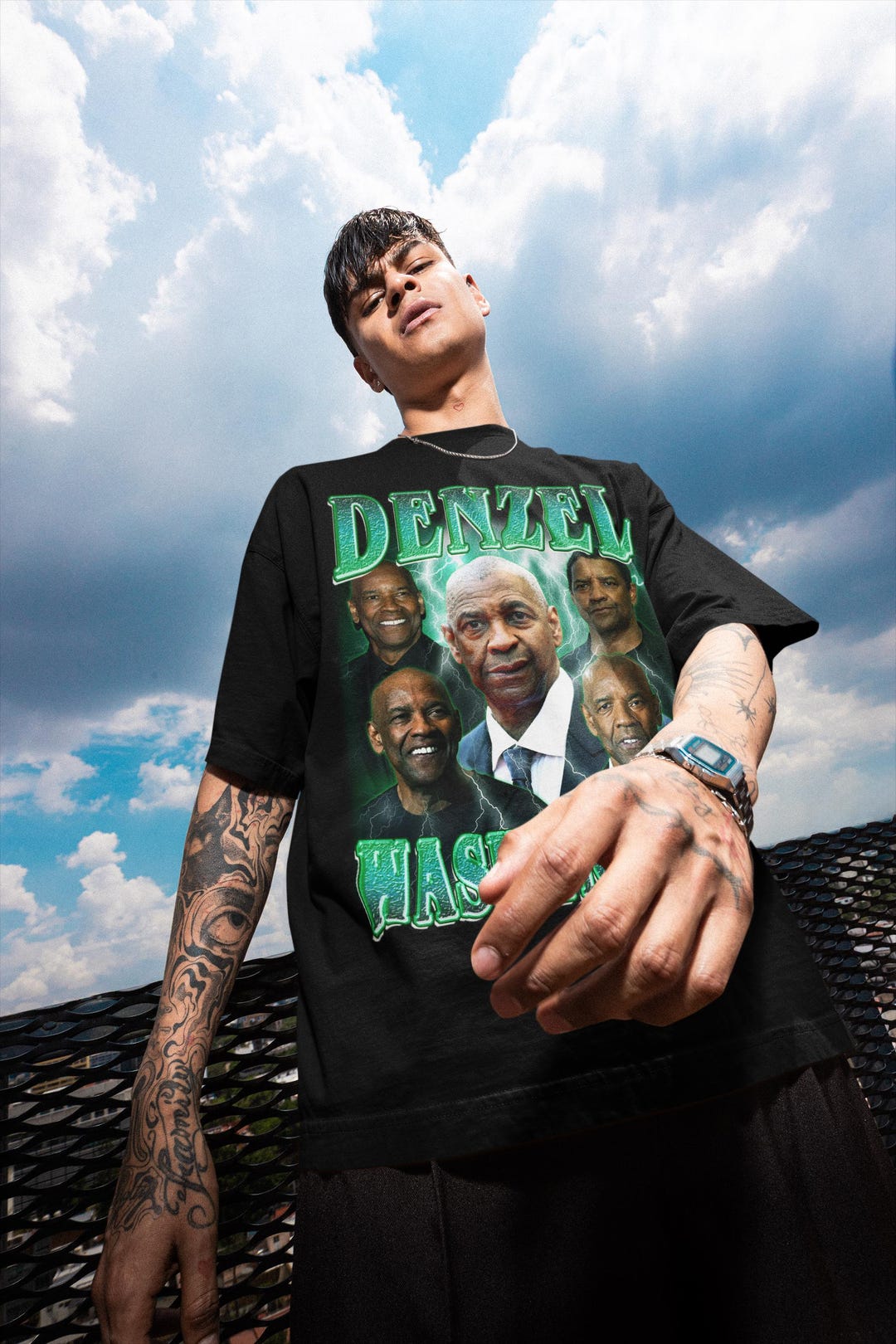
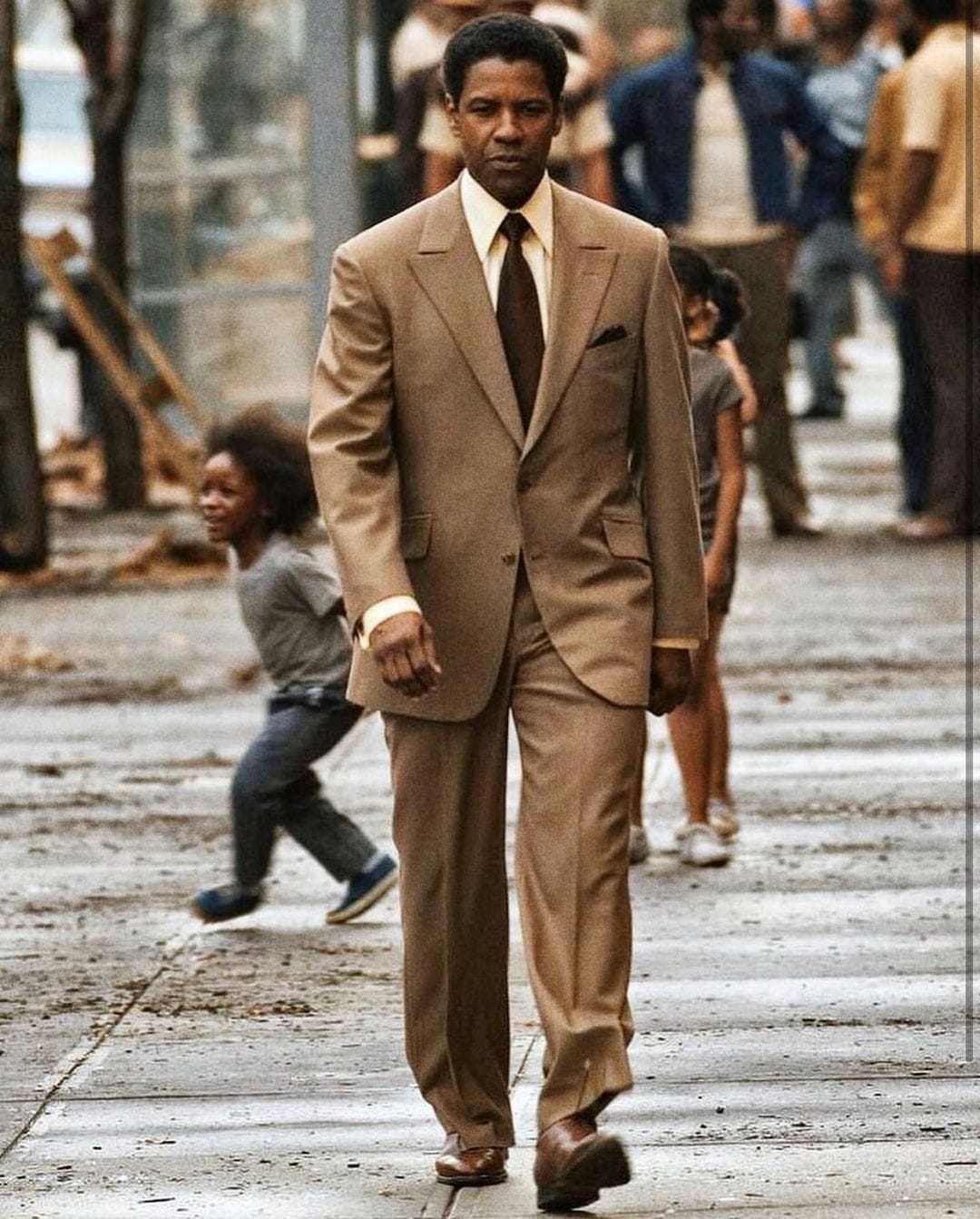
Denzel Washington: Age and Biographical Context in 2026
As of 2026, Denzel Washington is 71 years old. Born on December 28, 1954, in Mount Vernon, New York, the iconic actor, director, and producer has maintained a career spanning over five decades. His consistent presence in cinema, marked...
As of 2026, Denzel Washington is 71 years old. Born on December 28, 1954, in Mount Vernon, New York, the iconic actor, director, and producer has maintained a career spanning over five decades. His consistent presence in cinema, marked by numerous accolades and influential performances, remains a focal point for film historians and contemporary audiences alike.
Contents
Early Life and Career Beginnings
Denzel Hayes Washington Jr. was born to Lennis and Denzel Washington Sr. His upbringing in Mount Vernon provided the foundational years that preceded his entry into the performing arts. Before reaching the heights of Hollywood stardom, Washington attended Fordham University, where he initially studied journalism. However, his interest in acting evolved during his time at the university, leading him to transition toward theater studies and eventually enrolling at the American Conservatory Theater in San Francisco.
His professional entry into the industry began in the late 1970s. His early work included television roles, most notably in the medical drama St. Elsewhere, where he portrayed Dr. Philip Chandler for six seasons. This exposure served as a critical platform, demonstrating his ability to anchor complex characters and providing the visibility necessary for his subsequent transition into major motion pictures.
The Trajectory of an Iconic Film Career
Throughout the 1980s and 1990s, Washington solidified his reputation as a versatile lead actor. His work during this period garnered significant critical attention, beginning with his role in Cry Freedom (1987), which earned him his first Academy Award nomination. His breakthrough to mainstream stardom arrived with films like Glory (1989), for which he won the Academy Award for Best Supporting Actor, and Malcolm X (1992), which showcased his ability to portray historical figures with depth and historical nuance.
By the turn of the millennium, Washington had firmly established himself as a powerhouse in the industry. His performance in Training Day (2001) resulted in an Academy Award for Best Actor, cementing his status as one of the few actors to achieve wins in both lead and supporting categories. His career did not plateau; rather, it shifted into a phase of both acting and directing, with projects such as The Great Debaters (2007) and Fences (2016) demonstrating his aptitude for storytelling behind the camera.
Chronological Milestones
Understanding the timeline of Washington’s career requires viewing his achievements within the broader context of the evolving American film industry. Below is a structured look at the phases of his professional life.
| Era | Focus Area | Key Contributions |
|---|---|---|
| 1977–1982 | Foundational | Early TV roles, theater workshops, and regional productions. |
| 1983–1989 | Breakout | St. Elsewhere, Cry Freedom, and Glory. |
| 1990–2000 | Established Star | Malcolm X, Philadelphia, and The Hurricane. |
| 2001–2010 | Lead Authority | Training Day, Man on Fire, and directorial debuts. |
| 2011–2026 | Legacy Building | Flight, Fences, The Equalizer series, and producing. |
Technical Aspects of Acting and Direction
Beyond the popularity of his name, Washington is frequently cited in academic and professional circles for his technique. He is known for a restrained, methodical approach to character development, often prioritizing emotional truth over grand stylistic gestures. This technique has allowed him to sustain a high-level performance standard across disparate genres, ranging from intense action-thrillers like The Equalizer franchise to intricate, dialogue-heavy stage adaptations.
His transition to directing was not merely an expansion of his portfolio but a continuation of his interest in African American history and the nuances of the human condition. By selecting scripts that challenge conventional narratives, he has utilized his industry influence to bring stories to the screen that might otherwise struggle for financing or distribution.
Cultural Impact and Professional Legacy
As of 2026, Washington is regarded as an elder statesman of modern cinema. His legacy is characterized by a rare combination of critical acclaim and commercial viability—a difficult balance to maintain over five decades. His influence extends to a new generation of actors who cite his work as a primary inspiration for their own career paths.
Furthermore, his work in philanthropic endeavors and his support of emerging filmmakers have contributed to a broader cultural footprint that exceeds his on-screen work. His ability to navigate the transition from a television lead to a Hollywood icon, and subsequently to a respected producer and director, serves as a case study in effective long-term career management within the entertainment industry.
Frequently Asked Questions
Is Denzel Washington still acting in 2026? Yes, Denzel Washington remains active in the film industry in 2026. While he is more selective with his roles compared to his earlier years, he continues to act in major features and remains involved in the development of film and theater projects as both a producer and, occasionally, a director.
What is the secret to his career longevity? Industry analysts often attribute his longevity to his intense focus on script quality and his ability to evolve alongside the changing standards of film production. By avoiding typecasting early in his career and consistently challenging himself with varied roles, he maintained high levels of engagement with diverse audiences.
How many Academy Awards has he won? Denzel Washington has won two Academy Awards. The first was for Best Supporting Actor for Glory (1989), and the second was for Best Actor for his role in Training Day (2001). He holds multiple other nominations across various categories, reflecting his sustained impact.
Did he attend acting school? Yes, after completing his undergraduate degree at Fordham University, he enrolled at the American Conservatory Theater (ACT) in San Francisco. This formal training provided him with the necessary grounding in classical acting and stage craft that informed his later performances in film and television.
How does his age affect his project selection? In recent years, Washington has pivoted toward projects that focus on mentorship and legacy, both on and off-screen. He often selects roles that allow for complex character study rather than high-octane physical roles, though he retains the capacity to perform in action-oriented cinema when the narrative warrants it.
Next Steps for Enthusiasts and Researchers
For those interested in exploring the depth of Denzel Washington’s career, the most effective approach is to review his filmography in reverse chronological order. This method provides insight into his evolution as an actor, showcasing how his craft matured from his early television roles to the sophisticated portrayals seen in his later films. Researchers focusing on film studies should also consult the American Film Institute’s archives or official university records regarding his early stage performances in the late 1970s.
Image Gallery