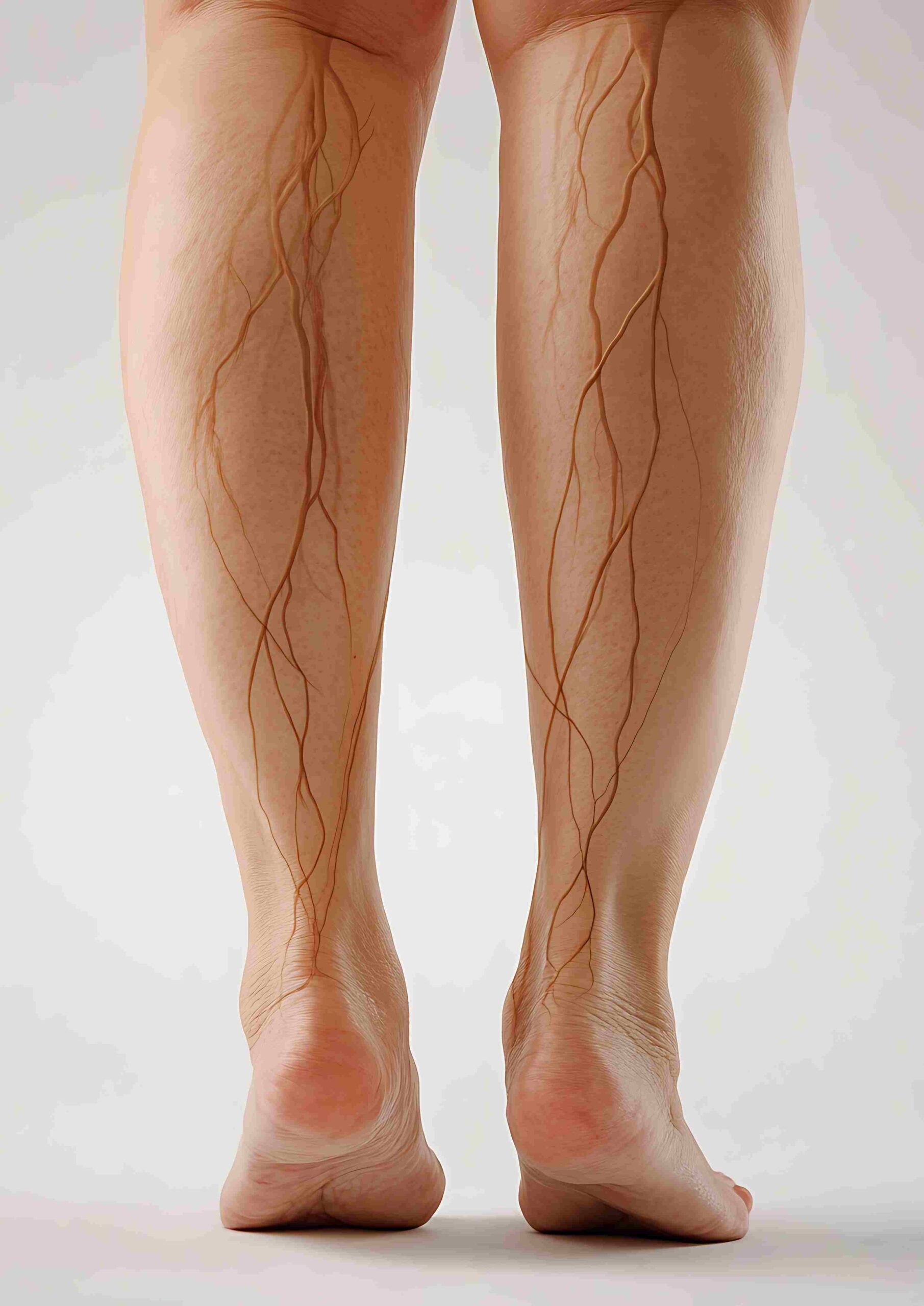
Understanding Postpartum Leg Swelling: Causes, Management, and Warning Signs
Postpartum leg swelling, clinically known as postpartum edema, is a common condition resulting from excess fluid retention that persists after childbirth. While usually a benign byproduct of hormonal shifts and fluid balance adjustment...
Postpartum leg swelling, clinically known as postpartum edema, is a common condition resulting from excess fluid retention that persists after childbirth. While usually a benign byproduct of hormonal shifts and fluid balance adjustments, it requires careful monitoring to differentiate between normal recovery and indicators of underlying medical complications.
Contents
The Physiology of Postpartum Edema
During pregnancy, the body increases its total fluid volume by approximately 50% to support the developing fetus and the placenta. After delivery, the body must effectively redistribute or eliminate this surplus fluid. Edema occurs when the rate of fluid excretion—primarily through increased urination and sweating—fails to keep pace with the fluid shifting out of the extravascular spaces.
The physiological triggers for this process are multifaceted. Hormonal changes, particularly the elevated levels of progesterone and the lingering effects of oxytocin, influence vascular permeability. Furthermore, if a birthing parent received intravenous (IV) fluids during labor—often administered for hydration or as a vehicle for medications like oxytocin or epidural anesthesia—the body is tasked with processing a significantly higher internal volume in the immediate postpartum period.
Timeline of Recovery
In most uncomplicated cases, postpartum leg swelling begins to subside within the first week after delivery. As the kidneys filter the excess fluid and the circulatory system stabilizes, the swelling typically resolves spontaneously.
However, "normal" is a relative term in the postpartum window. Factors that may prolong the period of swelling include:
- Cesarean Section Recovery: The physical trauma of surgery and the associated inflammatory response can contribute to more pronounced or persistent edema compared to a vaginal delivery.
- Mobility Levels: Decreased activity due to surgical recovery or postpartum fatigue can impede the venous return that helps push fluid out of the lower extremities.
- Pre-existing Conditions: Individuals with pre-existing hypertension or those who experienced gestational hypertension may see a slower resolution of swelling.
When to Seek Medical Attention
While mild swelling is often a standard component of the postpartum recovery phase, it can occasionally mask or coincide with serious health issues. The most significant concern is the increased risk of venous thromboembolism (VTE) or postpartum preeclampsia.
You should consult a healthcare provider immediately if the swelling exhibits the following characteristics:
- Asymmetry: Swelling that is significantly worse in one leg than the other, especially if the affected leg is red, warm, or painful to the touch. This can be a sign of Deep Vein Thrombosis (DVT).
- Systemic Symptoms: Edema accompanied by a severe headache, vision changes (such as blurring or seeing spots), or upper abdominal pain. These are hallmark signs of postpartum preeclampsia, which can occur up to six weeks after birth.
- Shortness of Breath: If swelling is accompanied by difficulty breathing or chest pain, it may indicate a pulmonary complication.
- Sudden Onset: Rapid, dramatic swelling that appears suddenly rather than gradually.
Management and Mitigation Strategies
Managing postpartum edema is primarily about supporting the body's natural fluid-clearing processes. While these strategies can improve comfort, they are not a substitute for medical evaluation if you suspect complications.
Practical Steps for Reduction
- Active Movement: Frequent, gentle movement, such as short walks or leg lifts while lying down, encourages the calf muscles to act as a "second heart," pumping blood and lymph fluid back toward the heart.
- Elevation: When resting, elevate the legs above the level of the heart. This utilizes gravity to assist with venous drainage and reduces hydrostatic pressure in the lower limbs.
- Hydration Balance: While it may seem counterintuitive, maintaining adequate water intake is essential. Proper hydration helps the kidneys function efficiently, allowing the body to flush out excess sodium and fluid.
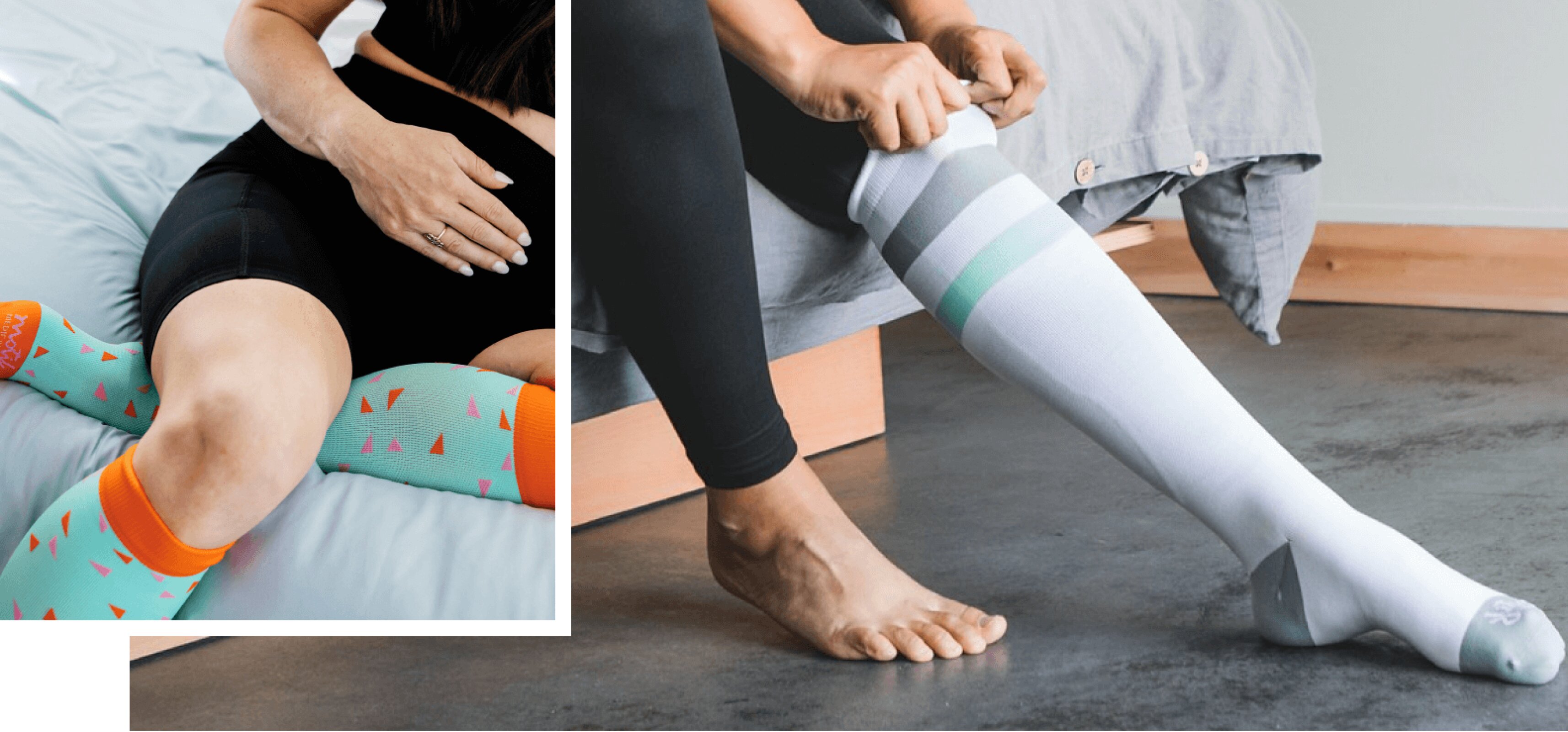
- Compression: Wearing compression stockings can provide external pressure to support the vein walls and prevent fluid from pooling in the lower extremities. Consult a physician regarding the appropriate grade of compression.
Comparison of Management Approaches
| Method | Mechanism of Action | Benefit |
|---|---|---|
| Elevation | Uses gravity to assist venous return. | Immediate, non-invasive relief. |
| Movement | Activates the calf muscle pump. | Improves systemic circulation. |
| Compression | Applies external pressure to veins. | Prevents fluid stagnation during activity. |
| Hydration | Supports optimal kidney function. | Facilitates natural fluid excretion. |
The Role of Diet and Sodium Intake
The sodium-potassium balance plays a critical role in fluid regulation. Excessive dietary sodium causes the body to retain water to maintain osmotic balance. During the postpartum period, reducing intake of processed foods—which are often high in sodium—can assist in faster reduction of edema. Conversely, consuming foods rich in potassium, such as bananas, spinach, and sweet potatoes, can help the body counteract the effects of sodium and promote fluid balance.
Frequently Asked Questions
Is it normal for my feet to swell more in the evening? Yes, it is common for edema to worsen throughout the day as gravity causes fluid to pool in the lower extremities during periods of standing or sitting. Elevation at night usually mitigates this effect by morning.
Can postpartum leg swelling affect breastfeeding? Postpartum swelling itself does not typically affect milk production. However, severe edema can sometimes occur in the breast tissue rather than the legs. If you experience unusual breast tightness, redness, or fever, contact a lactation consultant or doctor.
How long should I wait before worrying about swelling? If your swelling is mild and symmetrical, you can monitor it for the first week. If it persists beyond the second week postpartum or is accompanied by any systemic symptoms (headache, high blood pressure), seek a medical evaluation.
Are there medications I should avoid if I have swelling? Avoid using over-the-counter diuretics to treat postpartum swelling unless explicitly prescribed by a healthcare provider. Self-administering diuretics can lead to dangerous electrolyte imbalances and interfere with milk production.
Does a C-section make leg swelling worse? Yes, the surgical trauma and the inflammatory response to a C-section can exacerbate fluid retention. The recovery period for swelling is often slightly longer for those who have undergone surgery compared to those who have had a vaginal birth.
Next Steps for Recovery
Monitor your symptoms consistently using a daily log if the swelling is significant. Note the time of day the swelling is at its worst and whether it responds to elevation. Ensure that you attend your scheduled postpartum follow-up appointments, as your provider will check your blood pressure and physical recovery. If you develop any "red flag" symptoms—specifically chest pain, localized calf pain, or sudden severe headaches—seek emergency medical care immediately rather than waiting for a routine appointment.
Image Gallery