Understanding the Technical Training Definition: A Comprehensive Framework
Technical training is a specialized instructional process designed to equip employees, students, or professionals with the specific practical skills, theoretical knowledge, and operational competencies required to perform tasks related...
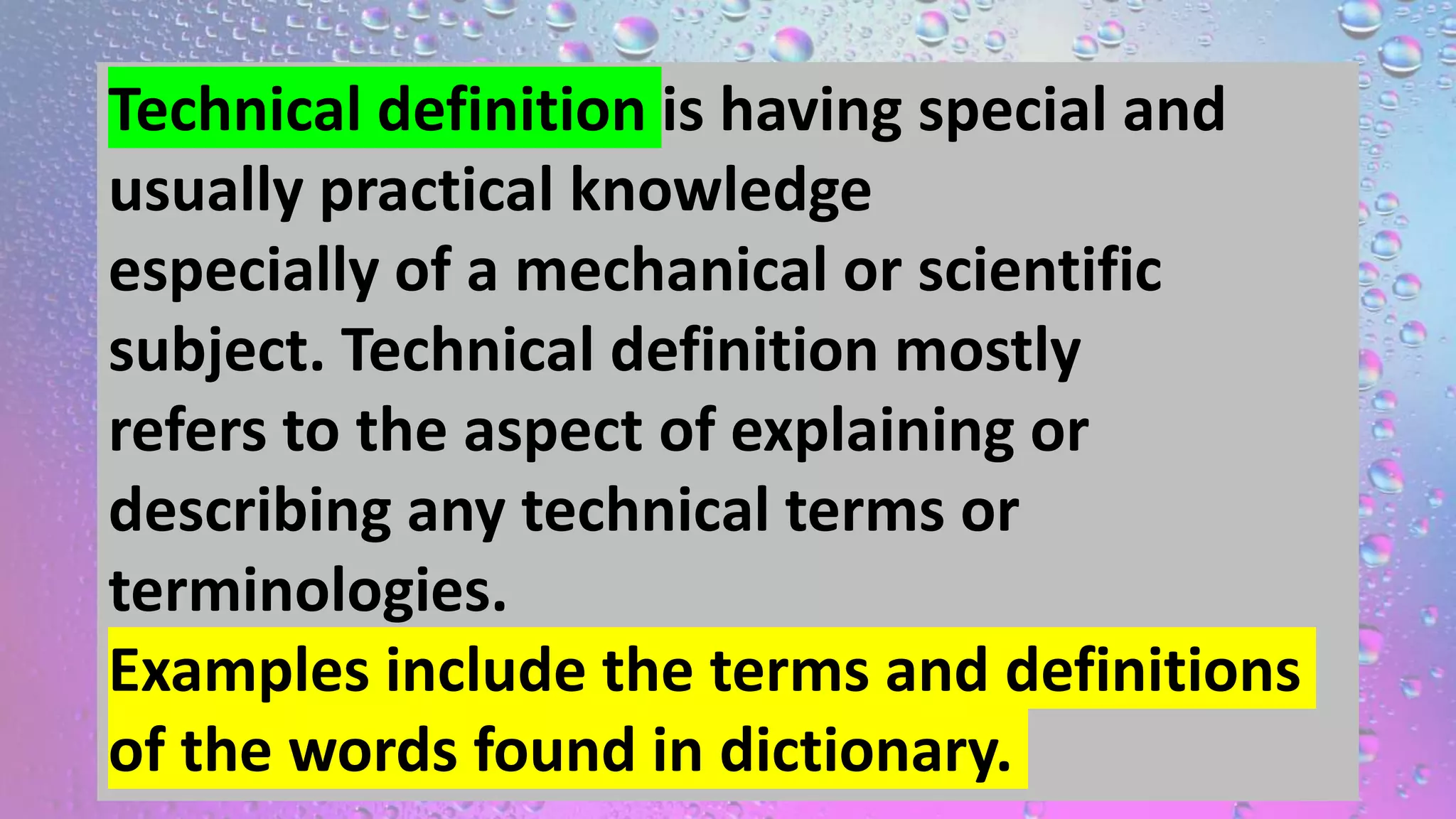
Technical training is a specialized instructional process designed to equip employees, students, or professionals with the specific practical skills, theoretical knowledge, and operational competencies required to perform tasks related to a particular technology, tool, system, or trade. Unlike general professional development, which may focus on soft skills or broad management theory, technical training is anchored in the functional mastery of hardware, software, machinery, or complex industrial processes.
Contents
The primary objective of technical training is to reduce operational errors, increase productivity, and ensure safety within specialized working environments. Whether you are a technician learning to maintain advanced robotics or an software developer mastering a new programming language, the core intent remains the same: transforming abstract knowledge into repeatable, efficient, and precise technical output.
Core Components of Technical Training
Technical training is distinct because of its outcome-oriented nature. While traditional education often focuses on conceptual understanding, technical training is measured by the ability to execute a task correctly. To achieve this, programs typically integrate three foundational pillars.
Theoretical Foundation
Before an individual can operate a high-pressure boiler or debug a distributed server cluster, they must understand the underlying physics, logic, or chemistry that governs the system. This phase of training ensures that the learner understands the "why" behind the "how," providing the context necessary to troubleshoot issues when standard procedures fail.
Hands-On Practical Application
The "hands-on" component is the differentiator of technical training. This often takes place in controlled environments—such as simulation labs, sandboxed software environments, or apprenticeship workshops. By interacting directly with the machinery or code, learners bridge the gap between theoretical knowledge and real-world proficiency.
Standard Operating Procedures (SOPs)
Technical proficiency is useless—and often dangerous—without strict adherence to protocols. Technical training defines the methodology for safe and compliant operation. This includes safety certifications, documentation standards, and quality control checkpoints that must be followed to ensure that the work performed meets organizational or regulatory requirements.
Distinguishing Technical Training from General Professional Development
It is common for organizations to conflate various forms of employee education. Understanding the boundary between technical training and soft-skill development is essential for allocating resources effectively.
| Feature | Technical Training | Professional Development |
|---|---|---|
| Primary Goal | Operational proficiency | Leadership or interpersonal growth |
| Measurement | Certification/Output Quality | Performance reviews/Feedback |
| Content | Hard skills, tools, machinery | Communication, strategy, management |
| Setting | Workshops, labs, on-site | Seminars, conferences, coaching |
| Standardization | High (Industry certifications) | Low (Organization-specific) |
Technical training is inherently objective. You either know how to calibrate the sensor, or you do not. Conversely, professional development is often subjective, focusing on attributes such as emotional intelligence or negotiation capability.
The Implementation Lifecycle
For organizations looking to deploy technical training, a structured lifecycle approach ensures the investment yields measurable performance gains.
1. Needs Assessment and Gap Analysis
Training must start by identifying the specific delta between current performance and required proficiency. This involves auditing current technology stacks and assessing staff expertise. If a company upgrades its manufacturing line from manual lathes to CNC (Computer Numerical Control) machines, the technical training requirement is clear: transition the workforce from mechanical manipulation to programming and monitoring.
2. Curriculum Development
The curriculum must be designed by subject matter experts (SMEs). This includes creating clear learning objectives that follow the SMART (Specific, Measurable, Achievable, Relevant, Time-bound) framework. Developers should prioritize modular content that allows for quick updates as technology versions evolve.
3. Delivery Modes
In 2026, technical training delivery has moved toward a hybrid model:
- Virtual Instructor-Led Training (VILT): Used for theoretical concepts and software-based interface training.
- On-the-Job Training (OJT): Essential for physical trades where direct supervision is required to ensure safety and precision.
- Asynchronous eLearning: Ideal for continuous updates, such as reading manuals, safety bulletins, or learning basic syntax for new software updates.
4. Assessment and Certification
The validation of training is the final step. Competency is rarely validated through traditional essay-based tests; instead, performance-based assessments—such as a practical demonstration of troubleshooting a hardware fault—are preferred. Successful completion should result in a formal certification, which serves as an auditable record for safety and compliance.
Challenges in Technical Training
Even with a well-defined curriculum, organizations often face significant hurdles. The most prominent challenge is the "half-life" of technical skills. As software frameworks update and hardware is modernized, the training material often becomes obsolete shortly after implementation.
Additionally, the reliance on SMEs as instructors creates a bottleneck. Highly skilled technicians are often the most productive employees, and removing them from the floor to teach others can lead to short-term production dips. Effective organizations mitigate this by implementing a "train-the-trainer" program, which codifies the knowledge of experts into standardized teaching materials.
Frequently Asked Questions
What is the difference between technical training and technical education?
Technical education generally refers to the broad academic or vocational pursuit of a trade or profession over an extended period, often leading to a degree or diploma. Technical training is more targeted, shorter in duration, and focuses on the specific skills needed for a defined task or role within a workplace.
How do I measure the ROI of technical training?
ROI is measured by tracking operational metrics before and after the training. Look for reductions in scrap rates, decreased troubleshooting time, fewer safety incidents, and faster project completion cycles. If the training is effective, it should manifest in higher efficiency and lower operational costs.
Can technical training be entirely remote?
While software and digital systems training can be conducted 100% remotely, any training involving physical hardware or heavy machinery requires an in-person, hands-on component. Virtual Reality (VR) and Augmented Reality (AR) are increasingly being used in 2026 to bridge this gap, allowing trainees to interact with digital twins of machinery remotely.
Who is responsible for maintaining technical training records?
Typically, the responsibility lies with the Learning and Development (L&D) department or the department head responsible for safety and compliance. In highly regulated industries, these records must be kept in accordance with government labor and safety statutes to demonstrate that staff members are qualified to operate equipment.
How often should technical training be refreshed?
Technical training should be refreshed whenever there is a material change in technology, safety regulations, or software versions. Many organizations also implement a mandatory annual refresher to combat "skill decay," ensuring that procedures and safety protocols remain fresh in the minds of the staff.
Next Actions
To successfully implement technical training within your organization or to advance your own career, follow these steps:
- Audit current requirements: Document the specific tools and processes that require mastery.
- Standardize the documentation: Ensure your SOPs are current, as training is only as good as the manual it is based on.
- Seek accredited certifications: If your field is regulated, prioritize training programs that lead to recognized industry certifications.
- Schedule periodic evaluations: Set a calendar reminder to review training outcomes every six months to identify if skills are being utilized or if further development is required.
Image Gallery