How to Use a Synonym in Your Writing Effectively
Using a synonym in your writing requires balancing semantic precision with stylistic variety. To use them correctly, select words that share the core meaning of your original term but align with the specific context, tone, and register...
Using a synonym in your writing requires balancing semantic precision with stylistic variety. To use them correctly, select words that share the core meaning of your original term but align with the specific context, tone, and register of your sentence. Always verify that the connotation, intensity, and grammatical compatibility of the replacement word maintain the integrity of your intended message.
Contents
The Role of Synonyms in Composition
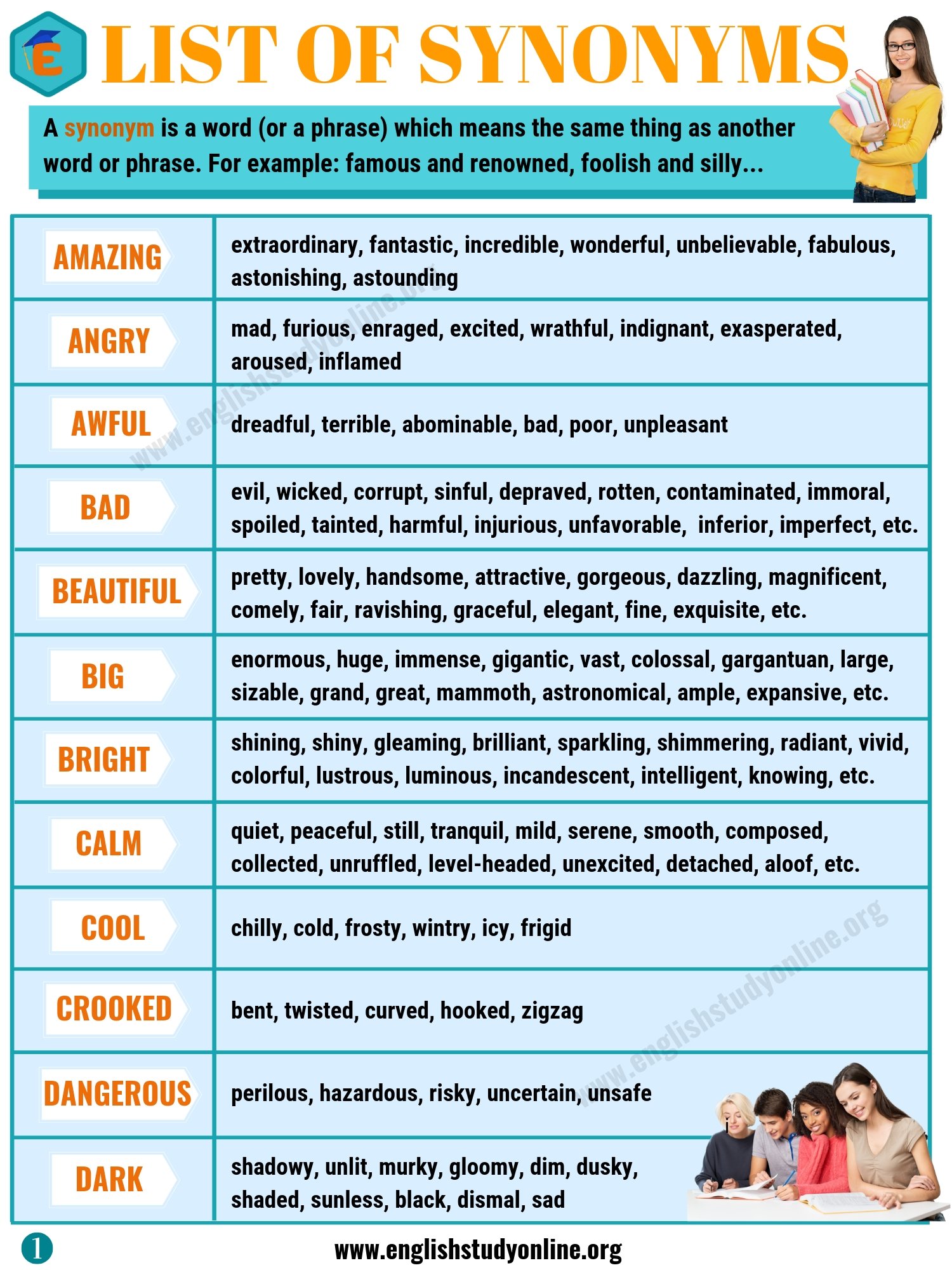
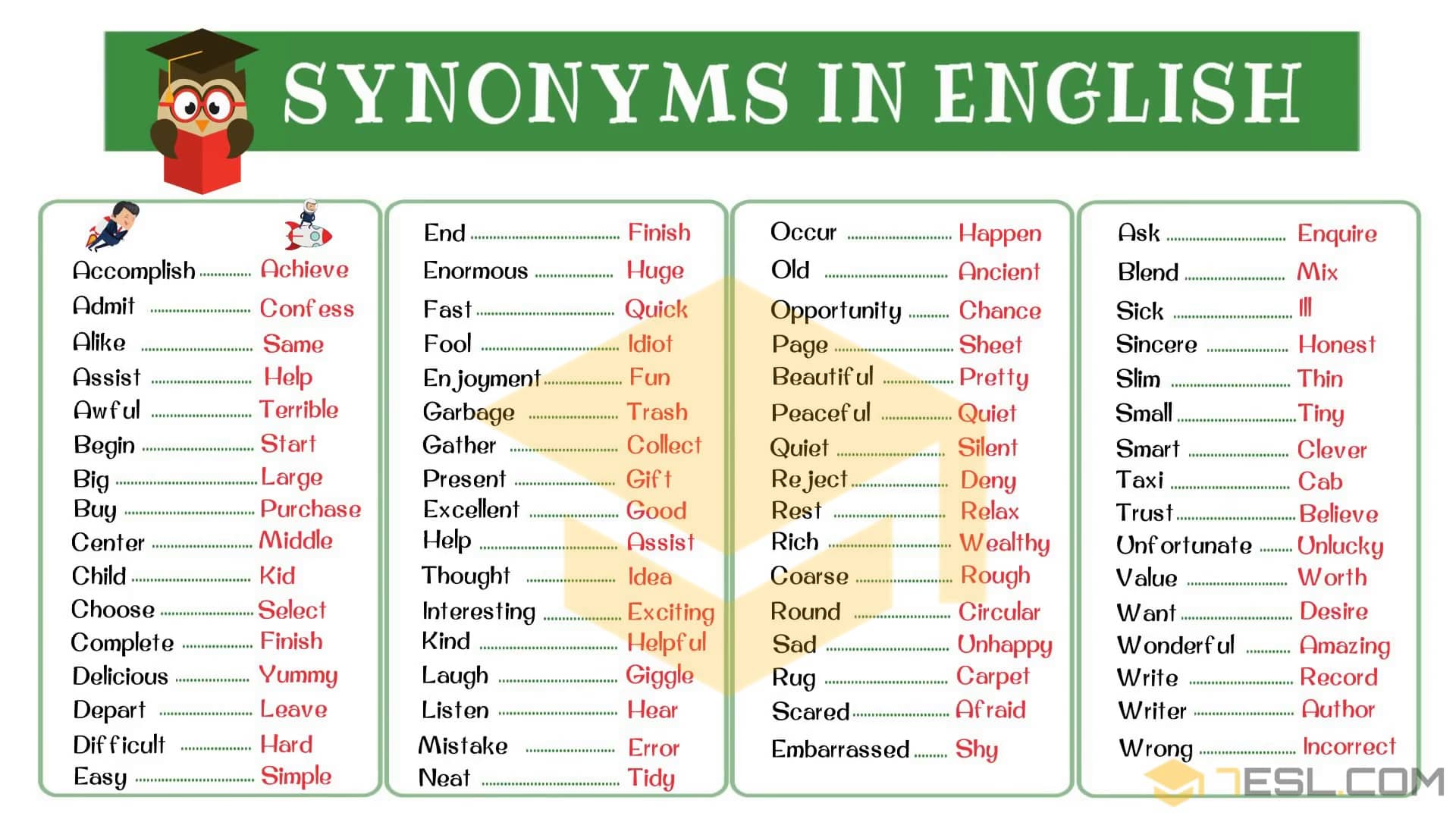
Synonyms are words or phrases that mean exactly or nearly the same as another word in a given language. In composition, they serve as the primary tool for avoiding repetitive language, which can dampen the impact of your prose. However, the misuse of synonyms—often called "the thesaurus trap"—is a frequent hurdle for writers.
The primary goal of using a synonym is to enhance clarity and rhythm, not merely to swap words for the sake of complexity. When you replace a word, you are shifting the nuances of the sentence. For example, while "fast" and "rapid" are synonyms, a "fast runner" implies physical speed, whereas a "rapid decline" implies a high rate of change over time. Using them interchangeably ignores the specialized context that defines precise language.
Analyzing Context and Nuance
Before selecting a synonym, you must conduct a brief contextual audit. Every word carries a baggage of denotation (literal meaning) and connotation (emotional or social association).
- Denotation Check: Ensure the synonym fits the objective definition. If you are describing a "sturdy" chair, replacing it with "robust" works, but replacing it with "hardened" changes the meaning from durability to a process of becoming solid.
- Connotation Assessment: Consider the tone. "Inexpensive" is neutral and professional, while "cheap" often carries a negative implication of low quality.
- Register Alignment: Match your vocabulary to your audience. In a formal report, "utilize" might be appropriate; in a casual blog post, "use" is almost always better.
Common Mistakes to Avoid
The most common error in synonym usage is prioritizing variety over accuracy. When a writer forces a complex word into a sentence where a simple one belongs, the result is "purple prose"—writing that is overly ornate and difficult to digest.
- Ignoring Collocations: Certain words are naturally paired. We say "make a decision," not "do a decision." If you change "make" to "construct," the phrase "construct a decision" sounds unnatural to a native speaker. Always verify if your chosen synonym fits the established word partnerships in your language.
- Over-relying on Thesauruses: Digital thesauruses are excellent for brainstorming, but they lack the ability to distinguish between shades of meaning. Treat these tools as a source of suggestions, not final instructions.
- The "Fancy Word" Fallacy: Writers often assume that longer words are inherently better. In professional and technical writing, conciseness is the gold standard. Never trade a clear, short word for an ambiguous, long one just to impress the reader.
Strategic Selection Table
To decide if a synonym is appropriate, evaluate it against the intended purpose of your document.
| Original Word | Potential Synonym | When to Use | Caution |
|---|---|---|---|
| Big | Substantial | In formal analysis or size assessment. | Avoid if describing physical space. |
| Improve | Enhance | When discussing quality or aesthetics. | Do not use for mechanical repairs. |
| Show | Demonstrate | For evidence or logical proof. | Sounds stiff in casual narratives. |
| Get | Obtain | In professional or transactional contexts. | Can sound robotic in dialogue. |
| Important | Paramount | When emphasizing extreme priority. | Overused; use sparingly. |
The Mechanics of Integration
When you integrate a synonym into your draft, treat the process as a modification of the sentence structure. Sometimes, swapping a single word creates a grammatical mismatch. For instance, if you replace "the reason was that..." with "the cause resided in the fact that...", you have introduced unnecessary wordiness.
If you find that replacing a word forces you to rewrite the entire sentence, that is often a sign that you should stick with the original word or rephrase the entire thought. The best synonyms feel invisible; the reader should understand your meaning immediately without stopping to process the vocabulary choice.
When to Keep the Original Word
There are instances where a synonym should not be used. If a word is a technical term, a proper noun, or a specific industry label, it should never be replaced. In medicine, law, and engineering, terminology is standardized for safety and legal clarity. Using a "synonym" for a specific legal contract term can create loopholes or liabilities.
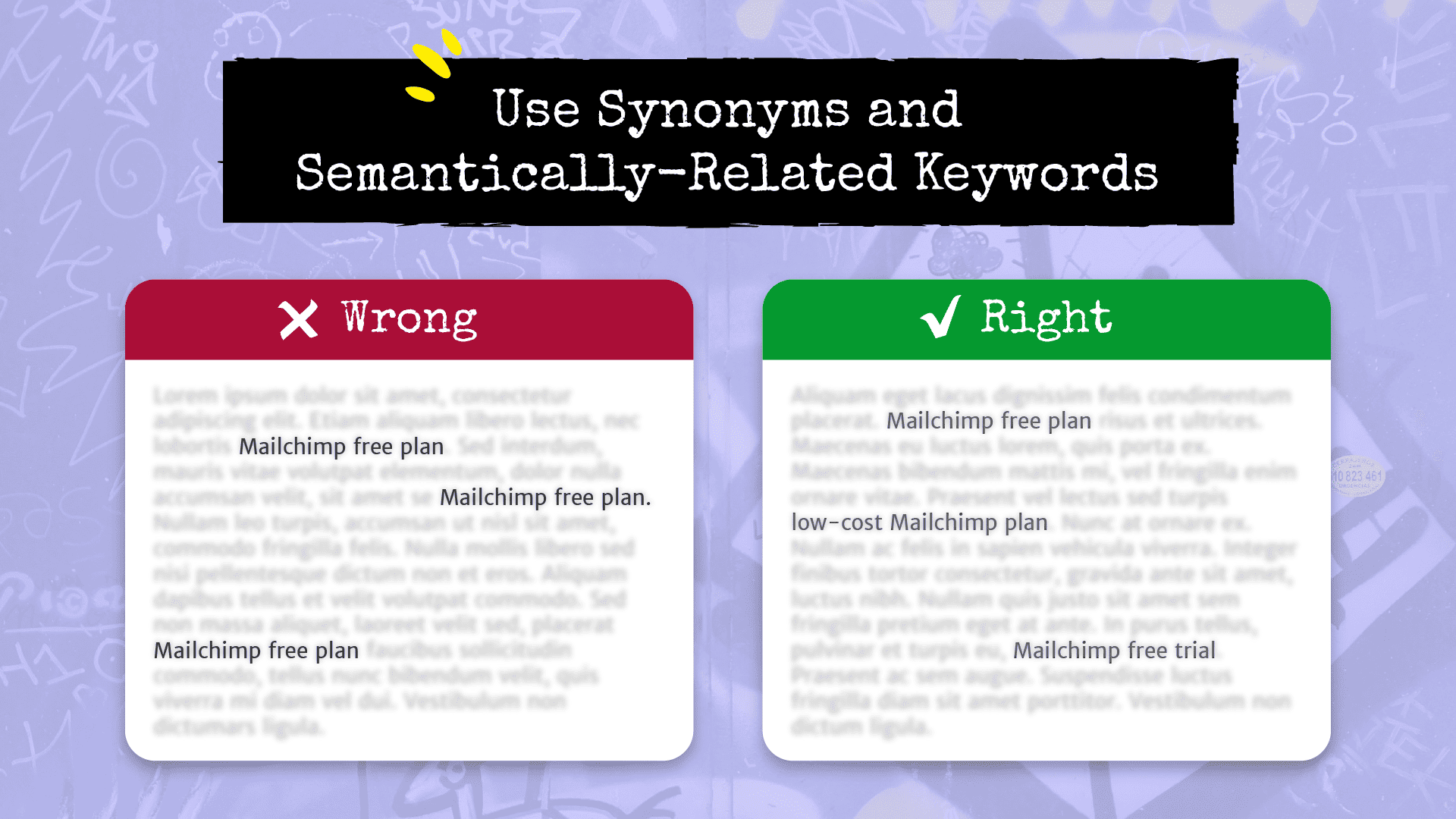
Furthermore, if you are writing about a specific product, organization, or location, maintain the established terminology throughout the text. Consistency in naming is more important than lexical variety. If you introduce a brand name, use that brand name consistently rather than trying to describe it with different synonyms, which only serves to confuse the reader about the identity of the entity.
Frequently Asked Questions
How do I know if a synonym is too formal for my writing? If you have to look up the definition of the synonym, it is likely too obscure for your target audience. Always aim for a level of vocabulary that is accessible to the average reader of your specific niche.
Is it ever okay to repeat the same word? Yes. Repetition for emphasis is a powerful rhetorical device. If you are clearly identifying a specific subject, repeating the noun is often better than forcing a clunky synonym that might distract the reader.
What is the best way to use a thesaurus without falling into the "purple prose" trap? Use the thesaurus to find a word that helps you remember a specific term, but check the definition in a dictionary before using it. Never pick a word you haven't seen used in a professional context before.
Do synonyms affect SEO? Search engines are highly sophisticated and recognize semantic relationships between words. Using relevant synonyms (latent semantic indexing) can help search engines understand the topic of your writing, but avoid "keyword stuffing" synonyms simply to manipulate rankings.
How can I improve my vocabulary for better synonym selection? Read broadly in your field. By observing how experienced authors and technical experts use language, you will naturally internalize which synonyms are appropriate and which are pretentious or inaccurate.
Final Recommendation
To master the use of synonyms, adopt a "reader-first" philosophy. Before finalizing any word choice, ask yourself: Does this word convey my point more clearly than the original? If the answer is no, revert to the simpler term. Your goal is to guide the reader through your content with as little friction as possible. Prioritize precision over variety, and only employ synonyms that serve to clarify your message rather than obscuring it with unnecessary complexity.
Image Gallery