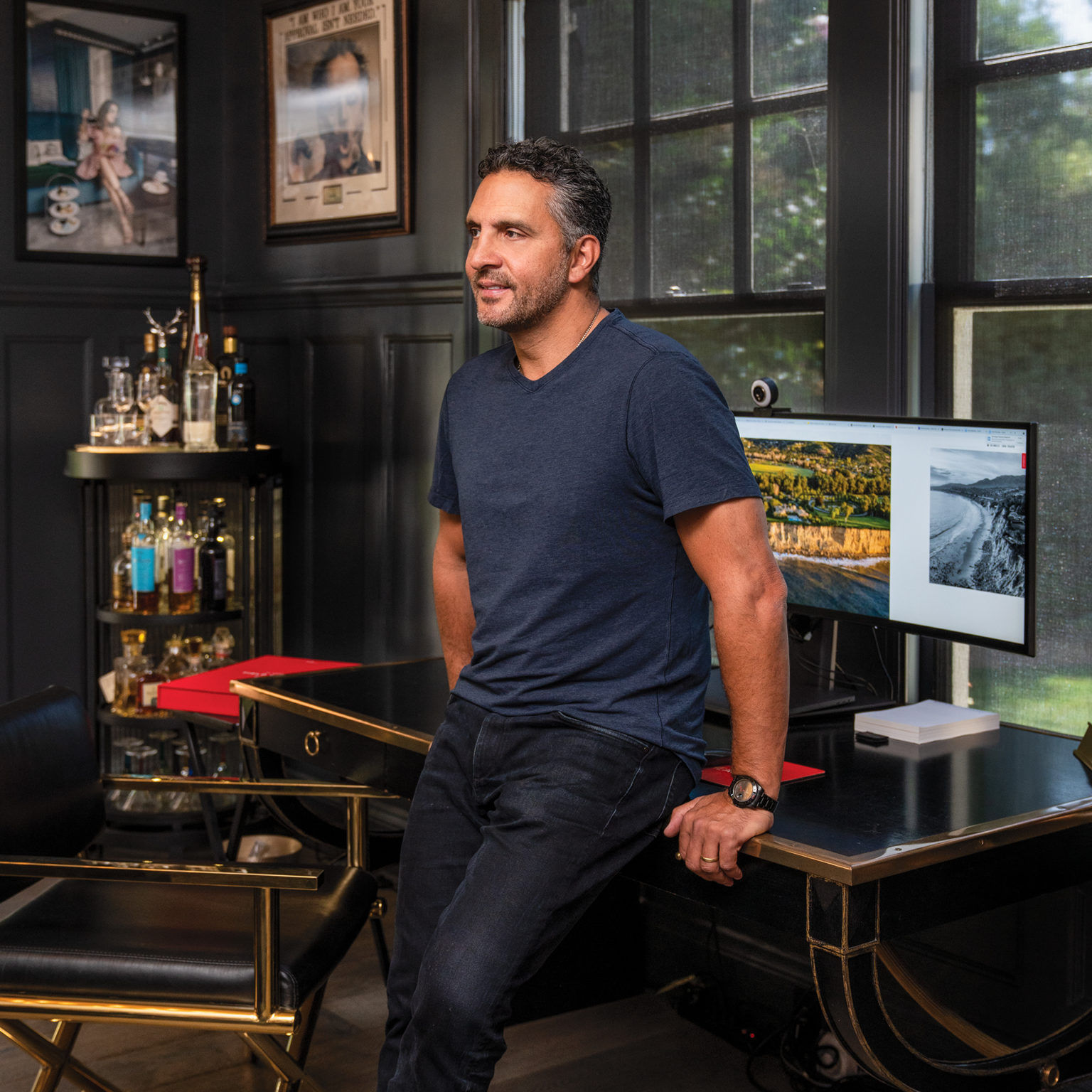
Why Mauricio Umansky’s Net Worth Matters to Investors: A Professional Analysis
The net worth of Mauricio Umansky, primarily derived from his leadership at The Agency and his high-profile career in luxury real estate, serves as a key performance indicator for investors evaluating the scalability of boutique broker...
The net worth of Mauricio Umansky, primarily derived from his leadership at The Agency and his high-profile career in luxury real estate, serves as a key performance indicator for investors evaluating the scalability of boutique brokerage models versus traditional franchise conglomerates. Understanding his financial trajectory provides insights into brand equity valuation, market expansion strategies, and the potential ROI for stakeholders in high-end real estate ventures.
Contents
The Intersection of Celebrity and Institutional Capital
In the modern real estate landscape, the intersection of personal branding and professional financial outcomes is more pronounced than ever. Mauricio Umansky, known to many through The Real Housewives of Beverly Hills (RHOBH), represents a unique case study in how media visibility acts as a force multiplier for a business founder. For investors, the "RHOBH factor" is not merely a pop-culture footnote; it is an acquisition and retention strategy that lowers the cost of customer acquisition (CAC).
When investors analyze Umansky’s net worth, they are essentially auditing the value of "influencer capital" in the real estate sector. Unlike traditional brokerages that rely solely on legacy infrastructure, The Agency—founded by Umansky—leveraged his public presence to build a global footprint. For institutional investors, this raises a fundamental question: Is the business model dependent on the individual's celebrity, or has that celebrity effectively "de-risked" the venture by ensuring permanent brand recognition?
Evaluating the Brokerage Business Model
To understand why his net worth matters to those looking at the sector, one must look at the transition from agent to agency founder. The brokerage business is traditionally high-volume and low-margin. However, by positioning his firm in the luxury segment, Umansky targeted the high-commission tier. Investors examine this to determine if the firm’s valuation is sustainable in shifting market conditions.
Investors track the following core metrics when assessing the stability and growth potential of firms led by individuals with significant high-profile presence:
- Commission Structure Efficiency: How the firm retains talent while maintaining a margin above the industry average.
- Geographic Diversification: The ability of the brand to transcend its origin point (Beverly Hills) into global luxury markets.
- Operating Overhead: The ratio of marketing and lifestyle branding costs compared to direct revenue from property sales.
Comparative Analysis of Brokerage Models
Investors often compare high-profile founder-led brokerages against publicly traded competitors. The following table illustrates the conceptual difference between a celebrity-anchored boutique model and a traditional national franchise model.
| Feature | Boutique (e.g., The Agency) | Traditional Franchise (Legacy) |
|---|---|---|
| Brand Driver | Personality/Lifestyle Branding | Institutional Recognition |
| Market Focus | Ultra-High Net Worth (UHWN) | Mass-Market/Residential |
| CAC Strategy | Organic Reach/Publicity | Paid Lead Gen/Volume |
| Scalability | High dependency on brand ethos | Operational/Procedural scaling |
| Investor Entry | Private Equity/Strategic | Public Stock/Dividends |
The Role of Net Worth in Strategic Partnerships
For potential investors, a founder’s net worth is often a proxy for "skin in the game." When a founder has significant personal assets tied to the success or failure of their enterprise, it signals to venture capital firms and private equity groups that the leadership's interests are perfectly aligned with those of the shareholders.
In the case of Umansky, his ability to navigate market cycles, such as the 2008 downturn and the post-2020 luxury real estate boom, provides a track record. Investors are less concerned with his total liquidity and more focused on his wealth composition. Is his net worth growing through equity dilution, or is it growing through the compounding value of the underlying brokerage infrastructure? If the latter, it signals a healthy, investable enterprise.
Risks and Mitigation for Investors
Investors looking at high-profile founders must account for "Key Person Risk." If a firm’s value is inextricably linked to the persona of the founder, the death or departure of that individual could result in a significant valuation drop.
- Brand Independence: Has the firm created a culture that can survive without the primary face of the brand?
- Regulatory Scrutiny: How does the association with reality television and high-profile legal or financial disputes (often highlighted in media cycles) impact the institutional reputation of the firm?
- Cyclical Sensitivity: Luxury real estate is notoriously sensitive to interest rates and tax legislation. Investors must look beyond the "glamour" of the net worth to the balance sheets of the firm’s regional offices.
Frequently Asked Questions
Why does media presence correlate with real estate brokerage valuation? Media presence lowers the cost of acquiring high-end clients. When a brand is already recognized, agents spend less time on cold prospecting and more time on high-value transactions, which improves the brokerage’s overall efficiency ratios.
Is a founder’s personal net worth an indicator of company health? While not a direct indicator, it serves as a measure of the founder's ability to retain value within the ecosystem they created. It suggests the business model successfully monetizes the founder's reputation.
How do investors separate the "reality star" persona from the business executive? Professional investors utilize SEC filings, private placement memoranda, and internal audit reports. They focus on EBITDA (Earnings Before Interest, Taxes, Depreciation, and Amortization) and agent retention rates rather than external media narratives.
What happens to a brokerage firm’s value if the founder steps back? If the firm has successfully transitioned from a personality-driven entity to an operational-driven entity, the valuation typically remains stable. If it remains personality-dependent, a successor plan is usually a mandatory requirement for serious institutional investment.
Next Steps for Interested Investors
If you are evaluating an investment in a luxury real estate venture similar to those in the Umansky portfolio, do not rely on celebrity status as a proxy for financial performance. Your primary focus should be on the firm's audited financials and their long-term lease obligations, agent commission splits, and geographical concentration. Conduct a thorough review of the firm’s growth strategy—specifically how they intend to capture market share outside of their primary hub—before committing capital. The "net worth" of a founder is a historical snapshot; the enterprise value you are investing in is a forward-looking calculation.
Image Gallery