Luxury Cars That Are Good on Gas for Everyday Use
Balancing high-end comfort, prestige, and exceptional fuel economy is entirely possible for daily driving. Today’s luxury automotive market offers sophisticated plug-in hybrids (PHEVs), traditional hybrids, and highly optimized turboch...
Balancing high-end comfort, prestige, and exceptional fuel economy is entirely possible for daily driving. Today’s luxury automotive market offers sophisticated plug-in hybrids (PHEVs), traditional hybrids, and highly optimized turbocharged engines that deliver impressive efficiency without sacrificing the refined ride quality, advanced technology, and executive status expected from premium brands.
Contents
For years, the luxury segment was synonymous with large-displacement V8 engines and dismal fuel economy. High-net-worth individuals and daily commuters who appreciated fine leather, cutting-edge driver-assistance systems, and prestigious badges often had to accept frequent trips to the fuel station as a cost of ownership. However, stringent global emissions regulations, technological advancements in powertrain engineering, and shifting consumer preferences have transformed the landscape.
Modern luxury cars that excel in fuel efficiency do so through sophisticated electrification, aerodynamic optimization, and lightweight construction materials like carbon fiber and aluminum. Whether you navigate heavy urban gridlock or cruise long stretches of interstate highway for your daily commute, choosing a high-efficiency luxury vehicle can dramatically lower operational expenses while elevating your routine travel experience.
Understanding the Shift Toward Efficient Luxury Powertrains
The engineering philosophy behind high-end fuel efficiency centers on making every drop of fuel work harder through electrification and advanced thermal management. Traditional internal combustion engines (ICE) lose a significant amount of energy to heat and friction. Modern luxury automakers counteract this by integrating electric motors that provide instant torque, smooth out acceleration, and shoulder the burden during stop-and-go city traffic.
Plug-in hybrid electric vehicles (PHEVs) represent a particularly compelling option for everyday use. By combining a conventional gasoline engine with a high-capacity battery and electric motor, a PHEV allows drivers to complete most local daily commutes—such as grocery shopping, school runs, or short office drives—on pure electricity. When the battery depletes, the vehicle seamlessly transitions to a hybrid mode, utilizing regenerative braking to capture kinetic energy that would otherwise be lost as heat.
Furthermore, mild-hybrid systems (MHEV) have become ubiquitous in entry-level and mid-tier luxury sedans and crossovers. These systems utilize a 48-volt electrical architecture to power auxiliary systems, enable smooth start-stop functionality, and provide a small electric boost under acceleration. This technology reduces engine load, lowers tailpipe emissions, and improves overall fuel economy by 10 to 15 percent compared to non-hybrid counterparts, all without requiring the driver to plug the car into an external power source.
Top Luxury Vehicle Segments for Fuel Efficiency
When evaluating luxury vehicles for everyday driving, buyers generally look across three primary categories: compact luxury sedans, executive hybrids, and luxury plug-in hybrid SUVs. Each segment serves a different lifestyle requirement while maintaining high standards of craftsmanship and efficiency.
Compact and Midsize Luxury Sedans
For agile handling in tight urban environments and effortless highway cruising, compact and midsize luxury sedans equipped with turbocharged four-cylinder engines or mild-hybrid setups are ideal. Brands like BMW, Audi, and Mercedes-Benz have refined their two-liter turbocharged powerplants to deliver brisk acceleration alongside highway fuel economy ratings that frequently exceed 35 miles per gallon (mpg). These models provide the nimble footprint needed for daily parking challenges while wrapping the driver in acoustic-laminated glass, premium audio systems, and supple leather upholstery.
Luxury Plug-In Hybrid Electric Vehicles (PHEVs)
Drivers with access to home or workplace charging benefit immensely from luxury PHEVs. These vehicles offer electric-only ranges typically spanning from 20 to 50 miles, which covers the average daily commute in many metropolitan areas. When operating purely on electricity, fuel consumption drops to zero, and operating costs decrease significantly compared to premium V6 or V8 engines. When weekend road trips require longer journeys, the gasoline engine eliminates range anxiety entirely.
Luxury Hybrid and Efficient Crossovers
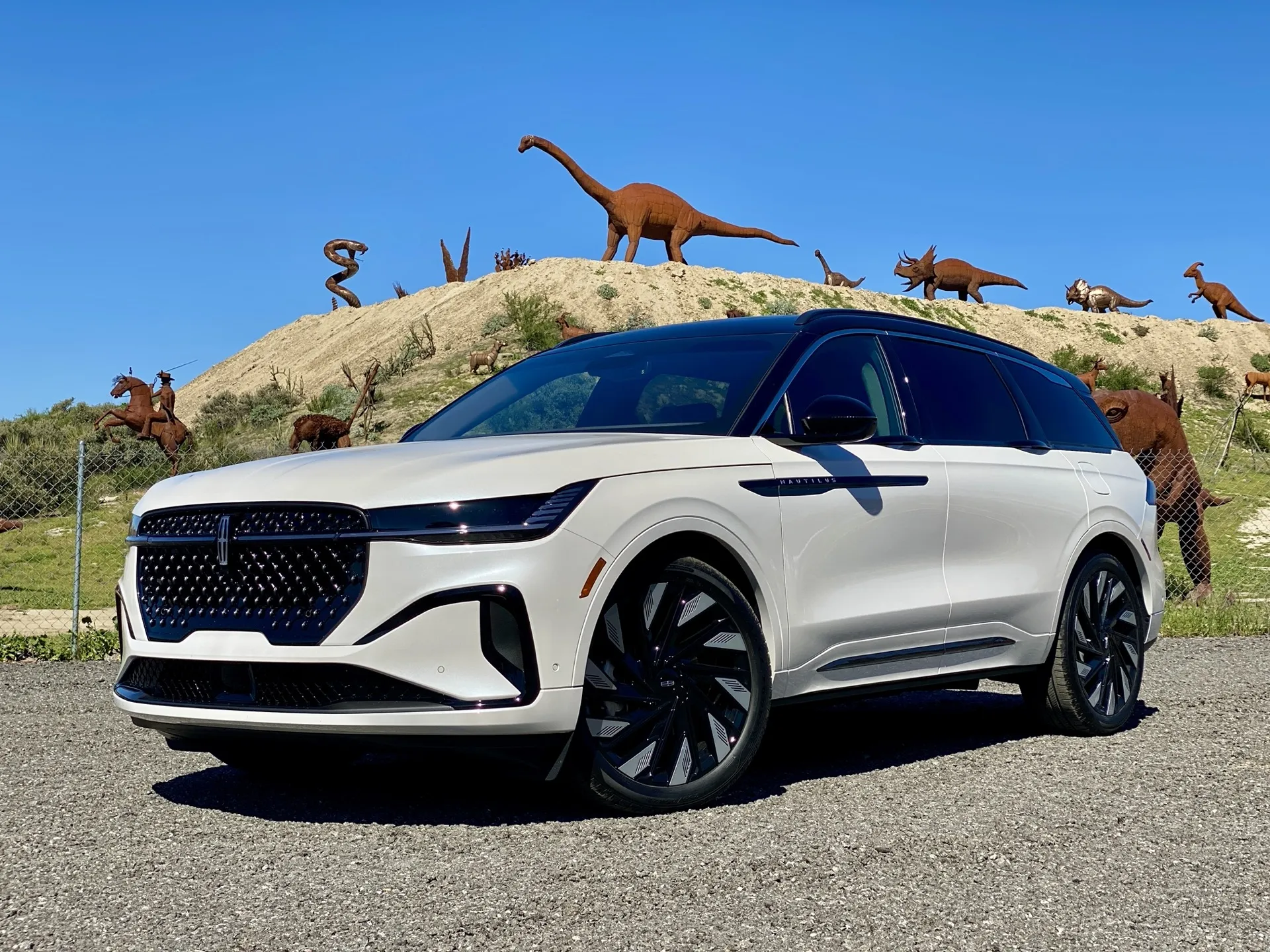
For those who require elevated seating positions, versatile cargo space, and all-weather capability, luxury hybrid crossovers deliver remarkable utility. Unlike traditional luxury SUVs that struggle to break 20 mpg in combined driving, modern hybrid crossovers utilize sophisticated power-split systems or dual-motor setups to achieve upwards of 35 to 40 mpg combined, making everyday errands far more economical.
Comparing Top Everyday Luxury Fuel-Efficient Models
To help illustrate the options available on the market, the following table compares representative luxury vehicles known for balancing high-end features with everyday fuel efficiency.
| Make and Model | Vehicle Class | Primary Powertrain Type | Estimated Fuel Economy / Efficiency | Electric-Only Range |
|---|---|---|---|---|
| BMW 330e | Compact Sedan | Plug-in Hybrid (PHEV) | 28 mpg combined / 73 MPGe | ~22 miles |
| Lexus ES 300h | Midsize Sedan | Hybrid (HEV) | 44 mpg combined | N/A (Self-charging) |
| Mercedes-Benz E 300e | Executive Sedan | Plug-in Hybrid (PHEV) | 30 mpg combined / 65 MPGe | ~33 miles |
| Volvo XC60 Recharge | Compact SUV | Plug-in Hybrid (PHEV) | 28 mpg combined / 58 MPGe | ~35 miles |
| Audi A5 Sportback | Compact Sportback | Mild-Hybrid (MHEV) | 30 mpg combined | N/A (48V Assist) |
Note: Fuel economy figures (mpg, MPGe, and electric range) are based on standard regulatory testing cycles. Real-world efficiency varies depending on driving habits, weather conditions, terrain, and accessory usage.
Practical Considerations for Everyday Luxury Driving
Selecting a luxury car for daily use involves more than just reading EPA efficiency ratings. Practicality, maintenance overhead, and daily convenience dictate whether a vehicle remains a pleasure to own over several years of commuting.
Maintenance and Servicing Costs
Luxury vehicles feature complex electronic architecture, advanced driver assistance sensors, and specialized components that require professional servicing. While fuel-efficient hybrids and PHEVs reduce gasoline expenditures, routine maintenance such as brake fluid flushes, synthetic oil changes, and specialized tire replacements can carry a premium. Buyers should review certified pre-owned (CPO) warranty options or extended service plans to safeguard against unexpected mechanical expenses during everyday ownership.
Charging Infrastructure Access
If you lean toward a plug-in hybrid for daily efficiency, evaluating your charging infrastructure is a critical prerequisite. Installing a Level 2 home charging station (240-volt) significantly reduces charging times, allowing you to replenish the battery overnight or within a few hours. Relying solely on public charging networks for a PHEV can become inconvenient and negate some of the financial savings associated with electric driving.
Ride Quality and Tire Profiles
Many luxury cars come equipped with large alloy wheels and low-profile tires that enhance visual appeal but compromise ride comfort over potholes and rough urban asphalt. For everyday use, opting for slightly smaller wheel diameters with higher sidewalls ensures a plush, compliant ride that protects suspension components and reduces road noise during daily commutes.
Frequently Asked Questions
Are luxury hybrid cars expensive to maintain compared to standard luxury cars?
Luxury hybrids often feature lower long-term maintenance costs for specific components like brake pads. Because regenerative braking uses the electric motor to slow the vehicle, traditional friction brakes experience significantly less wear. However, servicing the complex electrical systems, inverters, and high-voltage battery packs requires specialized technician expertise, which can elevate dealership labor rates out-of-warranty.
Can I drive a luxury plug-in hybrid if I cannot charge it at home?
Yes, you can operate a luxury PHEV without a home charger, but you will miss out on maximum fuel efficiency and lower operating costs. The vehicle will function much like a traditional hybrid, using regenerative braking and the gasoline engine to charge the battery on the fly. However, missing the opportunity to charge via a wall outlet defeats the primary purpose of purchasing a plug-in hybrid for daily short-distance commuting.
Do fuel-efficient luxury cars sacrifice interior comfort and build quality?
Modern high-efficiency luxury models do not compromise on cabin refinement. Automakers utilize the same high-grade Nappa leather, open-pore wood trims, carbon fiber accents, and advanced acoustic insulation found in their non-hybrid lineups. In fact, many luxury hybrids and EVs offer quieter cabins than their traditional gas counterparts due to the absence of engine vibration at idle.
How does regenerative braking affect the driving feel of a luxury vehicle?
Regenerative braking introduces a slight deceleration resistance when you lift your foot off the accelerator. In most modern luxury cars, manufacturers calibrate this transition to feel seamless and natural, closely mimicking traditional hydraulic braking. Some models even allow drivers to adjust the level of regenerative braking via steering wheel paddle shifters to suit their personal driving preferences.
Is a mild-hybrid luxury car worth the upgrade over a standard gas engine?
Mild-hybrid systems represent a worthwhile incremental upgrade for everyday driving. Because they require no external charging and add minimal weight, they smooth out engine restarts in heavy traffic, reduce turbo lag, and provide a modest 10 to 15 percent improvement in fuel economy without altering the vehicle's standard refueling routine.
Conclusion and Next Action
Investing in a fuel-efficient luxury car for everyday use successfully bridges the gap between uncompromising comfort and financial prudence. By carefully weighing whether a traditional self-charging hybrid, a mild-hybrid setup, or a plug-in hybrid best aligns with your daily commute and home charging access, you can significantly reduce your fuel consumption while enjoying premier automotive craftsmanship.
To take the next step, schedule extended test drives during your typical rush-hour commuting window with local dealerships. Pay close attention to real-world cabin noise, seat ergonomics, and how the powertrain transitions between electric and gasoline power, ensuring the vehicle meets your exacting standards for daily driving satisfaction.
Image Gallery