Moving Pod Rental Cost: 2026 Guide to Pricing and Services
In 2026, the average moving pod rental cost typically ranges from $500 to $900 for local moves and $3,000 to $6,500 for long-distance relocations. These totals are calculated based on three primary factors: the monthly container rental...
In 2026, the average moving pod rental cost typically ranges from $500 to $900 for local moves and $3,000 to $6,500 for long-distance relocations. These totals are calculated based on three primary factors: the monthly container rental fee, the delivery and pick-up charges, and the transportation costs between locations.
Contents
Breaking Down the Moving Container Pricing Structure
Understanding the cost of a moving container requires looking beyond a single flat rate. Most providers in 2026 utilize a modular pricing structure that allows for flexibility but can lead to "sticker shock" if the individual components are not accounted for early in the budgeting process.
Monthly Rental Fees
The base cost of the container itself is usually billed on a 30-day cycle. Even if you only need the pod for two weeks, you will typically pay for the full month. In the 2026 market, these monthly rates generally fall between $150 and $350 per container, depending on the size and the provider. If your move involves storage—either on your property or at a secure facility—this monthly fee repeats for as long as the unit is in your possession.
Delivery and Logistics Charges
Companies charge "drop-off" and "pick-up" fees. This covers the labor and specialized hydraulic equipment required to place the container in your driveway and retrieve it later. These fees average $100 to $200 per event. For a standard move, you will encounter at least three of these events: initial delivery, transportation to the new home, and final pick-up of the empty unit.
Transportation and Fuel Surcharges
For long-distance moves, the "transit fee" is the most significant portion of the quote. This is calculated based on total mileage, fuel prices in 2026, and the logistics of moving a heavy container across state lines. Unlike traditional moving trucks where you pay for fuel separately, container companies typically wrap fuel costs into the transportation quote, though a floating fuel surcharge may be applied if energy prices fluctuate significantly during the transit period.
Average Moving Pod Rental Costs by Distance and Size
The size of the container you select is the largest variable within your control. Most major providers offer three standard sizes, though nomenclature varies by brand.
| Container Size | Home Size Equivalent | Est. Local Cost (1 Month) | Est. Long-Distance Cost |
|---|---|---|---|
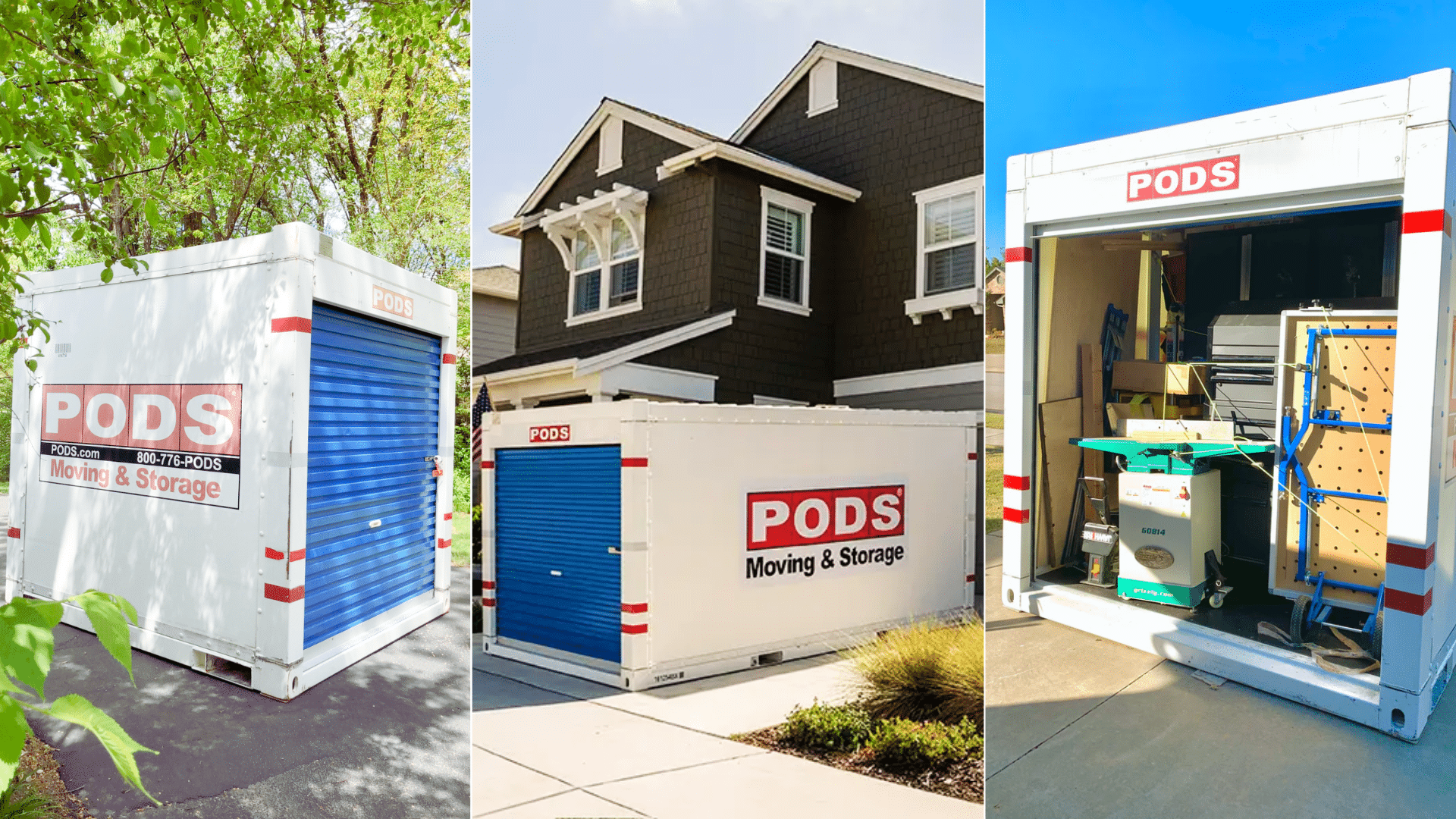
| 7-Foot Small | Studio or 1-Bedroom | $450 – $650 | $2,500 – $4,000 |
| 12-Foot Medium | 2-Bedroom Apartment | $600 – $850 | $3,500 – $5,500 |
| 16-Foot Large | 3-Bedroom Home | $800 – $1,100 | $4,800 – $7,000+ |
Note: Costs include delivery, one month of rent, and basic transportation. Prices may vary based on specific zip codes and seasonal demand.
Small Containers (7-8 Feet)
These units are ideal for college students, small studio apartments, or as an "overflow" container for a larger home. Because they take up less space on a transport truck, they are the most economical option for cross-country moves. In 2026, many urban residents prefer these smaller units because they fit more easily into tight city parking spaces.
Medium Containers (12 Feet)
The 12-foot container is often considered the "sweet spot" for small families or those moving a two-bedroom residence. It provides roughly 680 cubic feet of space. However, it is important to note that some companies, such as U-Pack, do not offer a 12-foot option, opting instead for a standardized small cube or a large trailer.
Large Containers (16 Feet)
Designed for homes with three to four rooms, the 16-foot container offers approximately 800+ cubic feet of storage. For a full-sized house, customers often find that two 16-foot containers are more efficient and easier to organize than a single massive traditional moving truck.
Key Factors Influencing Your 2026 Quote
Several secondary factors can push a quote toward the higher or lower end of the spectrum. Being aware of these can help you avoid unexpected expenses.
Geographic Location and "Zone" Pricing
Moving between two major metropolitan hubs (like Chicago to Dallas) is often cheaper than moving to a remote rural area. Companies have "hubs" or service centers; if the container must be hauled 100 miles away from the nearest center to reach your driveway, you will face a significant "deadhead" or out-of-area delivery fee.
Seasonality and Timing
The moving industry remains highly seasonal. Peak moving season—from May through September—sees prices increase by 20% to 40%. In 2026, mid-week moves (Tuesday or Wednesday) continue to be slightly more affordable than weekend deliveries. Booking at least 45 to 60 days in advance is the most effective way to lock in lower rates before inventory becomes scarce.
Content Protection and Insurance
Standard homeowners' insurance policies often provide limited coverage for items in transit. Moving container companies offer their own Liability and Content Protection Plans. In 2026, basic coverage (which covers the container itself but minimal contents) may be included, but comprehensive "all-risk" coverage that protects against damage during transit usually adds $50 to $150 per month to the total cost.
Provider Comparison: PODS vs. U-Pack vs. 1-800-PACK-RAT
Each major provider has a different pricing philosophy and service model. Choosing the right one depends on whether you value flexibility, durability, or the lowest possible price.
PODS (Portable On Demand Storage)
As the industry leader, PODS offers the most flexibility with three container sizes and a vast network of storage facilities. They are often the benchmark for pricing. Their "level-lift" system is a proprietary technology that keeps the container level during loading and unloading, which minimizes the shifting of your belongings.
U-Pack
U-Pack specializes in long-distance moves and does not offer local-only moving services. Their primary product is the "ReloCube," a metal, weather-resistant container. A unique feature of U-Pack is their "pay-for-what-you-use" model for trailer moves, where you only pay for the linear footage your items occupy. This can be significantly cheaper for long-distance relocations if you are a disciplined packer.
1-800-PACK-RAT
This provider is known for using all-steel, weatherproof containers, which are generally more robust than the wood-and-vinyl construction used by some budget competitors. They frequently offer price-matching against PODS and have a strong reputation for customer service. Their pricing structure is similar to PODS, with monthly rentals and per-delivery fees.
Hidden Fees and Logistics Considerations
The "rental cost" on the front page of a website rarely reflects the final invoice. To get an accurate estimate, you must account for local regulations and site-specific requirements.
- Parking Permits: In many cities, placing a container on the street requires a municipal permit. These can range from $25 to $100 per day. Failure to secure one can lead to the container being towed at your expense.
- Weight Limits: While you pay for the volume of the container, there are structural weight limits. Exceeding these (common when moving heavy books or tools) can result in "overweight" fees or the company refusing to transport the unit for safety reasons.
- Clearance Requirements: A delivery truck needs approximately 12 feet of width and 15 feet of vertical clearance to drop a container. If your driveway has low-hanging trees or power lines, the driver may have to leave the container in an inconvenient or unsecure location.
- Redelivery Fees: If you are not ready for the container to be delivered or picked up at the scheduled time, "dry run" or rescheduling fees are often equivalent to a full delivery charge ($100+).
How to Save Money on Your Container Rental
If the initial quotes exceed your budget, there are several levers you can pull to reduce the total cost.
- Downsize Before the Quote: Moving is the best time to declutter. Reducing your inventory enough to fit into a 12-foot container instead of a 16-foot unit can save you over $1,000 on a long-distance move.
- Use Your Own Locks: Companies will offer to sell you high-security padlocks. Buying your own "disc" lock at a hardware store beforehand is usually cheaper and ensures you are the only one with the key.
- Hybrid Moving: If the cost of door-to-door delivery is too high, consider a "terminal-to-terminal" move. You load your items into the container at the company’s local service center and unload it at the destination center. This eliminates the expensive delivery and pick-up fees.
- Military and Senior Discounts: Most major providers offer 5% to 10% discounts for active-duty military, veterans, and seniors. These are rarely applied automatically; you must ask for them during the quoting process.
Frequently Asked Questions
Is it cheaper to rent a moving truck or a pod?
For local moves, a rental truck (like U-Haul) is almost always cheaper, often costing under $100 for a single day. However, for long-distance moves, pods become competitive because they eliminate the high cost of fuel, hotel stays, and the stress of driving a large vehicle across the country.
How long can I keep a moving pod on my driveway?
Most companies allow you to keep the pod indefinitely as long as you pay the monthly rental fee. However, you must check with your Homeowners Association (HOA) or local city ordinances, as many have a limit of 7 to 14 days for temporary structures on residential property.
Are moving containers waterproof?
Most modern containers from PODS and 1-800-PACK-RAT are highly water-resistant and designed to sit outdoors. However, they are not "watertight" like a submarine. In 2026, it is still recommended to wrap sensitive electronics and wooden furniture in plastic moving wrap to protect against humidity and extreme condensation.
Can I pack my own moving container?
Yes, moving containers are designed specifically for the "DIY" (Do-It-Yourself) market. You are responsible for all packing, loading, and securing of items. If you require professional help, most container companies can refer you to local labor-only moving crews who specialize in loading containers efficiently to prevent shifting.
Do moving pod prices include the driver?
Yes, the primary advantage of a container service is that the company handles all the driving. The quoted price for transportation includes a professional driver and the specialized heavy-duty truck required to move the container between locations.
Practical Recommendation
When planning your move in 2026, the most effective strategy is to gather at least three written quotes from different providers. Ensure each quote includes the same "total time" and "protection level" so you are comparing like-for-like services. If you are moving long-distance, prioritize U-Pack for its cost-effective trailer model. If you need local storage or have a complicated loading schedule, PODS or 1-800-PACK-RAT offer the best balance of flexibility and container durability. Always verify your local parking ordinances before the container arrives to avoid immediate fines that can inflate your moving budget.
Image Gallery