Understanding Anna Maria Horsford’s Ethnicity and Cultural Heritage
Anna Maria Horsford is of Afro-Caribbean ethnicity. While she was born and raised in the United States, her heritage is rooted in the West Indies; her father emigrated from Antigua, and her mother was from the Dominican Republic. This...
Anna Maria Horsford is of Afro-Caribbean ethnicity. While she was born and raised in the United States, her heritage is rooted in the West Indies; her father emigrated from Antigua, and her mother was from the Dominican Republic. This combination of English-speaking and Spanish-speaking Caribbean ancestry has profoundly shaped her personal identity and professional career.
Contents
As of 2026, Anna Maria Horsford remains one of the most respected figures in American entertainment, with a career spanning over five decades. While many fans recognize her for her iconic roles in sitcoms like Amen and The Wayans Bros., there is often curiosity regarding her specific ethnic background. To understand her ethnicity, one must look beyond her Harlem upbringing and examine the migration history of her parents, which ties her directly to the vibrant cultures of the West Indies.
The Roots of a Harlem Native: Parental Ancestry
Anna Maria Horsford was born on March 6, 1948, in Harlem, New York City. During this era, Harlem was a significant hub for the African Diaspora, serving as a landing point for both Black Americans migrating from the South and immigrants arriving from various Caribbean islands. Horsford’s household was a reflection of this international Black experience.
Her Father: The Antiguan Connection
Her father, Victor Horsford, was an immigrant from Antigua. Antigua, a part of the Leeward Islands in the West Indies, has a rich history predominantly shaped by its African population and British colonial past. This background often instilled a specific cultural pride and work ethic in the Antiguan diaspora in New York. The English-speaking Caribbean influence provided a foundation of British-influenced educational values and a distinct West Indian social perspective that was common in mid-century Harlem.
Her Mother: The Dominican Heritage
Her mother, Lillian Horsford, hailed from the Dominican Republic. This aspect of her heritage introduces an Afro-Latina element to her identity. The Dominican Republic, sharing the island of Hispaniola with Haiti, possesses a complex cultural tapestry involving Spanish, African, and indigenous Taíno influences. Having a mother from a Spanish-speaking Caribbean nation meant that Horsford grew up with exposure to different linguistic and cultural nuances than those who were solely of African American or English-Caribbean descent.
Defining Ethnicity vs. Nationality
When discussing "what is Anna Maria Horsford's ethnicity," it is important to distinguish between her nationality and her ethnic roots.
- Nationality: Horsford is an American. She was born in New York and has lived her entire life as a citizen of the United States.
- Ethnicity: Her ethnicity is Afro-Caribbean. This term encompasses people of African descent who have ancestral ties to the Caribbean islands.
- Race: In the context of the American census and social landscape, she is identified as Black or African American.
Because her mother was from the Dominican Republic, Horsford can also be technically described as Afro-Latina, though she has historically been more prominently associated with the broader African American community in her professional life.
The Influence of Heritage on Her Professional Career
Anna Maria Horsford’s career has been characterized by her versatility and her ability to portray a wide range of Black women, from the comedic to the deeply dramatic. Her Caribbean roots provided her with a unique lens through which to view the African American experience, often allowing her to bring a sense of "universal Blackness" to her roles.
Breakthrough Roles and Cultural Representation
In the 1980s, Horsford became a household name playing Thelma Frye on the NBC sitcom Amen. While the character was a typical African American woman living in Philadelphia, Horsford’s nuanced performance helped the show resonate with diverse Black audiences across the country.
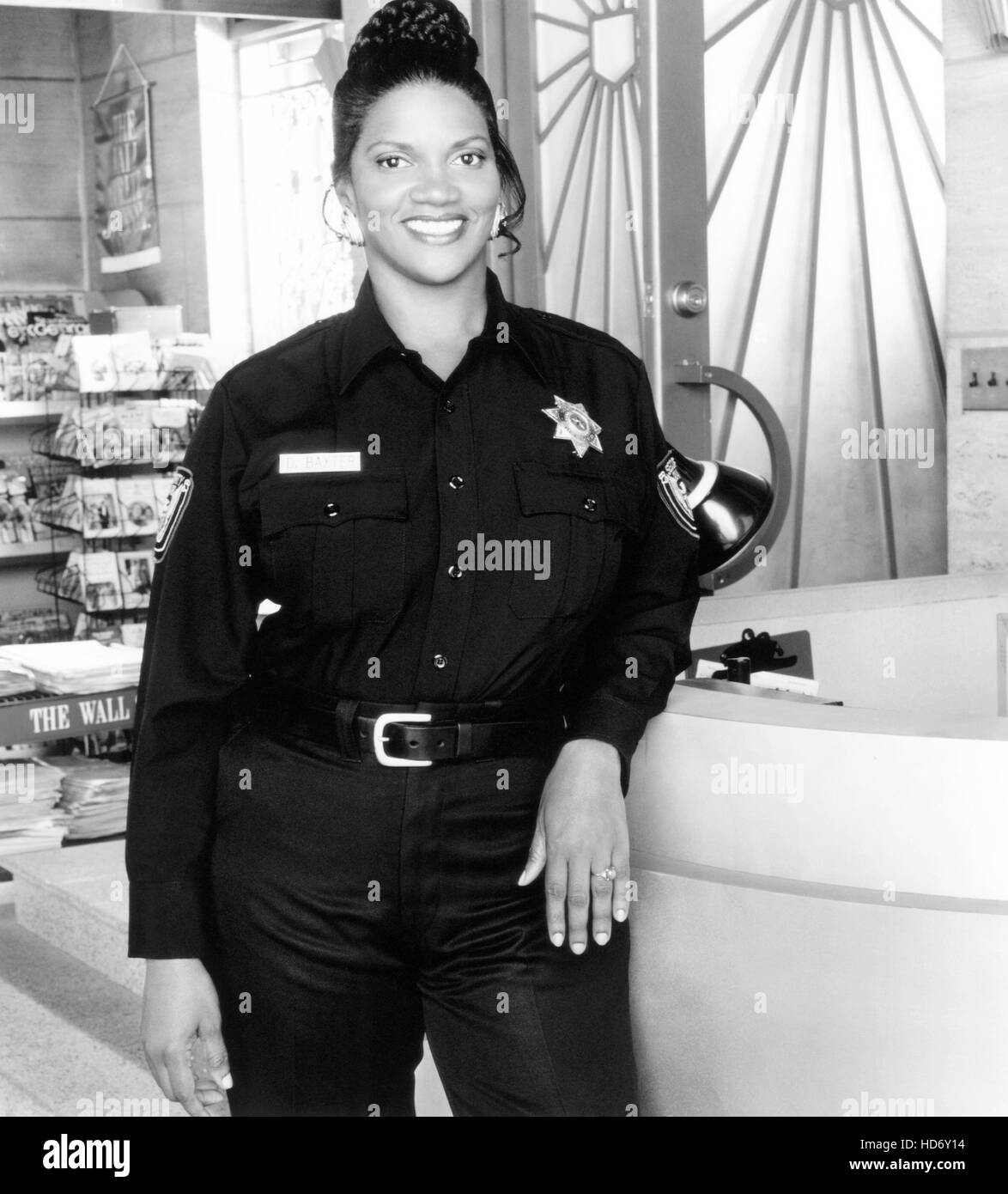
Later, her role as Deirdre "Dee" Baxter on The Wayans Bros. further cemented her status as a cultural icon. In this role, she portrayed a strong, professional, and maternal figure. While the show didn't explicitly focus on her Caribbean background, the "no-nonsense" matriarchal energy she brought to the screen is something many fans from West Indian households found deeply familiar.
Film and Dramatic Excellence
Her work in films like Friday (1995), where she played Mrs. Jones, and School Daze (1988), directed by Spike Lee, showcased her ability to fit seamlessly into stories specifically about the African American domestic and collegiate experience. Despite her specific Caribbean parentage, she became a definitive face of the "Black American Mother" in cinema—a testament to her range and the shared cultural ties between Black Americans and the Caribbean diaspora.
Detailed Profile: Anna Maria Horsford at a Glance
The following table summarizes the key components of Anna Maria Horsford’s background and professional status as of 2026.
| Feature | Detail |
|---|---|
| Full Name | Anna Maria Horsford |
| Date of Birth | March 6, 1948 |
| Birthplace | Harlem, New York, USA |
| Ethnicity | Afro-Caribbean (Antiguan and Dominican) |
| Primary Nationality | American |
| Notable Sitcoms | Amen, The Wayans Bros., The Last O.G. |
| Notable Films | Friday, School Daze, Minority Report |
| Awards/Honors | Multiple Daytime Emmy Nominations; NAACP Image Awards |
| Current Status (2026) | Active in television, film, and theater |
The Concept of the "Caribbean-American" Experience
Horsford’s story is a classic example of the Caribbean-American experience. In cities like New York, the distinction between "African American" and "West Indian" was often clear within the community but blurred in the eyes of the general public.
Growing up in Harlem, Horsford would have been surrounded by the sights, sounds, and smells of various cultures. This "dual identity"—being American by birth but Caribbean by blood—often creates a bridge between different communities. For Horsford, this likely contributed to her longevity in Hollywood, as she could navigate different social and cultural spaces with ease.
Linguistic and Social Nuances
While Horsford does not typically use a Caribbean accent in her roles, the cadence and rhythm of her delivery are often noted by critics as having a unique musicality. This is common among children of Caribbean immigrants, who grow up hearing the rhythmic patterns of Antiguan English or Dominican Spanish at home while speaking standard American English in public.
The Evolution of Her Identity in the Public Eye
Over the years, Horsford has been vocal about her pride in her parents and their journey to the United States. In various interviews throughout her career, she has credited her father’s Antiguan roots and her mother’s Dominican background for her discipline and her appreciation for education and the arts.
By 2026, the conversation around ethnicity in Hollywood has shifted toward more specific representation. Fans are no longer satisfied with broad labels; they want to know the specific origins of their favorite stars. Horsford’s transparency about her Antiguan and Dominican roots has allowed her to be embraced not just by African Americans, but by the Caribbean community worldwide.
Why Does Ethnicity Matter in Celebrity Profiles?
The question of "what is Anna Maria Horsford's ethnicity" is more than just trivia. It reflects a growing desire for:
- Representation: Fans from Antigua or the Dominican Republic see her success as a victory for their specific cultures.
- Historical Context: Understanding her background explains the demographic shifts in New York during the mid-20th century.
- Cultural Accuracy: Knowing an actor's roots helps audiences appreciate the subtle choices they make in their performances.
Horsford’s ability to represent the African Diaspora so broadly while remaining rooted in her specific Caribbean heritage is a hallmark of her career.
Frequently Asked Questions
Is Anna Maria Horsford Latina?
Yes, in a cultural and ancestral sense, she has Latina roots through her mother, who was from the Dominican Republic. However, she is most frequently identified as Afro-Caribbean and African American. She is part of the Afro-Latina community, which identifies as both Black and of Latin American descent.
Does Anna Maria Horsford speak Spanish?
While it is known that her mother was from the Dominican Republic (a Spanish-speaking country), Horsford has not made speaking Spanish a central part of her public persona or acting career. She was raised in an English-speaking environment in Harlem, though she likely had some exposure to the language at home.
Where were Anna Maria Horsford's parents born?
Her father, Victor Horsford, was born in Antigua. Her mother, Lillian Horsford, was born in the Dominican Republic. Both emigrated to the United States and settled in New York City, where Anna Maria was born.
What is Anna Maria Horsford's most famous role?
She is most famous for playing Thelma Frye on Amen (1986–1991), Dee Baxter on The Wayans Bros. (1995–1999), and Craig Jones' mother, Mrs. Jones, in the cult classic movie Friday (1995).
Is Anna Maria Horsford still acting in 2026?
Yes, as of 2026, Anna Maria Horsford remains an active and respected member of the acting community. She continues to take on roles in television series, voice acting, and independent films, maintaining a career that has lasted over 50 years.
Conclusion and Final Reflection
Anna Maria Horsford’s ethnicity is a rich blend of Antiguan and Dominican heritage, making her a prominent figure within the Afro-Caribbean community. Her life and career serve as a bridge between the American experience and the broader African Diaspora. By embracing both her Harlem roots and her West Indian ancestry, Horsford has built a legacy that transcends simple categorization. For fans and researchers alike, understanding her ethnicity provides a deeper appreciation for the woman behind some of television's most beloved characters.
If you are interested in exploring the heritage of other influential actors of the Caribbean diaspora, looking into the history of West Indian migration to New York City during the 1940s and 1950s offers invaluable context for the lives of many icons of that generation.
Image Gallery