Is the Man in the Iron Lung Still Alive? The Legacy and Life of Paul Alexander
Paul Alexander, widely known as the "man in the iron lung," is no longer alive. He passed away on March 11, 2024, at the age of 78, after spending more than seven decades relying on a negative pressure ventilator. His death marked the...
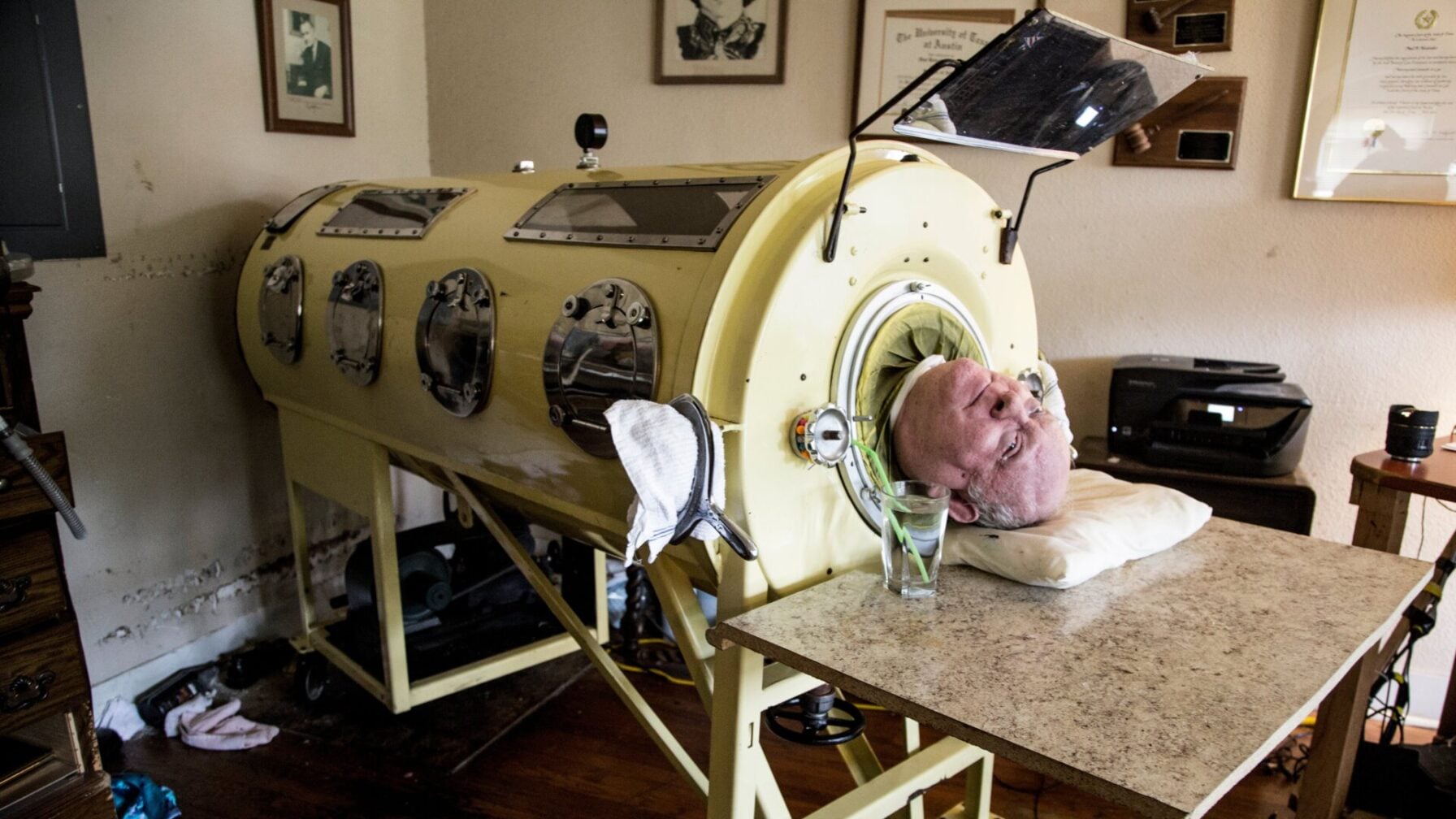
Paul Alexander, widely known as the "man in the iron lung," is no longer alive. He passed away on March 11, 2024, at the age of 78, after spending more than seven decades relying on a negative pressure ventilator. His death marked the end of an era for one of the most resilient survivors of the mid-20th-century polio epidemic.
Contents
The Life and Persistence of Paul Alexander
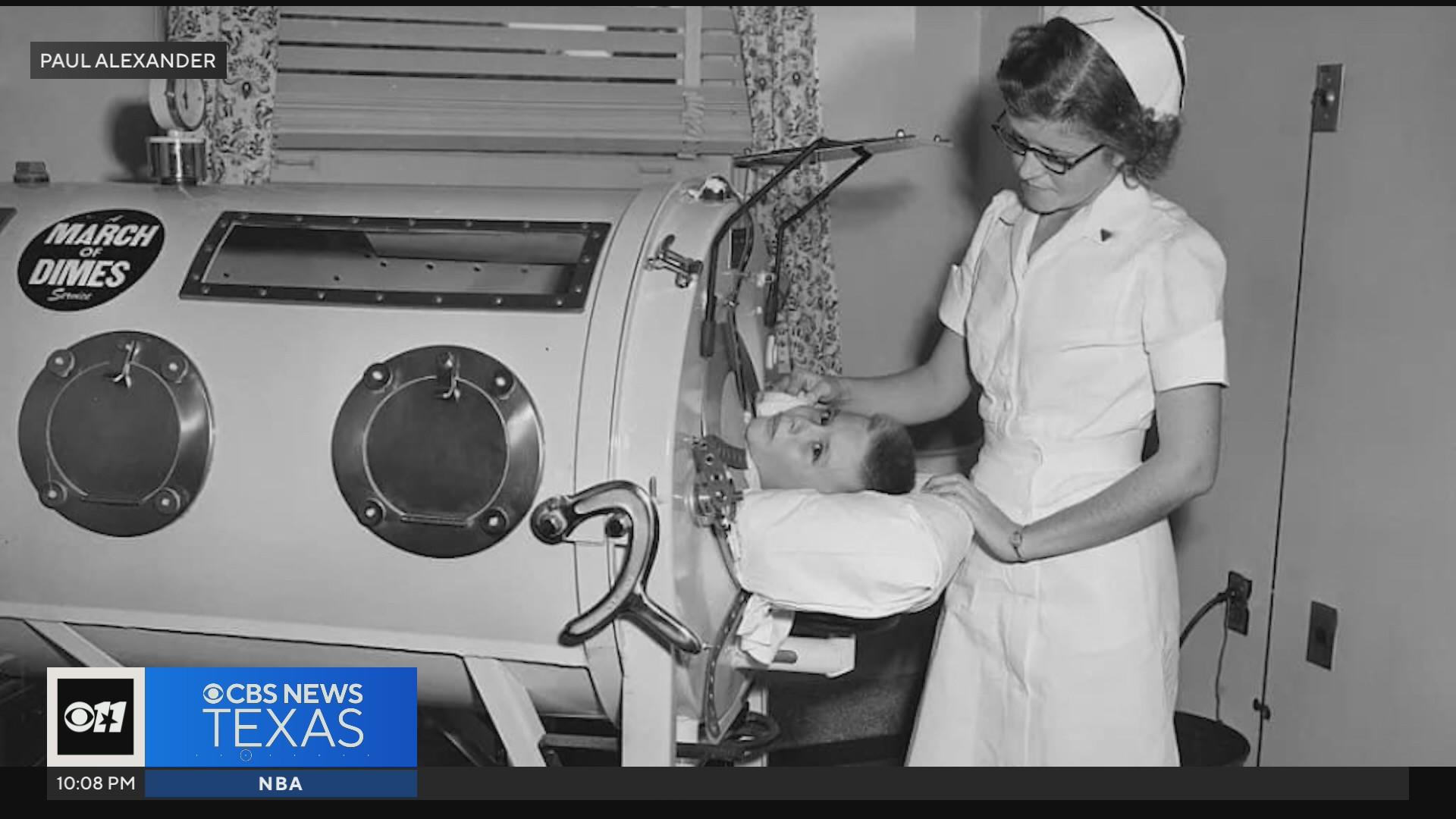
Paul Alexander’s journey began in 1952 in Dallas, Texas, during one of the worst polio outbreaks in United States history. At the age of six, he contracted the virus, which quickly paralyzed him from the neck down, leaving him unable to breathe on his own. Doctors performed an emergency tracheotomy and placed him inside an iron lung—a massive metal cylinder that would become his constant companion for the next 72 years.
While many polio survivors eventually transitioned to newer forms of respiratory support or regained enough strength to breathe independently, Paul remained largely dependent on the iron lung. His story gained international attention not just for the length of his survival, but for the extraordinary life he built while confined to a machine. By 2026, his legacy continues to serve as a cornerstone of medical history and disability advocacy, highlighting a period before the Salk and Sabin vaccines changed the world.
The 1952 Polio Epidemic Context
To understand why Paul Alexander lived the way he did, one must understand the environment of 1952. Polio was the most feared disease in America. It struck without warning, primarily affecting children, and could cause paralysis within hours. During that year alone, there were nearly 58,000 reported cases in the U.S. Hospitals were filled with rows of iron lungs, which were the only technology available to save those whose respiratory muscles had failed.
The Mechanics of the Iron Lung: How It Kept Him Alive
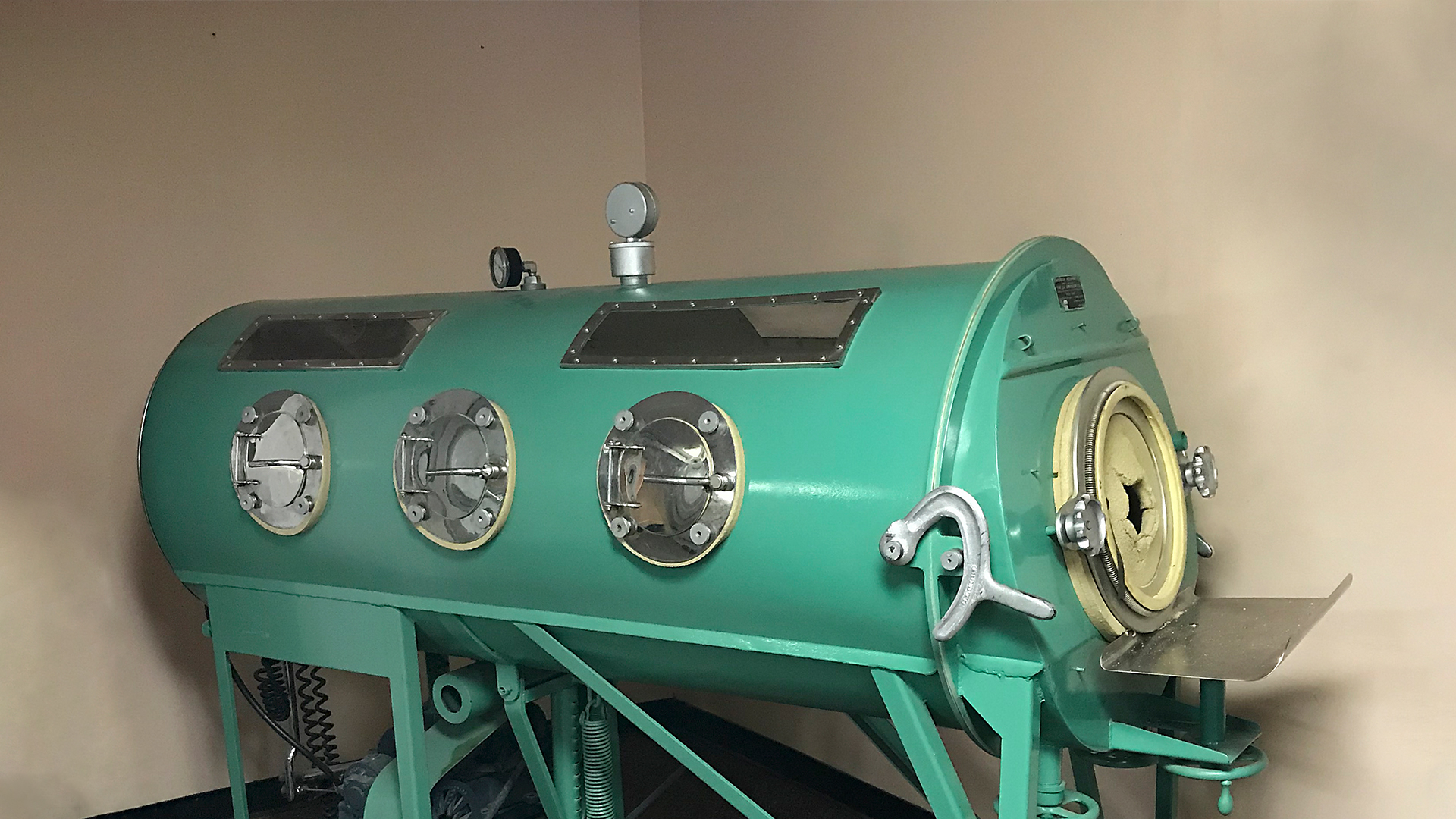
The iron lung, or negative pressure ventilator, is a mechanical relic by modern medical standards, yet for Paul, it was more effective than modern alternatives. The machine works by creating a vacuum inside the sealed cylinder. When the air is pumped out, the resulting low pressure causes the patient’s chest to expand, drawing air into the lungs. When air is pumped back into the cylinder, the pressure increases, forcing the chest to contract and the patient to exhale.
Unlike modern positive pressure ventilators, which force air directly into the lungs through a tube in the airway (intubation) or a mask (CPAP/BiPAP), the iron lung mimics the natural physiological process of breathing. Paul famously preferred the iron lung because it was less invasive and did not require a permanent opening in his throat in his later years, though he had a tracheotomy initially.
Glossopharyngeal Breathing: The "Frog Breathing" Technique
Paul Alexander was not strictly confined to the machine every second of the day. Through sheer willpower and physical therapy, he learned a technique called glossopharyngeal breathing, often referred to as "frog breathing." This involves using the muscles of the mouth and throat to swallow air into the lungs, one mouthful at a time.
This technique allowed him to spend several hours outside the iron lung. It was this skill that enabled him to attend university, practice law, and move about in a wheelchair for limited periods. However, during sleep and for much of his daily rest, he had to return to the machine, as "frog breathing" is a conscious, effortful process that cannot be maintained while unconscious.
Academic and Professional Achievements Against All Odds
Paul Alexander refused to let the iron lung define the limits of his intellect or his career. He was one of the first students to be homeschooled through the Dallas Independent School District using then-innovative methods. He eventually graduated from W.W. Samuell High School in 1967 as the first person to do so without physically attending classes.
His academic journey continued at Southern Methodist University and later the University of Texas at Austin. He faced significant barriers, including initial rejections from programs that doubted his ability to handle the rigors of higher education. In 1984, he earned his Juris Doctor (JD) degree, and in 1986, he passed the bar exam to become a licensed attorney.
For decades, Paul practiced law in Dallas and Fort Worth. He represented clients in court using a modified wheelchair that supported his body, relying on his "frog breathing" technique to speak and argue cases. His professional life was a defiance of the medical expectations of the 1950s, which often relegated polio survivors to institutional care.
| Feature | Detail |
|---|---|
| Full Name | Paul Richard Alexander |
| Birth Date | January 30, 1946 |
| Polio Onset | July 1952 |
| Duration in Iron Lung | 72 Years |
| Education | University of Texas at Austin (JD, 1984) |
| Occupation | Attorney, Author, Advocate |
| World Record | Guinness World Record for longest time in an iron lung |
| Date of Passing | March 11, 2024 |
The Challenges of Maintaining Aging Technology
One of the most difficult aspects of Paul’s later life was the maintenance of his iron lung. By the early 2000s, the companies that manufactured these machines had long since ceased production. Parts were no longer available, and hospital technicians were no longer trained to repair them.
In 2015, Paul faced a crisis when his machine began to leak air and lose pressure. After a YouTube appeal, a local engineer named Brady Richards found a replacement machine and refurbished it using custom-machined parts. This highlighted a significant issue for the very few remaining "iron lungers" in the world: they were living on a technological island, relying on the kindness of independent mechanics and hobbyists to keep their life-support systems operational.
The Passing of Paul Alexander in 2024
Paul Alexander passed away in a Dallas hospital in March 2024. While he had lived a long and full life, his health had become increasingly fragile. He had recently been hospitalized with a COVID-19 infection, which is particularly dangerous for individuals with compromised respiratory systems. Although he had been discharged, his brother Philip Alexander confirmed that he passed away shortly thereafter.
His death was reported globally, sparking a wave of tributes from the medical community and disability rights activists. He was remembered not as a "victim" of polio, but as a man who used his unique circumstances to demonstrate the potential of the human spirit. His autobiography, Three Minutes for a Dog: My Life in an Iron Lung, published in 2020, remains a primary source for understanding his daily life and the internal strength required to survive such a long period of confinement.
Are There Other Iron Lung Users Still Alive in 2026?
As of 2026, the number of people using iron lungs has dwindled to nearly zero. With Paul Alexander's passing in 2024, one of the last prominent users is Martha Lillard. Like Paul, Lillard contracted polio in the early 1950s and has spent her life utilizing an iron lung for respiratory support.
Most polio survivors who required long-term respiratory help have either passed away due to age-related complications or transitioned to modern portable ventilators. These modern devices use positive pressure and are much smaller, allowing for greater mobility. However, for a small handful of survivors, the transition to positive pressure was physically impossible due to the way their lungs and chest walls had molded to the negative pressure of the iron lung over many decades.
The Significance of Polio Vaccination
The story of the man in the iron lung serves as a powerful reminder of the importance of the polio vaccine. Before the introduction of Jonas Salk’s vaccine in 1955, polio was a constant threat. Today, polio is nearly eradicated worldwide, thanks to global vaccination efforts led by organizations like the World Health Organization (WHO) and Rotary International.
In 2026, cases of wild poliovirus are extremely rare and limited to very specific geographic regions. However, Paul Alexander’s life stands as a testament to what is at stake. The iron lung was a miracle of its time, but the true miracle was the science that ensured future generations would never need one.
Frequently Asked Questions
Why didn't Paul Alexander switch to a modern ventilator?
Paul Alexander spent some time with modern ventilators but found them less comfortable and less effective for his specific physiological needs. Over decades of use, his body had adapted to the negative pressure of the iron lung. Furthermore, he often stated that he was "used to" his machine and felt it was a part of him, preferring the non-invasive nature of the cylinder over the tubes required for modern positive-pressure systems.
How did Paul Alexander write his book?
Paul wrote his memoir, Three Minutes for a Dog: My Life in an Iron Lung, using a pen attached to a plastic stick held in his mouth. He would tap the keys on a keyboard or dictate to a friend. The process took him eight years to complete, reflecting his lifelong commitment to sharing his story and encouraging others.
Did the iron lung ever lose power?
Power outages were a life-threatening emergency for Paul. He often recounted stories of family members and nurses having to manually pump the iron lung using a hand crank during storms or grid failures. In later years, he had backup generators installed to ensure the machine would continue to function regardless of local power conditions.
Can you still buy an iron lung today?
No, iron lungs are no longer manufactured. The few that remain are either in private use by long-term survivors, held in medical museums, or kept as historical artifacts by organizations like the Smithsonian. Modern medicine uses intubation and portable ventilators, which are more efficient and allow for patient mobility.
What was the Guinness World Record Paul Alexander held?
Paul Alexander was officially recognized by Guinness World Records for the "longest time living in an iron lung." At the time of his death in 2024, he had survived for more than 70 years using the device, a feat of longevity that surpassed all previous medical expectations for polio survivors with total respiratory paralysis.
Final Status and Recommendation
In 2026, while Paul Alexander is no longer with us, his story remains a vital piece of medical and social history. For those looking to honor his legacy, the best course of action is to support global vaccination initiatives. Ensuring that polio remains a disease of the past is the ultimate tribute to those who, like Paul, lived their lives in the shadow of the iron lung. Readers interested in the history of medicine can find further information through the Centers for Disease Control and Prevention (CDC) or the Global Polio Eradication Initiative.
Image Gallery