How to Choose the Best SPF Sun Protection for Your Skin Type and Lifestyle
To choose the best SPF sun protection, select a product labeled Broad Spectrum with an SPF of 30 or higher. You must match the formulation—either mineral or chemical—to your specific skin sensitivity and activity level. Ensure the prod...
To choose the best SPF sun protection, select a product labeled Broad Spectrum with an SPF of 30 or higher. You must match the formulation—either mineral or chemical—to your specific skin sensitivity and activity level. Ensure the product is water-resistant if you plan to be outdoors or exercising.
Contents
The landscape of sun care in 2026 emphasizes not just the prevention of sunburn, but the holistic protection of the skin barrier against ultraviolet (UV) radiation, high-energy visible (HEV) light, and environmental pollutants. While the fundamental science of Sun Protection Factor (SPF) remains constant, the variety of delivery systems and ingredient technologies has expanded, making the selection process more nuanced than simply picking the highest number on the shelf. Understanding how these products interact with your biology and environment is essential for effective, long-term skin health.
Understanding the SPF Rating System and UV Radiation
The Sun Protection Factor (SPF) is a relative measure of how long a sunscreen will protect you from ultraviolet B (UVB) rays, the primary cause of reddening and sunburn. UVB rays damage the outermost layers of the skin and play a significant role in the development of skin cancer. To understand the math, if it typically takes your unprotected skin 10 minutes to begin burning, an SPF 30 sunscreen theoretically prevents reddening 30 times longer—approximately 300 minutes—provided it is applied perfectly and not rubbed or washed off.
However, SPF is not a linear scale of total protection. SPF 15 blocks approximately 93% of UVB rays, SPF 30 blocks 97%, and SPF 50 blocks about 98%. As of 2026, dermatologists generally recommend a minimum of SPF 30 for daily use. While SPF 100 exists, it only blocks 99% of UVB rays. This "diminishing return" means that a higher SPF does not grant a "pass" to stay in the sun all day without reapplication. The false sense of security provided by high SPF numbers often leads to inadequate application amounts, which is a leading cause of accidental sun damage.
Beyond UVB, you must ensure your selection is Broad Spectrum. This term signifies that the product has passed specific testing to prove it protects against ultraviolet A (UVA) rays as well. UVA rays have longer wavelengths that penetrate deeper into the dermis, causing genetic damage to cells, photoaging (wrinkles and sunspots), and contributing to skin cancer. In many international markets, you may see a PA rating (e.g., PA++++). This Japanese system measures Persistent Pigment Darkening and specifically quantifies UVA protection, with more plus signs indicating higher defense.
Mineral vs. Chemical Sunscreens: Selecting the Right Mechanism
Sunscreens are categorized into two primary types based on their active ingredients: mineral (physical) and chemical (organic). Choosing between them depends largely on your skin's reactivity and your aesthetic preferences regarding texture and "white cast."
Mineral Sunscreens (Physical Blockers)
Mineral sunscreens utilize active ingredients like zinc oxide and titanium dioxide. These minerals sit on top of the skin and primarily reflect or scatter UV radiation away from the body, though they also absorb a portion of the rays and convert them into heat.
- Pros: Mineral filters are generally considered non-irritating and are the gold standard for those with sensitive skin, rosacea, or eczema. They provide "instant" protection upon application, as they do not require a waiting period to become chemically active.
- Cons: Historically, mineral sunscreens were notorious for being thick, chalky, and leaving a white residue, especially on deeper skin tones. By 2026, micronized and "nano" versions of these minerals have significantly reduced this issue, though a slight tint is often still necessary for a truly invisible finish on melanin-rich skin.
Chemical Sunscreens (Organic Filters)
Chemical sunscreens use carbon-based compounds such as avobenzone, octisalate, and oxybenzone (though the latter has seen reduced use due to environmental and health debates). These ingredients work by absorbing UV rays, changing them into heat, and releasing that heat from the skin.
- Pros: These formulas are typically thinner, easier to spread, and transparent on the skin. They are often preferred for daily wear under makeup or for high-intensity athletics because they tend to be more "breathable" and resistant to sweat.
- Cons: Because the chemical reaction occurs within the skin, these products can sometimes cause irritation or allergic contact dermatitis in sensitive individuals. They also require about 15 to 20 minutes to "set" and become effective after application.
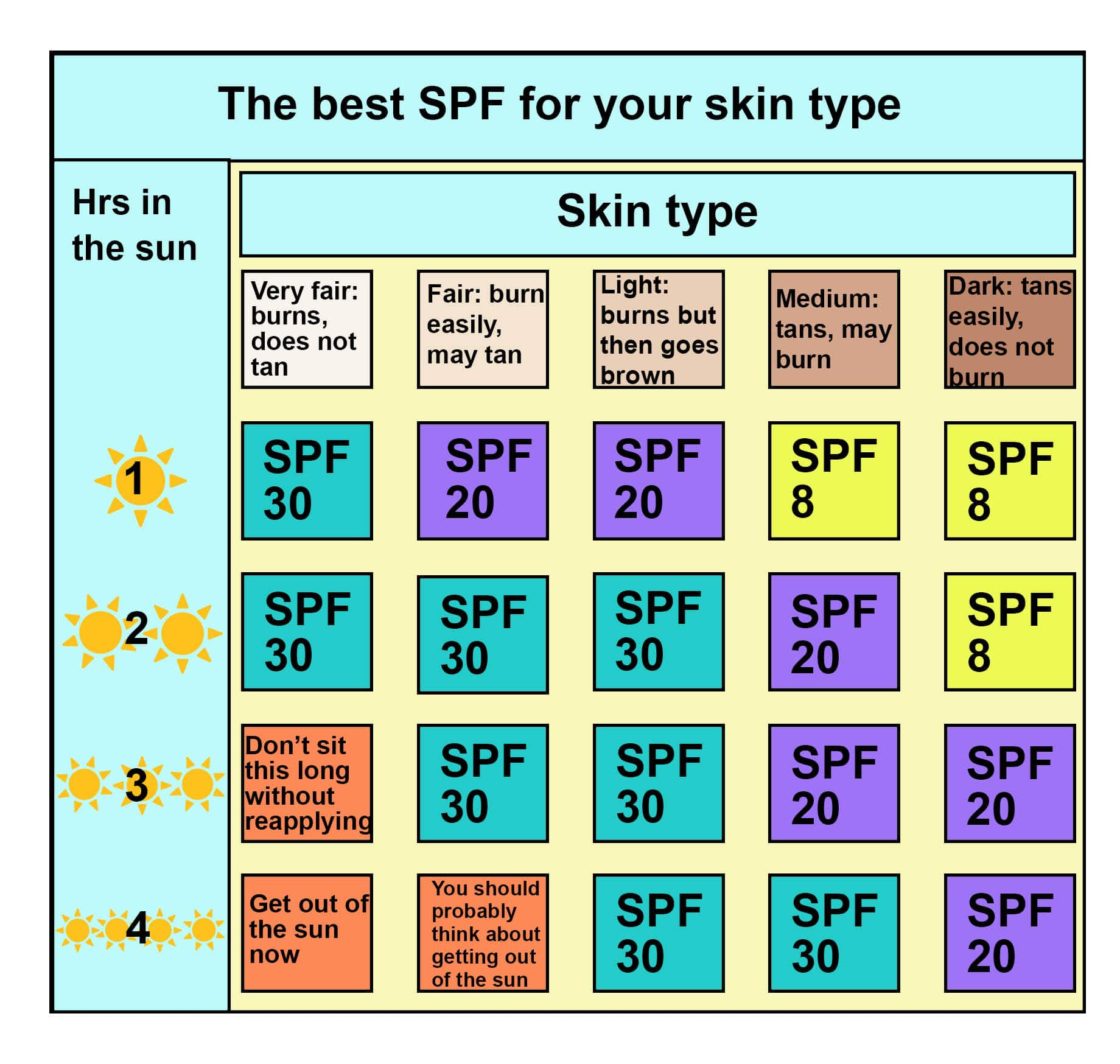
Matching SPF Protection to Your Skin Type
Selecting a sunscreen is as much about skin compatibility as it is about the SPF number. Using a product that causes breakouts or irritation will inevitably lead to inconsistent use, which defeats the purpose of sun protection.
Oily and Acne-Prone Skin
If you struggle with excess sebum or frequent breakouts, look for labels that state "non-comedogenic" or "oil-free." Gel-based sunscreens or those with a "matte" finish are ideal. Ingredients like silica or dimethicone can help absorb oil throughout the day. Chemical sunscreens are often favored here for their lightweight feel, but many modern mineral sunscreens now use specialized powders to provide a dry-touch finish.
Dry and Dehydrated Skin
For dry skin, your sunscreen should double as a moisturizer. Seek out formulations containing hyaluronic acid, ceramides, or glycerin. These humectants and emollients help bolster the skin barrier, which can become compromised by UV exposure. Cream-based sunscreens provide a protective layer that prevents transepidermal water loss while shielding the skin from the sun.
Sensitive and Reactive Skin
The American Academy of Dermatology (AAD) recommends mineral-based blockers for those with highly reactive skin. Fragrances, preservatives, and certain chemical filters are the most common culprits for irritation. If you have a history of skin allergies, look for "fragrance-free" (not just "unscented," which may contain masking fragrances) and "hypoallergenic" labels.
Darker Skin Tones
The primary challenge for people with darker skin tones is the "ashy" or "white cast" left by traditional mineral sunscreens. To combat this, look for tinted sunscreens that use iron oxides to match skin pigments. Not only do these provide a more aesthetic finish, but the iron oxides also offer additional protection against visible light, which is a known trigger for melasma and hyperpigmentation—conditions that disproportionately affect darker skin.
Comparison of Sunscreen Characteristics
| Feature | Mineral Sunscreen | Chemical Sunscreen | Hybrid Sunscreen |
|---|---|---|---|
| Active Ingredients | Zinc Oxide, Titanium Dioxide | Avobenzone, Octocrylene | Combination of both |
| Mechanism | Reflects and scatters UV | Absorbs and converts UV to heat | Dual-action absorption/reflection |
| Onset of Action | Immediate | 15–20 minutes | 15–20 minutes |
| Skin Sensitivity | Low (Good for sensitive skin) | Moderate (May cause stinging) | Variable |
| Texture | Thicker, can be "chalky" | Lightweight, transparent | Balanced, lotion-like |
| Water Resistance | Often high, but easy to rub off | Generally high and stable | High |
The "Two-Finger Rule" and Proper Application Techniques
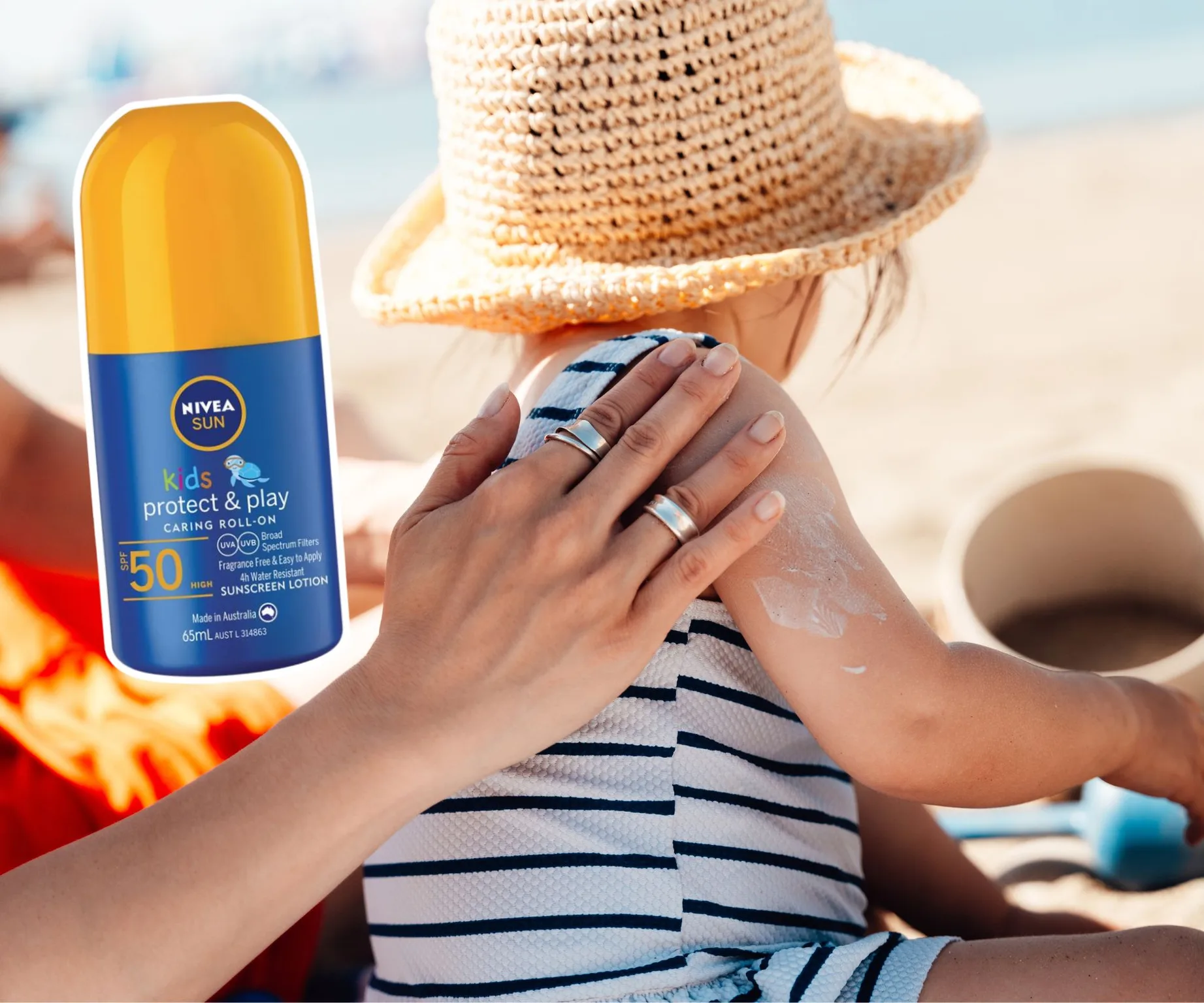
The most common failure in sun protection is not the product itself, but the application method. Most people apply only 25% to 50% of the recommended amount of sunscreen, which effectively reduces an SPF 50 product to an SPF of approximately 15.
The "Two-Finger Rule" is a practical guide for the face and neck: squeeze two strips of sunscreen along the length of your pointer and middle fingers. This represents the roughly 1/4 to 1/2 teaspoon required for adequate coverage of the head and neck area. For the entire body, an average-sized adult needs approximately one ounce—enough to fill a standard shot glass.
Reapplication is equally critical. Sunscreen filters break down over time when exposed to direct sunlight, and physical activity, sweating, or toweling off can remove the protective film. You must reapply at least every two hours, or every 40 to 80 minutes if you are swimming or sweating, depending on the "Water Resistant" rating on the bottle. According to the FDA, no sunscreen is "waterproof" or "sweatproof," and these terms are no longer allowed on labels to prevent consumer confusion.
Environmental and Safety Considerations in 2026
When choosing a sunscreen, environmental impact is a growing concern. Many coastal regions, including Hawaii and parts of the Caribbean, have banned the sale of sunscreens containing oxybenzone and octinoxate due to their potential link to coral bleaching. If you are traveling to these areas or are concerned about marine ecology, look for "Reef Safe" labels, which generally indicate a mineral-based formula without these specific chemical filters.
Additionally, pay attention to expiration dates. Most sunscreens are designed to remain at original strength for three years. If the product has been exposed to extreme heat (such as sitting in a hot car) or if the consistency or smell has changed, the active filters may have degraded, and the product should be replaced.
Frequently Asked Questions
Does the SPF in my makeup provide enough protection?
No, the SPF in foundation or tinted moisturizer is rarely enough because you do not apply it thick enough to reach the tested SPF rating. To get the stated protection from a makeup product, you would need to apply several times the normal amount. It is better to apply a dedicated sunscreen under your makeup or use a tinted sunscreen as your primary base.
Do I need to wear sunscreen indoors or on cloudy days?
Yes. UVA rays can penetrate glass windows and clouds. If you spend your day in a brightly lit office or near windows, your skin is still accumulating UVA damage. Up to 80% of the sun's UV rays can pass through clouds, meaning "incidental" exposure on overcast days can still lead to skin damage over time.
Is a spray sunscreen as effective as a lotion?
Spray sunscreens can be effective, but they are prone to uneven application and wind drift. To use them correctly, you should spray until the skin glistens and then rub it in with your hands to ensure uniform coverage. Avoid inhaling the spray by applying it to your hands first before putting it on your face.
Can I use my body sunscreen on my face?
Technically yes, as the UV filters are the same. However, body sunscreens are often thicker and may contain fragrances or oils that can clog facial pores or irritate the eyes. If you have acne-prone or sensitive skin, a formula specifically labeled for the face is usually a better investment.
What is the difference between Water Resistant (40 min) and (80 min)?
This rating indicates how long the SPF level remains effective while swimming or sweating. A 40-minute rating means you must reapply after 40 minutes of water exposure, whereas an 80-minute rating provides double that duration. Regardless of the rating, you must reapply immediately after towel-drying.
Practical Recommendation
For the highest level of protection, choose a Broad Spectrum SPF 50 that suits your skin type—mineral for sensitive skin and chemical for active or oily skin. Apply the full "two-finger" amount to your face and neck every morning, regardless of the weather. If you are outdoors, set a recurring timer on your phone for every two hours to remind yourself to reapply. Consistently following this regimen is the most effective way to prevent premature aging and significantly reduce your lifetime risk of skin cancer.
Image Gallery