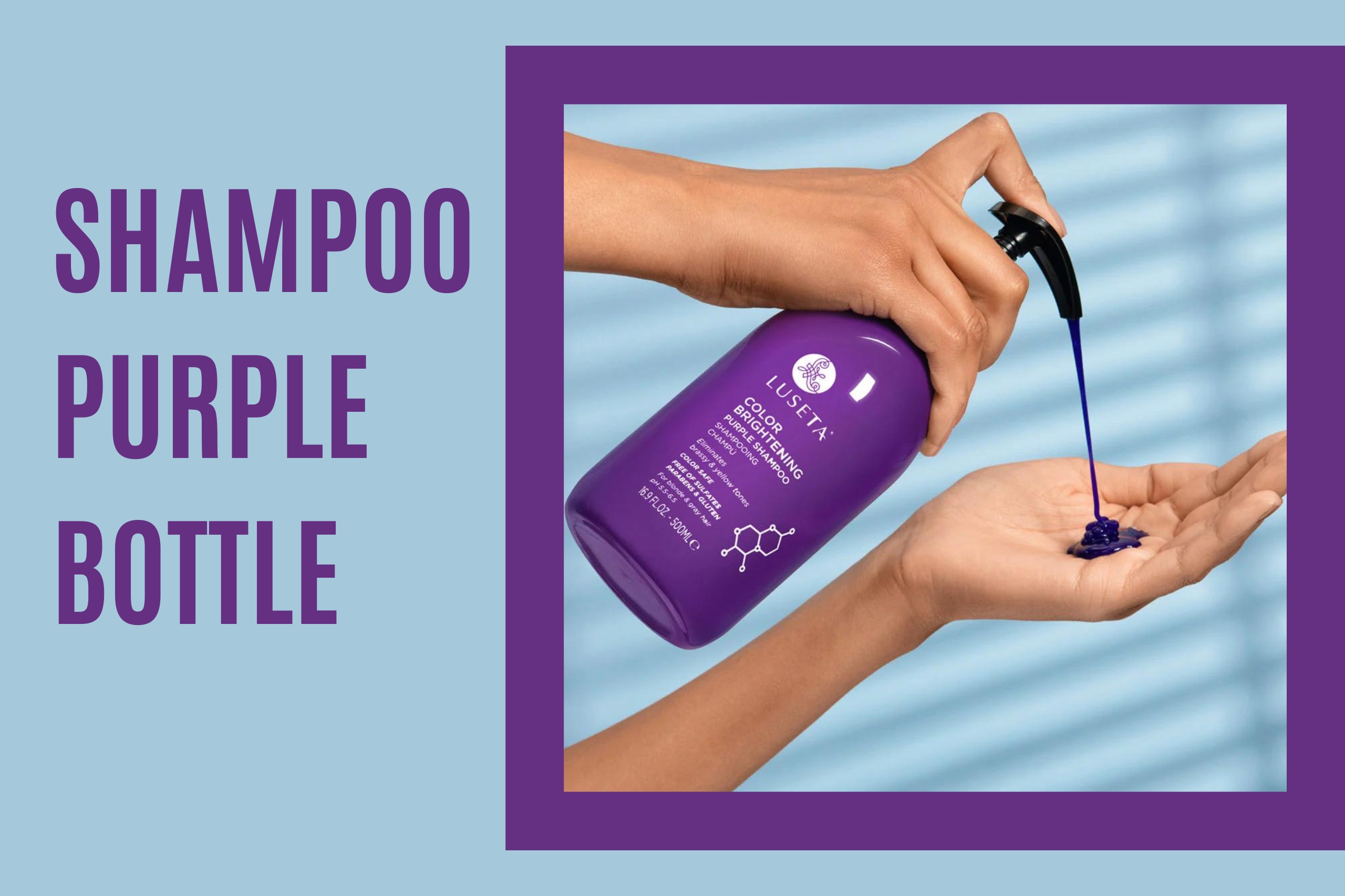
Salon Purple Shampoo Review 2026: Professional Solutions for Brassy Tones
Salon-grade purple shampoos are professional-strength color-correcting cleansers designed to neutralize unwanted yellow and warm tones in blonde, silver, or lightened hair. By depositing crushed violet pigments according to color theor...
Salon-grade purple shampoos are professional-strength color-correcting cleansers designed to neutralize unwanted yellow and warm tones in blonde, silver, or lightened hair. By depositing crushed violet pigments according to color theory principles, these formulas maintain "cool" reflects between salon appointments while providing high-end conditioning and structural repair.
Contents
Understanding the Chemistry of Salon-Grade Purple Shampoos
To understand why a salon purple shampoo is necessary, one must first look at the biology of hair lightening. When hair is bleached or lifted, the natural melanin is oxidized. For those with naturally dark hair, the underlying warm pigments—specifically pheomelanin—are the most difficult to remove. This often results in a "brassy" or yellow appearance as the initial salon toner begins to wash away.
Purple sits directly opposite yellow on the color wheel. In the world of trichology and cosmetic chemistry, this means they are complementary colors that cancel each other out. Salon formulations in 2026 utilize sophisticated delivery systems to ensure these pigments adhere to the hair shaft without causing the patchiness or over-toning often seen with lower-quality products.
The primary difference between a professional salon product and a mass-market alternative lies in the pigment density and the surfactant system. Professional brands typically use a higher concentration of Acid Violet 43 or similar high-intensity pigments. Furthermore, while drugstore options often rely on harsh sulfates to cleanse, salon versions utilize gentle, color-safe surfactants that preserve the integrity of the hair's lipid layer.
Top Salon Purple Shampoos Evaluated
In 2026, the market for professional toning shampoos has bifurcated into two main categories: those focused on pure pigment deposition and those that combine toning with intensive bond repair. Below is a detailed review of the leading professional options currently used by stylists.
Olaplex No. 4P Blonde Enhancer Toning Shampoo
Olaplex has long been the industry standard for bond repair, and the No. 4P remains a top-tier choice for those with significant chemical damage. This formula is highly concentrated, meaning a little goes a long way.
- The Technology: It incorporates the patented Bis-Aminopropyl Diglycol Dimaleate, which seeks out broken disulfide bonds in the hair structure.
- Performance: Unlike many purple shampoos that can leave hair feeling "straw-like," the No. 4P maintains a moisture balance. However, its pigment load is exceptionally high. If left on for more than the recommended three minutes, it can result in a visible lilac tint on high-porosity hair.
- Suitability: Ideal for "platinum" blondes or those with level 9+ highlights who require structural reinforcement alongside toning.
Redken Color Extend Blondage
Redken’s entry into the professional toning space focuses heavily on protein. It is a favorite among stylists for clients who have fine hair that lacks volume or strength.
- The Technology: It features a Triple Acid Protein complex (citric acid, maleic acid, and amino acids). This acidic pH formula helps to seal the cuticle immediately after use, locking in the violet pigments and increasing shine.
- Performance: This shampoo provides a very "clean" cool tone. It is particularly effective at removing the stubborn "egg-yolk" yellow that appears in medium-blonde shades (Levels 7-8).
- Suitability: Best for those who need a balance of toning and strengthening, particularly if the hair feels "mushy" when wet.
Kérastase Blond Absolu Bain Ultra-Violet
Kérastase remains the pinnacle of luxury hair care, and the Bain Ultra-Violet is frequently cited in salon reviews for its cosmetic elegance and scent profile.
- The Technology: This formula utilizes Hyaluronic Acid and Edelweiss flower extract. Hyaluronic acid acts as a humectant, pulling moisture into the hair fiber, while Edelweiss provides antioxidant protection against environmental pollutants.
- Performance: The toning is more "luminous" than aggressive. It creates a shimmering, cool-toned finish rather than a flat, matte gray. It is notably the least drying of the professional options.
- Suitability: Best for silver hair, graying hair, or sensitized blondes who prioritize hydration and scalp comfort over heavy pigment deposition.
Amika Bust Your Brass
Amika has gained significant ground in the professional space by focusing on "clean" ingredients without sacrificing performance.
- The Technology: It uses a combination of bond-cure technology, sea buckthorn berry (rich in Omega-7), and vegan proteins.
- Performance: It offers a mid-range pigment level that is very "forgiving." It is harder to over-tone with this product, making it an excellent recommendation for clients who are new to at-home toning.
- Suitability: Excellent for vegan consumers and those who want a daily-use (or frequent-use) option that won't result in "purple staining."
Technical Comparison of Professional Formulations
The following table compares the key metrics of the most popular salon purple shampoos available in 2026.
| Product Name | Primary Benefit | Pigment Intensity | Recommended Frequency | Key Ingredient |
|---|---|---|---|---|
| Olaplex No. 4P | Bond Repair | Very High | 1–2 times per week | Bis-Aminopropyl Diglycol Dimaleate |
| Redken Blondage | Strengthening | High | 2 times per week | Triple Acid Protein Complex |
| Kérastase Bain UV | Hydration/Shine | Moderate | 2–3 times per week | Hyaluronic Acid & Edelweiss |
| Amika Bust Your Brass | Nutrient Density | Moderate | 2–3 times per week | Sea Buckthorn Berry |
| Pureology Strength Cure | Color Protection | Moderate | 3 times per week | Keravis & Astaxanthin |
Application Guidelines and Professional Techniques
Using a salon-quality purple shampoo requires a different technique than standard cleansing. Because the pigment is so concentrated, improper application can lead to uneven results or "hot spots" (areas where the purple is too intense).
- The Preliminary Wash: Always perform a first wash with a clarifying or regular color-safe shampoo. This removes sebum and styling product buildup, ensuring the purple pigments can adhere directly to the hair fiber.
- Emulsification: Professional shampoos are dense. Emulsify the product in your hands with a small amount of water before applying it to the hair. This prevents a "blob" of purple from hitting one section of the hair and staining it.
- Sectional Application: Apply starting at the areas that are most brassy—usually the mid-lengths and ends. Avoid the scalp if you have very oily hair, as some toning shampoos can be heavy.
- The "Timing" Window:
- 1–2 minutes: For subtle maintenance of cool tones.
- 3–5 minutes: For active neutralization of visible yellow.
- 10+ minutes: Not recommended for most salon brands unless specifically instructed by a stylist, as this can lead to "over-toning" or a muddy appearance.
- Post-Toning Care: Always follow with a high-quality conditioner or mask. Toning shampoos have a slightly higher pH to open the cuticle and deposit pigment; a conditioner is necessary to close that cuticle back down and lock the color in.
Common Mistakes and Troubleshooting
Even with high-end products, users often encounter issues. One of the most frequent mistakes is over-use. Purple shampoo is not a replacement for a daily shampoo. Using it too often leads to "purple buildup," which actually makes blonde hair look darker and duller. In the industry, this is known as "over-toning," where the hair loses its reflective quality.
Another issue is hair porosity. If the hair is highly porous (damaged from heat or over-processing), it will suck up the purple pigment instantly. If you notice your ends turning purple while your roots remain yellow, you should apply a regular conditioner to the ends before using the purple shampoo to act as a buffer.
For those seeing no results, the issue might be the level of lightness. Purple shampoo only works on yellow tones (Level 8–10 blonde). If the hair is orange or reddish (Level 6–7), a blue shampoo is required instead. Purple is not strong enough to neutralize orange.
Salon vs. Drugstore: Is the Investment Worth It?
The price discrepancy between a $10 drugstore bottle and a $40 salon bottle is often a point of contention. However, the value lies in the concentration. A salon-grade shampoo like Olaplex or Kérastase typically lasts three to four times longer because the pigment density is so high that only a nickel-sized amount is needed.
Furthermore, cheaper alternatives often use metallic salts or lower-grade dyes that can interfere with professional chemical services. If a client uses a low-quality purple shampoo and then returns to the salon for highlights, the bleach can react with the residual pigments in the hair, causing heat or uneven lifting. Professional products are formulated to be compatible with salon chemical lines, ensuring a safer coloring process.
For more information on the safety of cosmetic dyes and pigments, the Professional Beauty Association provides guidelines on product standards and professional use. Additionally, studies published by the Society of Cosmetic Chemists detail how different surfactants impact the longevity of color-treated hair.
Frequently Asked Questions
Can I use salon purple shampoo on brown hair?
You can use it on brown hair if the hair has blonde highlights or "balayage" that has turned yellow. However, it will have no effect on dark brown hair. If your brown hair is looking "orangey" or red, you should use a blue or green toning shampoo, respectively, as purple pigments are insufficient for neutralizing darker warm tones.
Will purple shampoo lighten my hair?
No, purple shampoo does not contain bleach or lighteners. It is a deposit-only product. It changes the tone of the hair from warm to cool, which often makes it look brighter or lighter to the eye, but the actual level of the hair remains the same.
Why did my hair turn purple after using a salon shampoo?
This usually happens if the hair is very porous or if the product was left on for too long. If this occurs, wash your hair with a clarifying shampoo once or twice to strip the excess pigment. In the future, mix the purple shampoo with your regular shampoo to dilute the intensity.
Is it safe to use purple shampoo every day?
It is not recommended. Daily use can lead to pigment buildup, making hair look dull, gray, or slightly purple. Most stylists recommend using it once or twice a week, or whenever you notice brassiness beginning to return.
Can I apply purple shampoo to dry hair?
Some people apply it to dry hair for "maximum" toning, but this is risky with salon-grade products because they are so concentrated. Applying to dry hair can result in very uneven, patchy results. It is always safer to apply to damp, evenly towel-dried hair.
Recommendation for 2026
When choosing a salon purple shampoo in 2026, the best "all-rounder" remains the Redken Color Extend Blondage due to its balance of high-intensity pigment and strengthening proteins. However, if your hair is severely damaged, the Olaplex No. 4P is the superior choice for its reparative properties. For those with gray or silver hair who want to avoid a "flat" look, the Kérastase Blond Absolu provides the most luxurious and luminous finish. Always consult with your stylist to determine your hair's porosity before starting a high-intensity toning regimen.
Image Gallery