Understanding the FMP API for Satellite Services
The FMP API (Fleet Management Portal API) is a specialized programmatic interface used by enterprise organizations to automate the management, monitoring, and provisioning of satellite connectivity services. In 2026, it serves as the p...
The FMP API (Fleet Management Portal API) is a specialized programmatic interface used by enterprise organizations to automate the management, monitoring, and provisioning of satellite connectivity services. In 2026, it serves as the primary bridge between internal corporate systems (like ERPs or custom dashboards) and global satellite networks, allowing for real-time control over bandwidth, terminal status, and data consumption.
Contents
What is the FMP API in the Satellite Industry?
In the context of satellite services, the FMP API refers to the Fleet Management Portal application programming interface. While the acronym "FMP" is sometimes associated with financial data providers, its application within the satellite sector is strictly focused on fleet-wide connectivity management. As satellite constellations—particularly those in Low Earth Orbit (LEO) and Medium Earth Orbit (MEO)—have grown in complexity, manual portal management is no longer sufficient for organizations operating hundreds or thousands of remote terminals.
The FMP API allows developers to integrate satellite service management directly into their own software environments. This is particularly critical for sectors like maritime shipping, remote mining, and international NGOs, where connectivity must be adjusted dynamically based on location, mission priority, or budget constraints. By 2026, the FMP API has evolved to support Multi-Orbit (MO) strategies, enabling a single interface to manage assets transitioning between Geostationary (GEO) and LEO networks.
The Shift to Software-Defined Connectivity
Historically, satellite services were "bent-pipe" systems with fixed configurations. Today, the industry has moved toward software-defined networking (SDN). The FMP API is the tool that makes this flexibility accessible. Instead of calling a service provider to increase bandwidth for a specific vessel or remote site, an automated script can trigger an API call to reallocate throughput instantly. This responsiveness is the cornerstone of modern satellite service level agreements (SLAs).
Core Functionality and Technical Architecture
The FMP API is typically built on a RESTful architecture, utilizing standard HTTP methods (GET, POST, PUT, DELETE) and returning data in JSON format. This ensures compatibility with almost any modern programming language, from Python and JavaScript to Go and C#.
Real-Time Monitoring and Telemetry
One of the primary uses of the FMP API is the retrieval of real-time telemetry from remote terminals (VSAT, Starlink, or Iridium Certus). Developers can pull metrics such as:
- Signal-to-Noise Ratio (SNR): To determine the health of the link.
- Packet Loss and Latency: Critical for troubleshooting VoIP or video conferencing issues in remote areas.
- GPS Coordinates: To track the movement of mobile assets like ships or aircraft.
- Beam Handover Status: Especially relevant for LEO networks where terminals frequently switch between satellites.
Automated Provisioning and Lifecycle Management
The API eliminates the need for manual intervention during the deployment of new hardware. Using the /terminals/activate or /subscriptions/modify endpoints, organizations can:
- Activate SIM cards or terminals as soon as they are installed in the field.
- Upgrade or downgrade data plans on the fly to meet fluctuating demand.
- Suspend services for seasonal assets (e.g., cruise ships in the off-season) to eliminate unnecessary costs.
Geofencing and Alerting
By integrating the FMP API with geographic data, enterprises can implement automated geofencing. For example, a satellite terminal can be programmed to automatically switch to a more restrictive data profile when entering a high-cost region or a territory with specific regulatory constraints. The API can also push webhooks to the client’s server when specific thresholds (such as 80% data usage) are reached.
Technical Implementation and Integration Steps
Implementing the FMP API requires a structured approach to ensure security and operational reliability. In the current 2026 landscape, most major providers follow a standardized integration pipeline.
Step 1: Authentication and Security
Security is paramount because the FMP API controls high-cost industrial assets. Most providers utilize OAuth 2.0 or OpenID Connect (OIDC) for authentication.
- API Keys: Used for simple identification of the calling application.
- Bearer Tokens: Short-lived tokens generated via a secure handshake, used for individual requests.
- IP Whitelisting: Many satellite providers require that API calls originate from specific, pre-approved enterprise IP addresses.
Step 2: Environment Selection
Providers typically offer a Sandbox (UAT) environment and a Production environment. Developers must first test their scripts in the sandbox to ensure that calls like /service/suspend do not accidentally cut off live mission-critical communications.
Step 3: Handling Rate Limits
To maintain platform stability, FMP APIs impose rate limits (e.g., 5,000 requests per hour). Efficient implementations use caching strategies for static data (like terminal hardware IDs) and only call the API for dynamic data (like current throughput).
Step 4: Webhook Configuration
Rather than constantly "polling" the API for changes, developers should configure webhooks. This allows the FMP server to "push" notifications to the user's system only when an event occurs, such as a terminal going offline or a data limit being exceeded.
Comparing FMP API Capabilities
The following table outlines the differences between manual portal management and API-driven management for satellite services.
| Feature | Manual Fleet Portal | FMP API Integration |
|---|---|---|
| Scalability | Limited to human capacity; difficult for 100+ assets. | Infinite scalability; handles thousands of assets via script. |
| Response Time | Minutes to hours (depending on staff availability). | Milliseconds (automated response). |
| Error Potential | High (manual data entry errors). | Low (standardized programmatic logic). |
| Data Visibility | Periodic check-ins required. | Real-time streaming via webhooks and telemetry. |
| Cost Management | Reactive (noticing overages after they happen). | Proactive (automated throttling based on real-time usage). |
| System Interop | Siloed; data must be exported to Excel/CSV. | Native; data flows directly into ERP/CRM systems. |
Security and Compliance Standards
In 2026, satellite services are considered critical infrastructure. Consequently, the FMP API must adhere to rigorous security standards.
- Encryption: All data in transit must be protected by TLS 1.3 or higher.
- Audit Logging: Every API call is logged, providing a permanent record of who changed which service and when. This is essential for compliance with maritime and aviation safety regulations.
- Role-Based Access Control (RBAC): The API allows for granular permissions. For example, a junior analyst might have "read-only" access to telemetry, while only a senior engineer can "write" changes to the satellite beam configuration.
For further information on international standards for satellite communication interfaces, refer to the International Telecommunication Union (ITU) or the European Telecommunications Standards Institute (ETSI).
Troubleshooting Common FMP API Issues
Even with a robust implementation, developers may encounter challenges unique to the satellite environment.
- Latency Spikes: Because the API often interacts with physical hardware in orbit, response times for "write" operations (like changing a transponder setting) may be slower than typical web APIs. Developers should implement asynchronous processing for these calls.
- Stale Telemetry: If a remote terminal loses line-of-sight to the satellite, the API will return the "last known good" data. It is vital to check the
timestampfield in the JSON response to ensure data is current. - Authentication Failures: Often caused by expired tokens or clock-drift between the client server and the API gateway. Using a standard Network Time Protocol (NTP) service is a prerequisite for reliable API interaction.
Frequently Asked Questions
Is the FMP API the same as the Financial Modeling Prep API?
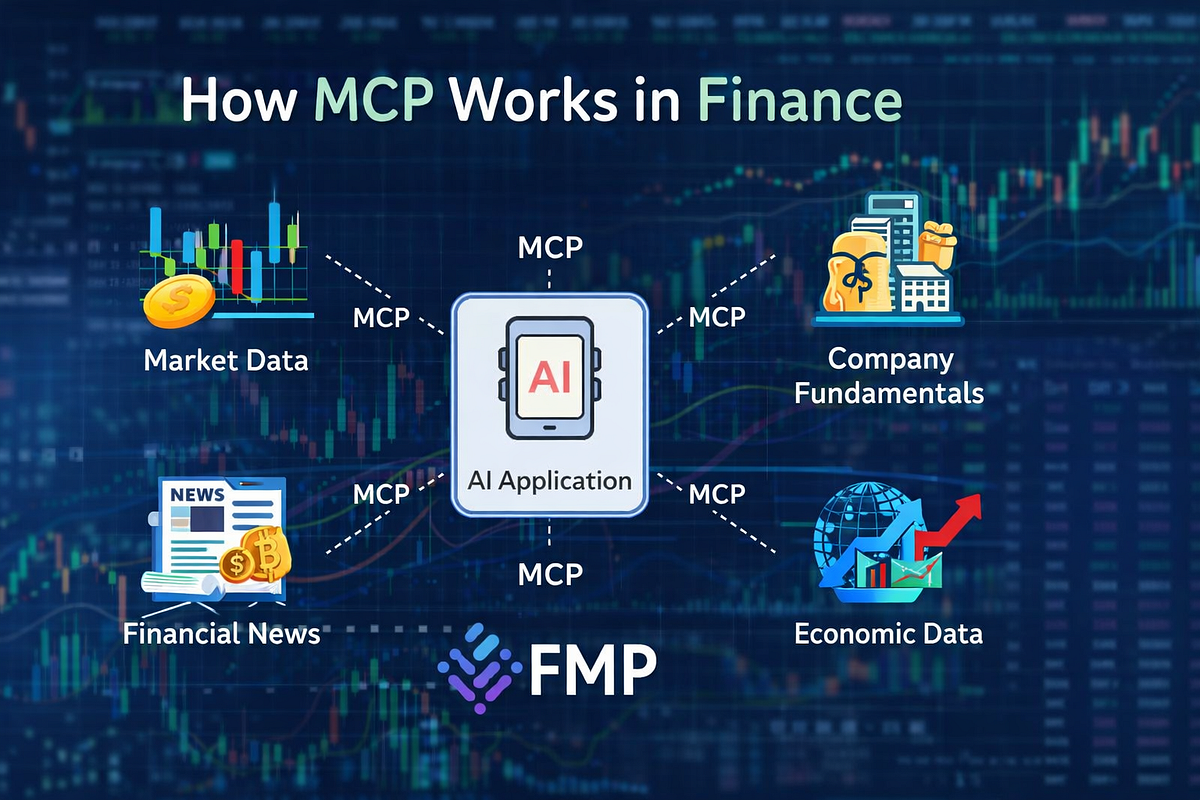
No. While they share the "FMP" acronym, the Fleet Management Portal (FMP) API is a specialized tool for satellite connectivity management. The Financial Modeling Prep API provides stock market and financial statement data. If you are working in the aerospace industry, ensure you are using the documentation provided by your satellite network operator (e.g., Viasat, Marlink, or SES).
What programming languages are best for the FMP API?
Since the API is REST-based, you can use any language. However, Python is the industry standard for satellite telemetry analysis due to its robust data libraries (like Pandas and NumPy). Go is increasingly popular for high-concurrency applications where thousands of terminals are being monitored simultaneously.
Does the FMP API work with Starlink or Kuiper?
By 2026, most major LEO constellations have released their own FMP-compatible APIs or allow third-party aggregators to manage their services via a unified FMP interface. This allows enterprises to manage Starlink, OneWeb, and traditional GEO services within a single dashboard.
How much does it cost to access the FMP API?
Access to the API is usually included in Enterprise-tier satellite service contracts. While there is often no direct "per-call" fee, providers may charge based on the number of "Managed Assets" (terminals) or require a minimum monthly spend on data services to unlock full API capabilities.
Can I control satellite hardware directly through the API?
Generally, no. For safety and security reasons, the FMP API interacts with the Service Management Layer. It allows you to change software settings, data plans, and routing logic, but it does not allow you to move the physical satellite or alter its orbital parameters, which are managed by the satellite operator's Ground Control Station (GCS).
Final Recommendations for Implementation
To successfully leverage the FMP API for satellite services, organizations should prioritize automation over manual intervention. Start by migrating your monitoring and alerting systems to the API to gain immediate visibility into your fleet's health. Once telemetry is stable, move toward automated provisioning and cost-control measures.
Always maintain a strict separation between your development and production environments, and ensure your security team reviews all API integrations to prevent unauthorized access to your remote communication links. As satellite networks continue to integrate with 5G and 6G terrestrial systems, the FMP API will remain the critical point of control for the global hybrid network.
Image Gallery