The Meaning of the Guatemala Flag Explained: Symbolism, History, and Design
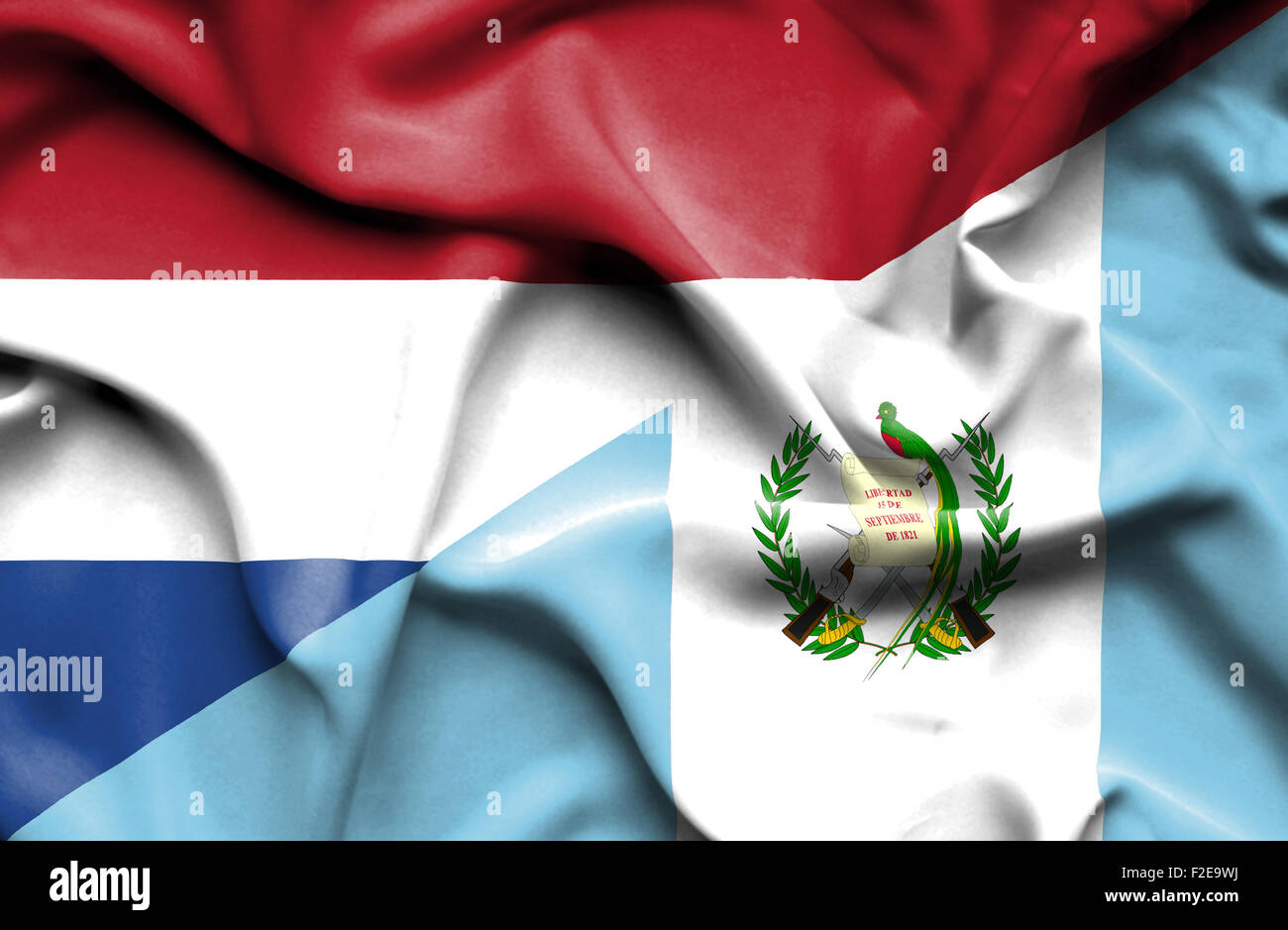
The Guatemala flag, often referred to as the Pabellón Nacional, is a vertical triband featuring two sky-blue stripes and a central white stripe containing the nation's coat of arms. The blue represents the Pacific and Atlantic oceans t...
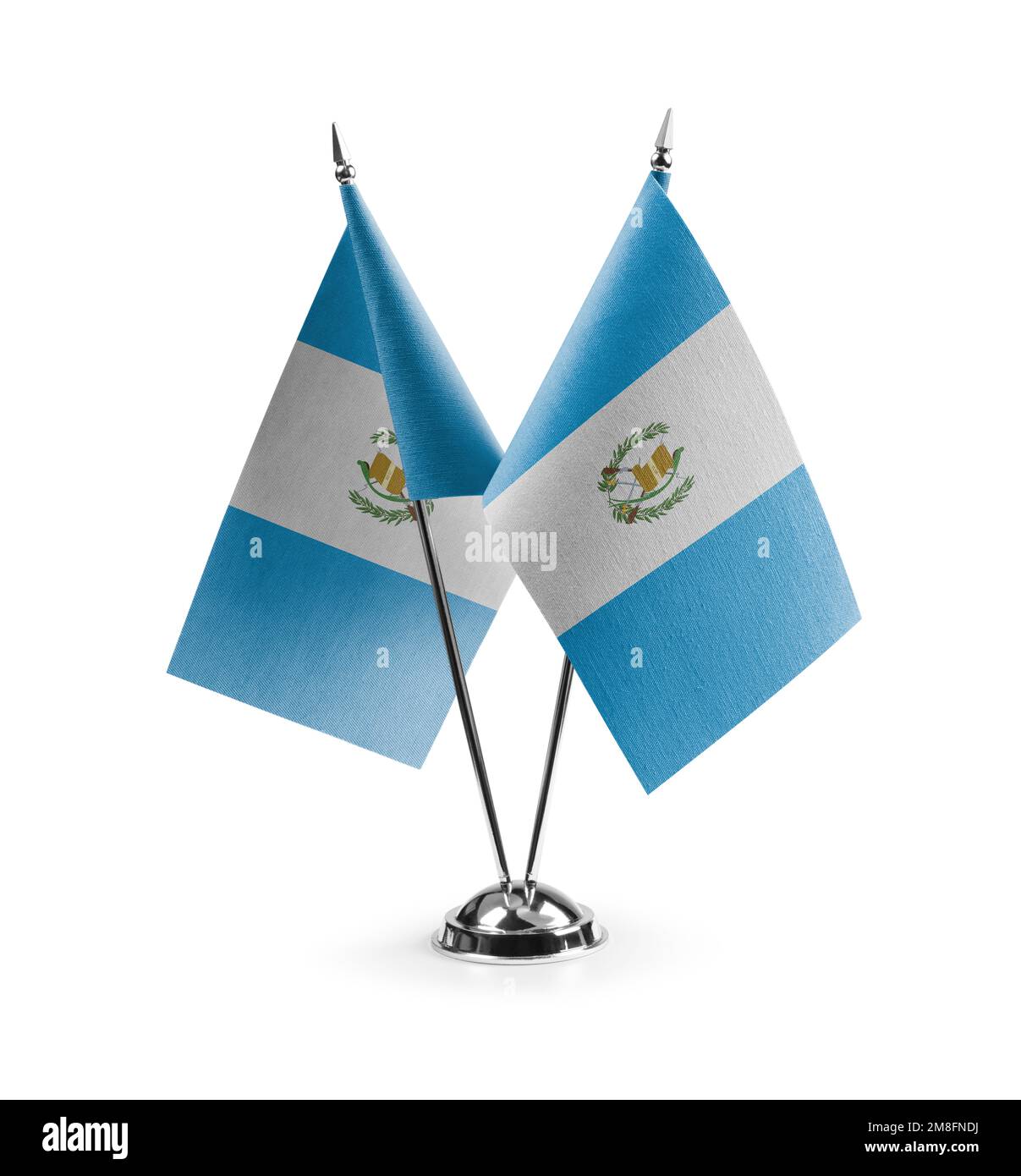
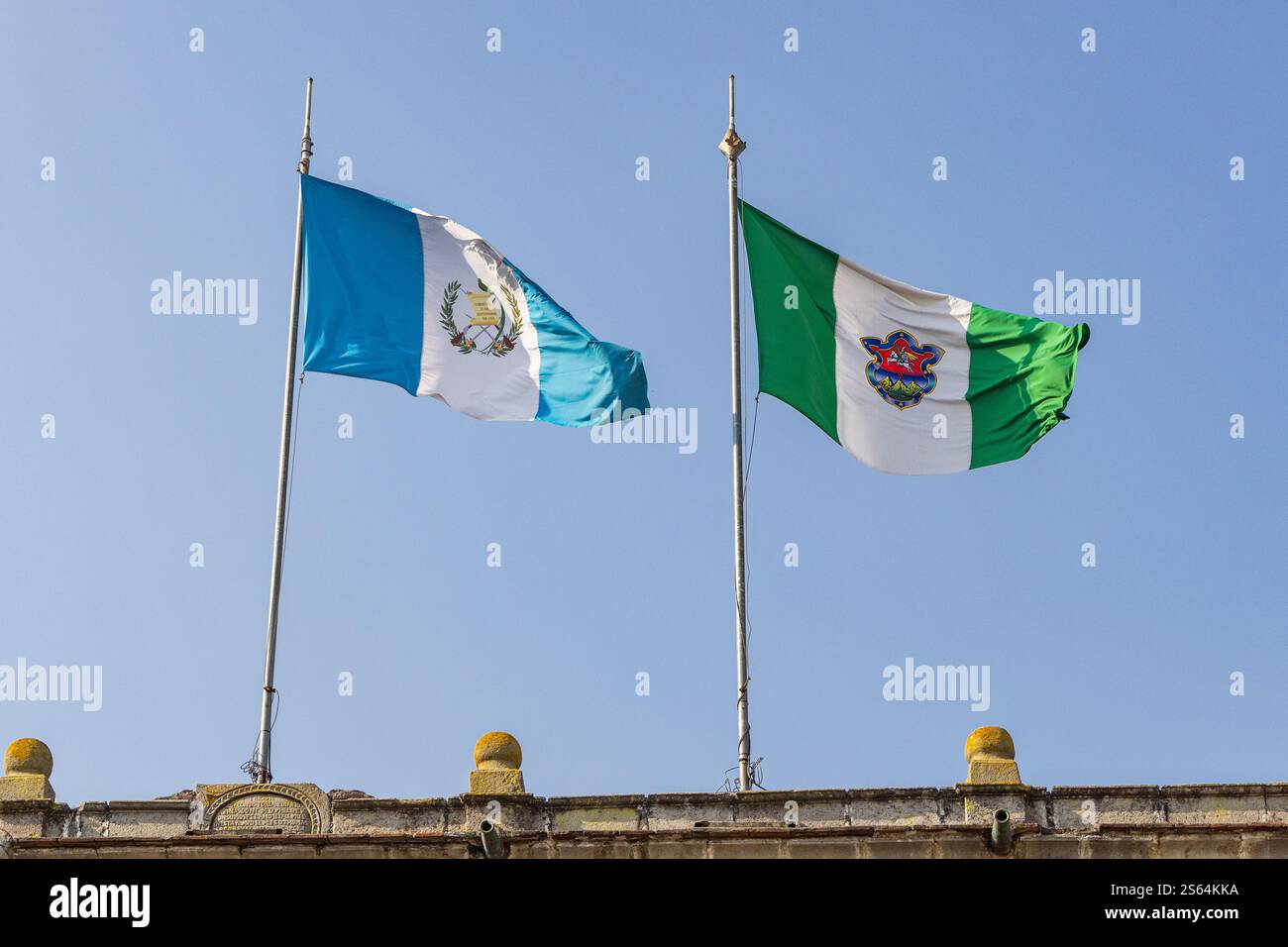
The Guatemala flag, often referred to as the Pabellón Nacional, is a vertical triband featuring two sky-blue stripes and a central white stripe containing the nation's coat of arms. The blue represents the Pacific and Atlantic oceans that border the country, while the white symbolizes purity and peace. In the center, the Resplendent Quetzal bird sits atop a parchment, signifying liberty and the date of independence.
Contents
Historical Origins: From Central American Federation to Sovereign Identity
To understand the meaning of the Guatemala flag explained in a modern context, one must look back at the dissolution of the Federal Republic of Central America. Originally, Guatemala utilized the horizontal blue-white-blue design common to the United Provinces of Central America, a motif inspired by the flag of Argentina. This horizontal layout is still visible today in the flags of neighboring nations like Honduras, El Salvador, and Nicaragua.
The shift to the vertical orientation occurred on August 17, 1871, during the administration of President Miguel García Granados. This change was not merely aesthetic; it was a powerful political statement. By rotating the stripes from horizontal to vertical, the Liberal Revolution leaders sought to distinguish Guatemala from its neighbors and signal a new era of governance and sovereign identity.
Before this 1871 decree, the flag underwent several iterations under different regimes. During the mid-19th century, under conservative leadership, the flag actually incorporated red and yellow—colors associated with the Spanish flag—to show ties to the old colonial power. The 1871 restoration of the blue and white colors was a return to the original republican ideals of the 1821 independence movement, albeit with the unique vertical twist that remains the standard in 2026.
The Symbolism of the Sky Blue and White Colors
The colors of the Guatemalan flag are legally defined and carry heavy symbolic weight. While many people describe the stripes as "blue," the specific shade is often referred to as Celeste (sky blue).
The Sky Blue (Celeste) Stripes
The two vertical sky-blue stripes on the hoist and fly sides of the flag represent the geographic positioning of the country. Guatemala is famously situated between two massive bodies of water: the Pacific Ocean and the Atlantic Ocean (via the Caribbean Sea).
Beyond geography, the blue symbolizes the vast sky over the nation. In vexillology (the study of flags), this specific shade of blue is also associated with:
- Justice: The commitment to a fair and equitable legal system.
- Loyalty: The devotion of the citizens to their homeland.
- Vigilance: The readiness of the nation to protect its borders and its people.
The White Stripe
The central white stripe serves as a canvas for the national emblem, but the color itself is deeply significant. White represents the purity of the nation’s ideals and the peace that the country strives to maintain. It is also interpreted as a symbol of integrity and the brightness of the nation's future. The placement of the white between the two blue stripes suggests that the peace and purity of the Guatemalan heartland are protected by the strength of the surrounding seas and the heavens above.
Breaking Down the National Emblem (Escudo de Armas)
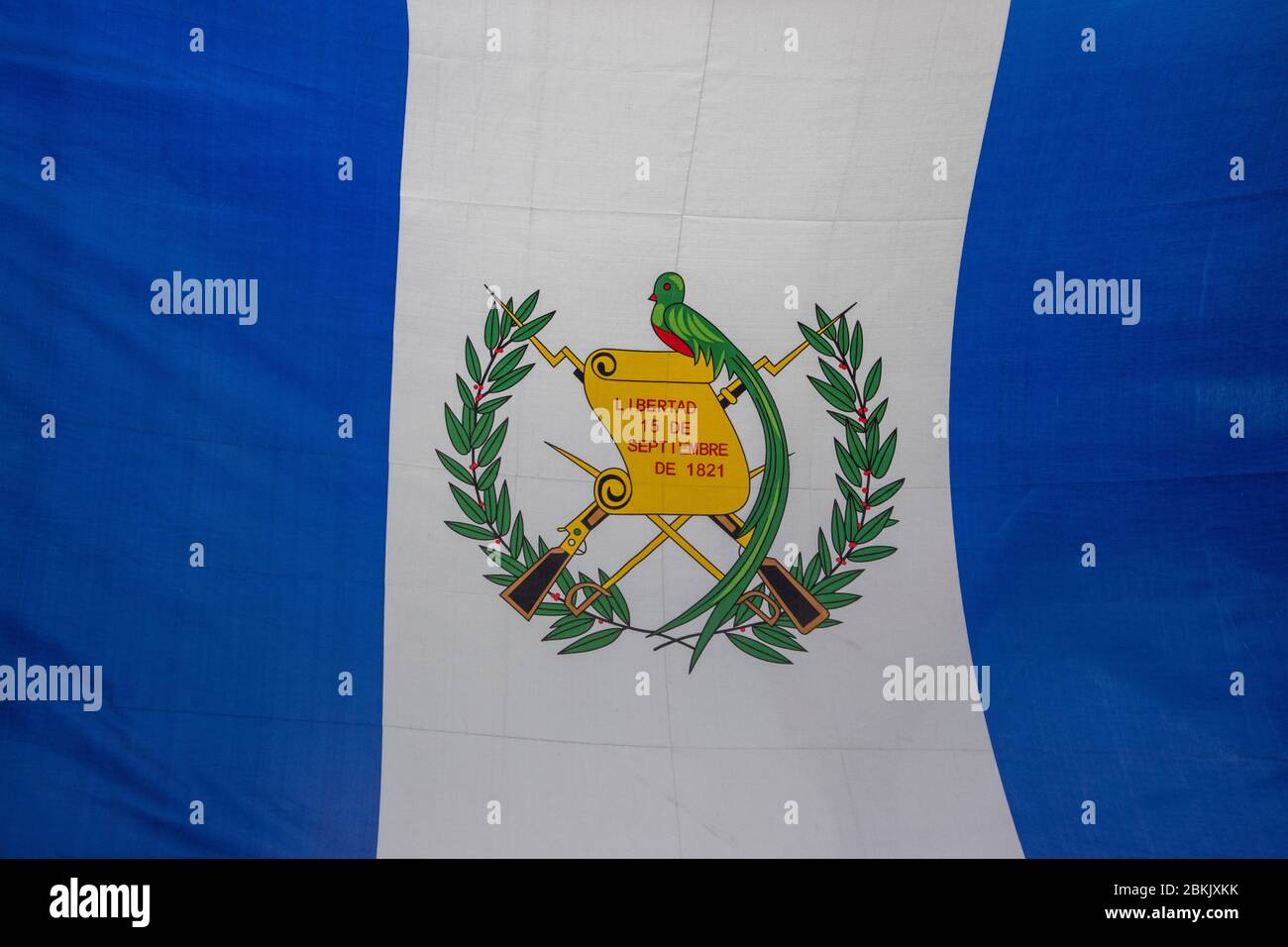
The most complex part of the meaning of the Guatemala flag is the coat of arms, or Escudo de Armas, located in the center. Every element within this emblem was chosen to represent a specific facet of Guatemalan history, biology, or philosophy.
The Resplendent Quetzal
Perched at the top of the emblem is the Resplendent Quetzal (Pharomachrus mocinno), the national bird of Guatemala. The Quetzal was sacred to the ancient Maya and represents liberty. It is a common belief in Guatemalan culture that the Quetzal cannot survive in captivity; it would rather die than be caged. This makes it the ultimate symbol of freedom. In the flag, the bird’s long, green tail feathers drape over the other elements, unifying the emblem.
The Parchment and Independence Date
The center of the emblem features a white parchment scroll. It bears the inscription LIBERTAD 15 DE SEPTIEMBRE DE 1821 (Liberty 15 September 1821). This date marks the day Central America declared its independence from the Spanish Empire. The presence of the scroll highlights that Guatemala is a nation founded on law and written decrees of sovereignty.
The Crossed Remington Rifles and Swords
Behind the parchment are two crossed Remington rifles with bayonets and two crossed swords.
- The Rifles: These represent the nation's will to defend itself by force if necessary. In 1871, when the flag was designed, the Remington was the state-of-the-art firearm, symbolizing modernization and military readiness.
- The Swords: These represent honor and the legacy of the officers who fought for the nation's independence and dignity.
The Laurel Wreath
Enclosing the entire emblem is a green laurel wreath. Since the days of ancient Greece and Rome, the laurel has been a symbol of victory and glory. In the context of the Guatemalan flag, it represents the triumph of the independence movement over colonial rule and the ongoing success of the republic.
Technical Specifications and Official Regulations
The flag's appearance is not left to chance. As of 2026, the government maintains strict protocols regarding the proportions and colors of the flag to ensure consistency across military, diplomatic, and civilian use.
| Component | Official Specification | Symbolic Representation |
|---|---|---|
| Blue Stripes | Sky Blue (ISCC-NBS: 177) | The two oceans and the sky; justice and loyalty. |
| White Stripe | Pure White | Purity, peace, and integrity. |
| Proportions | 5:8 Ratio | The standard height-to-width relationship. |
| Emblem Center | Centered in the white stripe | The core identity and history of the state. |
| Quetzal Position | Facing the hoist (left) | Looking toward the future/freedom. |
| Rifle Type | Remington (1871 model) | Readiness to defend the nation's sovereignty. |
Guatemala actually recognizes two versions of the flag:
- The State Flag (Pabellón Nacional): This version includes the coat of arms and is used by the government, military, and diplomatic missions.
- The Civil Flag (Bandera Nacional): Legally, the civil flag for general public use does not require the coat of arms, though in practice, almost all flags flown by citizens in 2026 include the emblem because of the national pride associated with the Quetzal.
Modern Usage and Protocol in 2026
In 2026, the Guatemalan flag is a ubiquitous symbol of national pride. It is celebrated annually on August 17, which is National Flag Day. During this time, schools, government buildings, and private residences across the country display the colors with reverence.
The Law of the National Anthem, Flag, and Coat of Arms dictates that the flag must be handled with the utmost respect. It should never touch the ground, and when it is displayed alongside other flags, it must occupy the position of honor. In international settings, the Guatemalan flag is often distinguished by its vibrant sky-blue hue, which is lighter than the deep blues found on many other world flags.
For those traveling to Guatemala or studying its culture, the flag serves as a visual shorthand for the country's "Eternal Spring" (the sky blue) and its fierce commitment to independence (the rifles and the Quetzal).
Frequently Asked Questions
Why does the Guatemala flag have rifles on it?
The crossed Remington rifles represent the nation's readiness to defend its sovereignty and liberty by force. They were included in the 1871 design to symbolize the strength of the Liberal Revolution and the modernization of the Guatemalan military.
What is the difference between the flag of Guatemala and the flag of El Salvador?
While both use blue and white, Guatemala’s stripes are vertical, whereas El Salvador’s stripes are horizontal. Additionally, Guatemala uses a lighter sky-blue shade, and its central emblem features a Quetzal bird, while El Salvador’s emblem features a coat of arms with a central triangle and five volcanoes.
What does the bird on the Guatemala flag represent?
The bird is the Resplendent Quetzal. It represents liberty and freedom because it is widely believed that the bird cannot live in captivity. It is also the national bird of Guatemala and the namesake of the national currency (the Quetzal).
When was the current design of the flag adopted?
The vertical design was officially adopted on August 17, 1871. While there have been minor stylistic updates to the coat of arms—most notably the standardization in 1968—the fundamental design remains the same in 2026.
Why is the blue on the flag so light?
The specific shade is "Celeste" or sky blue. It was chosen to represent the bright tropical skies of Guatemala and to distinguish the nation's flag from the darker blues used by European colonial powers.
Practical Recommendation for Display
If you are displaying the Guatemalan flag for an official or educational event, ensure you are using the Pabellón Nacional (the version with the coat of arms) as it is the most recognized version of the national identity. Always ensure the flag is oriented correctly: the Quetzal on the parchment should be facing the hoist (the left side when looking at the flag). In 2026, many high-quality flags are produced with UV-resistant fabrics to maintain that specific "Celeste" blue, which can fade quickly in direct tropical sunlight.
Image Gallery