Jeff Bezos Net Worth and Amazon Prime Price Increase: The 2026 Analysis
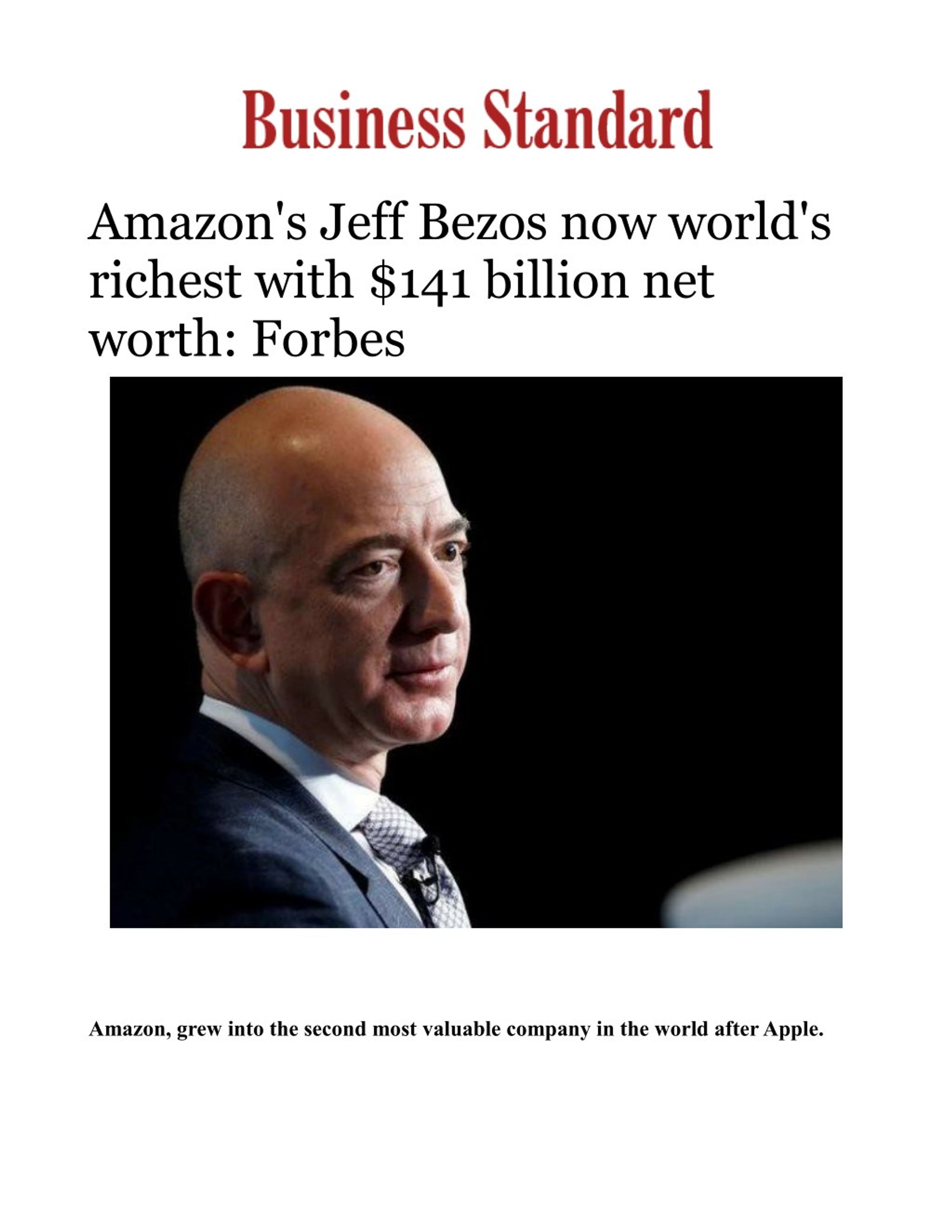
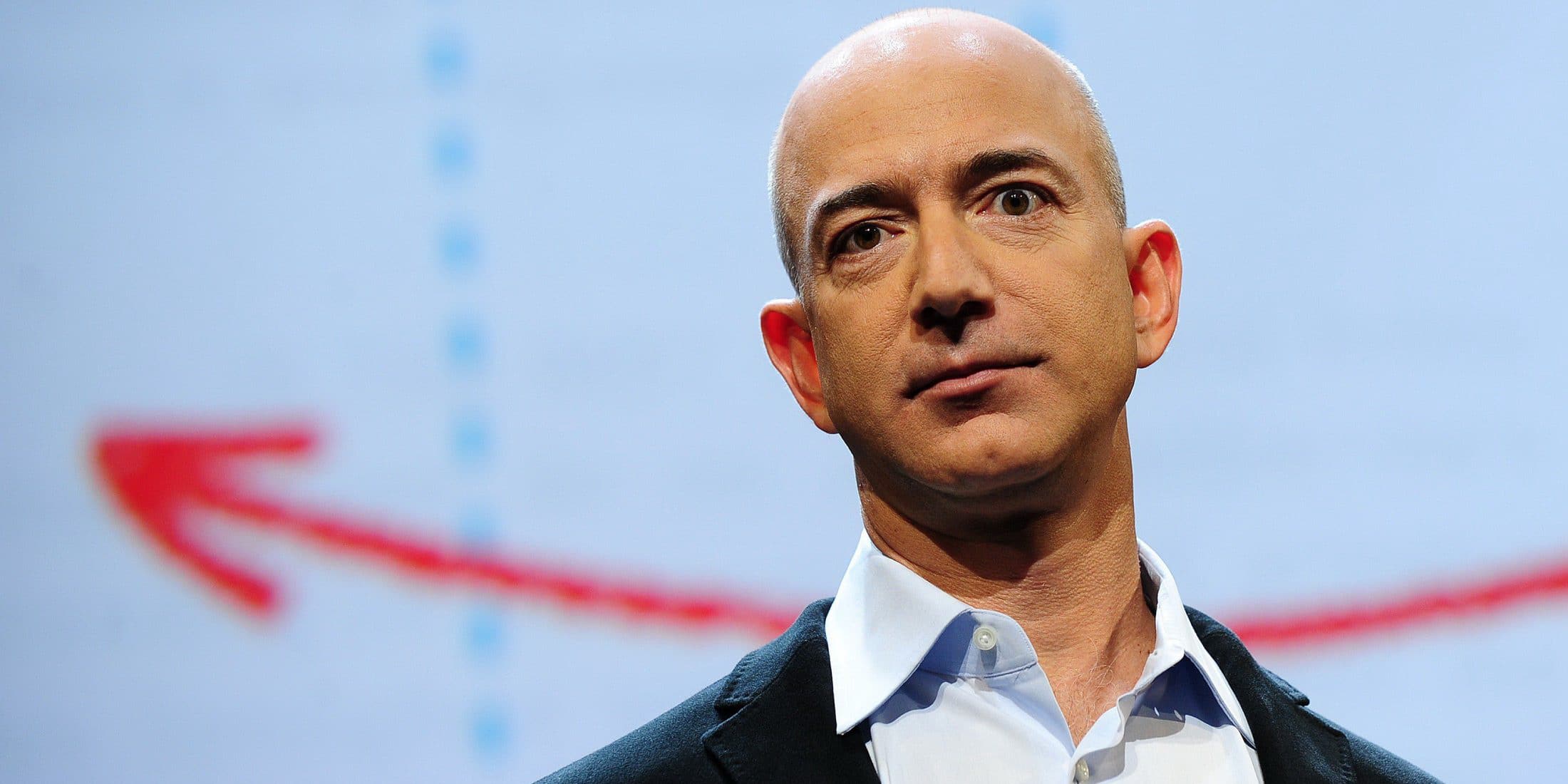
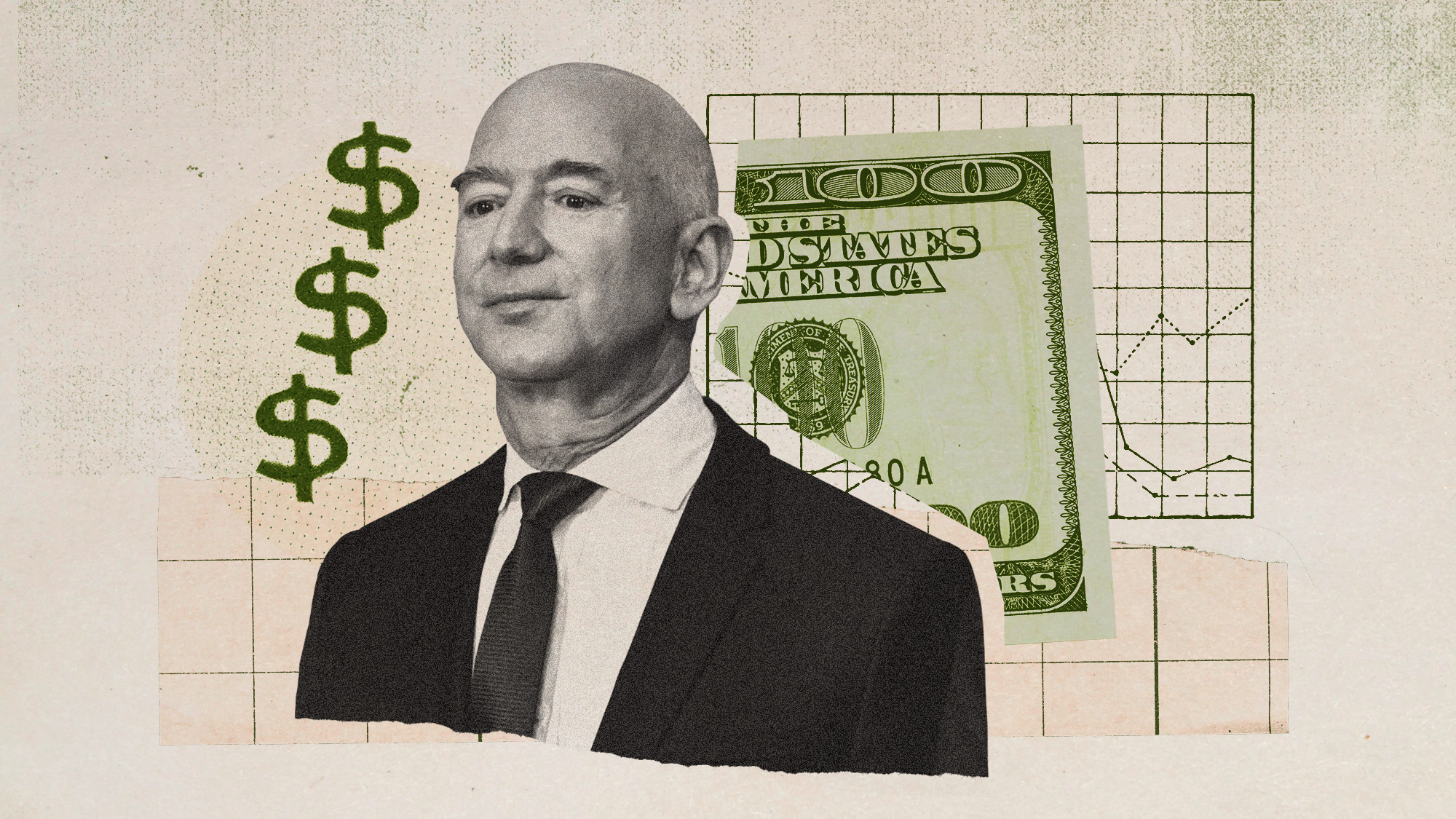
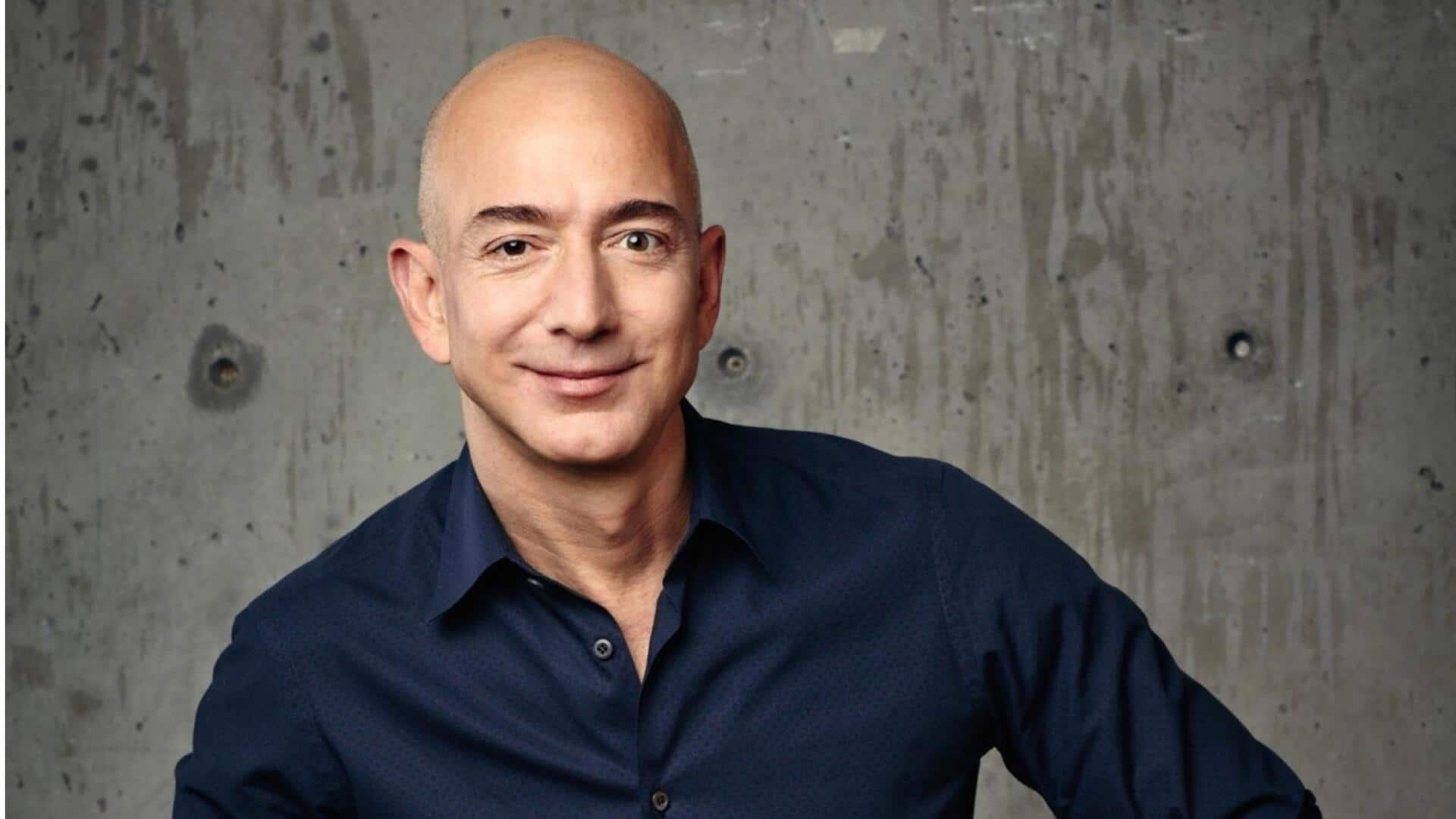
As of 2026, Jeff Bezos maintains a net worth exceeding $210 billion, driven primarily by his Amazon stock holdings and the valuation of Blue Origin. Simultaneously, Amazon Prime subscription costs remain a focal point for consumers, ha...
As of 2026, Jeff Bezos maintains a net worth exceeding $210 billion, driven primarily by his Amazon stock holdings and the valuation of Blue Origin. Simultaneously, Amazon Prime subscription costs remain a focal point for consumers, having stabilized at $139 annually in the U.S., though international markets have seen more recent inflationary adjustments to support logistics and content expansion.
Contents
Understanding Jeff Bezos’s Net Worth in 2026
To understand the financial trajectory of Jeff Bezos, one must look beyond a simple bank balance. His wealth is a complex architecture of equity, real estate, and venture capital. While he stepped down as Amazon’s CEO in 2021, his role as Executive Chairman ensures that his personal fortune remains inextricably linked to the company’s market performance.
The Role of Amazon Stock (AMZN)
The overwhelming majority of Bezos’s wealth is derived from his ownership of Amazon.com, Inc. (AMZN). Even after significant stock sales to fund his aerospace endeavors and philanthropic initiatives through the Bezos Day 1 Fund and the Bezos Earth Fund, he remains the company’s largest individual shareholder. In 2026, with Amazon’s dominance in cloud computing (AWS) and retail logistics firmly established, the stock's valuation continues to fluctuate based on global economic conditions, directly impacting his real-time net worth.
Blue Origin and Beyond
Unlike his liquid assets, Bezos’s investment in Blue Origin represents a long-term capital commitment. He has famously liquidated approximately $1 billion in Amazon stock annually to fund the aerospace manufacturer. By 2026, Blue Origin’s progress with the New Glenn rocket and lunar lander contracts with NASA has transitioned the company from a "billionaire's hobby" to a critical infrastructure player in the private space sector. This adds a layer of "paper wealth" that is harder to quantify than publicly traded stock but essential to his status as a centibillionaire.
Diversified Assets and Real Estate
Bezos’s portfolio also includes The Washington Post and Bezos Expeditions, which manages his venture capital investments in companies like Airbnb, Uber, and Workday during their early stages. Furthermore, his real estate holdings—spanning from New York City penthouses to massive estates in Washington, D.C., Beverly Hills, and a ranch in Texas—account for several hundred million dollars in tangible assets.
The Evolution of Amazon Prime Pricing
The "Amazon Prime price increase" is a topic that surfaces every few years as the company recalibrates its revenue model against rising operational costs. Since its inception in 2005, Prime has evolved from a simple free-shipping service into a multi-faceted digital ecosystem.
Historical Price Trajectory
For nearly a decade, Prime remained at a steady $79 per year. However, as the "Prime moat" expanded to include streaming video, music, and grocery benefits, the price began to climb. The most recent major shifts in the United States occurred in 2018 and 2022.
| Year | Annual Fee (USD) | Monthly Fee (USD) | Primary Drivers for Increase |
|---|---|---|---|
| 2005 | $79 | N/A | Launch of Two-Day Shipping |
| 2014 | $99 | N/A | Increased fuel and shipping costs |
| 2018 | $119 | $12.99 | Expansion of Prime Video content and Whole Foods integration |
| 2022 | $139 | $14.99 | Labor wage increases and logistics infrastructure expansion |
| 2026 | $139* | $14.99* | Consolidation of healthcare (One Medical) and AI-driven features |
*Note: While $139 remains the standard US base price in early 2026, regional variations and "Prime Lite" versions have emerged in international markets to maintain subscriber growth.
Why Amazon Increases Subscription Costs
The decision to raise the price of Prime is never taken lightly by Amazon’s leadership. The primary drivers are usually categorized into three segments: fulfillment costs, content acquisition, and infrastructure inflation.
- Logistics and Labor: As Amazon moved from two-day to one-day and even same-day delivery as the standard, the "last-mile" delivery costs skyrocketed. In the 2024-2026 period, investments in electric delivery vans and automated sorting centers required massive capital expenditure.
- Prime Video and Gaming: Amazon spends billions annually on original content, such as The Lord of the Rings: The Rings of Power and live sports broadcasting rights (including the NFL’s Thursday Night Football). These licensing and production costs are a primary justification for the premium price tag.
- Inflationary Pressures: Like all global corporations, Amazon is susceptible to the rising costs of fuel, packaging materials, and competitive wages for warehouse associates.
The Perceived Connection Between Executive Wealth and Prime Fees
A common point of public discourse is the correlation between the net worth of Jeff Bezos and the rising cost of an Amazon Prime membership. From a corporate finance perspective, the two are largely separate, though they are linked by the mechanism of corporate profitability.
Shareholder Value vs. Consumer Cost
As the Executive Chairman, Bezos’s primary financial interest is the appreciation of Amazon stock. Stock prices are driven by earnings reports and growth projections. When Amazon increases the price of Prime, it directly boosts the company’s Operating Cash Flow. If the market perceives this as a sign of pricing power and healthy margins, the stock price rises, subsequently increasing Bezos’s net worth.
However, the price of Prime is set by the executive team, led by CEO Andy Jassy, based on the cost of providing the service. If the service costs $150 to provide but is only charged at $139, the company loses money, which would eventually hurt the stock price. Therefore, the price increase is a tool for sustainability, not merely a method to increase the wealth of the founder.
The Public Relations Challenge
Amazon faces a recurring PR challenge: explaining a price hike to consumers while the company's founder is ranked among the richest people in history. Critics often argue that a fraction of Bezos’s personal wealth could offset the need for a price increase. In reality, Bezos’s wealth is not "cash in a vault"; it is equity in the company itself. Forcing the company to operate at a loss by subsidizing Prime with personal wealth would be a violation of fiduciary duty to other shareholders and an unsustainable business model.
Managing Your Amazon Prime Membership in 2026
Given the current pricing landscape, consumers often look for ways to maximize the value of their subscription or find more affordable entry points.
Strategic Subscription Choices
- Annual vs. Monthly: The annual plan ($139) remains significantly cheaper over 12 months than the monthly plan ($14.99/month, totaling approximately $180/year). If you plan to use the service for the full year, the annual payment is the most logical choice.
- Prime Access: Amazon continues to offer a discounted tier for recipients of certain government assistance programs, such as SNAP or EBT. In 2026, this remains a vital bridge for low-income households to access the delivery and grocery benefits of the platform.
- Prime Student: For those currently enrolled in higher education, Prime Student offers a six-month trial followed by a significantly reduced annual rate. This tier includes most of the standard Prime benefits, including Prime Video and Music.
Evaluating the Value Proposition
To determine if the price is "worth it," users should calculate their usage of the following services:
- Shipping Savings: If you place more than 20 orders a year, the shipping savings alone typically cover the membership fee.
- Digital Entertainment: If you use Prime Video as your primary streaming service, the value is comparable to Netflix or Disney+, but with the added benefit of shipping.
- Pharmacy and Healthcare: With the full integration of Amazon Pharmacy and One Medical, many members in 2026 find that the healthcare perks provide the highest return on investment.
Frequently Asked Questions
Does Jeff Bezos personally decide when to raise Amazon Prime prices?
No. While Jeff Bezos remains the Executive Chairman and has a say in the long-term strategic direction of the company, the day-to-day operational decisions, including pricing strategies for Amazon Prime, are handled by the CEO (Andy Jassy) and the senior leadership team (the S-Team).
Is there a "Prime Lite" version available in 2026?
Yes, in several international markets and recently trialed in North America, Amazon offers a "Lite" version. This version typically includes free shipping on a slower timeline (2-3 days instead of Same-Day) and a limited selection of Prime Video content (often ad-supported) at a lower price point.
How much of Jeff Bezos's net worth is actually cash?
A very small percentage. The vast majority of his $210+ billion net worth is tied up in Amazon stock and Blue Origin equity. While he can liquidate stock (sell shares) to obtain cash, doing so is a regulated process that must be reported to the SEC.
Will Amazon Prime prices increase again soon?
Amazon typically evaluates its pricing every 3 to 4 years. Since the last major U.S. increase was in 2022, and the company has focused on efficiency and AI-driven cost-cutting in 2024 and 2025, a significant hike in the base U.S. price is not anticipated until late 2026 or 2027, unless there is a dramatic shift in global inflation.
Practical Recommendation for Consumers
To mitigate the impact of any potential future price increases, consumers should audit their Prime usage annually. If you primarily use the service for a single "event" (like Prime Day) or for specific holiday shopping, switching to a monthly subscription for only two months out of the year is more cost-effective than an annual membership. Conversely, if you utilize the bundled services—such as Prime Video, Pharmacy, and Photos—the current $139 rate continues to offer a comprehensive value that is difficult to replicate by subscribing to individual services separately.
Image Gallery