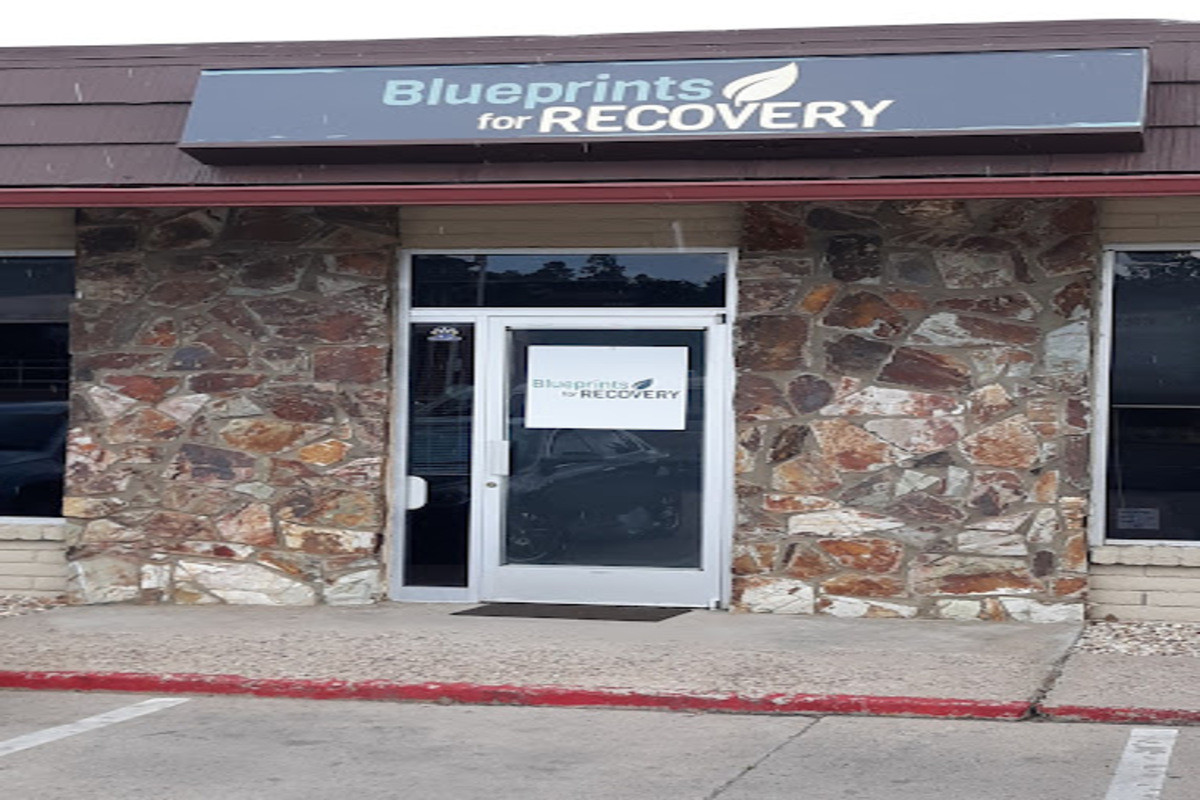
Understanding the 2026 Changes for Blueprints Recovery: Impact on Treatment and Access
In 2026, the changes for Blueprints Recovery signify a transition toward enhanced clinical oversight, stricter insurance parity compliance, and the integration of data-driven outcome tracking. These shifts ensure that patients receive...
In 2026, the changes for Blueprints Recovery signify a transition toward enhanced clinical oversight, stricter insurance parity compliance, and the integration of data-driven outcome tracking. These shifts ensure that patients receive evidence-based care while navigating new federal regulations that mandate transparent pricing and broader coverage for complex dual-diagnosis treatments and long-term recovery support.
Contents
The Evolving Landscape of Blueprints Recovery in 2026
The behavioral health sector has undergone a significant transformation leading into 2026. For organizations like Blueprints Recovery—a program historically recognized for its focus on young adults and sustainable sobriety—the current environment is defined by a shift from simple "rehab" models to comprehensive, multi-phase clinical ecosystems. The "changes" frequently discussed by providers and families refer to a combination of internal operational updates and external regulatory pressures designed to improve the "continuum of care."
Historically, recovery programs operated with a degree of autonomy that sometimes led to gaps in aftercare. By 2026, Blueprints Recovery has adapted to a "value-based" model. This means that the efficacy of the treatment is no longer measured solely by the completion of a 30-day program, but by long-term patient stability. This shift influences everything from daily scheduling to the types of therapists hired, as the focus moves toward resolving the underlying trauma and neurobiological triggers of addiction.
Key Regulatory Changes Influencing Recovery Services
The most impactful changes affecting Blueprints Recovery stem from federal updates to the Mental Health Parity and Addiction Equity Act (MHPAEA). While the original act dates back to 2008, the final rules implemented in late 2024 and early 2025 have reached full maturity in 2026. These regulations require insurance providers and treatment facilities to demonstrate that limitations on mental health benefits are no more restrictive than those for medical or surgical benefits.
Enhanced Mental Health Parity Requirements
In 2026, "parity" is no longer just a legal buzzword; it is a strictly enforced operational requirement. For Blueprints Recovery, this means that insurance companies can no longer arbitrarily deny "extended stays" if the clinical necessity is documented. The 2026 guidelines require a more granular analysis of Non-Quantitative Treatment Limitations (NQTLs).
For the patient, this change results in:
- Reduced Administrative Burden: Facilities now use standardized clinical data to justify stays, leading to fewer sudden "discharges" due to insurance denials.
- Broader Access to Specialists: Parity rules now extend to the network adequacy of insurance plans, ensuring that specialists within the Blueprints ecosystem are accessible at in-network rates.
Telehealth Integration and Hybrid Care Models
Another major change in 2026 is the permanent codification of telehealth rules for addiction treatment. Following the legislative adjustments of the mid-2020s, Blueprints Recovery now utilizes a hybrid model that blends intensive residential treatment with high-definition, secure remote monitoring for the outpatient phase. This allows for a smoother transition back into "real-world" environments while maintaining a digital tether to clinical support, which has been shown to significantly reduce relapse rates in the critical first six months of sobriety.
Procedural Shifts Within Blueprints Recovery
The internal operations of Blueprints Recovery have changed to meet the higher standards of 2026. The most notable shift is the move toward Precision Recovery. This involves using biological data—such as sleep patterns, heart rate variability (HRV), and genetic metabolic testing—to tailor individual treatment plans.
Outcome-Based Documentation
In 2026, the facility must maintain "Outcome-Based Documentation." This isn't just for insurance; it’s a tool for clinical refinement. By tracking specific metrics such as cognitive function recovery and emotional regulation milestones, the clinical team can pivot treatment strategies in real-time. For families, this provides a level of transparency previously unavailable, as they can see tangible progress reports rather than vague "he is doing well" updates.
The Focus on Dual Diagnosis
The "changes" also reflect a deeper understanding of co-occurring disorders. In 2026, Blueprints Recovery has expanded its specialized tracks for "complex cases" where substance use is intertwined with conditions like treatment-resistant depression, PTSD, or ADHD. The integration of psychiatric care directly into the recovery blueprint ensures that the "why" of the addiction is treated alongside the physical dependency.
What These Changes Mean for Insurance and Costs
Navigating the financial aspect of recovery remains a primary concern for many. The 2026 financial landscape for Blueprints Recovery is more predictable but requires a better understanding of modern plan structures.
In-Network vs. Out-of-Network Transitions
Many Blueprints Recovery programs have solidified in-network status with major national carriers like Aetna, Blue Cross Blue Shield, and UnitedHealthcare to comply with the 2026 "No Surprises Act" updates. This reduces the "out-of-pocket" maximums that families previously faced. However, even with in-network coverage, the distinction between "Residential" (RTC) and "Partial Hospitalization" (PHP) levels of care remains vital for billing.
Navigating Pre-Authorization in 2026
The pre-authorization process has been streamlined through the 2026 Interoperability and Prior Authorization Final Rule. This federal mandate requires insurers to provide an electronic prior authorization process, which means approvals for admission to Blueprints Recovery that used to take days now often occur within hours.
| Feature | Legacy Model (Pre-2024) | 2026 Modern Standard |
|---|---|---|
| Insurance Approval | Manual, often took 48-72 hours | Electronic, typically under 6 hours |
| Treatment Duration | Fixed 30/60/90-day blocks | Variable, based on clinical milestones |
| Aftercare Integration | Optional, often self-guided | Mandatory, tech-monitored "tethering" |
| Data Usage | Subjective therapist notes | Objective biometric & outcome metrics |
| Parity Enforcement | Weak; frequent "medical necessity" denials | Strong; high transparency requirements |
Clinical Implications: Dual Diagnosis and Trauma-Informed Care
The changes at Blueprints Recovery are most visible in the clinical setting. The 2026 approach acknowledges that addiction is a symptom of a broader neurological or psychological disconnect. Consequently, the program has integrated advanced modalities such as EMDR (Eye Movement Desensitization and Reprocessing) and Neurofeedback as standard offerings rather than "add-ons."
Trauma-Informed Environments
In 2026, the physical and social environment of recovery is curated to be "trauma-informed." This means staff are trained to recognize the signs of hyper-arousal and dissociation, responding with de-escalation techniques rather than punitive measures. For those in the Blueprints program, this creates a safer space for vulnerability, which is the cornerstone of long-term healing.
Vocational and Life-Skills Integration
Recovery in 2026 is no longer seen as a pause in life, but as a "re-launch." Blueprints has expanded its vocational counseling, helping residents integrate educational goals or career planning into their recovery schedule. This change addresses the "fear of the future" that often drives early-stage relapse.
Actionable Steps for Patients and Families
If you are considering Blueprints Recovery in 2026, the following steps will help you navigate the updated systems effectively:
- Verify Your "2026 Plan" Status: Check if your insurance plan has updated its Mental Health Parity disclosures. This will tell you exactly what your "Clinical Necessity" requirements are for residential treatment.
- Request an Outcome-Based Assessment: Ask the admissions team for a sample of the outcome tracking they use. Understanding how they measure success will give you peace of mind.
- Inquire About the "Digital Tether": Ask how the program handles the transition from residential care to outpatient. In 2026, a robust telehealth or remote monitoring component is essential.
- Confirm Dual-Diagnosis Capability: If there is a co-occurring mental health issue, ensure the facility has an on-site psychiatrist who specializes in dual-diagnosis protocols, not just a general practitioner.
Frequently Asked Questions
How do the 2026 parity rules affect my out-of-pocket costs at Blueprints Recovery?
The 2026 updates to the Mental Health Parity and Addiction Equity Act (MHPAEA) require insurers to ensure that co-pays and deductibles for recovery services are no higher than those for general medical services. This has led to a general stabilization of costs, although "out-of-network" facilities may still have significant gaps. It is essential to use a facility that is "in-network" or has a pre-negotiated "single-case agreement" to minimize costs.
Does Blueprints Recovery now offer specialized treatment for fentanyl and synthetic opioids?
Yes, in 2026, Blueprints Recovery has implemented specific medical detox and long-term stabilization protocols for high-potency synthetic opioids. These protocols often include the use of long-acting buprenorphine formulations and intensive neurological monitoring to manage the unique withdrawal and post-acute withdrawal symptoms associated with these substances.
What is "Precision Recovery" and how does it change the treatment experience?
Precision Recovery is the use of individual biological markers to customize a treatment plan. At Blueprints Recovery, this might include genetic testing to determine which psychiatric medications will work best for your metabolism or using wearable technology to track stress levels. This moves away from a "one-size-fits-all" approach and allows clinicians to intervene before a patient feels overwhelmed.
Can I still use telehealth for my entire recovery process?
While some phases of recovery, such as Intensive Outpatient (IOP), can be done almost entirely via telehealth in 2026, most clinical experts at Blueprints Recovery still recommend an initial period of in-person residential or partial-hospitalization care. The "changes" in 2026 make it easier to transition to telehealth, but the foundational work of detox and early stabilization usually requires a physical clinical environment.
Are the 2026 changes retroactive for those who have already been in treatment?
The regulatory changes regarding insurance and parity apply to all active and new insurance claims as of the 2026 plan year. If you were in treatment previously and are returning for aftercare or a "tune-up," you will benefit from the new transparency and coverage rules, provided your current insurance plan is compliant with the latest federal mandates.
Conclusion and Next Actions
The changes for Blueprints Recovery in 2026 represent a positive evolution toward more scientific, transparent, and patient-centered care. By leveraging new insurance protections and clinical technologies, the program offers a more resilient path to sobriety than was available in previous years.
For those ready to take the next step, the primary recommendation is to conduct a comprehensive insurance benefits verification specifically for "Mental Health Parity" compliance. Contact the Blueprints admissions office to discuss how their 2026 clinical tracks—ranging from trauma-informed care to precision neurofeedback—can be tailored to your specific history and needs.
Image Gallery