The Evolution of Computer-Aided Design in Healthcare: Applications and Innovations in 2026
Computer-Aided Design (CAD) in healthcare refers to the use of specialized software to create, analyze, and optimize medical devices, anatomical models, and patient-specific implants. By 2026, CAD has become a cornerstone of personaliz...
Computer-Aided Design (CAD) in healthcare refers to the use of specialized software to create, analyze, and optimize medical devices, anatomical models, and patient-specific implants. By 2026, CAD has become a cornerstone of personalized medicine, allowing clinicians to transform 2D radiological scans into precise 3D digital blueprints for surgical planning, custom prosthetics, and tissue engineering.
Contents
The Role of CAD in Modern Personalized Medicine
In the traditional medical model, devices and implants were manufactured in a limited range of standard sizes, often requiring surgeons to "make the patient fit the implant" through bone removal or hardware adjustment. As of 2026, the paradigm has shifted entirely toward patient-specific solutions. CAD serves as the digital bridge between a patient's unique anatomy and the final therapeutic intervention.
The integration of CAD in healthcare relies on the ability to interpret complex biological data. Unlike mechanical engineering, where parts are designed from scratch using geometric primitives, healthcare CAD often begins with Reverse Engineering. This process starts with volumetric data from Computed Tomography (CT) or Magnetic Resonance Imaging (MRI). CAD software allows engineers and clinicians to isolate specific structures—such as a fractured mandible or a degenerated hip joint—and design interventions that account for the exact topography of the patient's tissue.
This precision significantly reduces surgical risks. When a surgeon can hold a 3D-printed model of a patient’s heart or use a CAD-designed cutting guide that only fits in one specific orientation on a specific bone, the margin for error narrows. The result is shorter time under anesthesia, reduced blood loss, and improved long-term patient outcomes.
Primary Applications of CAD Across Medical Specialties
The versatility of CAD software has led to its adoption across diverse clinical fields. While the underlying mathematical principles remain constant, the application of these tools varies based on the mechanical and biological requirements of the tissue being treated.
Orthopedics and Traumatology
Orthopedics remains the largest consumer of CAD technology. Surgeons use CAD to design custom plates for complex fractures and patient-matched implants for total joint arthroplasty. In 2026, Generative Design—an AI-driven CAD feature—is frequently used to create porous, lattice-like structures within orthopedic implants. These structures mimic the mechanical properties of human bone (stiffness and porosity), encouraging osseointegration, where the patient’s natural bone grows into the implant, creating a more stable and permanent bond than traditional cement.
Maxillofacial and Dental Reconstruction
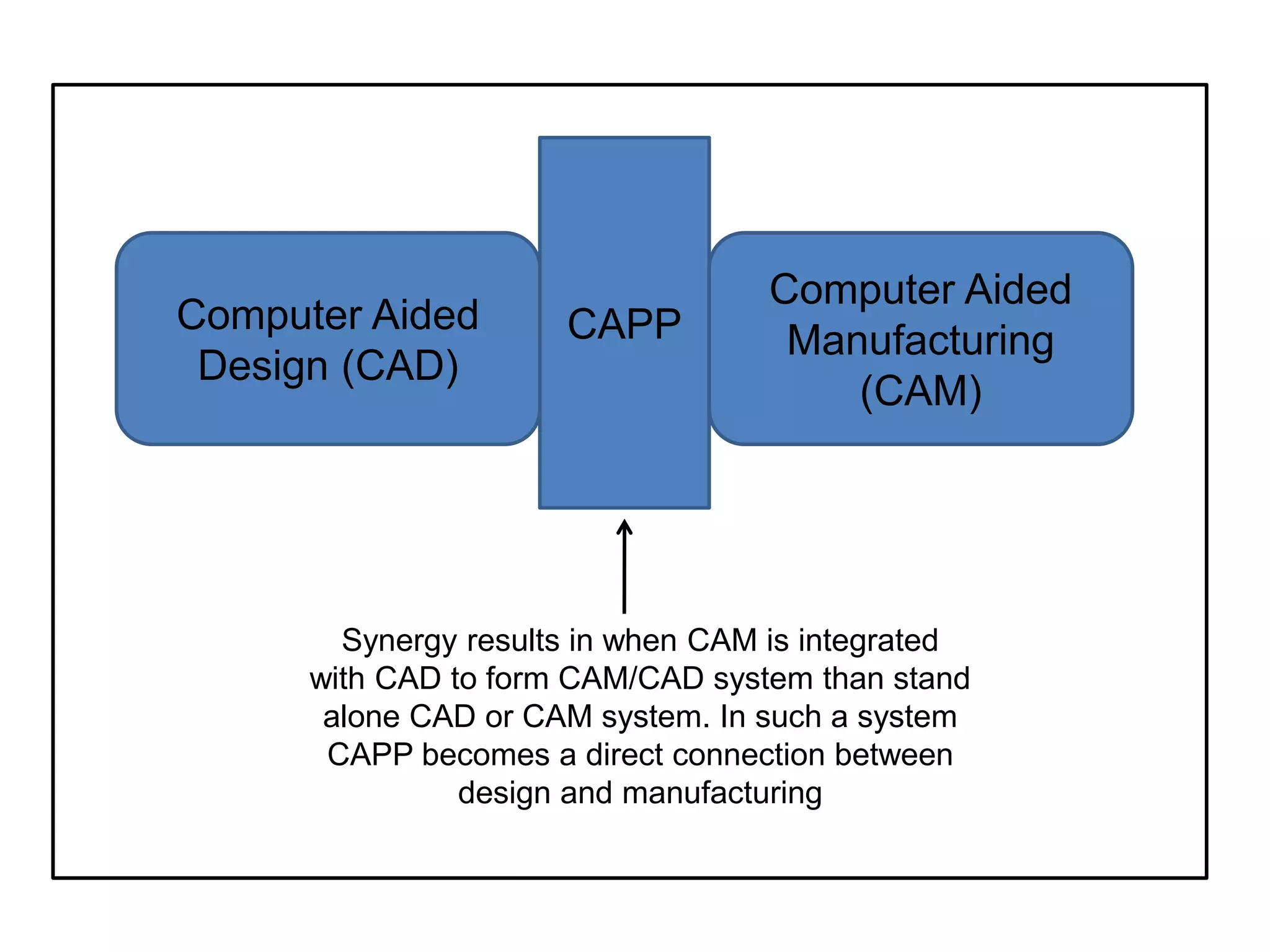
In dentistry, CAD/CAM (Computer-Aided Manufacturing) systems have revolutionized restorative care. Dentists use intraoral scanners to create a "digital impression," which is then processed in CAD software to design crowns, bridges, and orthodontic aligners. In more complex maxillofacial surgeries, such as reconstructing a jaw after tumor removal, CAD allows for the "virtual mirroring" of the healthy side of the face to create a perfectly symmetrical replacement for the diseased bone.
Prosthetics and Orthotics
Modern prosthetics have evolved from heavy, generic limbs to lightweight, high-performance extensions of the body. CAD allows for the creation of prosthetic sockets that distribute pressure evenly across a residual limb, preventing skin breakdown and discomfort. Furthermore, CAD enables the design of "bionic" aesthetics, where the outer shell of a prosthetic can be customized to match the patient’s style or anatomical proportions, improving psychological well-being and device adoption.
The Technical Workflow: From Scan to Solution
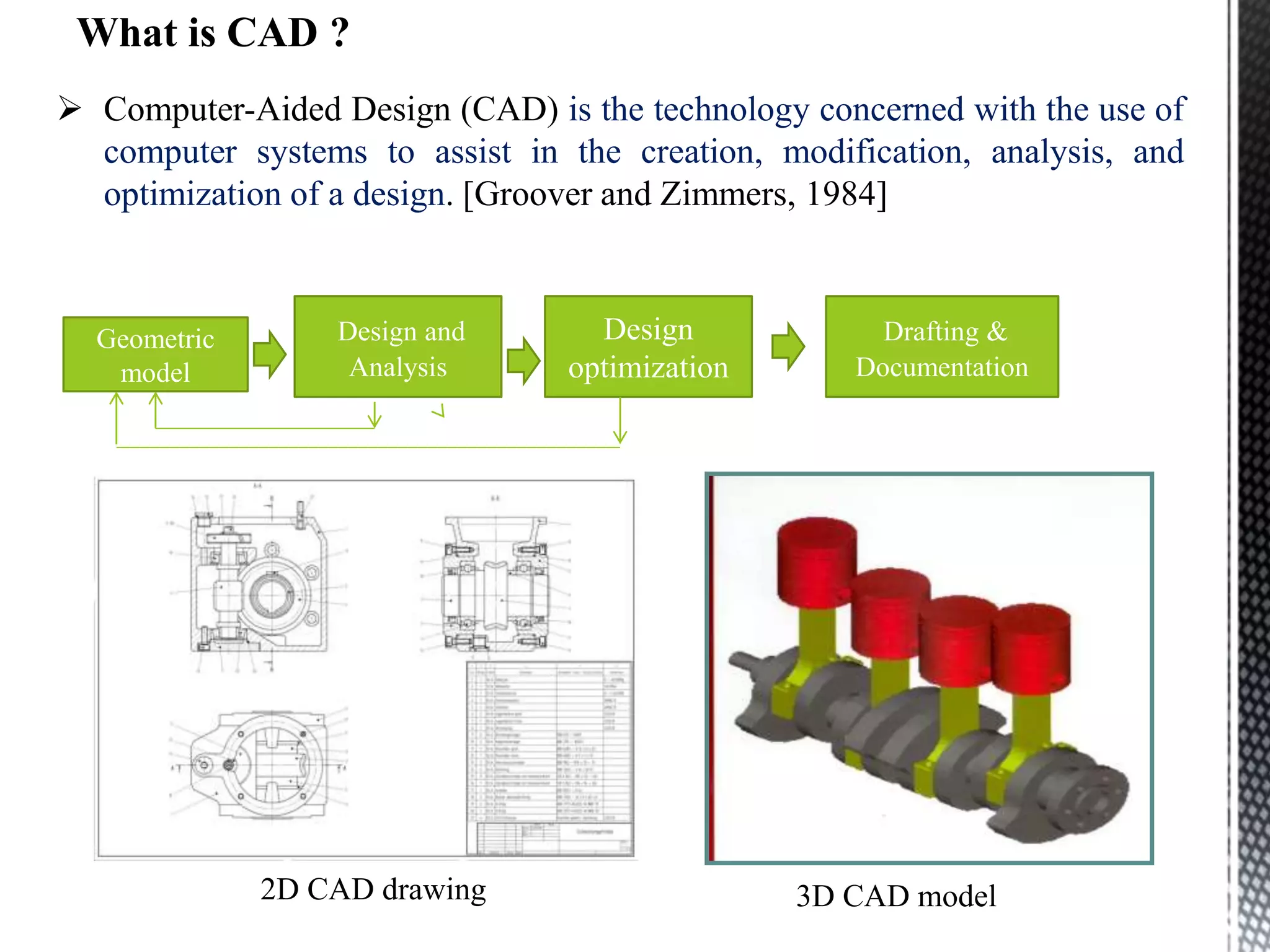
The transition from a patient's physical body to a digital CAD model involves a rigorous multi-step technical workflow. Each stage requires specific expertise and software compatibility to ensure the final product is medically viable.
- Data Acquisition: The process begins with high-resolution imaging, typically saved in the DICOM (Digital Imaging and Communications in Medicine) format. The quality of the CAD model is directly dependent on the slice thickness of the initial scan; thinner slices result in higher fidelity models.
- Image Segmentation: This is the most critical technical step. Specialized software is used to "mask" or separate the target anatomy from surrounding tissues. For example, in a pelvic scan, the software must distinguish between the cortical bone, cancellous bone, and soft tissue. As of 2026, AI-automated segmentation has reduced this process from hours to minutes.
- Surface Reconstruction: Once segmented, the data is converted into a surface mesh, usually in STL (Standard Tessellation Language) or OBJ format. This mesh represents the outer shell of the anatomy.
- CAD Design and Refinement: The mesh is imported into CAD software (such as Autodesk Fusion 360, Materialise Mimics, or Dassault Systèmes SOLIDWORKS). Here, the engineer designs the medical device around the anatomy. This includes adding screw holes, defining tolerances, and performing Finite Element Analysis (FEA) to simulate how the device will handle mechanical stress inside the body.
- Verification and Manufacturing: The final design is verified against clinical requirements and then sent to a manufacturing platform, such as a 3D printer (Additive Manufacturing) or a CNC milling machine.
Technical Specifications and Software Ecosystem
Selecting the right CAD environment is essential for maintaining regulatory compliance and ensuring patient safety. Medical-grade CAD software must often be validated under various international standards.
| Feature | Industrial CAD (Standard) | Healthcare CAD (Medical Grade) |
|---|---|---|
| Input Data | Geometric primitives/sketches | DICOM/Voxel-based data |
| Surface Handling | Parametric/NURBS modeling | Mesh-based/Organic sculpting |
| Regulatory Status | Not regulated | FDA Class II/III or CE Mark required |
| Key Capability | Mechanical assembly design | Anatomical segmentation and mirroring |
| Common Software | AutoCAD, SolidWorks, Rhino | Mimics Innovation Suite, 3-Matic, InVesalius |
By 2026, the distinction between these categories has blurred as major software providers have introduced "Medical Modules" that allow for seamless transition between organic anatomical modeling and rigid mechanical design.
Integration of Artificial Intelligence and Generative Design
The most significant advancement in healthcare CAD by 2026 is the integration of Artificial Intelligence (AI). AI algorithms are now capable of performing Generative Design, where the user defines the goals and constraints (e.g., "design a hip stem that weighs less than 200g but can support 150kg of force"), and the software explores thousands of permutations to find the optimal shape.
These AI-driven designs often look "alien" or organic because they place material only where it is mechanically necessary. This is particularly useful in pediatric care, where CAD models must be designed to accommodate the future growth of a child. AI can simulate growth patterns and suggest modular designs that can be adjusted over time without requiring entirely new surgeries.
Regulatory and Safety Considerations
The use of CAD in healthcare is governed by strict regulatory frameworks to ensure that digital designs translate into safe physical interventions. Organizations such as the U.S. Food and Drug Administration (FDA) and the European Medicines Agency (EMA) have established guidelines for "Point-of-Care" manufacturing.
- ISO 13485: This standard specifies requirements for a quality management system where an organization needs to demonstrate its ability to provide medical devices and related services that consistently meet customer and applicable regulatory requirements.
- Validation of Software: Any CAD software used to design a permanent implant must undergo rigorous validation to ensure that the "as-designed" dimensions match the "as-manufactured" dimensions within micron-level tolerances.
- Data Privacy: Because CAD models are derived from patient scans, they are considered Protected Health Information (PHI) under laws like HIPAA. In 2026, secure cloud-based CAD platforms use end-to-end encryption to allow surgeons and engineers to collaborate on designs without risking data breaches.
Disclaimer: This information is for educational and professional guidance and does not constitute medical or legal advice. Consult with regulatory bodies and certified biomedical engineers for specific device certifications.
Frequently Asked Questions
How long does it take to design a custom medical implant using CAD?
In 2026, the timeline for a custom implant has been reduced significantly. Automated AI segmentation takes roughly 15–30 minutes, while the actual CAD design phase for a complex part (like a cranial plate) takes 2–4 hours. Including the time for surgical review and 3D printing, a patient can often receive a custom implant within 48 to 72 hours of their initial scan.
Is CAD software in healthcare difficult to learn for clinicians?
While traditional CAD software has a steep learning curve, modern "clinical CAD" interfaces are designed for medical professionals. These tools focus on anatomical landmarks rather than abstract geometry. Many residency programs now include basic training in 3D visualization and CAD-assisted surgical planning as part of their standard curriculum.
What are the main costs associated with implementing CAD in a hospital?
The primary costs include software licensing (which can range from $5,000 to $20,000 annually per seat for medical-grade suites), high-performance computing hardware (GPUs), and the specialized personnel required to operate the software. However, these costs are often offset by the reduction in operating room time, which can cost upwards of $60 to $100 per minute.
Can CAD be used for soft tissue applications?
Yes. While initially focused on bone (hard tissue), CAD is increasingly used in 2026 for soft tissue applications, such as designing custom stents for vascular surgery or scaffolds for skin grafts. This requires specialized "Non-Linear Finite Element Analysis" to account for the flexibility and elasticity of soft tissues.
What is the difference between CAD and CAE in healthcare?
CAD (Computer-Aided Design) focuses on creating the geometry of the device. CAE (Computer-Aided Engineering) focuses on testing that geometry. In healthcare, CAE is used to simulate how an implant will react to the patient's body heat, blood flow, and physical movement before it is ever manufactured.
Practical Recommendations for Implementation
For healthcare facilities looking to integrate or expand their CAD capabilities in 2026, the focus should be on interoperability. Ensure that your imaging department (Radiology) is providing thin-slice CT scans optimized for 3D reconstruction. Investing in a centralized "3D Lab" that serves multiple departments—orthopedics, cardiology, and oncology—can consolidate software costs and concentrate technical expertise.
The next step for most practitioners is to move beyond simple 3D modeling and into Virtual Surgical Planning (VSP). This involves using CAD to simulate the entire surgery in a digital environment, identifying potential complications before the first incision is made. By 2026, the evidence is clear: CAD-assisted surgery is no longer an experimental luxury but a vital component of high-standard patient care.
Image Gallery