Comprehensive Guide to Flight Time from Austin to London
A non-stop flight from Austin-Bergstrom International Airport (AUS) to London Heathrow (LHR) typically takes between 9 hours and 15 minutes and 9 hours and 50 minutes. The return journey from London to Austin is longer due to prevailin...
A non-stop flight from Austin-Bergstrom International Airport (AUS) to London Heathrow (LHR) typically takes between 9 hours and 15 minutes and 9 hours and 50 minutes. The return journey from London to Austin is longer due to prevailing headwinds, usually lasting between 10 hours and 15 minutes and 10 hours and 55 minutes.
Contents
Traveling from the heart of Texas to the capital of the United Kingdom has become significantly more accessible in recent years. As of 2026, the Austin to London corridor remains one of the most vital transatlantic links for both the technology sector and the tourism industry. Understanding the nuances of this flight—including the differences between non-stop and connecting routes, the impact of seasonal wind patterns, and the logistics of the airports involved—is essential for any traveler planning this 4,900-mile journey.
Non-Stop Flight Durations and Primary Carriers
The quickest way to travel between these two cities is via direct service. Currently, two major carriers dominate the non-stop market between Austin (AUS) and London Heathrow (LHR).
British Airways
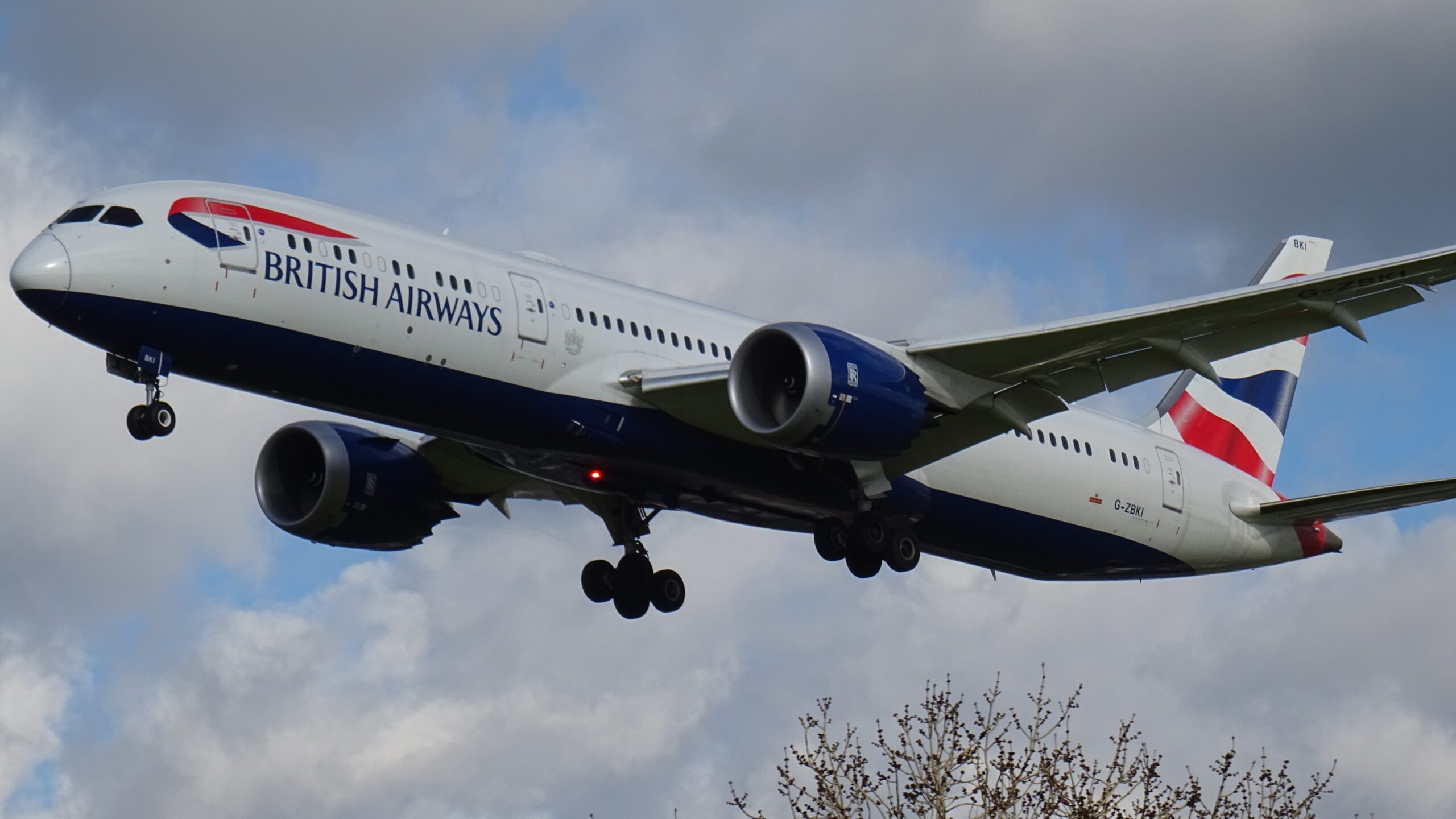
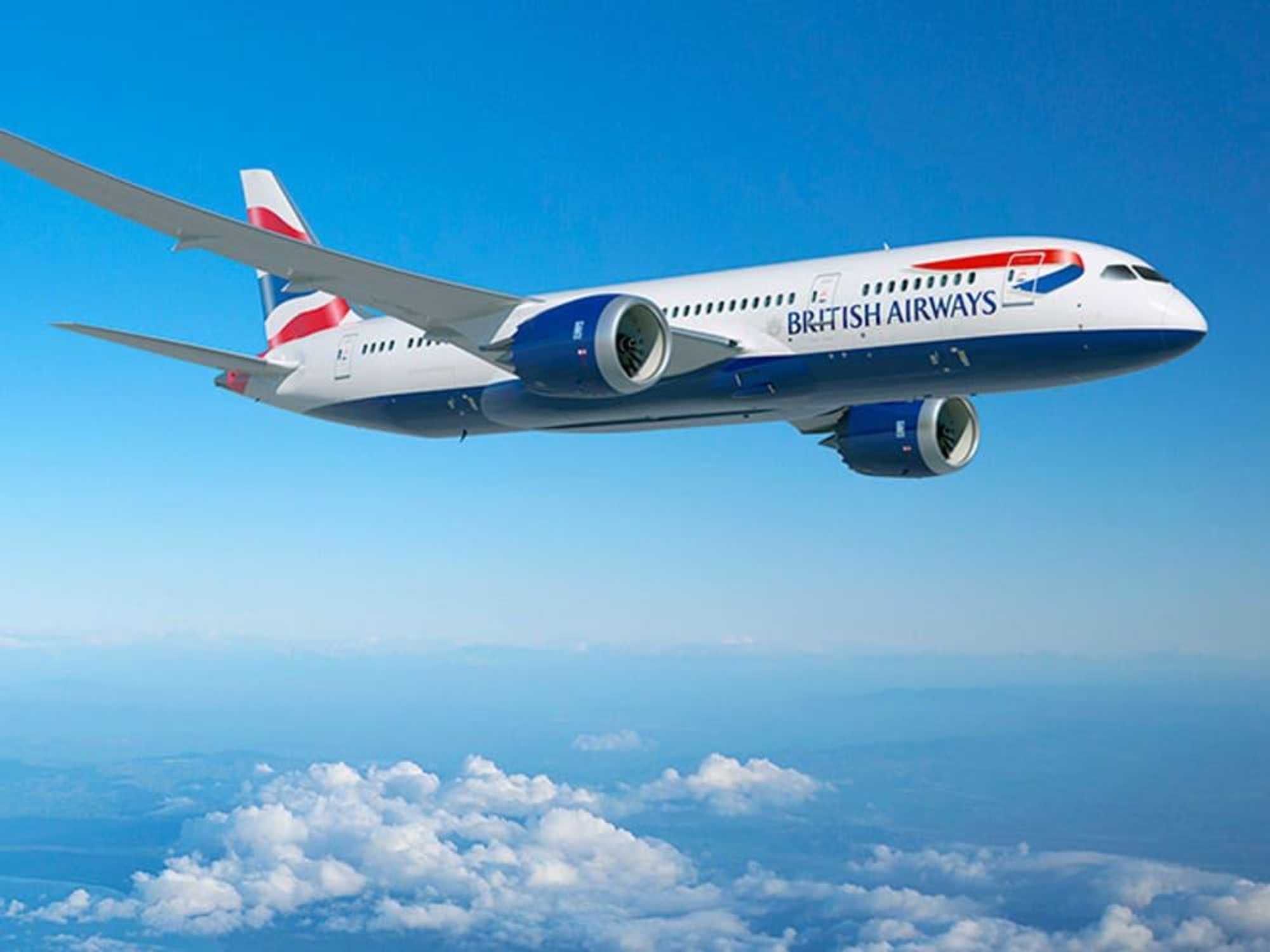
British Airways was the pioneer of this route, establishing the first direct connection in 2014. In 2026, they continue to operate daily flights, typically utilizing the Boeing 787-9 or 787-10 Dreamliner. These aircraft are specifically designed for long-haul efficiency and passenger comfort, featuring lower cabin altitude pressure which helps reduce the effects of jet lag. The eastbound flight from Austin usually departs in the late afternoon or evening, arriving in London the following morning.
Virgin Atlantic
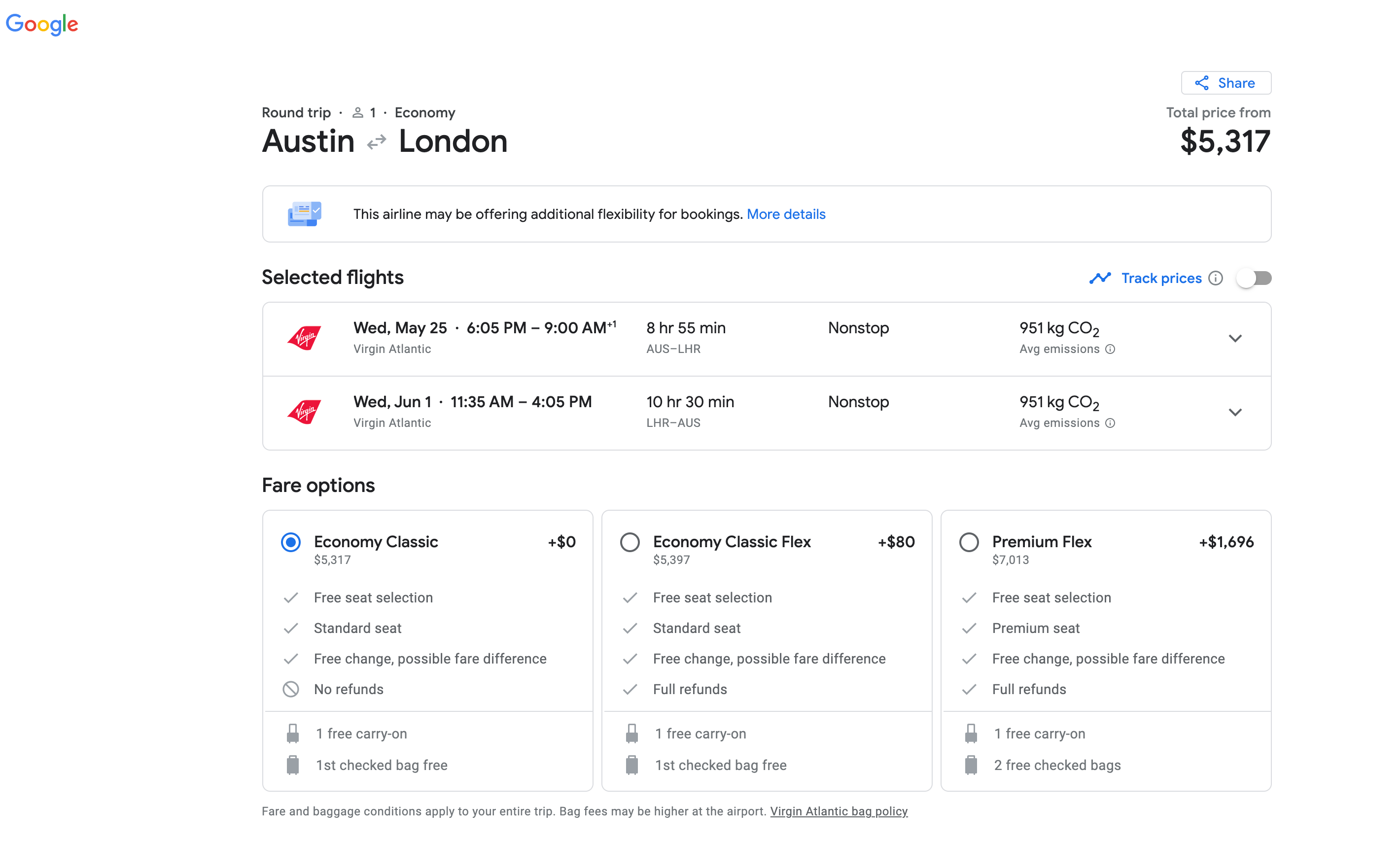
Virgin Atlantic provides stiff competition on this route, often deploying the Airbus A350-1000. This aircraft is known for its quiet cabin and advanced aerodynamics. Virgin’s flight times mirror those of British Airways, generally clocking in at around 9.5 hours for the eastbound leg. The choice between these two often comes down to loyalty programs and specific cabin class preferences rather than a significant difference in flight duration.
Connecting Flight Options and Time Considerations
While direct flights are the most efficient, many travelers opt for connecting flights due to price sensitivity or the desire to accrue miles with other alliances like Star Alliance or United.
Common Layover Hubs
When flying from Austin to London with a connection, your total travel time will increase to anywhere from 12 to 18 hours. The most common connection points include:
- Dallas/Fort Worth (DFW): A very short hop from Austin, followed by a long-haul leg to London. Total time is often around 12-13 hours.
- New York (JFK/EWR): This splits the journey into a 3.5-hour domestic flight and a 7-hour transatlantic flight.
- Atlanta (ATL): A major hub for Delta Air Lines, offering numerous daily departures to London.
- Chicago (ORD): A frequent connection point for United and American Airlines.
The Impact of Layover Duration
The primary variable in connecting flight time is the "ground time." A tight 90-minute connection is possible at hubs like JFK, but international travel often requires a 2-to-3-hour buffer to account for potential domestic delays or terminal changes. In 2026, expanded biometric boarding at major US hubs has streamlined some of these processes, but the physical distance between gates remains a factor.
Factors That Influence Transatlantic Flight Times
It is rare for a flight to take the exact same amount of time two days in a row. Several technical and environmental factors influence the duration of the Austin to London route.
The Jet Stream and Wind Patterns
The most significant factor is the jet stream—a high-altitude, fast-moving air current that flows from west to east across the Atlantic. When flying from Austin to London, planes "hitch a ride" on this current, which acts as a powerful tailwind. This is why the flight to London is nearly an hour shorter than the flight back to Texas. If the jet stream is particularly strong, an eastbound flight can occasionally land 30 to 45 minutes ahead of schedule.
The "Great Circle" Route
Airplanes do not fly in a straight line on a flat map. Instead, they follow a "Great Circle" route, which accounts for the Earth's curvature. For Austin to London, this path takes aircraft northeast over the mid-western United States, through Eastern Canada (Newfoundland and Labrador), and across the North Atlantic before entering UK airspace over Ireland or Scotland. Changes in the North Atlantic Tracks (NATs)—the "highways in the sky" used for oceanic crossings—can add or subtract miles from the journey depending on daily weather and traffic conditions.
Air Traffic Control and Holding Patterns
London Heathrow is one of the busiest airports in the world. Even if a flight makes record time across the ocean, it may be placed in a "holding stack" over the South of England if the runways are congested. This can add 15 to 20 minutes to the total time the passenger spends on the aircraft.
Austin-Bergstrom (AUS) and London Heathrow (LHR) Logistics
Navigating the airports is a component of the total travel experience that "flight time" alone doesn't capture.
Departing from Austin
Austin-Bergstrom International Airport has undergone significant expansions to accommodate its growth as a tech hub. For international flights, passengers are advised to arrive at least three hours before departure. This allows for checking bags and clearing the TSA checkpoints, which can be congested during peak morning and late-afternoon periods. As of 2026, the airport has integrated more automated bag-drop systems to expedite the pre-flight process.
Arriving at London Heathrow
Most flights from Austin land at Terminal 5 (British Airways) or Terminal 3 (Virgin Atlantic). Upon arrival, passengers must navigate UK Border Control. For US citizens, the use of eGates (electronic passports) has significantly reduced wait times, often allowing travelers to clear immigration in under 15 minutes. However, the walk from the gate to the immigration hall in Terminal 5 can be substantial, sometimes taking 10 to 15 minutes on its own.
| Airline | Flight Type | Average Duration (Eastbound) | Average Duration (Westbound) | Primary Aircraft |
|---|---|---|---|---|
| British Airways | Non-Stop | 9h 25m | 10h 35m | Boeing 787-9/10 |
| Virgin Atlantic | Non-Stop | 9h 30m | 10h 40m | Airbus A350-1000 |
| Delta Air Lines | 1 Stop (via ATL) | 12h 45m+ | 14h 15m+ | Varies |
| American Airlines | 1 Stop (via DFW) | 12h 15m+ | 13h 50m+ | Varies |
| United Airlines | 1 Stop (via IAH) | 13h 00m+ | 14h 30m+ | Varies |
Managing the 6-Hour Time Difference
The flight time is only half the battle; the other half is the time zone shift. Austin is in the Central Time Zone (CST/CDT), while London operates on Greenwich Mean Time (GMT) or British Summer Time (BST).
Strategies for the Eastbound Leg
Because you lose six hours traveling to London, the flight feels much shorter than it is. Most direct flights depart Austin around 6:00 PM and land at 9:00 AM the next day. To mitigate jet lag, it is recommended to eat dinner quickly after take-off and maximize sleep during the middle six hours of the flight. Avoiding caffeine and alcohol on the aircraft can help your internal clock adjust more rapidly to the London morning.
Strategies for the Westbound Leg
Returning to Austin is often easier on the body, despite the longer flight time. Because you are traveling with the sun, the day feels extended. If you depart London at noon, you will land in Austin around 4:30 PM the same day. Staying awake for the duration of the return flight and going to bed at a normal hour in Austin time is the most effective way to reset your circadian rhythm.
Required Documentation for 2026
By 2026, the requirements for entry into the United Kingdom have evolved. US citizens traveling from Austin to London now require a valid UK Electronic Travel Authorisation (ETA). This digital permit is linked to your passport and must be applied for online prior to your departure from Austin-Bergstrom. Most ETAs are approved within hours, but it is recommended to secure yours at least 72 hours before your flight. You can find official information and the application portal on the UK Government's official website.
Frequently Asked Questions
Which London airport do flights from Austin fly into?
Currently, all direct flights from Austin-Bergstrom International Airport (AUS) fly into London Heathrow (LHR). While London Gatwick (LGW) and London Stansted (STN) serve many international routes, they do not presently host non-stop service from the Austin market.
Is it cheaper to fly direct or with a connection?
Generally, connecting flights through hubs like Dallas, Chicago, or New York are cheaper than non-stop flights. However, the price difference is often balanced by the convenience of the direct route, which saves approximately 3 to 5 hours of total travel time.
What is the best time of year to fly to London from Austin?
In terms of flight duration, the time of year makes little difference. However, for pricing and crowds, the "shoulder seasons"—late spring (May) and early autumn (September/October)—offer the best balance. Summer months (June–August) see the highest demand and ticket prices.
Are there any daytime flights from Austin to London?
Almost all non-stop flights from Austin to London are "red-eyes," meaning they fly overnight and arrive the next morning. Daytime transatlantic flights are typically only available from major East Coast hubs like JFK or Boston.
Do I need a visa to fly from Austin to London?
As of 2026, US citizens do not need a traditional visa for short-term tourism or business trips to the UK. However, you must obtain an ETA (Electronic Travel Authorisation) before you travel.
Next Steps for Your Journey
Before booking your flight, verify your passport's expiration date; the UK requires that your passport be valid for the duration of your stay. Once your documents are in order, compare the schedules of British Airways and Virgin Atlantic to find the departure time that best fits your itinerary. If you are a business traveler, consider the non-stop options to maximize your recovery time before meetings. For those on a budget, look for connections through major US hubs during mid-week departures to find the most competitive fares.
Image Gallery