How to Prepare Basic Divorce Papers: A Step-by-Step Legal Guide
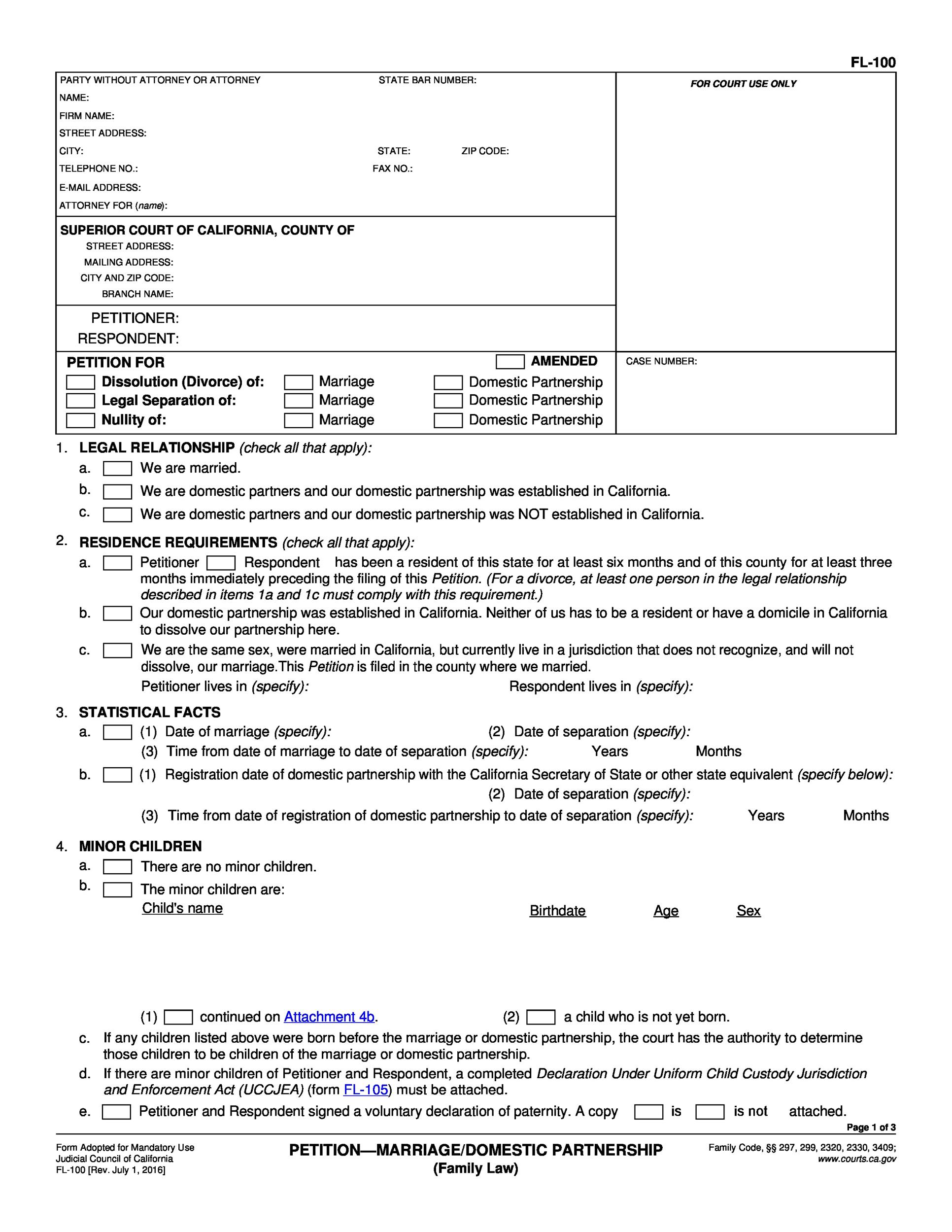
To prepare basic divorce papers, you must identify your state’s specific legal forms, typically a Petition for Dissolution of Marriage and a Summons. In 2026, most jurisdictions require these to be completed through official court e-fi...
To prepare basic divorce papers, you must identify your state’s specific legal forms, typically a Petition for Dissolution of Marriage and a Summons. In 2026, most jurisdictions require these to be completed through official court e-filing portals. You must provide detailed information regarding residency, assets, debts, and, if applicable, a comprehensive parenting plan.
Contents
The process of ending a marriage involves significant administrative and legal hurdles. While "basic" divorce papers suggest a simplified process—often referred to as an uncontested or summary dissolution—the accuracy of these documents is paramount. Errors in preparation can lead to dismissed cases, financial penalties, or the loss of parental rights. This guide provides a comprehensive overview of how to navigate the documentation required to initiate a divorce in 2026.
Determining Your Eligibility for Basic Divorce Filing
Before downloading forms or typing a single word, you must determine if you qualify for a "basic" or simplified filing. In the legal landscape of 2026, most states offer a streamlined path for couples who meet specific criteria. This is often called a "Pro Se" filing (representing yourself) or an "Uncontested Dissolution."
Residency Requirements and Jurisdiction
You cannot file for divorce in just any location. You must establish jurisdiction, which is the court's legal authority to hear your case. As of 2026, most U.S. states require at least one spouse to have been a resident of the state for six months and a resident of the specific county for 90 days. Some states, like Alaska or Washington, have shorter windows, while others remain more stringent. Verifying these dates is the first step in preparing your papers; if you file too early, the court will lack jurisdiction and your filing fee will likely be forfeited.
The Uncontested vs. Contested Distinction
Preparing "basic" papers usually assumes the divorce is uncontested. An uncontested divorce occurs when both parties agree on all major issues:
- Division of Assets: Who keeps the house, cars, and retirement accounts.
- Debt Allocation: Who is responsible for credit cards and student loans.
- Spousal Support: Whether alimony will be paid, the amount, and the duration.
- Child Custody: Where the children will live and how decisions will be made.
If there is a disagreement on even one of these points, your paperwork shifts from "basic" to "contested," which requires additional motions, discovery documents, and potentially a trial.
Identifying and Gathering the Necessary Forms
Every state has its own nomenclature, but the core "basic" divorce packet in 2026 generally consists of four to six primary documents. Most state judicial branches now provide these packets for free online in PDF or interactive "interview" formats.
1. The Petition or Complaint for Dissolution
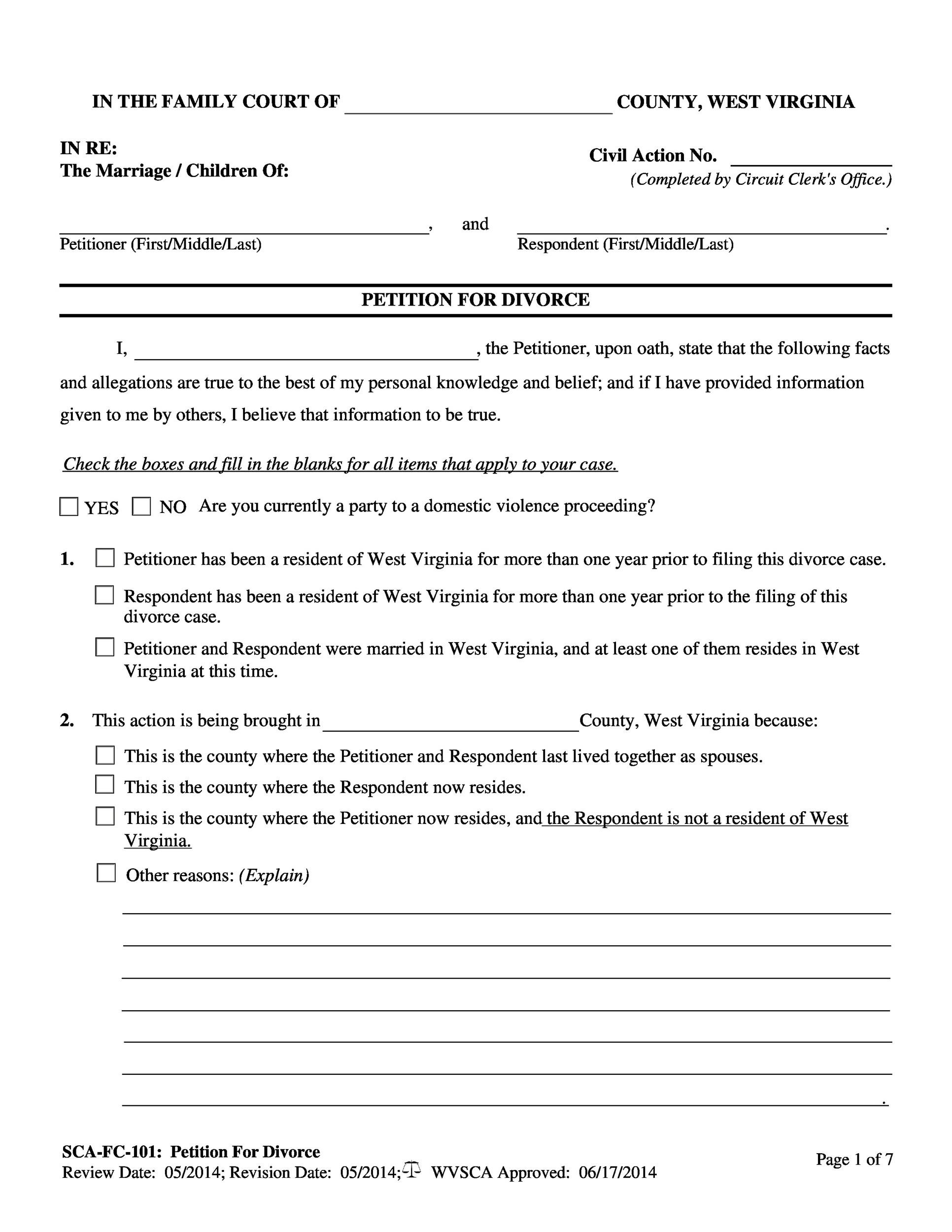
This is the foundational document. It "prays" (requests) the court to end the marriage. You will need to provide:
- Statistical Information: Dates of marriage and separation, names and ages of children, and current addresses.
- Grounds for Divorce: By 2026, every state recognizes "no-fault" grounds, often cited as "irreconcilable differences" or "irretrievable breakdown of the marriage."
- Statement of Assets: A high-level overview of what you are asking the court to divide.
2. The Summons
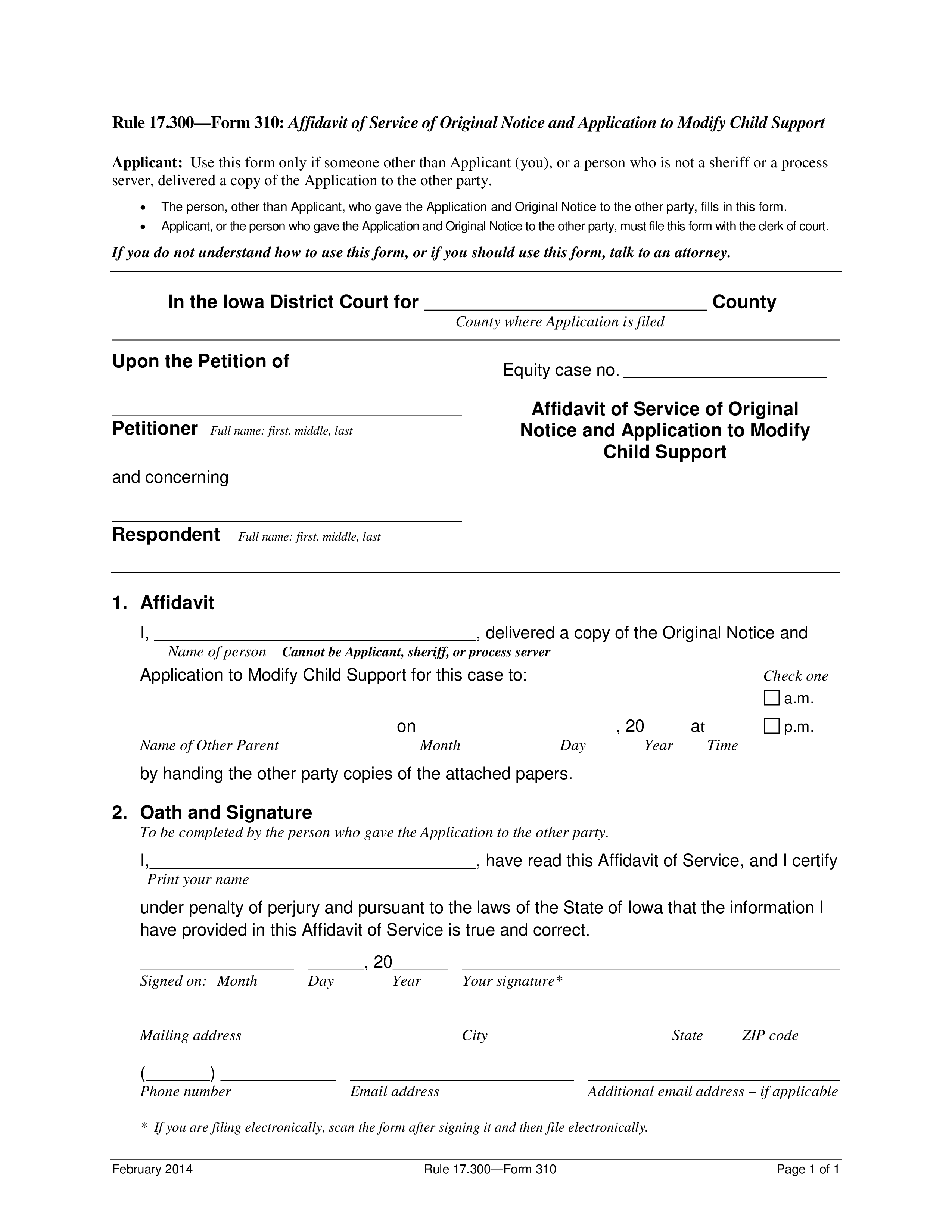
The Summons is a formal notice to the other spouse (the Respondent) that a legal action has started. It informs them of their right to respond within a specific timeframe—usually 20 to 30 days—and warns them that failure to do so may result in a "default judgment," where the court grants everything the petitioner requested.
3. Financial Affidavits
Even in a basic divorce, transparency is legally mandated. A Financial Affidavit is a sworn statement listing your monthly income, expenses, assets, and liabilities. In 2026, courts are increasingly strict about digital verification; you may be required to attach recent tax returns or pay stubs as exhibits. Intentional omissions on this form can be considered perjury and may lead to the reopening of the case years later.
4. The Settlement Agreement (Stipulation)
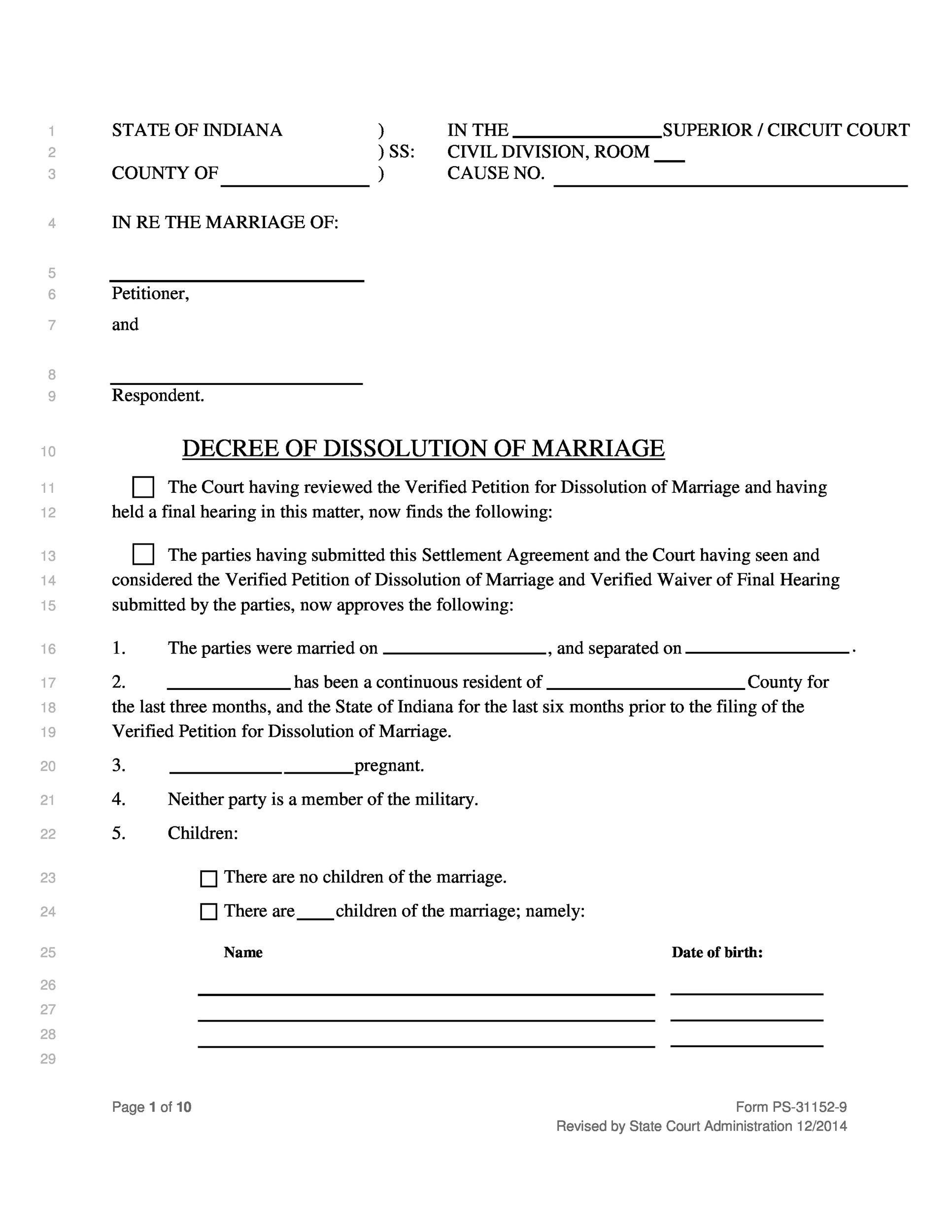
In an uncontested divorce, this is the most critical document you will prepare. It is a contract between you and your spouse detailing exactly how everything will be split. Once signed by a judge, this becomes a legally binding court order. It should be written in clear, unambiguous language to avoid future litigation.
The Step-by-Step Preparation Process
Once you have the forms, the actual preparation requires meticulous attention to detail. In the 2026 legal environment, many courts use automated software to "read" these documents, so formatting and clarity are more important than ever.
Step 1: Information Discovery
Collect all necessary data before you start typing. You will need:
- Legal descriptions of real estate (found on property deeds).
- Vehicle Identification Numbers (VINs) for all automobiles.
- The last four digits of all bank and investment accounts.
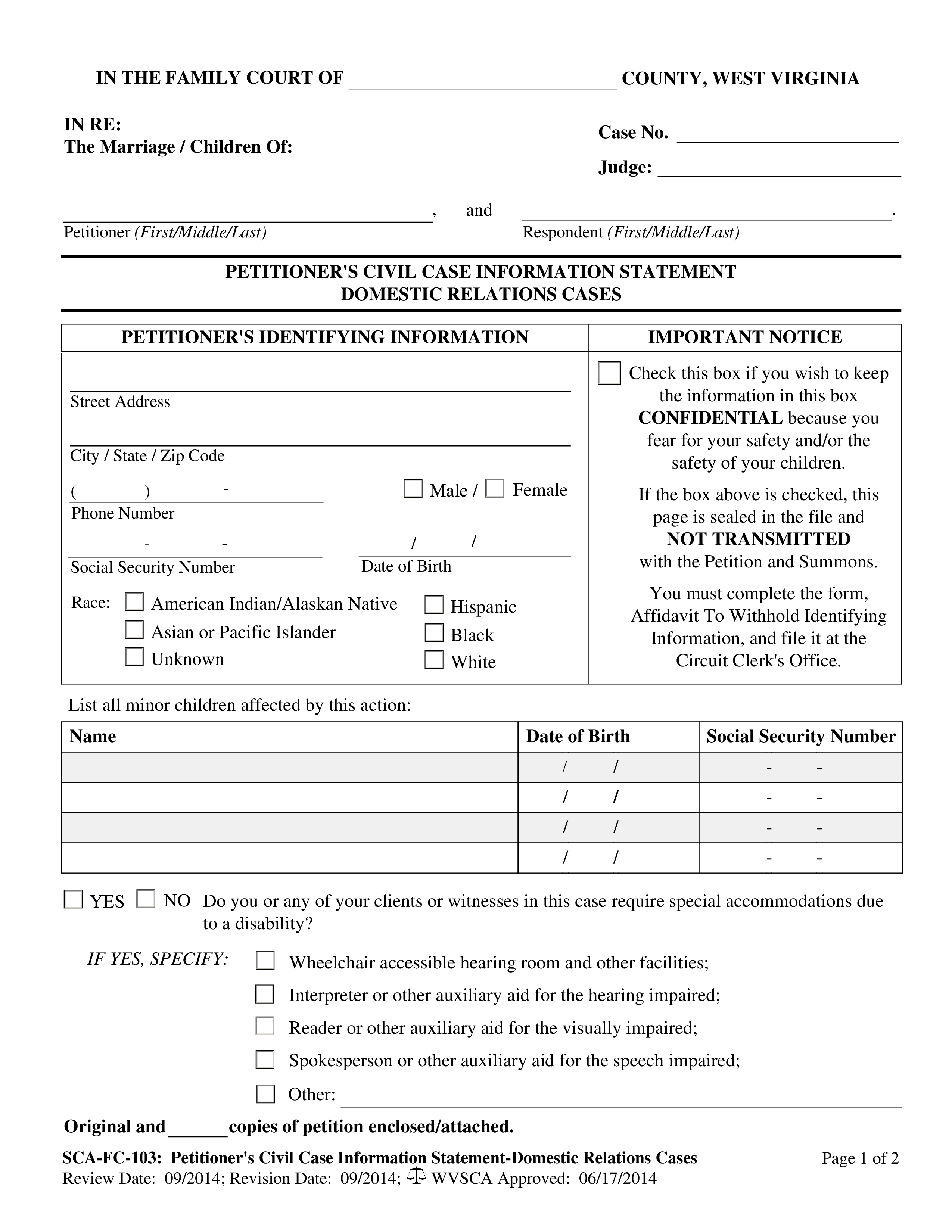
- Social Security numbers for both spouses and all children.
Step 2: Completing the Petition
When filling out the petition, ensure your name matches your legal identification exactly. If you are requesting a name change (reverting to a maiden name), this must be specifically requested within the petition. Under the section for "Prayer for Relief," be specific about what you want. Generalities like "fair division" are often rejected; use "Petitioner shall be awarded 100% interest in the 2022 Ford F-150."
Step 3: Drafting the Parenting Plan (If Applicable)
If children are involved, a basic divorce still requires a sophisticated Parenting Plan. This document must outline:
- Legal Custody: Who makes decisions about education, healthcare, and religion.
- Physical Custody: A calendar showing exactly where the child stays each night.
- Holiday Schedules: Clear rotations for major holidays and school breaks.
- Child Support: Calculations based on state-mandated guidelines, which usually factor in both parents' incomes and the number of overnights with each parent.
Step 4: Notarization and Verification
Most divorce papers require a "Verification" page where you swear under penalty of perjury that the contents are true. In 2026, many states allow for "Electronic Notarization" or "Remote Online Notarization" (RON). Ensure your digital signature meets the specific technical standards of your local court.
| Feature | DIY (Forms Only) | Online Prep Services | Full-Service Attorney |
|---|---|---|---|
| Cost (Estimated 2026) | $0 - $50 (plus filing fees) | $150 - $500 | $2,500 - $15,000+ |
| Time Investment | Very High | Moderate | Low |
| Accuracy Risk | High | Low/Moderate | Very Low |
| Best For | No children, no property | Simple uncontested cases | Complex assets or conflict |
| Technical Support | None | Software-based | Personal legal counsel |
Filing and Service of Process
Preparing the papers is only half the battle. To "commence" the action, the papers must be filed with the Clerk of Court.
E-Filing Protocols
In 2026, physical "paper" filing is becoming a rarity. Most counties use systems like Odyssey eFile or similar proprietary portals. You will need to create an account, upload your documents as OCR-searchable PDFs, and pay the filing fee via a secure payment gateway. Filing fees vary wildly, ranging from $150 to over $450 depending on the jurisdiction.
Serving the Respondent
"Service of Process" is the legal act of giving your spouse the papers. You cannot simply hand them the documents yourself in most states. You generally have three options:
- Acceptance of Service: Your spouse signs a form acknowledging they received the papers, waiving the need for a formal server. This is common in basic, friendly divorces.
- Process Server: A professional or a sheriff's deputy hand-delivers the papers for a fee.
- Certified Mail: Some jurisdictions allow service via restricted delivery mail, though this is increasingly scrutinized for reliability.
Common Pitfalls in Basic Document Preparation
Even with "basic" papers, small mistakes can lead to significant delays. Awareness of these common errors can save months of frustration.
- Inconsistent Data: If your Financial Affidavit says you earn $5,000 a month but your Child Support Worksheet says $4,800, the judge will likely reject the filing.
- Vague Asset Descriptions: Simply listing "The House" is insufficient. You must use the full legal description or the parcel ID found on the property tax records.
- Omitting Retirement Accounts: Many people assume that because a 401(k) is in their own name, it doesn't need to be listed. In almost all jurisdictions, any portion of a retirement account funded during the marriage is marital property and must be disclosed.
- Ignoring the "Cooling-Off" Period: Most states have a mandatory waiting period (e.g., 60 or 90 days) from the date of filing before a judge can sign the final decree. Preparing your papers does not mean you are divorced tomorrow.
Frequently Asked Questions
Can I prepare my own divorce papers if we own a business?
While you can, it is rarely advisable. Business valuation is a complex legal and accounting field. Basic forms usually lack the nuance required to handle buy-sell agreements, tax implications, or operating agreements. If a business is involved, the "basic" route often leads to future litigation regarding "omitted assets."
What if I cannot find my spouse to serve them?
In 2026, if you cannot locate your spouse after a "diligent search," you may file a motion for "Service by Publication" or, in some progressive jurisdictions, "Service by Social Media/Email." This requires a separate set of papers and a court order proving you made every effort to find them.
Do I need a lawyer to review my basic papers?
It is highly recommended to have a "Limited Scope" or "Unbundled" legal review. You can pay an attorney for one or two hours of their time to review your prepared documents for "red flags" before you file them. This is a cost-effective way to ensure your DIY approach won't backfire.
How do I calculate child support for the forms?
Most state court websites provide an official child support calculator for 2026. You input both parents' gross incomes, health insurance costs, and childcare expenses. The calculator generates a number that you must then transfer exactly onto your Final Decree or Settlement Agreement.
Are basic divorce papers valid if we were married in a different state?
Yes, as long as you meet the residency requirements of the state where you are currently filing. The location of the wedding ceremony does not dictate where the divorce must happen; the current residence of the parties does.
Practical Next Action
Your immediate next step is to visit the official website of your local County Clerk or the State Judicial Branch. Look for a section labeled "Self-Help," "Pro Se," or "Family Law Forms." Download the "Uncontested Divorce Packet with Children" or "without Children" as applicable. Review the "Instruction Sheet" first, as it contains the specific local rules for filing fees and e-filing procedures unique to your 2026 jurisdiction.
Image Gallery