Beta Crosslaps Monitoring in Postmenopausal Osteoporosis: Clinical Utility and Guidelines for 2026
Beta crosslaps (β-CTx) monitoring serves as a high-sensitivity biochemical tool for assessing bone resorption rates in postmenopausal osteoporosis. In 2026, it remains the preferred reference marker for evaluating the immediate efficac...
Beta crosslaps (β-CTx) monitoring serves as a high-sensitivity biochemical tool for assessing bone resorption rates in postmenopausal osteoporosis. In 2026, it remains the preferred reference marker for evaluating the immediate efficacy of anti-resorptive therapies, such as bisphosphonates or denosumab, providing actionable feedback on treatment response within three to six months—significantly faster than traditional bone density scans.
Contents
Understanding Beta Crosslaps (β-CTx) as a Bone Resorption Marker
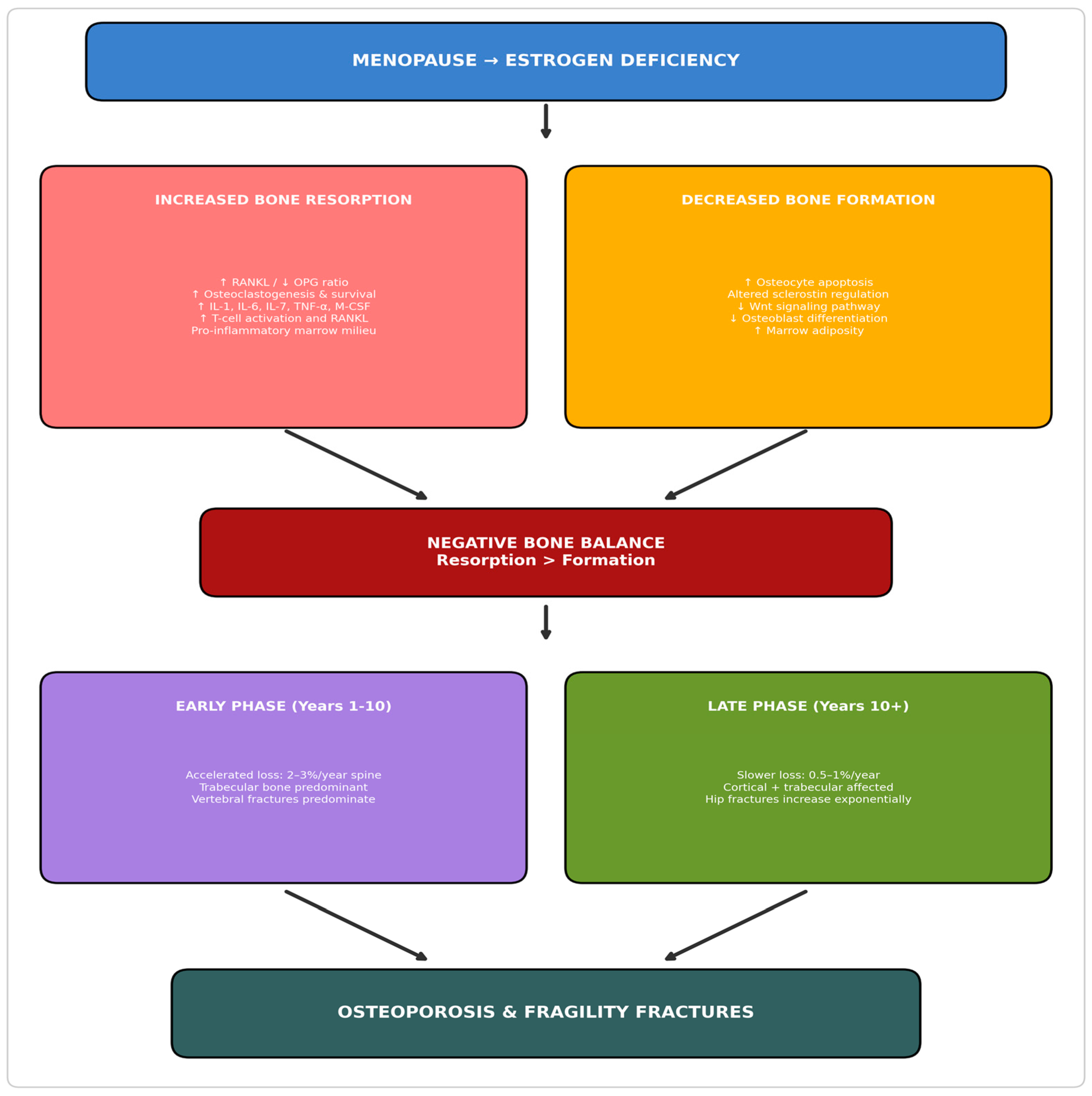
In the complex cycle of bone remodeling, two primary processes occur simultaneously: bone formation by osteoblasts and bone resorption by osteoclasts. Postmenopausal osteoporosis is characterized by an imbalance where resorption outpaces formation, primarily due to the decline in estrogen levels. Beta crosslaps, or C-terminal telopeptide of type I collagen (β-CTx), are specific degradation products released into the bloodstream during the breakdown of type I collagen, which constitutes approximately 90% of the bone matrix.
Unlike other markers, β-CTx is highly specific to bone. During the resorption process, osteoclasts secrete proteases that cleave collagen fibers. The resulting fragments include the C-terminal and N-terminal telopeptides. The "beta" designation refers to the isomerization of the aspartic acid residue within the peptide sequence, a process that occurs as bone ages. Therefore, elevated levels of β-CTx in the serum are a direct reflection of increased osteoclastic activity and the degradation of mature bone tissue.
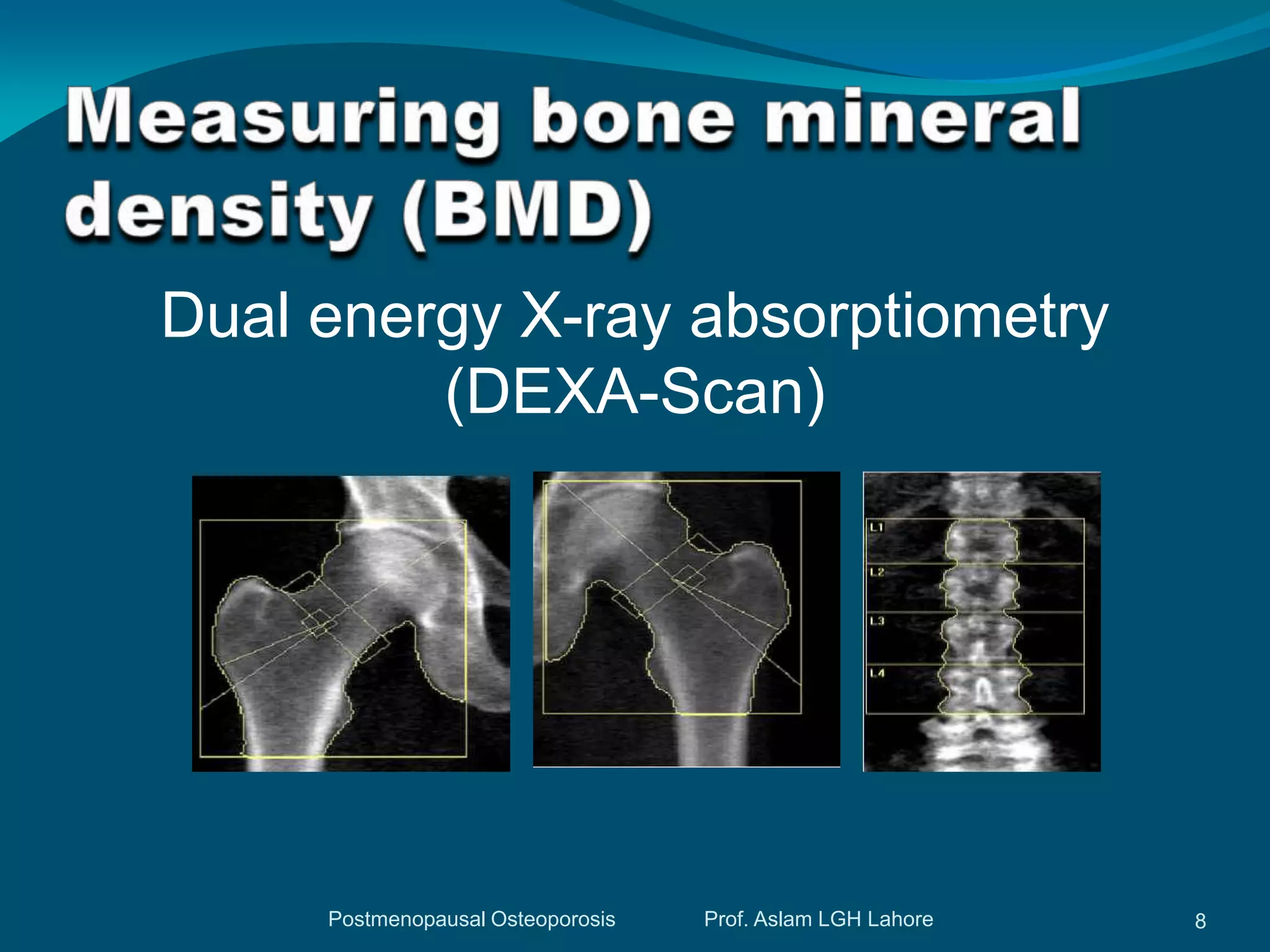
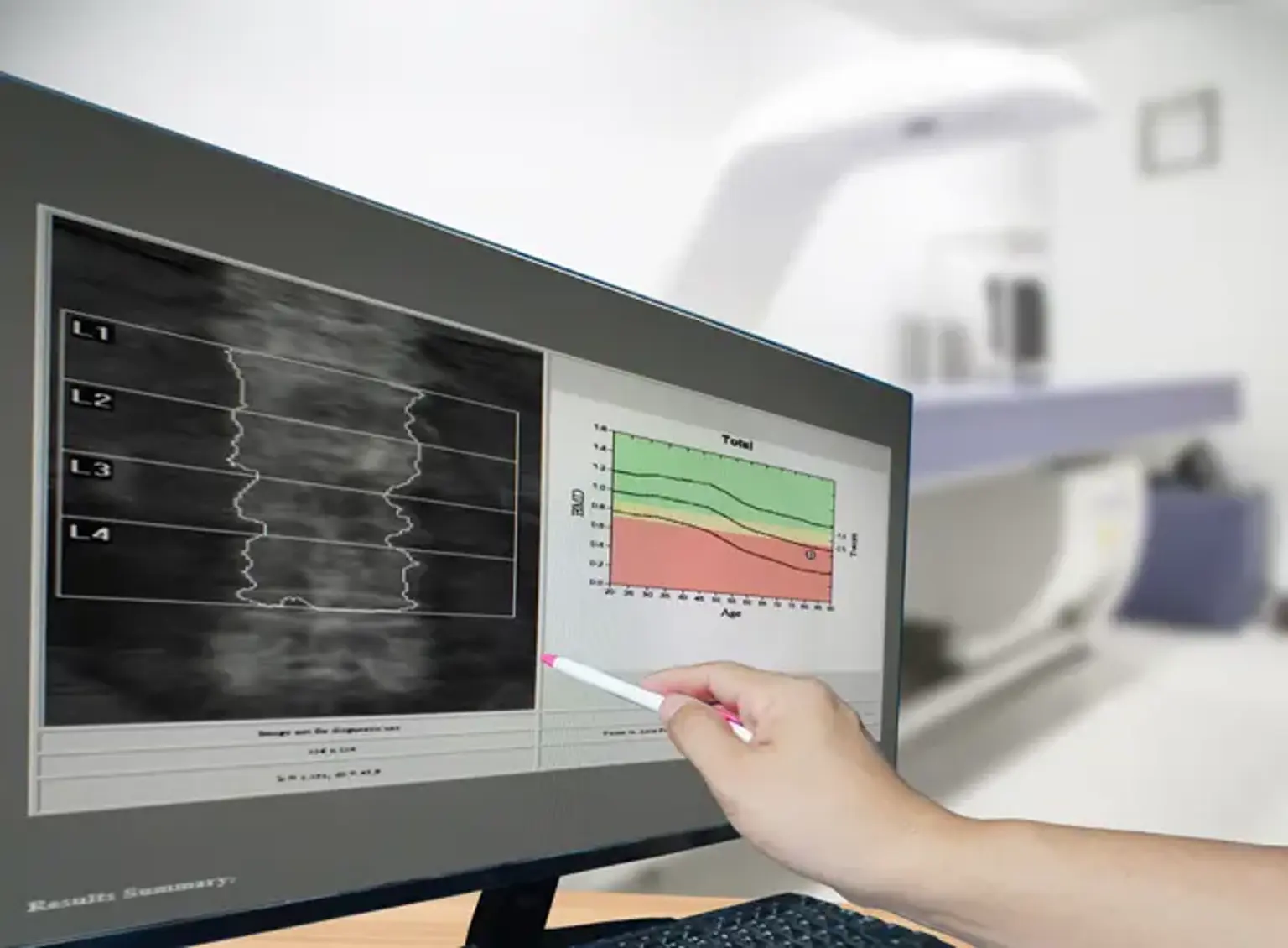
In 2026, clinical guidelines from the International Osteoporosis Foundation (IOF) and the International Federation of Clinical Chemistry (IFCC) continue to designate serum β-CTx as the "gold standard" biochemical marker for bone resorption. Its primary value lies in its dynamic nature; while a Dual-Energy X-ray Absorptiometry (DEXA) scan measures the accumulated result of years of bone loss, β-CTx provides a real-time "snapshot" of current skeletal decay.
The Clinical Role of β-CTx in Postmenopausal Care
The management of postmenopausal osteoporosis has shifted toward a more personalized approach. Monitoring β-CTx allows clinicians to move beyond a "one-size-fits-all" treatment plan. The clinical utility of this marker is categorized into three main areas: baseline risk assessment, monitoring treatment adherence, and evaluating drug efficacy.
Baseline Risk Assessment
While β-CTx is not a stand-alone diagnostic tool for osteoporosis—that role still belongs to the DEXA scan and T-score assessment—it provides critical prognostic information. Postmenopausal women with high baseline β-CTx levels are at a statistically higher risk for vertebral and non-vertebral fractures, independent of their Bone Mineral Density (BMD). In 2026, specialists use these baseline markers to identify "high-turnover" patients who may require more aggressive initial therapy.
Monitoring Treatment Efficacy
The most significant limitation of DEXA scans is the time required to see a measurable change in bone density, often 12 to 24 months. For a patient starting a bisphosphonate or a RANK ligand inhibitor (denosumab), waiting two years to find out if a drug is working is inefficient.
Beta crosslaps respond rapidly. Following the initiation of effective anti-resorptive therapy, serum β-CTx levels typically drop by 30% to 70% within the first three to six months. If a clinician observes this "significant decrease," they can confidently confirm that the medication is biologically active in the patient’s system long before the DEXA scan reflects a stabilized T-score.
Detecting Non-Adherence and Malabsorption
Osteoporosis medications, particularly oral bisphosphonates like alendronate, often have low persistence rates due to complex dosing requirements or gastrointestinal side effects. If a follow-up test at six months shows that β-CTx levels have not decreased from the baseline, it triggers a clinical investigation into:
- Non-adherence: Is the patient taking the medication as prescribed?
- Dosing errors: Is the patient taking the pill with food or coffee, which prevents absorption?
- Malabsorption: Does the patient have an underlying condition like Celiac disease that prevents the drug from entering the bloodstream?
Standardization and Pre-Analytical Requirements
The accuracy of β-CTx monitoring is highly dependent on strict adherence to collection protocols. Because bone turnover follows a circadian rhythm, levels are highest in the early morning and lowest in the afternoon. Furthermore, food intake significantly suppresses β-CTx levels.
To ensure results are comparable over time, the following 2026 standardized protocols are mandatory:
- Fasting State: The patient must be fasting for at least 8 to 12 hours prior to blood draw. Even a small meal can cause a transient drop in β-CTx, leading to a false interpretation of treatment success.
- Morning Collection: Blood samples must be collected between 8:00 AM and 10:00 AM.
- Consistency: Subsequent follow-up tests must be performed at the same time of day and under the same fasting conditions as the baseline test.
- Stability: Serum must be separated from cells quickly. In 2026, labs utilize automated electrochemiluminescence immunoassay (ECLIA) platforms, which require precise sample handling to maintain peptide integrity.
Interpreting the "Least Significant Change" (LSC)
A common mistake in interpreting bone markers is reacting to minor fluctuations that fall within the range of normal biological or analytical variation. To determine if a change in β-CTx is clinically meaningful, clinicians use the Least Significant Change (LSC).
The LSC is the minimum percentage change required to be 95% certain that the change is due to the treatment and not random variation. For serum β-CTx, the LSC is generally considered to be approximately 25% to 30%. Therefore, if a patient’s β-CTx drops from 0.600 ng/mL to 0.550 ng/mL, it is not considered a significant response. However, a drop from 0.600 ng/mL to 0.300 ng/mL (a 50% reduction) is a clear indicator of therapeutic success.
| Parameter | β-CTx (Resorption) | P1NP (Formation) | DEXA (BMD) |
|---|---|---|---|
| Primary Process | Bone breakdown | Bone building | Mineral density |
| Response Time | 3–6 months | 3–6 months | 12–24 months |
| Standard LSC | ~30% reduction | ~25% increase/decrease | ~3-5% change |
| Fasting Required | Yes (Strict) | No | No |
| 2026 Clinical Status | Reference marker | Reference marker | Diagnostic Gold Standard |
Limitations and Considerations in 2026
While β-CTx is a powerful tool, it is not without limitations. Clinicians must account for several confounding factors that can skew results:
- Renal Function: β-CTx is cleared by the kidneys. Patients with chronic kidney disease (CKD) may have artificially elevated levels because the fragments are not being cleared efficiently, rather than an increase in bone resorption.
- Recent Fractures: If a patient has suffered a bone fracture within the last six months, systemic bone turnover increases to facilitate healing. This will temporarily spike β-CTx levels, making them unreliable for monitoring underlying osteoporosis until the fracture has healed.
- Glucocorticoids: Patients on long-term steroid therapy may show suppressed bone formation and resorption markers, requiring a different interpretative framework.
- Anabolic Therapy: When patients are on bone-building agents (like teriparatide or romosozumab), β-CTx levels may actually increase as part of the "coupling" effect, where increased formation eventually triggers increased resorption. In these cases, P1NP is the more critical marker to watch.
Logistics: Cost and Accessibility
As of 2026, serum β-CTx testing is widely available through major diagnostic laboratories. While more expensive than a routine metabolic panel, it is significantly less costly than a DEXA scan or the long-term cost of treating a hip fracture. In many jurisdictions, insurance coverage for Bone Turnover Markers (BTMs) is approved specifically for monitoring the response to FDA-approved osteoporosis medications, rather than for general screening.
Patients should verify with their providers if their specific ICD-10 codes for postmenopausal osteoporosis (such as M81.0) are paired with the laboratory request to ensure reimbursement.
Frequently Asked Questions
Can β-CTx replace my yearly DEXA scan?
No, β-CTx cannot replace a DEXA scan. The DEXA scan is necessary to measure the actual structural strength and mineral density of your bones to diagnose osteoporosis. The β-CTx test is a supplemental tool used to see if your medication is working right now, whereas the DEXA tells you the cumulative result over a year or more.
My β-CTx level is high, but my bone density is normal. What does this mean?
A high β-CTx with a normal DEXA may indicate that you are in a "high-turnover" state. This means your body is currently breaking down bone at an accelerated rate. While your density might still be in the normal range today, you may be at risk for rapid bone loss in the near future. This often happens in early menopause.
Why is fasting so important for this specific blood test?
Eating triggers the release of gastrointestinal hormones like GLP-2, which have a suppressive effect on osteoclasts (the cells that break down bone). If you eat before your test, your β-CTx levels will drop temporarily, which could lead your doctor to mistakenly believe your osteoporosis medication is working better than it actually is.
How often should I have my β-CTx monitored?
The standard protocol in 2026 is to take a baseline measurement before starting a new medication, followed by a repeat test at 3 or 6 months. Once a stable and effective response is confirmed, monitoring may move to an annual basis or be paused until a change in therapy is considered.
Can vitamins or supplements affect my β-CTx results?
Biotin (Vitamin B7) is a common supplement that can interfere with the laboratory assays used to measure β-CTx. Many high-dose hair and nail supplements contain biotin. It is generally recommended to stop taking biotin-containing supplements at least 48 to 72 hours before the blood draw to ensure an accurate reading.
Expert Recommendation for 2026
For postmenopausal women diagnosed with osteoporosis, the integration of β-CTx monitoring into a care plan offers peace of mind and clinical precision. If you are beginning a treatment regimen involving bisphosphonates (such as zoledronic acid or risedronate) or denosumab, request a baseline serum β-CTx test. Re-testing at the six-month mark provides the earliest possible verification that the medication is successfully protecting your skeletal integrity. Always ensure that these tests are conducted under strict fasting conditions and at the same time of morning to maintain the validity of the data.
Image Gallery