Exploring StarClinch Music CRM Software: Streamlining the Business of Live Entertainment
StarClinch music CRM software is a specialized business management suite designed for performing artists, bands, and talent agencies to manage bookings, leads, and professional communications. It centralizes the administrative lifecycl...
StarClinch music CRM software is a specialized business management suite designed for performing artists, bands, and talent agencies to manage bookings, leads, and professional communications. It centralizes the administrative lifecycle of a performer—from initial inquiry and contract negotiation to payment tracking and performance feedback—within a single, data-driven ecosystem tailored to the live entertainment industry.
Contents
The Evolution of CRM in the Live Music Ecosystem
The music industry has historically relied on fragmented systems to manage business operations. Artists often find themselves juggling emails, WhatsApp messages, digital spreadsheets, and physical contracts. This fragmentation leads to "lead leakage," where potential gig opportunities are lost due to slow response times or administrative oversight. By 2026, the shift toward niche-specific Customer Relationship Management (CRM) tools like StarClinch has become essential for those looking to scale their professional output.
Unlike generic CRMs such as Salesforce or HubSpot, which require extensive customization to understand the nuances of "gig dates," "sound riders," and "artist hospitality," StarClinch is built with the performance workflow as its primary architecture. It acknowledges that a lead in the music world isn't just a contact—it is a time-sensitive event with specific technical and logistical requirements.
For the independent artist or the boutique talent agency, the StarClinch environment acts as a virtual office. It bridges the gap between being a "creative" and being a "business entity," providing the structure necessary to handle high volumes of inquiries without sacrificing the quality of client interaction.
Core Features of the StarClinch Management Suite
To understand the value of StarClinch music CRM software, one must examine the specific modules designed to handle the volatility of the live entertainment market. The software functions as a multi-layered tool that handles the "front office" of sales and the "back office" of operations.
Lead Management and Centralized Communication
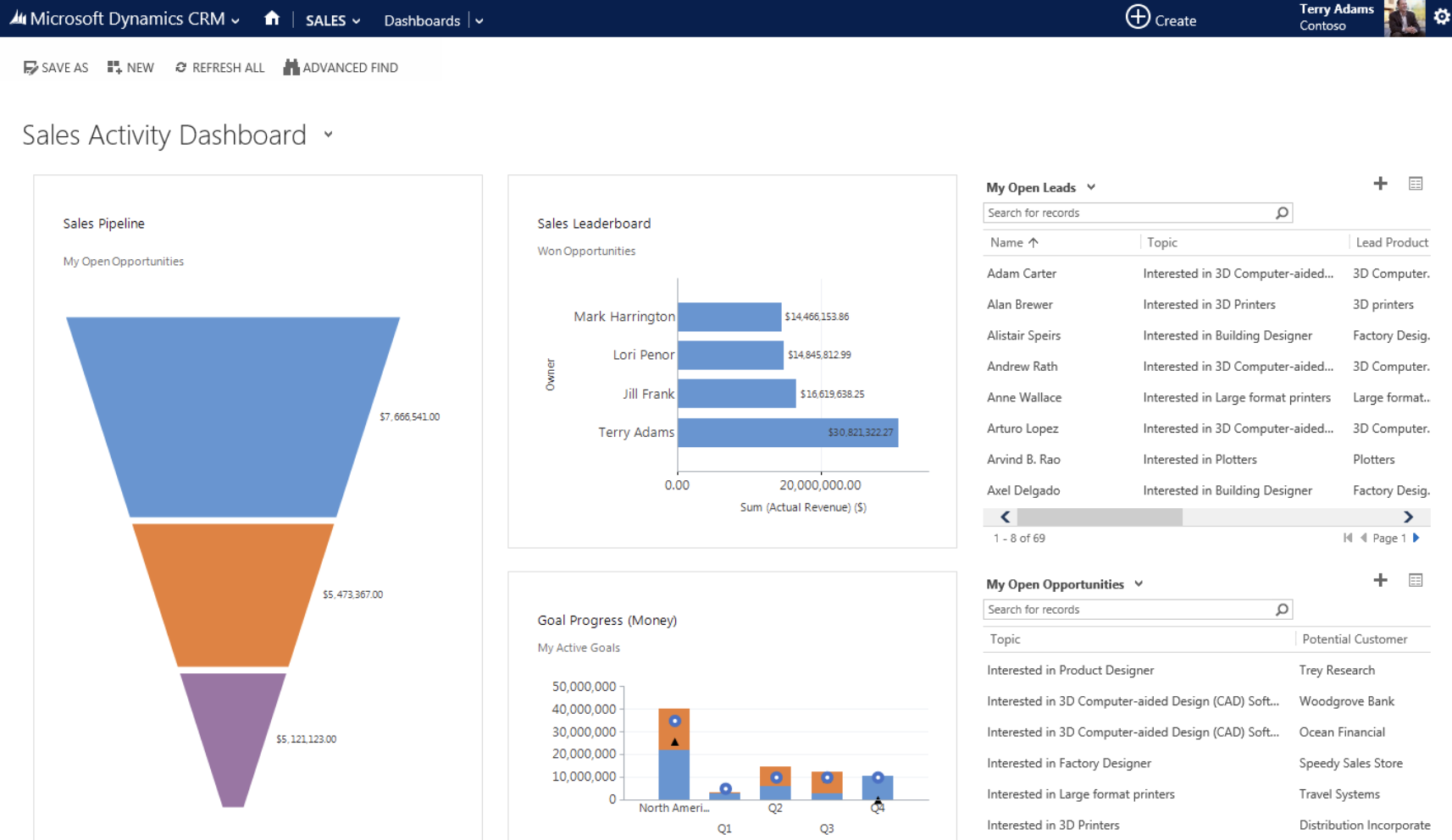
The heart of the StarClinch CRM is its lead ingestion engine. In the 2026 business landscape, leads come from various sources: organic search, social media, the StarClinch marketplace itself, and direct referrals. The CRM centralizes these into a unified dashboard.
Each lead profile includes specific data points relevant to a performer:
- Event Type: Distinguishing between corporate events, weddings, and private parties.
- Budget Alignment: Filtering leads based on the artist’s established price floor.
- Technical Requirements: Identifying early if the venue can support the artist’s technical rider.
This centralization allows for rapid response. Data suggests that performers who respond to inquiries within the first hour are significantly more likely to secure a booking. The CRM uses automated notifications to ensure no inquiry goes cold.
Automated Contracting and Digital Signatures
One of the most significant friction points in the music business is the execution of legal agreements. StarClinch streamlines this by integrating a dynamic contract generator. When a client moves from "inquiring" to "ready to book," the CRM pulls data from the lead profile to populate a standard performance agreement.
This process includes:
- Rider Integration: Automatically attaching technical and hospitality riders to the main contract.
- E-Signatures: Allowing both the artist and the client to sign documents digitally, which is legally binding in most jurisdictions including India, the US, and the EU.
- Version Control: Keeping track of amendments made during negotiations to ensure the final performance is based on the most recent agreement.
Financial Management and Payout Tracking
The financial module within the StarClinch CRM handles the complexities of deposits, balance payments, and commissions. For talent agencies, this is particularly vital as it automates the split between the artist's fee and the agency's margin.
The software tracks the "payment lifecycle," sending automated reminders to clients when a balance is due. This reduces the need for the artist to play the role of a debt collector, preserving the professional relationship. Furthermore, the 2026 updates have enhanced tax compliance features, allowing users to generate GST or VAT-compliant invoices with a single click.
Technical Specifications and Platform Accessibility
As a cloud-based SaaS (Software as a Service) platform, StarClinch music CRM software is designed for mobility. Since musicians and managers are frequently on the road, the platform emphasizes a "mobile-first" experience through its dedicated application and responsive web interface.
| Feature | Specification / Detail |
|---|---|
| Deployment Model | Cloud-based (SaaS) |
| Supported Platforms | Web (Chrome, Safari, Firefox), iOS, Android |
| Data Encryption | 256-bit SSL encryption for all transactions and data storage |
| Integration Support | Google Calendar, iCal, WhatsApp Business API, Stripe/Razorpay |
| User Access Control | Multi-user support for agencies (Admin, Manager, Artist roles) |
| Reporting | Real-time analytics on lead conversion, revenue, and venue trends |
The software utilizes a secure database architecture to ensure that sensitive client information—such as contact details for high-net-worth individuals or corporate event planners—remains confidential. Data privacy is a cornerstone of the platform, adhering to modern standards of data protection.
Comparing StarClinch with Alternative CRM Solutions
When selecting a CRM, music professionals must decide between general-purpose tools and industry-specific platforms. While generic tools offer deep customization, they often lack the immediate "plug-and-play" utility of a music-focused system.
- StarClinch vs. Generic CRMs (HubSpot/Zoho): Generic CRMs are excellent for B2B sales but require hours of setup to handle things like "soundcheck times" or "setlist management." StarClinch comes pre-configured with these fields, saving the user significant setup time.
- StarClinch vs. Project Management Tools (Trello/Asana): While Trello is great for tracking tasks, it lacks integrated payment gateways and legal contract automation. StarClinch combines task management with financial and legal infrastructure.
- StarClinch vs. Marketplace Listings: Many artists confuse a simple profile listing with a CRM. A listing gets you discovered; the CRM helps you close the deal and manage the relationship after the discovery.
Implementing StarClinch into Your Professional Workflow
Transitioning to a CRM requires a disciplined approach to data entry and process management. To get the most out of StarClinch, artists and agencies should follow a structured implementation path.
Step 1: Profile and Asset Optimization
The CRM is only as effective as the material it presents. Users must upload high-quality promotional kits (EPKs), technical riders, and updated repertoire lists. These assets are automatically pulled into proposals and contracts, so they must be current.
Step 2: Lead Channel Integration
Users should connect their existing inquiry channels to the CRM. This might involve embedding a StarClinch inquiry form on their official website or linking their social media "Book Now" buttons to their StarClinch profile. This ensures that every potential client enters the same organized pipeline.
Step 3: Setting Up Automation Rules
Automations are the primary time-savers in any CRM. Users should configure:
- Auto-Replies: Acknowledging receipt of an inquiry instantly.
- Follow-up Sequences: Checking in with a client if they haven't responded to a quote after 48 hours.
- Payment Reminders: Triggering alerts 7 days before a performance if the balance remains unpaid.
Troubleshooting and Optimizing Performance
Even with robust software, users may encounter hurdles. Common issues usually stem from data silos—where information is kept outside the CRM—or technical connectivity problems.
- Syncing Issues: If the CRM calendar is not reflecting external dates (like a personal Google Calendar), users should verify the API permissions in the settings menu. Periodic re-authentication of third-party apps is often required for security.
- Notification Delays: Ensure that the mobile app has "Background App Refresh" enabled. Missing a push notification for a last-minute gig can result in lost revenue.
- Client Portal Access: Occasionally, clients may struggle to view digital contracts. Providing a downloadable PDF backup (a feature integrated into the StarClinch dashboard) ensures that the legal process does not stall.
The StarClinch support ecosystem typically offers documentation and direct assistance for enterprise users or high-volume agencies, ensuring that technical glitches do not interfere with the booking cycle.
Frequently Asked Questions
Is StarClinch CRM suitable for international artists?
Yes. While StarClinch has a strong presence in the Indian market, its CRM features—such as contract generation and lead tracking—are designed to be used globally. The platform supports multiple currencies and can be adapted to various international tax requirements as of 2026.
How does the CRM handle multiple band members or staff?
The software includes multi-user access levels. A band manager can have full administrative rights to manage finances and contracts, while individual performers can have "Read-Only" access to view their schedule and venue details without seeing sensitive financial data or other clients' information.
Can I use the CRM if I am not listed on the StarClinch marketplace?
While the CRM is most powerful when integrated with the marketplace leads, it can function as a standalone management tool for your direct bookings. You can manually enter leads from your own website or offline sources to keep all your business data in one place.
What happens to my data if I stop using the service?
Standard data portability rules apply. Users can typically export their contact lists and booking history in CSV or Excel formats. It is recommended to perform monthly exports of your data for your own offline records and long-term business intelligence.
Does the software support virtual or hybrid performances?
Yes, the 2026 version of the CRM includes specific fields for streaming links, virtual platform requirements (Zoom/Teams integration), and time-zone adjustments for international digital bookings, reflecting the permanent shift toward hybrid event models.
Next Steps for Professional Growth
To leverage StarClinch music CRM software effectively, start by conducting an audit of your current booking process. Identify where you are losing time or where communications are falling through the cracks. By migrating these processes to a centralized CRM, you not only improve your professional image but also free up significant time to focus on your creative output. For agencies, the scalability provided by such a system is the difference between managing five artists and managing fifty.
Image Gallery