Exploring the First Unitarian Universalist Society of San Francisco: A Guide to Community Life and Values
The First Unitarian Universalist Society of San Francisco (UUSF) is a landmark progressive religious community located at 1187 Franklin Street. Serving as a hub for social justice, spiritual growth, and inclusive fellowship since 1850,...
The First Unitarian Universalist Society of San Francisco (UUSF) is a landmark progressive religious community located at 1187 Franklin Street. Serving as a hub for social justice, spiritual growth, and inclusive fellowship since 1850, it offers weekly services, diverse small-group ministries, and extensive community outreach programs dedicated to equity, intellectual freedom, and compassion in the heart of the city.
Contents
Historical Foundations: A Legacy of Progressive Faith in San Francisco
The First Unitarian Universalist Society of San Francisco holds a distinguished place in the city's history, dating back to its founding in 1850 during the height of the Gold Rush. While many institutions from that era focused on rapid expansion or commercial gain, the early Unitarian community sought to establish a moral and intellectual anchor in a chaotic frontier town. The congregation’s history is inextricably linked to the figure of Thomas Starr King, often called the "Saint of the West." Arriving in 1860, King was a charismatic preacher whose rhetoric is credited with helping keep California in the Union during the Civil War. His legacy of combining spiritual leadership with civic duty remains a cornerstone of the church’s identity in 2026.
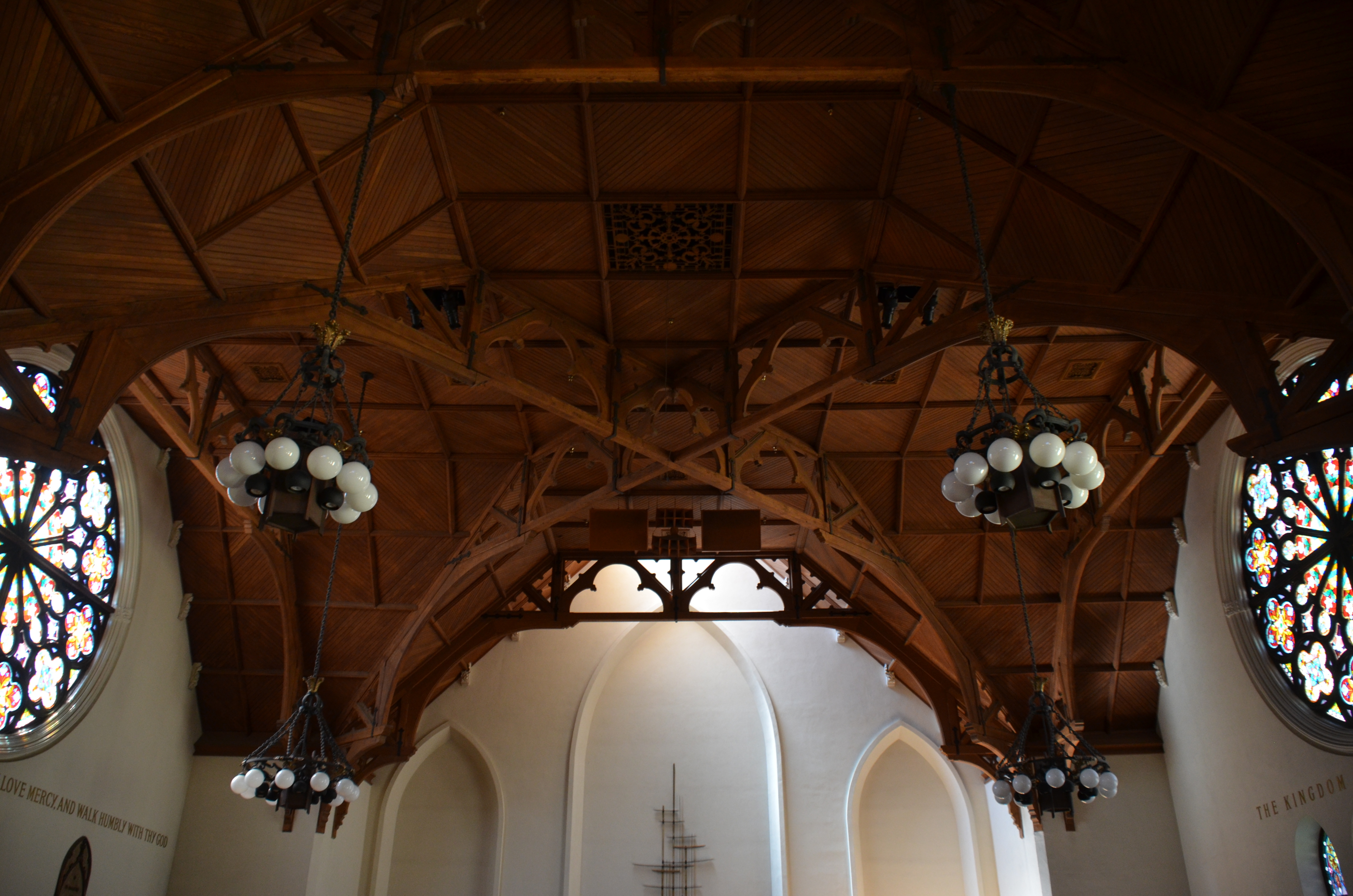
The physical structure at the corner of Franklin and Geary Streets is itself a testament to the community’s resilience. Completed in 1889, the Gothic Revival building has survived numerous earthquakes, including the devastating 1906 quake and the 1989 Loma Prieta event. The sanctuary features stunning stained glass and intricate woodwork that reflect the aesthetic values of the late 19th century, while subsequent renovations—including major seismic retrofitting—have ensured the building remains a safe and functional space for modern gatherings. Visitors often note the sarcophagus of Thomas Starr King located on the church grounds, a rare honor that underscores his significance to both the city and the congregation.
Beyond the architecture, the "community life" of UUSF has historically been defined by its willingness to be at the vanguard of social change. From the abolitionist movement and women's suffrage to the civil rights movement and the fight for LGBTQ+ marriage equality, the society has consistently offered its pulpit and its property as a sanctuary for those seeking justice. This historical context is vital for anyone looking to join the community today, as current members view themselves as the stewards of a long-standing tradition of radical inclusion and ethical living.
Core Beliefs and the Unitarian Universalist Identity
To understand community life at UUSF, one must first grasp the theological framework of Unitarian Universalism (UU). Unlike many traditional denominations, UU is a "non-creedal" faith. This means there is no required dogma or specific list of religious tenets that members must profess. Instead, the community is bound together by a "covenant"—a shared promise regarding how they will treat one another and the world. In 2026, this covenant is centered on the pursuit of truth, the inherent worth of every person, and the recognition of the interconnected web of existence.
The spiritual life at the San Francisco Unitarian church is pluralistic. On any given Sunday, the pews may hold atheists, agnostics, theists, Buddhists, and those who identify as "spiritual but not religious." This diversity is not merely tolerated; it is celebrated as a source of strength. The community draws wisdom from "Six Sources," which include direct experience of transcending mystery, words and deeds of prophetic people, world religions, Jewish and Christian teachings, humanist teachings, and the spiritual teachings of Earth-centered traditions.
In recent years, the congregation has also formally adopted the 8th Principle, which explicitly commits the society to dismantling racism and other systems of oppression within themselves and their institutions. This move has deeply influenced community life, shifting the focus of many internal committees and social gatherings toward active anti-racism work. For a newcomer, this means that the "faith" practiced here is as much about social ethics and psychological growth as it is about traditional prayer or meditation.
Navigating Sunday Services and Spiritual Practices in 2026
Sunday morning remains the primary point of entry for most individuals exploring the First Unitarian Universalist Society of San Francisco. As of 2026, the society operates a sophisticated hybrid model, offering full in-person services alongside high-quality digital streaming for those who cannot attend at the Franklin Street campus. Services typically begin at 11:00 AM and are characterized by a "liberal liturgy" that blends intellectual rigor with emotional depth.
A standard service at UUSF includes several consistent elements:
- The Lighting of the Chalice: The flaming chalice is the symbol of Unitarian Universalism, representing the light of reason and the warmth of community.
- Musical Excellence: The church is renowned for its music program, featuring a professional-caliber choir and a historic Austin organ. The repertoire ranges from traditional hymns to contemporary social justice songs and classical masterpieces.
- The Sermon: Led by the Senior Minister or guest speakers, sermons rarely focus on biblical exegesis alone. Instead, they address contemporary moral issues, personal spiritual development, and community challenges, often citing philosophy, poetry, and scientific research.
- Time for All Ages: A portion of the service is dedicated to children and youth, emphasizing the church’s commitment to intergenerational community.
Following the service, the "Coffee Hour" (often held in the courtyard or the hall) serves as the social engine of the church. This is where the abstract values of the sanctuary are translated into the practical bonds of community life. It is a time for newcomers to meet longtime members, for interest groups to sign up volunteers, and for the simple, essential act of checking in on one’s neighbors.
Community Life: Small Group Ministries and Personal Connection
While the large Sunday gathering provides the public face of the church, the true depth of community life at UUSF is found in its Small Group Ministries. These smaller, more intimate settings allow members to move beyond surface-level introductions and engage in what UUs call "deep listening." In a city as large and sometimes transitory as San Francisco, these groups provide a vital sense of belonging and "spiritual home."
One of the most popular formats is the Chalice Circle. These are groups of 8 to 10 people who meet monthly to discuss specific themes such as "Forgiveness," "Trust," or "Resilience." These circles follow a structured format that ensures everyone has a chance to speak without interruption, fostering an environment of safety and vulnerability. For many, the Chalice Circle is the place where they find their closest friends within the congregation.
Additionally, the society hosts various "Affinity Groups" based on shared identities or interests. These include:
- The Humanist Network: For those focused on secular ethics and scientific inquiry.
- The Young Adult Group: Serving individuals in their 20s and 30s through social outings and topical discussions.
- LGBTQ+ Alliances: Continuing the church’s long history of advocacy and support for the queer community.
- The Women's and Men's Groups: Providing spaces for gender-specific fellowship and reflection.
| Program Type | Target Audience | Primary Focus | Frequency |
|---|---|---|---|
| Chalice Circles | All Members/Friends | Spiritual reflection and intimacy | Monthly |
| Social Justice Council | Activists/Advocates | Local and global policy change | Bi-weekly |
| Forum | Intellectual Seekers | Lectures on science, politics, and art | Weekly (Sundays) |
| Religious Education | Children & Teens | Values-based curriculum | Weekly |
| Elder Spirit | Seniors | Aging with grace and community support | Monthly |
Social Justice and Advocacy: Faith in Action
For many members of the San Francisco Unitarian church, "community life" is synonymous with "community service." The society does not view social justice as an extracurricular activity but as the primary expression of their faith. The Social Justice Council at UUSF coordinates a vast array of initiatives that allow members to engage with the pressing issues facing San Francisco and the wider world in 2026.
One significant area of focus is Homelessness and Housing Justice. Given the church’s location near the Tenderloin and Western Addition neighborhoods, the congregation has a long-standing relationship with local shelters and advocacy groups. UUSF frequently hosts the Interfaith Winter Shelter and partners with organizations like "Faithful Fools" to provide direct support and advocate for systemic housing reform.
Environmental Justice is another pillar of the community's work. The "Green Activist" group within the church works on local climate initiatives, such as advocating for better public transit in San Francisco and participating in city-wide divestment campaigns from fossil fuels. In 2026, these efforts are increasingly focused on climate resilience and supporting marginalized communities most affected by environmental shifts.
Finally, the church maintains a strong presence in Racial Justice work. This involves both "inward" work—examining personal biases and the history of the denomination—and "outward" work, such as supporting the Black Lives Matter movement and partnering with local organizations led by people of color. This commitment to justice ensures that the community life of UUSF is never insular; it is always looking toward the needs of the city at large.
Religious Education and Youth Programming
The First Unitarian Universalist Society of San Francisco places a high premium on the religious education (RE) of its younger members. Unlike traditional Sunday schools that might focus on rote memorization of scripture, the RE program at UUSF is designed to help children and teenagers develop their own "moral compass."
The curriculum often focuses on the Seven (and now Eight) Principles of Unitarian Universalism, translated into age-appropriate language. For younger children, this might mean learning about kindness and sharing through stories and art. For older children, the focus shifts to world religions, where they visit mosques, synagogues, and temples to learn about the diverse ways humans seek meaning.
One of the most famous components of UU youth programming is Our Whole Lives (OWL). This is a comprehensive, values-based sexuality education program that is highly regarded for its honesty, inclusivity, and focus on consent and healthy relationships. By offering OWL to both the congregation and the wider San Francisco community, UUSF provides a vital service that aligns with its commitment to human dignity and empowerment.
For teenagers, the Youth Group offers a space for social connection and leadership development. These young people often participate in "social justice intensives," where they spend time learning about a specific issue (like food insecurity) and then engage in direct service or political lobbying. This ensures that the next generation of the community is equipped with both the empathy and the skills needed to lead.
Membership, Stewardship, and Getting Involved
Becoming a part of the UUSF community life is a self-paced journey. The society explicitly welcomes "seekers" who may just want to attend services for months or even years without formalizing their relationship. However, for those who wish to take the next step, the "Path to Membership" involves a series of classes that cover the history of the church, the basics of Unitarian Universalism, and the responsibilities of being a member.
Stewardship is a key concept at UUSF. Because the church receives no funding from a central denominational body, it is entirely self-supported by its members. This includes financial pledging, which sustains the historic building and the professional staff, as well as the "giving of time and talent." In 2026, the community emphasizes that every member has a role to play, whether it is serving on the Board of Trustees, singing in the choir, or helping to maintain the memorial garden.
To get involved, a newcomer is encouraged to:
- Attend a Service: Experience the liturgy and the "vibe" of the sanctuary.
- Visit the Information Table: Located in the gallery or courtyard after service.
- Join a Small Group: Sign up for a Chalice Circle or an interest-based group to meet people in a smaller setting.
- Volunteer: Participate in a Social Justice project or a church "work day."
FAQs About the San Francisco Unitarian Church
What should I wear to a service at UUSF?
There is no formal dress code at the First Unitarian Universalist Society of San Francisco. You will see a wide range of attire, from "Sunday best" suits and dresses to very casual jeans and sweaters. Most people opt for a "San Francisco casual" look. The focus is on being comfortable and being yourself.
Do I have to believe in God to join?
No. Unitarian Universalism is a non-creedal faith that welcomes atheists, agnostics, and theists alike. The community is defined by shared values and a commitment to spiritual growth, rather than a shared belief in a specific deity. Many members find meaning in the "interconnected web of life" or in the pursuit of human justice.
Is the church accessible for people with disabilities?
Yes. UUSF has made significant efforts to ensure its historic building is accessible. There are ramps, an elevator to access different floors, and designated seating for those using wheelchairs. Additionally, the sanctuary is equipped with assistive listening devices for those who are hard of hearing.
Are children allowed in the main sanctuary?
Children are always welcome in the sanctuary. Most services include a "Time for All Ages," after which children have the option to go to their Religious Education classes or remain with their parents. There is also a "nursery" or "quiet room" available if parents feel their child needs a break from the main service.
How does the church support the LGBTQ+ community?
UUSF is a "Welcoming Congregation," a formal designation in the UU world that means they have completed specific training to be inclusive of LGBTQ+ individuals. The society has been performing same-sex unions for decades and remains active in advocacy for trans rights and queer youth support in San Francisco.
Final Recommendation: Taking the First Step
If you are seeking a community that values intellectual curiosity as much as spiritual practice, the First Unitarian Universalist Society of San Francisco offers a unique and welcoming environment. The best way to understand its community life is to attend a Sunday service and stay for the coffee hour. Engage with the members of the Social Justice Council or inquire about an upcoming Chalice Circle. Whether you are looking for a place to volunteer, a space to reflect, or a community to raise your children in a values-based environment, UUSF provides a robust framework for ethical and purposeful living in 2026.
Image Gallery