Life Insurance Health Exam Vaping Myth vs Fact: A 2026 Guide for Applicants
Vaping significantly impacts life insurance health exams because laboratories specifically screen for cotinine, a byproduct of nicotine. In 2026, most insurers continue to classify vapers under "Tobacco" or "Smoker" rate categories, wh...
Vaping significantly impacts life insurance health exams because laboratories specifically screen for cotinine, a byproduct of nicotine. In 2026, most insurers continue to classify vapers under "Tobacco" or "Smoker" rate categories, which can increase premiums by 200% to 300%. Understanding the distinction between myths and clinical facts is essential to securing affordable coverage and avoiding claims of material misrepresentation.
Contents
The Intersection of Vaping and Life Insurance Underwriting
The life insurance industry relies on actuarial data to predict longevity and set pricing. For decades, the primary distinction was between "Smokers" and "Non-Smokers." However, the rise of electronic nicotine delivery systems (ENDS) has forced a shift in how underwriters view risk. As of 2026, the industry has largely reached a consensus: while vaping is often marketed as a "safer" alternative to combustible cigarettes, the long-term clinical data is still being processed. Consequently, insurers default to the most conservative risk profile.
When you apply for a fully underwritten life insurance policy, the "paramedical exam" is the standard procedure. This exam includes a blood draw and a urinalysis. The labs are not just looking for illegal drugs or high cholesterol; they are looking for cotinine. Cotinine is the chemical your body produces after it metabolizes nicotine. Because cotinine stays in your system significantly longer than nicotine itself, it serves as the "smoking gun" for underwriters.
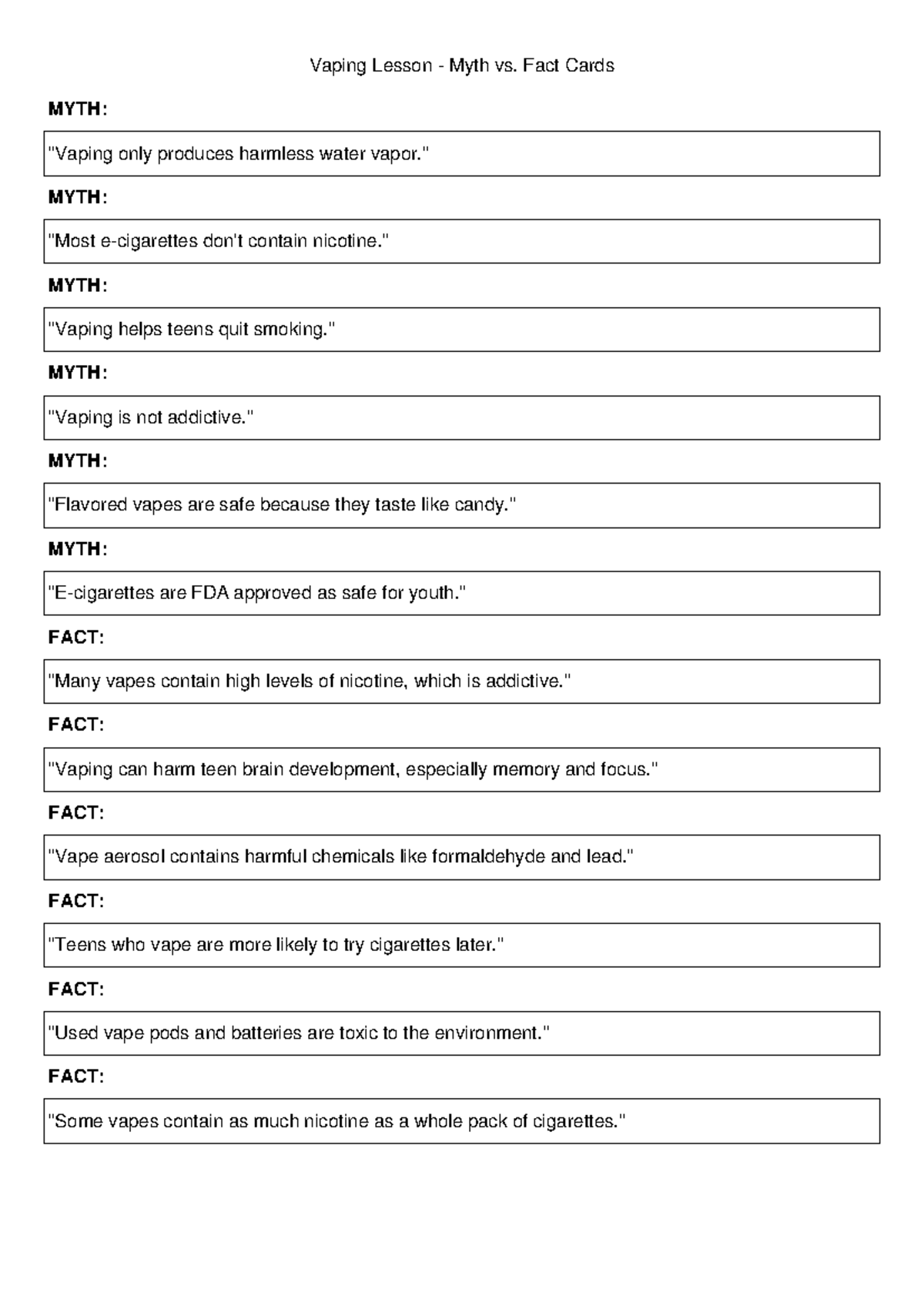
Myth vs. Fact: Navigating the Health Exam
There is a significant amount of misinformation surrounding how vaping affects the life insurance application process. Below are the most common myths debunked by current 2026 underwriting standards.
Myth 1: "If I use nicotine-free e-juice, I will qualify for Non-Smoker rates."
Fact: While nicotine-free juice will not trigger a positive cotinine test, you are still required to disclose your vaping habits on the written application. If you state you do not use tobacco or nicotine products but the medical examiner finds evidence of lung inflammation or if your physician's records mention vaping, you could be flagged for fraud. Furthermore, some insurers classify the act of vaping as a tobacco-use behavior, regardless of the chemical content, due to the associated respiratory risks.
Myth 2: "I can pass the exam if I stop vaping 24 hours before the test."
Fact: This is a dangerous misconception. Nicotine has a short half-life, but cotinine can be detected in urine for 3 to 7 days after the last use, and in some cases, up to three weeks for heavy users. In 2026, many high-limit policies use hair follicle testing, which can detect nicotine use up to 90 days in the past. Attempting to "flush" your system with water or diuretics is rarely effective against modern laboratory screening.
Myth 3: "Vaping is the same as using a nicotine patch or gum."
Fact: From an underwriting perspective, there is a nuance here. Some progressive carriers in 2026 have begun to offer "Non-Tobacco Nicotine" rates for users of FDA-approved cessation aids like patches or gum, provided the applicant has not smoked a cigarette in 12–24 months. However, vaping is rarely granted this leniency because it involves the inhalation of aerosols, which carries a different set of pulmonary risks that patches do not.
Myth 4: "The insurance company won't find out if I don't tell them."
Fact: This is the most costly myth. Insurers utilize the Medical Information Bureau (MIB) and pharmacy records. If you have ever been prescribed a smoking cessation drug (like Chantix) or if a doctor noted your vaping habit in a clinical visit, the insurer will see it. If you die during the two-year contestability period and the insurer discovers you misrepresented your vaping status, they can legally deny the death benefit to your beneficiaries.
How Underwriters Classify Vapers in 2026
Insurance companies categorize applicants into "rating classes" based on their health and lifestyle. These classes determine the premium.
- Preferred Plus: The best health, no nicotine use for 3–5 years.
- Preferred: Excellent health, no nicotine for 12–24 months.
- Standard Non-Tobacco: Average health, no nicotine for 12 months.
- Preferred Smoker: High nicotine use but otherwise in great health.
- Standard Smoker: Regular nicotine use with average health metrics.
Most vapers, even those who are physically fit and have no other health issues, are placed in the Preferred Smoker or Standard Smoker categories. In 2026, the price gap remains stark. A 35-year-old male might pay $30 a month for a $500,000 policy as a non-smoker, but that same policy could cost $120 to $150 a month if he is classified as a vaper.
Comparison of Nicotine Detection and Underwriting Impact
The following table outlines how different substances and delivery methods are typically treated during a 2026 life insurance health exam.
| Substance / Method | Primary Marker Tested | Detection Window (Urine) | Common Rating Class | Premium Impact |
|---|---|---|---|---|
| Combustible Cigarettes | Cotinine | 3–7 Days | Smoker (Standard/Pref) | 200-300% Increase |
| Vaping (Nicotine) | Cotinine | 3–7 Days | Smoker (Most Carriers) | 200-300% Increase |
| Vaping (Nicotine-Free) | N/A | None | Varies (Carrier Specific) | Potential Standard |
| Nicotine Gum/Patch | Cotinine | 3–7 Days | Non-Tobacco Nicotine* | 50-100% Increase |
| Occasional Cigars | Cotinine | 1–2 Days | Non-Smoker (If <1/mo) | Minimal to None |
| THC/CBD Vaping | THC-COOH | 3–30 Days | Varies by State/Carrier | 0-50% Increase |
*Note: Non-Tobacco Nicotine rates are only available through specific "vape-friendly" carriers and usually require a negative chest X-ray or clear lung function tests.
The Role of the Paramedical Exam in 2026
When the medical professional arrives for your health exam, they will perform several tasks that can indirectly or directly reveal vaping habits.
- Blood Pressure and Pulse: Nicotine is a stimulant. If you vape shortly before your exam, your elevated heart rate and blood pressure may push you into a higher risk category, even if you weren't flagged for nicotine.
- Urinalysis: This is the primary tool for cotinine detection. Laboratories have become more sophisticated in 2026, able to distinguish between actual nicotine consumption and environmental "second-hand" exposure by measuring the specific concentration levels (measured in ng/mL).
- Physical Questionnaire: You will be asked point-blank about nicotine use in the last 12, 24, and 36 months. Consistency between your verbal answers and your lab results is the number one factor in "smooth" underwriting.
Strategic Advice for Vapers Seeking Coverage
If you vape and need life insurance in 2026, you have three primary paths to securing the best possible rate.
1. Target "Vape-Friendly" Carriers
Not all insurance companies treat vaping the same. A handful of carriers have adjusted their guidelines to recognize that vaping may carry less risk than traditional cigarettes. These companies may offer "Standard Non-Tobacco" rates to vapers, provided the lab results show no other health issues. Working with an independent agent who has access to multiple "carrier niches" is vital.
2. The "Quit and Re-Rate" Strategy
If you are currently classified as a smoker due to vaping, most companies allow you to apply for a "re-rating" after you have been nicotine-free for 12 to 24 months. You will likely need to undergo a new health exam and provide a fresh urine sample. If the sample is clean, the insurer can lower your premiums for the remainder of the policy term.
3. Consider No-Exam Policies
In 2026, "accelerated underwriting" or "no-exam" policies are common. These policies use big data, medical records, and prescription histories to approve you without a blood or urine test. However, you must still answer the nicotine questions honestly. If you lie on the digital application and the insurer finds a record of vaping in your past medical history, the policy will likely be voided.
Frequently Asked Questions
Does second-hand vapor show up on a life insurance health exam?
While it is technically possible for second-hand exposure to result in trace amounts of cotinine, labs use a specific cutoff level (usually 10 ng/mL to 20 ng/mL) to distinguish between a user and someone exposed to second-hand vapor. If your levels are above this threshold, the insurer will assume you are an active user.
Can I get non-smoker rates if I only vape THC or CBD?
This depends heavily on the carrier and the state. In 2026, many insurers view THC use (where legal) more leniently than nicotine use. If your lab work is positive for THC but negative for cotinine, you may qualify for non-smoker rates. However, if you are vaping these substances, the insurer may still apply a "flat extra" fee or a slightly higher rating due to the risks associated with lung inflammation.
What happens if I start vaping after my policy is already active?
Standard life insurance policies are "locked in" based on your health at the time of application. If you were a non-smoker when you bought the policy and you start vaping later, your coverage remains valid and your rates will not increase. However, if you let the policy lapse and have to re-apply, you will be subject to a new exam and higher rates.
How long does nicotine stay in your hair for an insurance test?
Hair follicle testing can detect nicotine use for up to 90 days. While not every insurer uses hair testing for standard policies, it is frequently used for high-value policies (e.g., $5 million or more) or if the applicant has a history of inconsistent medical disclosures.
Next Steps for Applicants
If you are planning to apply for life insurance and currently vape, your first action should be to consult with an independent broker rather than a captive agent. Ask specifically for a "pre-flight" assessment of carriers that offer "Non-Tobacco" or "Standard" rates for e-cigarette users.
Transparency is your best asset. Disclosing your vaping habits upfront allows the broker to direct you toward a carrier that will accept your risk profile, rather than having a surprise cotinine discovery lead to an automatic "Smoker" rating or an outright denial. If you are in the process of quitting, wait until you have been nicotine-free for at least 30 days before taking the health exam to ensure your lab results align with your "non-user" status.
Image Gallery