Why Gareth Emery’s THE LASERS Surpasses the Legacy of Northern Lights
While Northern Lights established Gareth Emery as a trance titan in 2010, THE LASERS represents the pinnacle of his artistry through its tight narrative, superior songwriting, and emotional vulnerability. By prioritizing a cohesive "al...
While Northern Lights established Gareth Emery as a trance titan in 2010, THE LASERS represents the pinnacle of his artistry through its tight narrative, superior songwriting, and emotional vulnerability. By prioritizing a cohesive "album experience" over a collection of club-focused singles, THE LASERS offers a more enduring and sophisticated listening journey.
Contents
Gareth Emery has long been a foundational figure in the electronic music landscape, particularly within the trance and progressive house spheres. As we look back from 2026, his discography stands as a roadmap for the evolution of melodic dance music. Among his studio works, two albums frequently dominate the conversation: his 2010 debut, Northern Lights, and his 2020 masterpiece, THE LASERS. While the former is often shrouded in the nostalgia of the "Golden Era" of trance, a technical and artistic analysis reveals that THE LASERS is the superior body of work in terms of production maturity, thematic depth, and structural intent.
The Architectural Shift: From Club Tracks to Songwriting
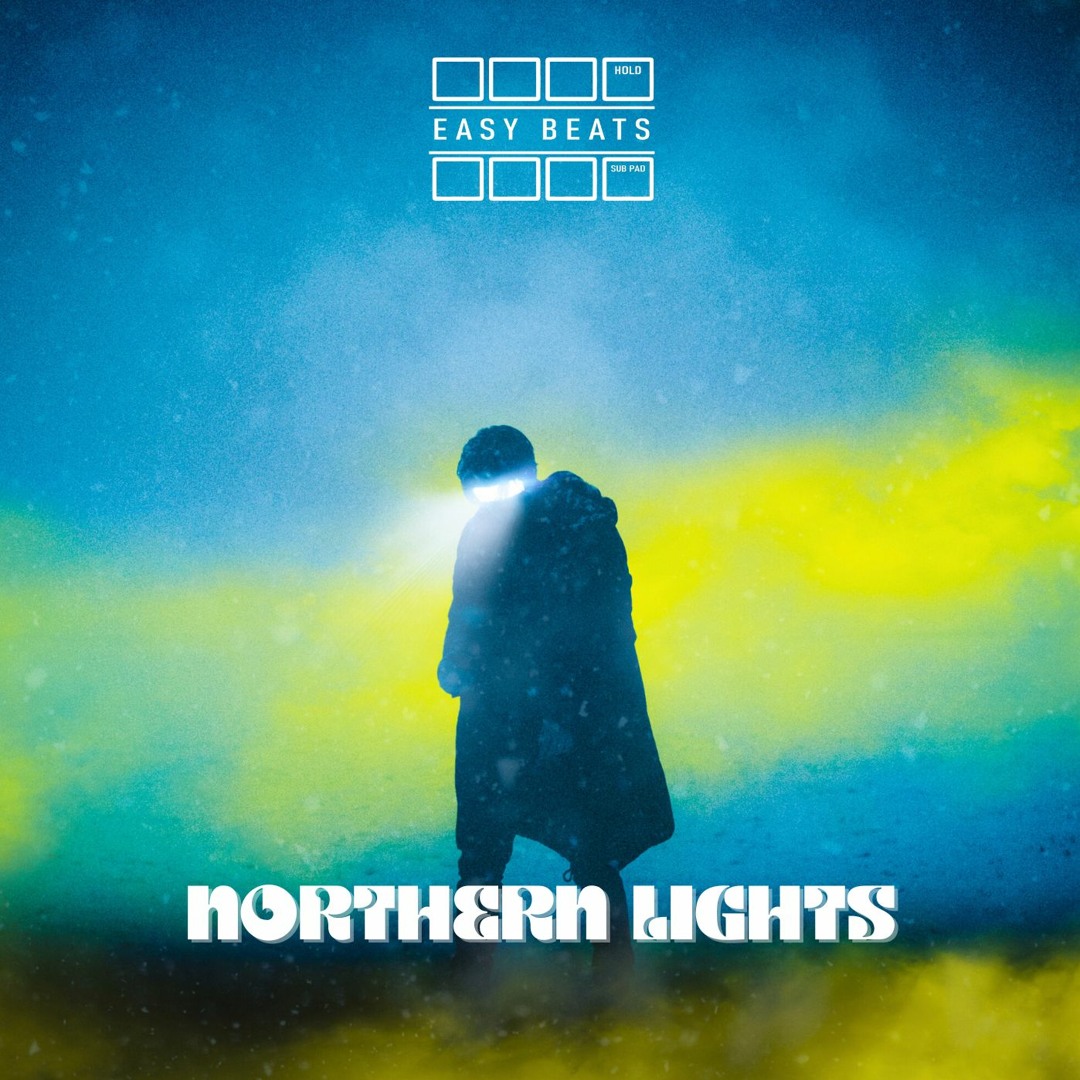
The primary reason THE LASERS edges out Northern Lights lies in its fundamental philosophy. In 2010, dance music albums were largely viewed as vehicles for club singles. Northern Lights was a brilliant collection of high-energy tracks designed to dominate the festival circuit and the A State of Trance charts. Tracks like "Sanctuary" and "Citadel" were—and are—masterclasses in building tension and delivering euphoric releases. However, as an "album," it functioned more like a curated playlist of Gareth’s best work at the time.
By the time Emery began crafting THE LASERS, his approach had shifted from being a "DJ who produces" to a "songwriter who DJs." THE LASERS was famously stripped down to its bare essentials. Emery opted for a shorter runtime—roughly 35 minutes—eliminating the "filler" that often plagues electronic albums. This brevity is its greatest strength. Every track on THE LASERS serves a purpose, contributing to a singular emotional arc that reflects on life, fatherhood, and the passage of time.
Vocal Integration and the Annabel Factor
A significant differentiator between the two albums is the use of vocalists. Northern Lights featured the ethereal and classically "trance" vocals of Lucy Saunders on the iconic "Sanctuary." It was beautiful, but it followed the established tropes of the genre: long, reverb-heavy notes and abstract themes of light and escape.
In contrast, THE LASERS introduced the world to Annabel, whose raw, indie-pop vocal style transformed the project. The collaboration on tracks like "You’ll Be OK" and "I’ll Be There" moved away from the generic "uplifting" tropes and moved toward authentic storytelling. "You’ll Be OK," in particular, became more than just a dance track; it became an anthem of resilience during the global challenges of the early 2020s. The lyrics were grounded and relatable, bridging the gap between the dancefloor and the human experience in a way that Northern Lights never quite reached.
Technical Production and Sound Design Evolution
From a technical standpoint, the decade between the two albums allowed for a massive leap in sound design. Northern Lights is a product of its time—characterized by the "Garuda sound" which featured crunchy, compressed leads and a very specific 138 BPM energy. While charming, it occasionally suffers from the "loudness war" aesthetics of the early 2010s, where dynamic range was often sacrificed for peak impact.
THE LASERS benefits from ten years of Emery’s refinement and modern engineering. The mixdowns are cleaner, the low-end is more controlled, and the integration of organic instruments with digital synthesis is seamless. The track "Elise," a tribute to his daughter, showcases a delicate balance of piano-led melody and driving electronic percussion that feels sophisticated and timeless. The soundscapes in THE LASERS are not just loud; they are wide, offering a cinematic depth that makes it an excellent "headphone album" as much as a "festival album."
Comparing the Core Tracks: A Direct Look
To understand why THE LASERS holds more weight in a modern context, we must compare the standout moments of both records.
| Feature | Northern Lights (2010) | THE LASERS (2020) |
|---|---|---|
| Opening Track Impact | "Arrival" – Atmospheric and cinematic intro. | "You'll Be OK" – Immediate, emotional hook. |
| Core Vocal Anthem | "Sanctuary" (feat. Lucy Saunders) | "End of Days" (feat. Annabel) |
| Instrumental Depth | "Citadel" – Classic Trance structure. | "Elise" – Progressive/Melodic blend. |
| Production Philosophy | High-energy club anthems. | Narrative-driven songwriting. |
| Album Duration | ~70 Minutes (Standard Edition) | ~35 Minutes (Concise/No Filler) |
| Genre Versatility | Pure Trance / Progressive House | Indie-Electronic / Melodic Bass / Trance |
The "No Filler" Philosophy
One of the most common critiques of electronic albums is the inclusion of "extended mixes" or repetitive bridge tracks to pad out the runtime. Northern Lights followed this traditional format, which can make a full listen feel somewhat exhausting for a casual listener.
Gareth Emery explicitly stated that for THE LASERS, he wanted an album where every song could be a favorite. By cutting the tracklist down to nine essential pieces, he achieved a level of "replayability" that is rare in the genre. You can listen to THE LASERS from start to finish during a short commute or a workout, and by the end, the emotional payoff feels earned. This efficiency is a hallmark of a mature artist who trusts their work enough to let it be brief.
Genre Fluidity and Modern Appeal
In 2026, the boundaries between trance, melodic techno, and house have blurred significantly. Northern Lights is very much a "Trance" album. For fans of that specific genre, it is a holy grail. However, for a broader musical audience, it can feel restrictive.
THE LASERS embraced genre fluidity before it became the industry standard. It incorporates elements of synth-pop, melodic bass, and even hints of indie rock. Tracks like "Gunshots" and "Stardust" don't fit into a neat box, which has allowed the album to age better. It doesn't sound like a "2020 trance album"; it sounds like a Gareth Emery album. This distinction is vital for longevity. While Northern Lights reminds us of where trance was, THE LASERS shows us where electronic music can go.
The Emotional Core: Personal vs. Professional
Finally, we must look at the "soul" of these records. Northern Lights was a professional triumph. It was Gareth Emery announcing to the world that he was a top-tier producer capable of holding his own against legends like Armin van Buuren or Tiësto. It is an album of ambition.
THE LASERS, however, is an album of reflection. Written during a period of significant personal change and global uncertainty, it carries a weight of sincerity. Whether it is the fatherly love expressed in "Elise" or the bittersweet nostalgia of "Welcome To Dreamsville," the album feels like a personal letter to the fans. In an industry often criticized for being cold and mechanical, THE LASERS is deeply, undeniably human.
Frequently Asked Questions
Is THE LASERS considered a trance album?
While Gareth Emery is a trance icon, THE LASERS is better described as a melodic electronic album. It retains trance elements—such as soaring melodies and emotional builds—but incorporates song structures and tempos found in indie-pop and melodic bass. This hybrid nature is part of why it has broader appeal than his earlier work.
Why is Northern Lights often cited as his best work by long-time fans?
Nostalgia plays a massive role. Northern Lights was released at the peak of the "EDM Boom" and defined the sound of the Garuda label. For many fans, it represents their first introduction to Gareth Emery's music and the emotional highs of the early 2010s festival scene.
Does THE LASERS have any club-friendly tracks?
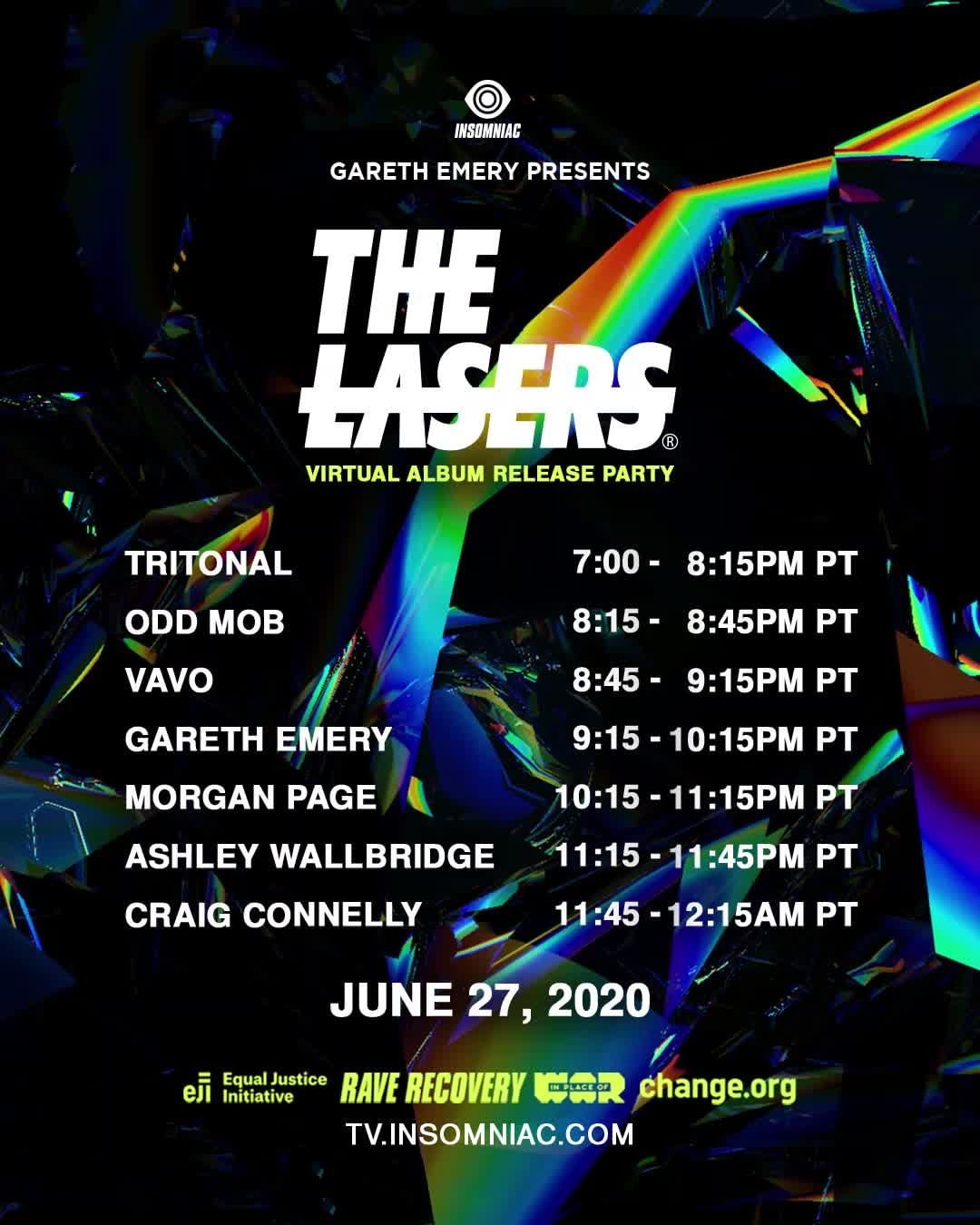
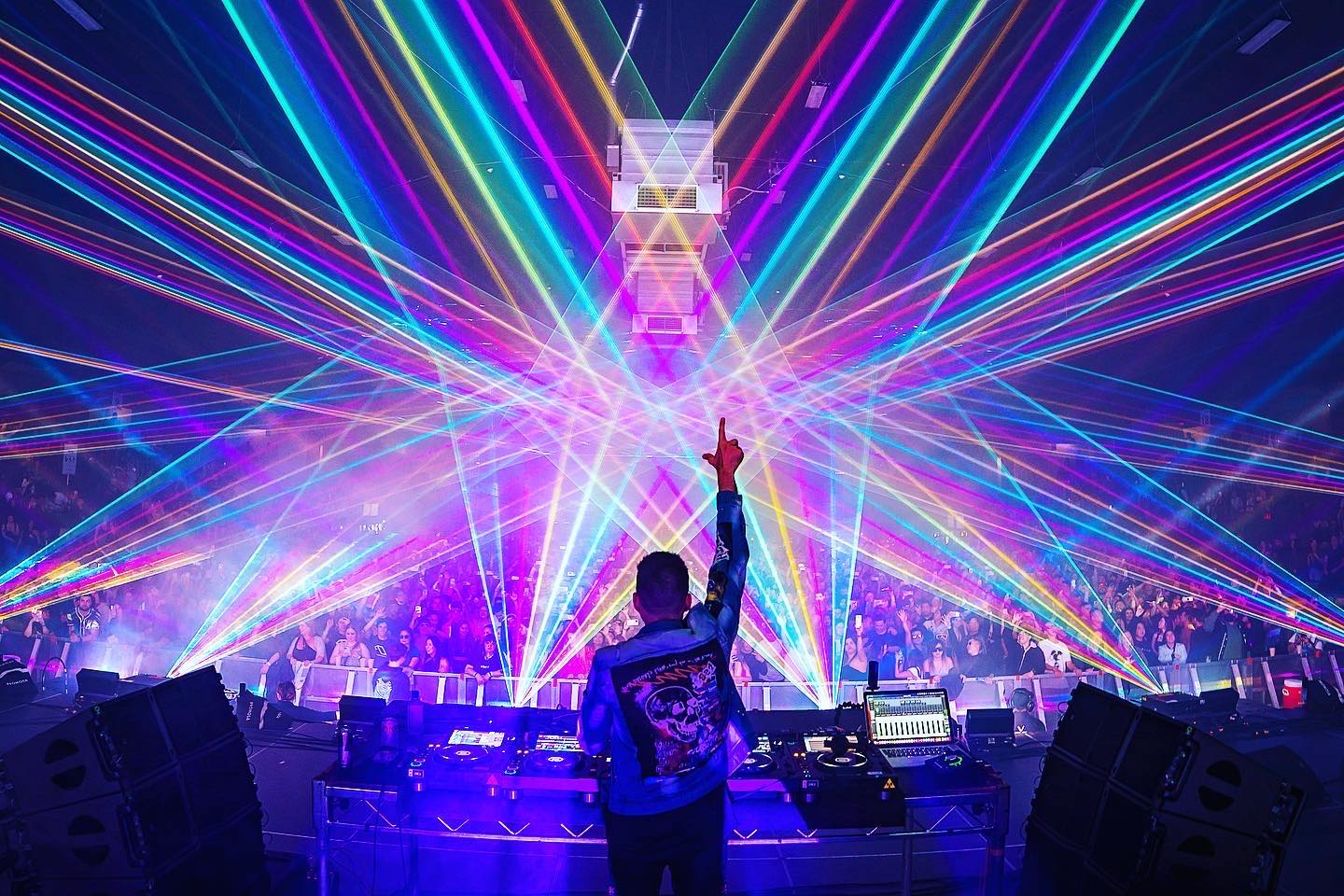
Absolutely. While the album focuses on songwriting, tracks like "Gunshots" and "I'll Be There" were staples in Emery's "Laserface" shows. These tracks were designed to be versatile, working just as well in a radio format as they do during a peak-time festival set.
Who is the vocalist Annabel, and why is she so prominent on THE LASERS?
Annabel is a singer-songwriter who became a frequent collaborator with Emery during the THE LASERS era. Her distinct, non-traditional dance vocals provided the raw, emotional edge that Emery wanted for the album's narrative. She features on several of the album's most important tracks, making her the "voice" of that era.
Which album is better for a new listener in 2026?
For a new listener, THE LASERS is the recommended starting point. Its modern production standards and concise songwriting make it more accessible. However, once a listener appreciates Emery's melodic style, Northern Lights is essential listening to understand the roots of his sound.
Final Recommendation
If you are looking for a collection of high-octane club anthems that capture the spirit of 2010, Northern Lights is an unbeatable classic. However, if you want to experience Gareth Emery at his most refined, vulnerable, and creative, THE LASERS is the superior achievement. Its focus on songwriting over synth-presets and cohesion over quantity has cemented it as the definitive album in his storied career. For the best experience, listen to THE LASERS in its original track order to fully appreciate the narrative journey Emery intended.
Image Gallery