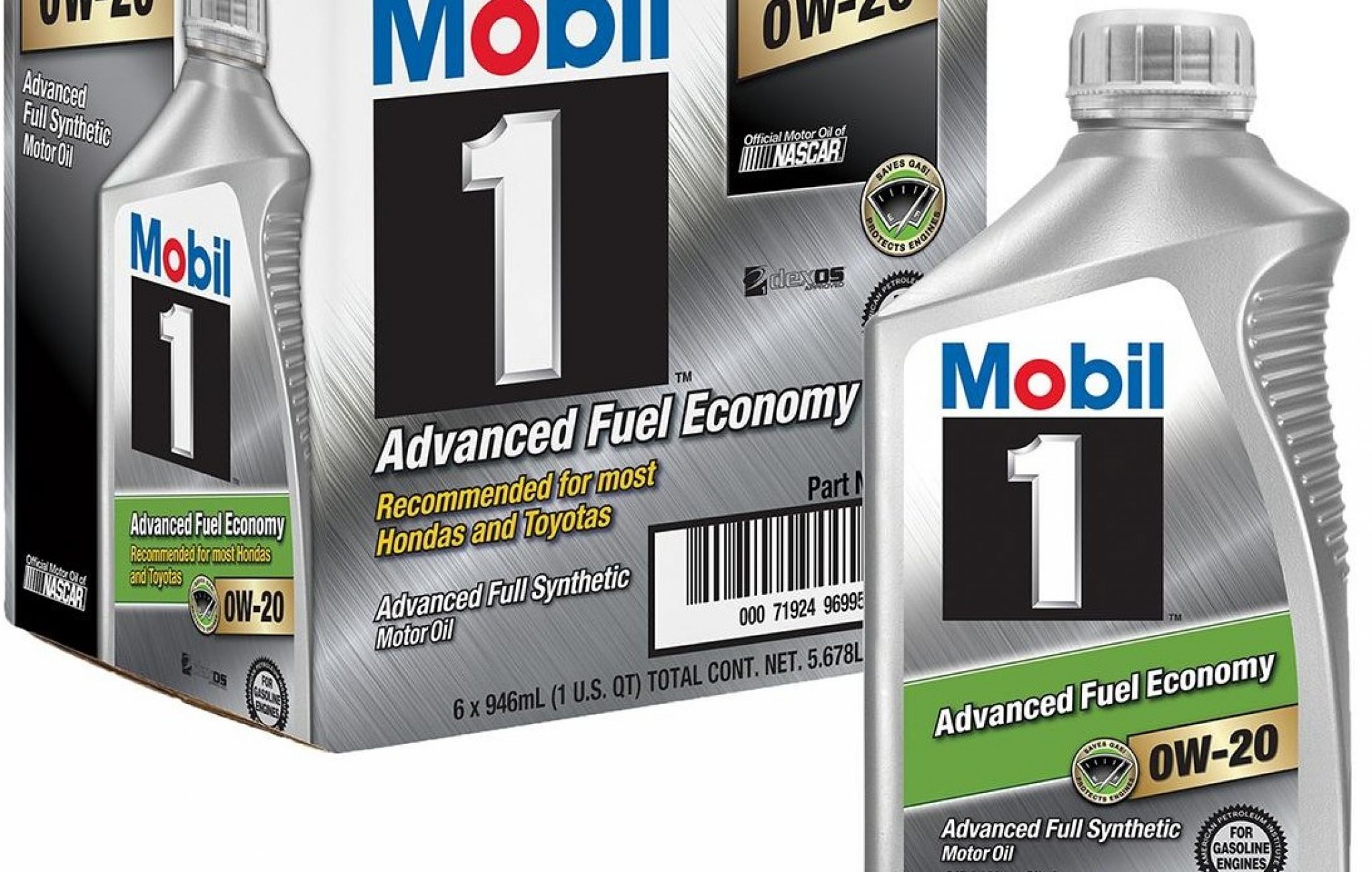
2020 Chevrolet Malibu Oil Type: Essential Guide for Both Engines
For the 2020 Chevrolet Malibu, the correct oil type depends on your specific engine: the 1.5L Turbo engine requires SAE 0W-20 full synthetic oil, while the 2.0L Turbo engine requires SAE 5W-30 full synthetic oil. Both engines must use...
For the 2020 Chevrolet Malibu, the correct oil type depends on your specific engine: the 1.5L Turbo engine requires SAE 0W-20 full synthetic oil, while the 2.0L Turbo engine requires SAE 5W-30 full synthetic oil. Both engines must use oil meeting the GM dexos1 Gen 2 (or the updated Gen 3) specification to ensure engine longevity and performance.
Contents
The 2020 Chevrolet Malibu remains a popular mid-sized sedan on the road in 2026, prized for its fuel efficiency and turbocharged performance. However, maintaining these sophisticated engines requires strict adherence to manufacturer specifications. Because both available engines use turbochargers and direct injection, using the wrong oil can lead to significant mechanical issues, including carbon buildup and premature component failure.
Understanding Engine-Specific Requirements
The 2020 Malibu was offered with two distinct powertrains. While they share some similarities in architecture, their oil viscosity requirements are different to accommodate their specific internal tolerances and operating temperatures.
The 1.5L Turbocharged Engine (LYX)
The 1.5L engine is the most common variant found in the 2020 Malibu, standard on the L, LS, RS, and LT trims. This engine is designed for maximum efficiency. It utilizes SAE 0W-20 oil. The "0W" indicates the oil's flow characteristics at cold start-up temperatures, while the "20" represents its thickness at operating temperature. The thinner 0W-20 oil reduces internal friction, which is a key factor in achieving the Malibu’s competitive fuel economy ratings.
The 2.0L Turbocharged Engine (LTG)
Found in the Premier trim, the 2.0L engine provides a significant boost in horsepower and torque. Because this engine generates more heat and internal pressure, it requires a slightly thicker oil for protection: SAE 5W-30. The higher viscosity provides a more robust film of lubrication between moving parts under the high-stress conditions often associated with a higher-output turbocharged engine.
The Importance of the GM dexos1™ Specification
Regardless of which engine your Malibu has, the most critical factor isn't just the viscosity (like 0W-20)—it is the dexos1™ certification. General Motors developed the dexos™ standard to ensure that oils used in their vehicles meet higher performance benchmarks than standard API (American Petroleum Institute) oils.
Evolution to dexos1 Gen 3
By 2026, you will likely find dexos1 Gen 3 on store shelves. This standard was introduced to further protect modern engines against Low-Speed Pre-Ignition (LSPI). LSPI is a phenomenon in small, turbocharged, direct-injected engines where the fuel-air mixture ignites prematurely, potentially causing catastrophic piston damage. Oils formulated to Gen 3 standards have specific additive packages that significantly reduce the risk of LSPI. Gen 3 is fully backward compatible with the Gen 2 requirements specified in the 2020 Malibu owner’s manual.
Why Full Synthetic is Mandatory
While some older vehicles could operate on conventional or "synthetic blend" oils, the 2020 Malibu requires full synthetic oil. Turbochargers rotate at speeds exceeding 200,000 RPM and are cooled and lubricated by the engine oil. Conventional oils can "coke" or turn into carbon deposits when exposed to the extreme heat of a turbocharger after the engine is shut off. Full synthetic oils offer superior thermal stability, preventing these deposits from clogging the oil feed lines that keep the turbo spinning smoothly.
Oil Capacity and Filter Specifications
When performing an oil change, having the correct volume of oil is just as important as the type. Overfilling can cause aeration (foaming) of the oil, while underfilling can lead to starvation and overheating.
| Feature | 1.5L Turbo Engine | 2.0L Turbo Engine |
|---|---|---|
| Oil Type (Viscosity) | SAE 0W-20 | SAE 5W-30 |
| Specification | GM dexos1 Gen 2/3 | GM dexos1 Gen 2/3 |
| Oil Capacity (with Filter) | 4.2 Quarts (4.0 Liters) | 5.0 Quarts (4.7 Liters) |
| Oil Filter (ACDelco) | PF64 | PF64 |
| Drain Plug Torque | 18 lb-ft (25 Nm) | 18 lb-ft (25 Nm) |
Note: Always verify the oil level using the dipstick after filling, as small amounts of residual oil may remain in the engine during a standard drain.
The use of a high-quality filter, such as the ACDelco Gold PF64, is recommended. These filters are designed with a specific bypass valve pressure that matches the 2020 Malibu’s oil pump specifications. Using a filter with an incorrect bypass setting can result in unfiltered oil circulating through the engine or, conversely, oil starvation during cold starts.
The Chevrolet Oil Life Monitoring System (OLMS)
The 2020 Malibu is equipped with an Oil Life Monitoring System (OLMS) rather than a simple mileage-based timer. This system uses an algorithm to calculate oil depletion based on engine revolutions, operating temperature, and driving patterns.
How the OLMS Works
The system does not actually "sense" the condition of the oil; instead, it tracks how the vehicle is driven. Frequent short trips where the engine never reaches full operating temperature are much harder on oil than long highway cruises. If the system detects harsh driving conditions, it will trigger the "Change Engine Oil Soon" light much earlier—perhaps at 3,000 or 5,000 miles. Under ideal conditions, it may allow for intervals up to 7,500 or 10,000 miles.
Best Practices for 2026
Even if the OLMS hasn't reached 0%, it is widely recommended by automotive experts to change the oil at least once every 12 months regardless of mileage. In 2026, as the 2020 Malibu models age, more frequent oil changes (every 5,000 to 7,500 miles) can help prevent the accumulation of sludge and varnish that often plagues high-mileage turbocharged engines.
Step-by-Step Maintenance Guidance
For those performing their own maintenance, following a standardized process ensures the 2020 Malibu remains reliable.
- Preparation: Ensure the engine is warm but not hot. A warm engine allows the oil to flow more freely, carrying away more contaminants.
- Lifting the Vehicle: Use a jack and jack stands or ramps. Never work under a car supported only by a floor jack.
- Draining the Oil: Place a drain pan under the oil pan. Remove the 15mm drain plug. Allow the oil to drain until it is a very slow drip.
- Replacing the Filter: Use an oil filter wrench to remove the PF64 filter. Before installing the new filter, apply a thin film of fresh oil to the rubber gasket. This ensures a proper seal and makes future removal easier. Hand-tighten the filter until it makes contact, then turn it an additional 3/4 to 1 full turn.
- Reinstalling the Drain Plug: Clean the drain plug and the mounting surface. If the O-ring on the plug is cracked or flattened, replace it. Torque to 18 lb-ft.
- Refilling: Add the specified amount of oil (4.2 or 5.0 quarts) through the fill cap on top of the engine.
- Resetting the OLMS: Turn the ignition to 'On' without starting the engine. Use the steering wheel controls to navigate to the "Oil Life" menu on the Driver Information Center (DIC). Press and hold the "Check" or "Set/Reset" button until the display returns to 100%.
Common Mistakes to Avoid
- Using 5W-30 in the 1.5L Engine: While 5W-30 won't cause immediate engine failure, it can reduce fuel economy and may affect the operation of the variable valve timing (VVT) solenoids, which are calibrated for the thinner 0W-20 oil.
- Neglecting the dexos Standard: Using a "generic" full synthetic that lacks the dexos1 Gen 2 or Gen 3 seal can lead to increased carbon deposits on the intake valves, a common issue in direct-injected engines.
- Over-torquing the Drain Plug: The aluminum oil pan on the Malibu can be easily stripped. Use a torque wrench to ensure the plug is tight but not damaged.
- Forgetting to Check the Level: Always run the engine for two minutes after an oil change, shut it off, wait five minutes for the oil to settle, and then check the dipstick.
Frequently Asked Questions
Can I use 5W-20 instead of 0W-20 in my 1.5L Malibu?
While 5W-20 has the same operating temperature viscosity (20), it is thicker during cold starts (5W vs 0W). General Motors specifically mandates 0W-20 to ensure rapid lubrication of the turbocharger bearings and internal engine components immediately upon startup. Using 5W-20 is not recommended and could technically void powertrain warranties if a failure occurs due to lubrication issues.
Is dexos1 Gen 3 really better than Gen 2?
Yes. Dexos1 Gen 3 was introduced to meet stricter requirements for engine cleanliness and LSPI protection. It also offers better resistance to oxidation and sludge formation. If you have the choice in 2026, always opt for a Gen 3 certified oil.
How often should I change the oil if I drive in "Severe Conditions"?
Severe conditions include frequent short trips (under 5 miles), driving in extremely dusty environments, or prolonged idling. In these cases, it is safer to change the oil every 3,000 to 5,000 miles, as the OLMS may not fully account for the chemical degradation of the oil caused by fuel dilution or moisture accumulation.
Why does my 2020 Malibu consume oil between changes?
Modern engines often use low-tension piston rings to reduce friction and improve MPG. This can occasionally result in slight oil consumption (up to 1 quart every 2,000 miles is often considered "within spec" by manufacturers). It is vital to check your dipstick at least once a month to ensure the level remains between the hash marks.
Does the 2020 Malibu Hybrid use a different oil type?
Chevrolet discontinued the Malibu Hybrid after the 2019 model year. Therefore, all 2020 Malibu models in the United States utilize either the 1.5L or 2.0L turbocharged gasoline engines, following the oil specs outlined above.
Final Recommendation for 2026 Owners
To maximize the lifespan of your 2020 Chevrolet Malibu, prioritize quality over price. Choose a reputable full synthetic oil brand—such as Mobil 1, Pennzoil Platinum, or ACDelco Full Synthetic—that clearly displays the dexos1 Gen 3 logo on the bottle. Consistent maintenance using the correct 0W-20 or 5W-30 viscosity will prevent the most common failure points of these turbocharged engines, ensuring your Malibu remains efficient and reliable for years to second-hand owners or long-term keepers alike.
Image Gallery