Exploring the Cultural Phenomenon of the Air Conditioner Meme: History, Trends, and Relatability
An air conditioner meme is a piece of digital media—typically an image, video, or text—that humorously depicts the universal struggles, joys, and eccentricities associated with cooling systems. These memes often focus on the high cost...
An air conditioner meme is a piece of digital media—typically an image, video, or text—that humorously depicts the universal struggles, joys, and eccentricities associated with cooling systems. These memes often focus on the high cost of electricity, the "battle for the thermostat" within households, the dramatic relief of entering a cooled room, and the personification of aging, noisy window units.
Contents
In the sweltering heat of 2026, the air conditioner meme has evolved from simple image macros into a sophisticated subgenre of internet culture. As global temperatures continue to fluctuate and energy costs remain a significant household concern, the humor surrounding HVAC (Heating, Ventilation, and Air Conditioning) systems has become a vital social coping mechanism. These memes do more than just make us laugh; they highlight the intersection of technology, economics, and human behavior.
The Evolution of Air Conditioning Humor
The roots of the air conditioner meme can be traced back to the early 2010s, but the genre saw an explosion in complexity during the early 2020s. Initially, memes were centered on the "Thermostat Dad"—a character archetype who guards the temperature settings with his life to save on utility bills. This trope resonated across cultures, identifying a common domestic conflict: the desire for comfort versus the reality of the monthly budget.
As social media platforms like TikTok and Instagram Reels became dominant, the format shifted toward "audio-driven" humor. Users began recording their old window units making rhythmic, clanking sounds, often syncing them to popular songs or captioning them with phrases like "My AC is fighting for its life." This personification of machinery creates a sense of empathy and shared struggle, as many people rely on aging appliances to survive increasingly intense summer heatwaves.
By 2026, the air conditioner meme has expanded to include "smart home" frustrations. Memes now frequently feature AI assistants like Alexa or Google Home refusing to lower the temperature or glitches in "smart" thermostats that lead to unexpected freezing or sweltering conditions. This reflects the modern transition from manual control to automated systems that sometimes feel like they have a mind of their own.
Core Themes in Air Conditioner Memes
To understand the staying power of the air conditioner meme, one must examine the specific themes that drive its virality. These themes are rooted in shared human experiences that transcend geographic borders.
The "AC and Blanket" Paradox
One of the most persistent tropes is the "AC on, Blanket on" meme. This describes the irrational but deeply satisfying behavior of turning the air conditioner to a sub-arctic temperature only to wrap oneself in a heavy duvet. This meme explores the concept of "cozy cold"—the idea that humans enjoy the weight and texture of blankets but cannot tolerate them unless the ambient air is freezing. Psychologically, this touches on our desire for a controlled environment where we can simulate winter in the middle of July.
The Struggles of European Summer
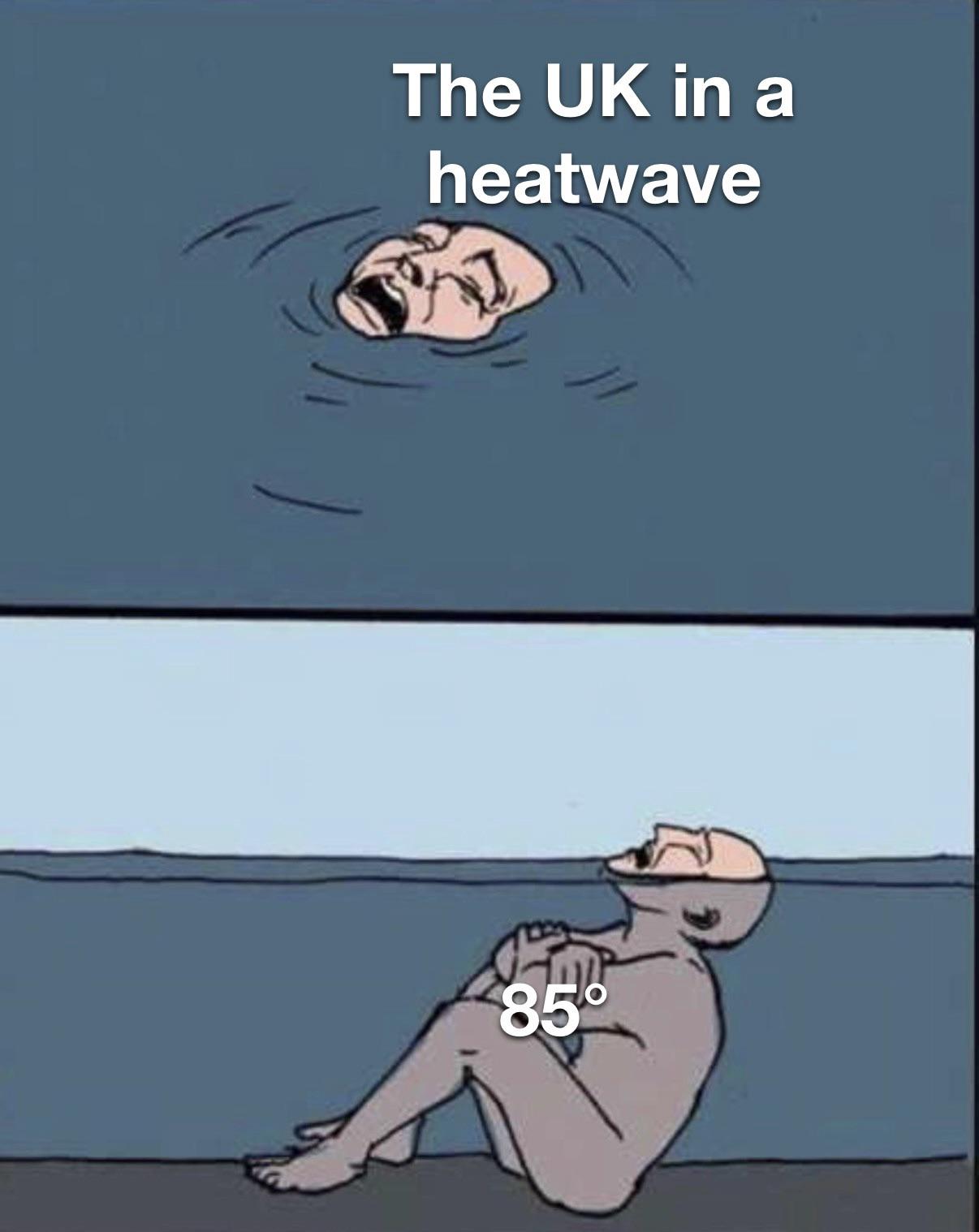
Every year, a specific subset of memes emerges regarding the lack of air conditioning in Europe. These memes often contrast the American "central air" lifestyle with the European "one oscillating fan and a prayer" approach. The humor typically involves dramatic depictions of people melting into their furniture or the sheer audacity of a 40°C (104°F) day in a city built for the Little Ice Age. These memes serve as a cultural bridge, highlighting different societal approaches to infrastructure and climate adaptation.
The Personification of the Window Unit
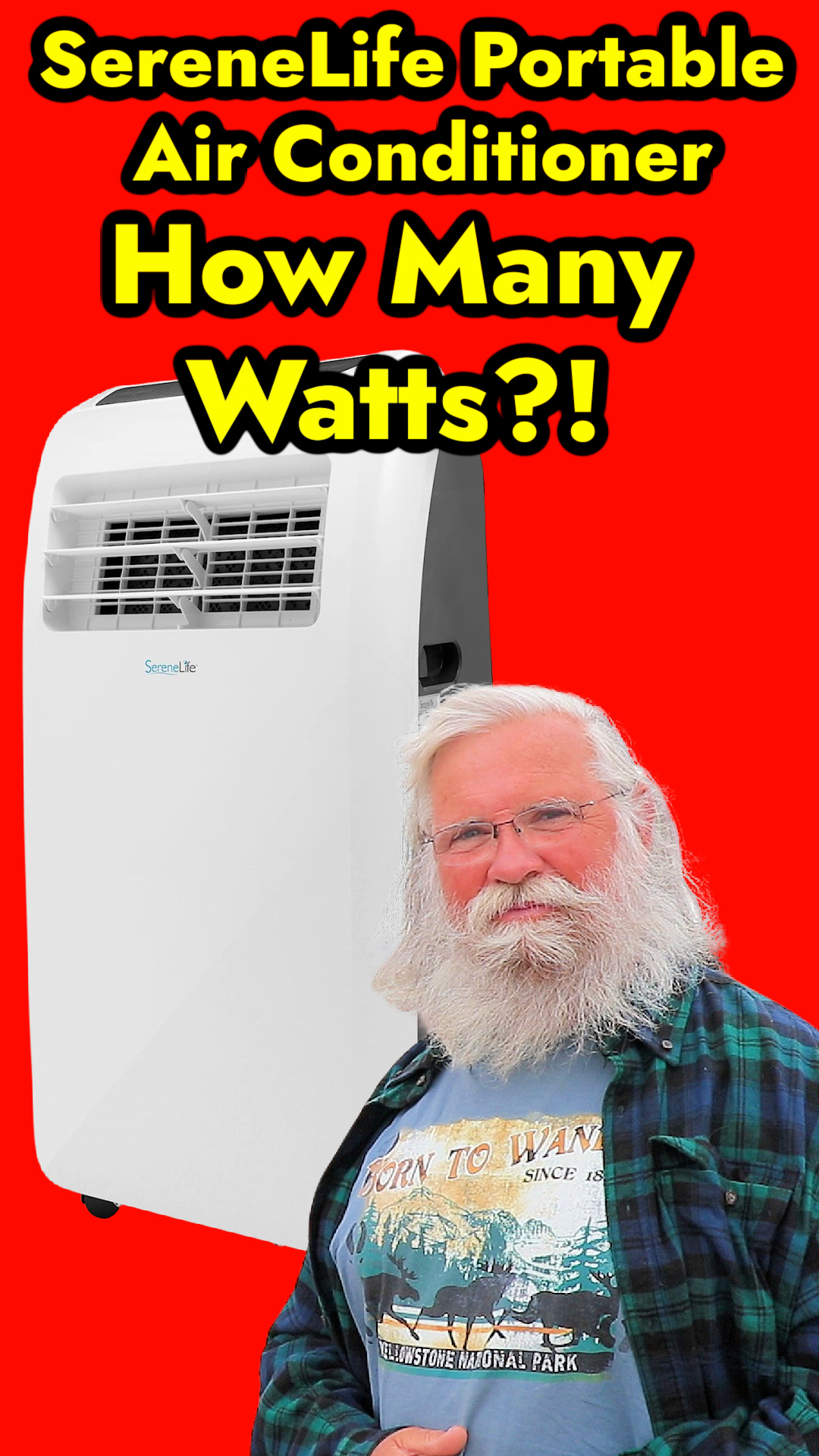
There is a specific brand of humor dedicated to the "Window AC Unit." Unlike sleek central air systems, window units are loud, heavy, and often look like they are held in place by sheer luck and a single rusted bracket. Memes frequently frame these units as "warrior poets" or "exhausted soldiers," capturing the sound of a rattling compressor as a "battle cry" against the sun. This theme resonates with renters and those in older buildings who lack modern HVAC systems.
Identifying Popular Meme Archetypes
The landscape of air conditioner humor is diverse. Below is a breakdown of the most common archetypes seen across social media platforms.
| Meme Archetype | Key Visual/Audio Element | Primary Theme |
|---|---|---|
| The Thermostat Guardian | An angry father figure or a locked plastic box over the controls. | Frugality and household authority. |
| The Struggling Unit | A video of a shaking, loud window AC with "boss music" playing. | Reliability (or lack thereof) of old technology. |
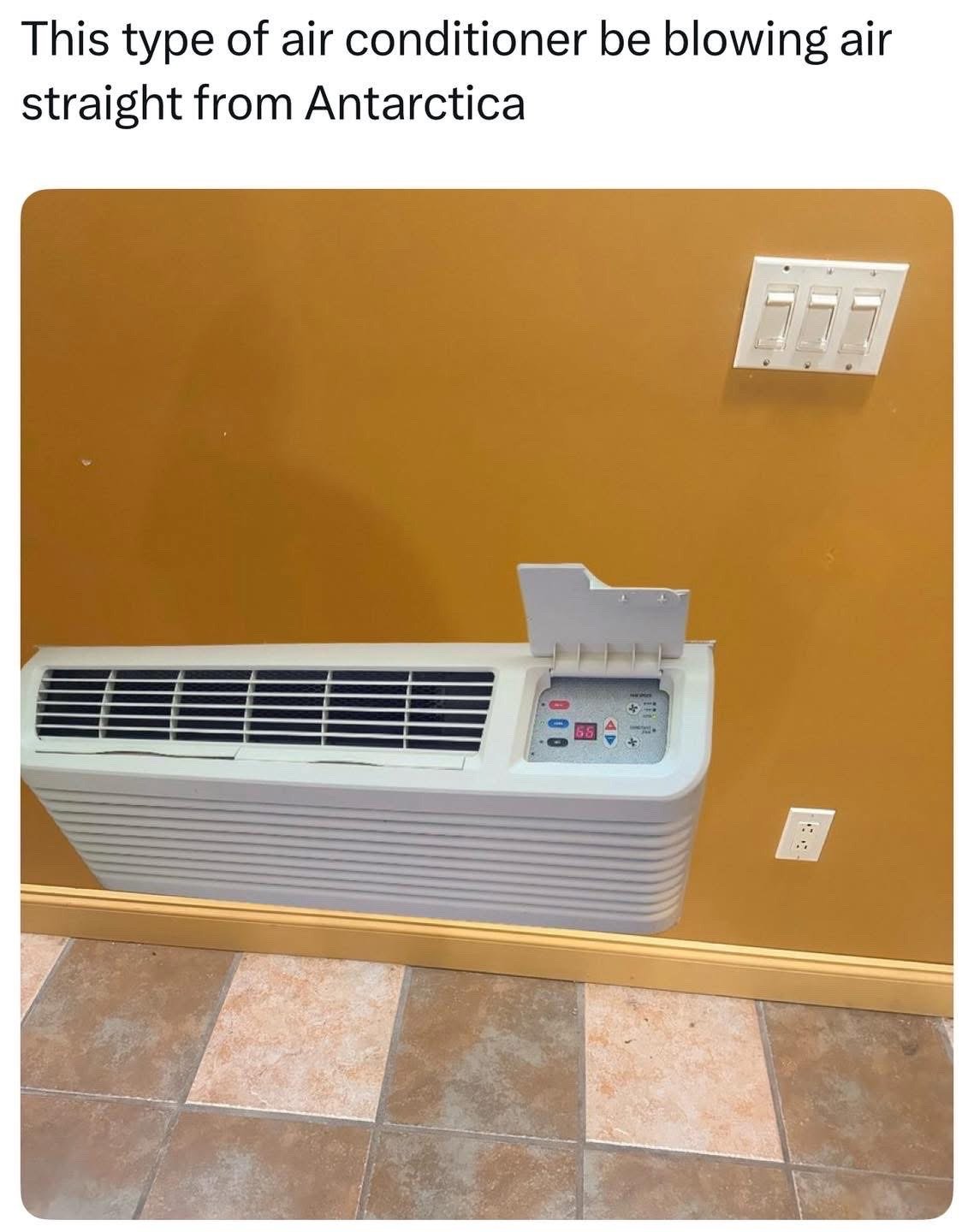
| The Arctic Entry | A person walking into a store and standing directly under the vent. | The physical relief of modern refrigeration. |
| The Electricity Bill | A photo of a burnt wallet or a skeleton looking at a digital statement. | The high cost of comfort and inflation. |
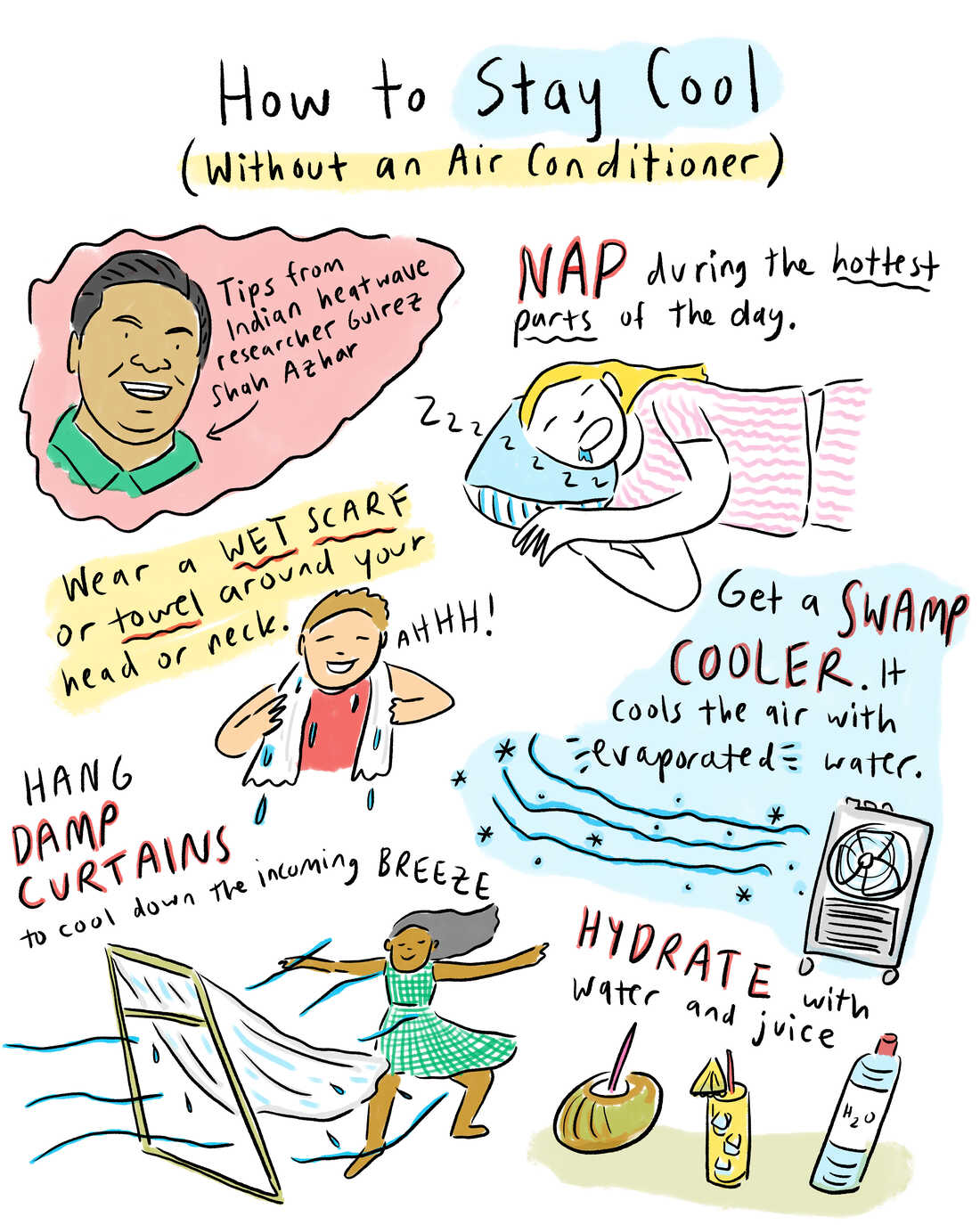
| The DIY AC | Fans blowing over buckets of ice or wet towels. | Ingenuity and desperation during extreme heat. |
The "Dad" Archetype and the Psychology of the Thermostat
The "Dad and the Thermostat" meme is perhaps the most enduring. It is rooted in the 20th-century transition to residential air conditioning, where the father figure was often the primary bill-payer and thus the self-appointed "commander-in-chief of the climate."
In 2026, this meme has seen a satirical revival. While original versions were about saving money, modern iterations often play on the absurdity of "thermostat wars" between roommates or partners. The humor stems from the minute adjustments—where moving the setting from 72 to 71 degrees is treated as a declaration of financial ruin. This highlights a deeper truth about shared living spaces: the temperature is never just about physics; it is about power, negotiation, and individual metabolic rates.
Furthermore, these memes often touch on the "thermostat lockbox," a real-world object that has become a symbol of corporate or parental tyranny. Seeing a photo of a locked thermostat in an office or a childhood home triggers a visceral reaction in many, making it a perfect subject for viral content.
Technical Realism in AC Memes
While memes are humorous, they often reflect real technical issues that HVAC professionals recognize. For example, the "AC spitting ice" meme is a common depiction of a frozen evaporator coil. While the meme treats it as the AC "losing its mind," the technical reality usually involves a dirty air filter or low refrigerant.
Similarly, memes about the "death rattle" of a compressor are scientifically grounded. As components age, mechanical wear leads to the specific clanking and grinding noises that internet users find so funny. By documenting these sounds, users are inadvertently creating a digital archive of the end-of-life cycle for mid-2010s cooling technology. This intersection of humor and mechanical failure provides a unique way for the public to engage with the otherwise dry subject of appliance maintenance.
How to Create and Share Impactful AC Memes
If you are looking to contribute to the AC meme canon, certain elements are essential for success. Authenticity is key; the most viral memes are those that capture a specific, unvarnished moment of heat-induced insanity.
- Capture the Audio: If your air conditioner makes a sound like a freight train or a dying robotic bird, record it. Audio is the primary driver of meme trends on TikTok and Instagram in 2026.
- Use Contrast: Show the outside temperature (e.g., 105°F) versus your indoor setup (e.g., three layers of hoodies and a space heater). The "Arctic lifestyle" inside a heatwave is a winning formula.
- Lean into the Bill: Screenshots of utility company "usage alerts" are goldmines for relatability. Highlighting the astronomical cost of keeping a room at 68 degrees resonates with everyone facing the current energy market.
- The "First Blast" Face: Capture the expression of someone standing in front of an AC vent after being outside for an hour. It is a look of religious ecstasy that needs no caption.
Frequently Asked Questions
Why did air conditioner memes become so popular recently?
The rise in global temperatures has made air conditioning a more central part of the daily conversation. As heatwaves become more frequent and intense, the shared experience of seeking "thermal refuge" has created a global audience for climate-related humor. Additionally, the increasing cost of energy has turned the utility bill into a universal "villain," providing a perfect antagonist for meme creators.
What does "My AC is fighting for its life" mean?
This phrase is used to describe an air conditioner—usually an older window or portable unit—that is struggling to cool a room against extreme outdoor heat. It is often accompanied by videos of the unit vibrating violently, making loud noises, or leaking water. It personifies the machine as a heroic, albeit exhausted, entity trying its best to serve its owners.
Are there specific "Dad" thermostat rules that memes reference?
Most memes reference the "72-degree rule," which is often cited by parents as the most "efficient" setting. Any attempt to lower the thermostat below this threshold is seen as a waste of money. Other memes focus on the "don't touch the dial" rule, where the thermostat is treated as a sacred object that only the head of the household may interact with.
Why do Europeans and Americans fight over AC in memes?
This is a cultural clash based on different infrastructure. Most American homes have central air conditioning, whereas many European homes, especially in older cities, do not. During summer heatwaves, Americans often meme about the "primitive" conditions in Europe, while Europeans counter with memes about American "over-refrigeration" and the environmental impact of constant AC use.
Is there a "best" time to post AC memes?
AC memes follow a seasonal pattern, peaking in the Northern Hemisphere between June and August. However, with the unpredictable weather patterns seen in 2025 and 2026, "off-season" heatwaves in the spring or autumn have led to successful meme spikes during unexpected times of the year.
Practical Recommendation for 2026
If you find yourself relating too closely to the "struggling AC" memes, it may be time for a technical intervention. While the memes are funny, a unit "fighting for its life" is often an inefficient one. For those in 2026, transitioning to high-efficiency heat pump systems is the most effective way to lower the "bill" mentioned in so many memes while maintaining the "Arctic" comfort we all crave. Keep enjoying the humor, but ensure your real-world cooling system is more than just a source of comedic noise.
Image Gallery