Why Is Goodwill a Good Thrift Store?
Goodwill is considered a good thrift store because it combines a vast, ever-changing inventory with a powerful social mission. Unlike for-profit resellers, Goodwill uses its retail revenue to fund job training, placement services, and...
Goodwill is considered a good thrift store because it combines a vast, ever-changing inventory with a powerful social mission. Unlike for-profit resellers, Goodwill uses its retail revenue to fund job training, placement services, and community-based programs for individuals facing barriers to employment. This dual-purpose model provides shoppers with affordable goods while simultaneously fostering local economic development and environmental sustainability.
Contents
Thrifting has evolved from a niche budget-saving tactic into a mainstream cultural phenomenon. In 2026, the motivations for shopping second-hand are more diverse than ever, ranging from environmental consciousness to the hunt for unique, high-quality vintage items. At the center of this movement is Goodwill Industries International, a network of independent, community-based organizations that has become synonymous with the thrift store experience. Understanding why Goodwill remains a leader in this space requires looking beyond the price tags and examining the operational, social, and environmental impact of the organization.
The Social Mission: Funding a "World of Work"
The primary reason Goodwill is regarded as a "good" thrift store is its non-profit status and its commitment to community empowerment. Many shoppers are surprised to learn that the retail stores are essentially the "engine" that powers a massive social service machine.
Vocational Training and Job Placement
For over 120 years, Goodwill’s core mission has been to help people find work. In 2026, this mission has expanded to include digital literacy training, certifications for high-growth industries like renewable energy and healthcare, and support for veterans transitioning to civilian life. When you purchase an item at a Goodwill store, the revenue generated (averaging over 80 cents per dollar across the network) is reinvested into these programs.
These services target individuals who may struggle to find employment elsewhere, including people with disabilities, those with a lack of education or work experience, and individuals with a criminal record who are seeking a second chance. By providing the tools necessary for financial independence, Goodwill reduces community reliance on public assistance and strengthens the local economy.
Supporting Local Communities
Because Goodwill is a network of regional organizations, the money spent at a specific location typically stays within that geographic area. A store in Seattle supports programs for Washington residents, while a store in Miami supports Floridians. This localized impact makes Goodwill a critical pillar of community infrastructure, providing not just goods, but also essential human services that local governments might otherwise struggle to fund.
Environmental Stewardship and the Circular Economy
In an era defined by the "fast fashion" crisis, Goodwill serves as a vital component of the circular economy. The environmental benefits of thrifting at Goodwill are measurable and significant.
Diverting Waste from Landfills
The sheer volume of textiles and household goods produced globally is staggering. Without organizations like Goodwill, millions of tons of usable items would end up in landfills each year. In 2026, as climate goals become more urgent, the role of thrift stores in extending the lifecycle of products is paramount. By facilitating the reuse of clothing, electronics, and furniture, Goodwill reduces the demand for new manufacturing, which is often carbon-intensive and resource-heavy.
The Lifecycle of a Donation
A common misconception is that Goodwill only sells what is in the store. In reality, the organization has a sophisticated "salvage" system for items that don't sell on the retail floor. Items that remain unpurchased after a certain period are moved to "Goodwill Outlets" (where items are sold by the pound), and if they still don't sell, they are often sold to textile recyclers or regional brokers. This ensures that as little material as possible is wasted, turning potential trash into a secondary commodity.
The Shopping Experience: Why Collectors and Families Choose Goodwill
Beyond the ethics, Goodwill offers a retail experience that appeals to a wide demographic, from college students decorating their first apartments to serious "flippers" looking for high-value collectibles.
Massive Inventory and Frequent Turnover
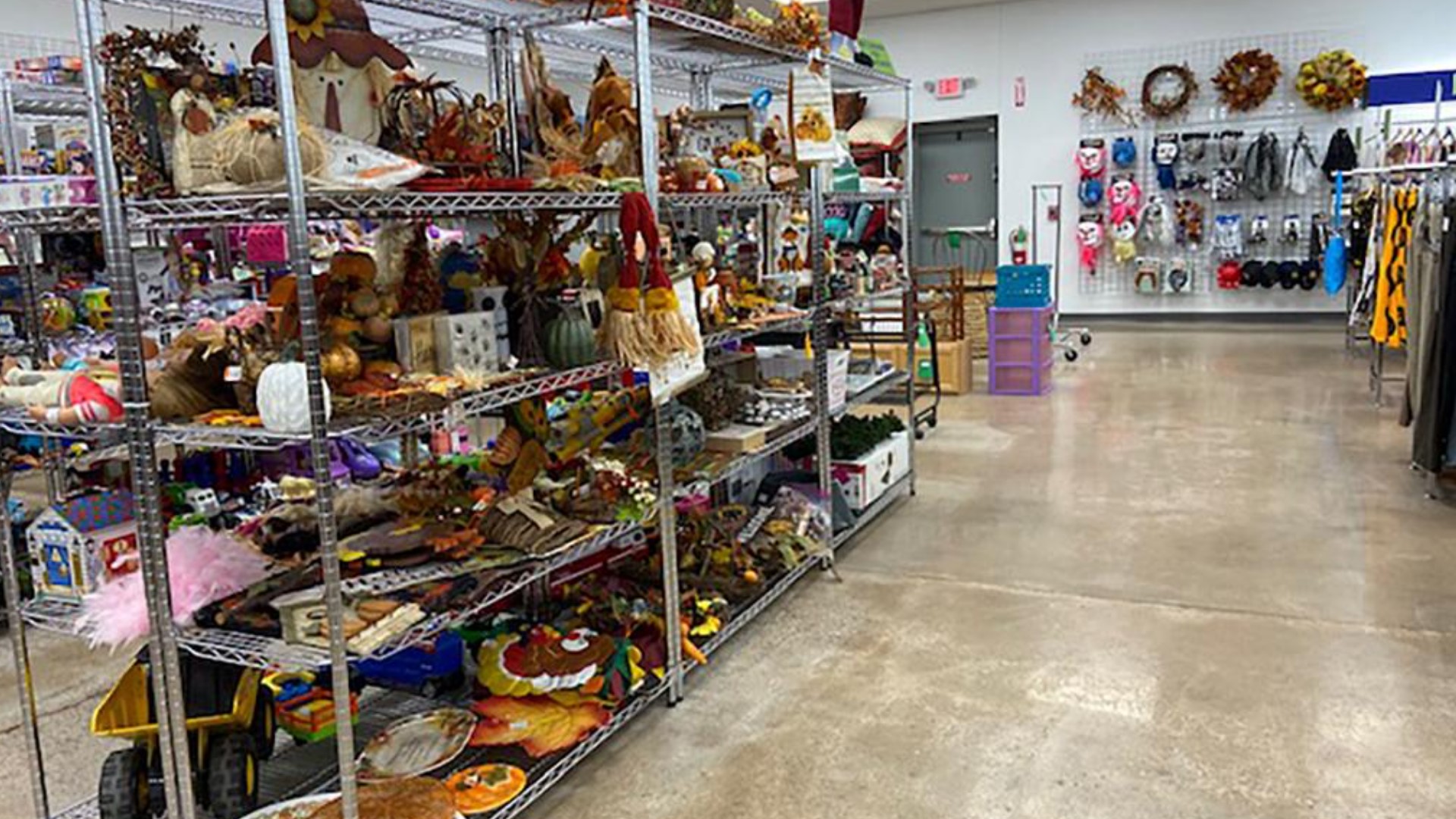
One of the hallmarks of a good thrift store is the frequency of new arrivals. Goodwill excels here because of its massive donation network. Most locations put hundreds, if not thousands, of "new" items on the floor daily. This high turnover rate creates a "treasure hunt" atmosphere that encourages frequent visits. For collectors, this means the possibility of finding a piece of mid-century modern furniture or a rare designer garment at a fraction of its market value.
Systematic Organization and Pricing
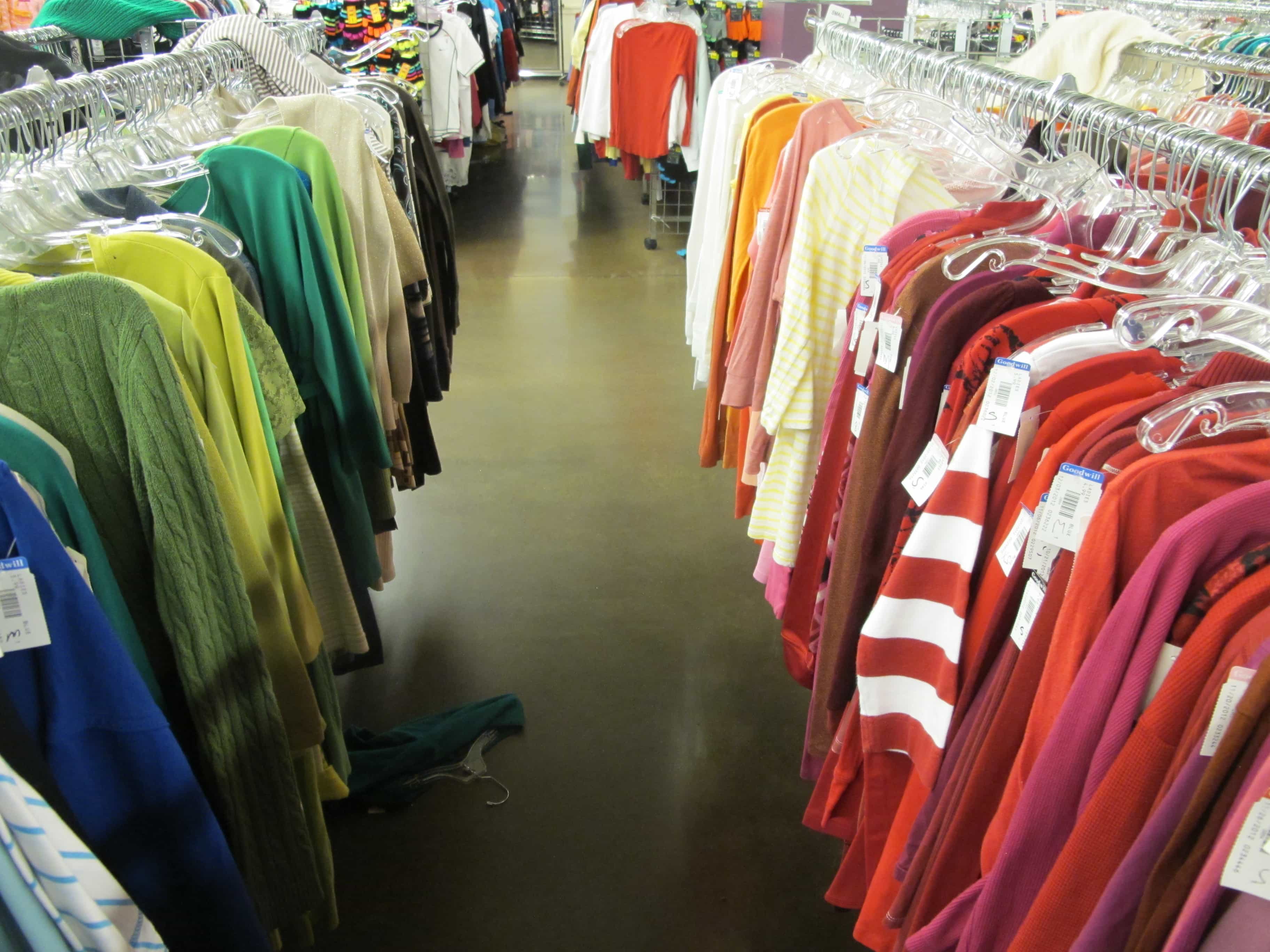
While every Goodwill region operates slightly differently, most follow a standardized organizational structure. Clothing is typically sorted by category (men’s, women’s, children’s) and often further by color or size. This makes it easier for shoppers to navigate the store compared to smaller, less organized "mom-and-pop" thrift shops.
Furthermore, Goodwill utilizes a color-coded tag system. Each week, a specific color tag is designated for a discount (often 50% off or even $1). This system serves two purposes: it provides deeper discounts to budget-conscious shoppers and ensures that inventory continues to move through the store to make room for new donations.
Comparison of Thrift Models
To understand why Goodwill stands out, it is helpful to compare it to other types of resale businesses common in 2026.
| Feature | Goodwill (Non-Profit) | For-Profit Resale (e.g., ThredUp, Poshmark) | Boutique Vintage Shops |
|---|---|---|---|
| Primary Goal | Fund community programs | Profit for shareholders/owners | Profit and curated fashion |
| Price Point | Low to Moderate | Moderate to High | High (Curated) |
| Inventory Source | Community donations | Consignment or direct buy | Hand-picked/Wholesale |
| Community Impact | Direct local job training | Minimal local impact | Small business support |
| Availability | Physical stores & Online | Primarily Online | Physical/Niche Online |
Addressing Common Criticisms
To provide a balanced view of why Goodwill is considered a good store, it is necessary to address the criticisms the organization sometimes faces.
Pricing Trends
A frequent complaint among long-term thrifters is that prices at Goodwill have risen over the past few years. In 2026, this is largely a reflection of increased operational costs, including rising wages for Goodwill employees and the logistical expenses of processing an ever-increasing volume of donations. While prices may be higher than they were a decade ago, they remain significantly lower than retail prices for new goods, and the "tag sales" continue to offer extreme value.
The "For-Profit" Myth
There is a persistent internet rumor that Goodwill is a for-profit company owned by a secret billionaire. This is factually incorrect. Goodwill Industries International is a 501(c)(3) nonprofit. While CEOs of large regional Goodwill branches do earn competitive salaries—often compared to executives of similarly sized hospital systems or universities—the organization’s financial records are public. These salaries are set by independent boards to attract the talent necessary to run what is effectively a multi-million dollar logistics and social services operation.
Tips for Thrifting at Goodwill in 2026
To get the most out of the Goodwill experience, savvy shoppers follow a few established strategies:
- Identify "Sale Color" Days: Ask an associate or look for signs at the entrance to see which tag color is discounted for the day.
- Visit "Boutique" Locations: Some Goodwill regions operate specialized "Boutique" or "Curated" stores that feature higher-end brands and designer labels. While prices are higher, the quality is often exceptional.
- Shop Mid-Week: Weekends are the busiest times for both donations and shopping. Visiting on a Tuesday or Wednesday often yields the best finds as staff replenishes the floor from the weekend donation surge.
- Check the Online Portal: If you are looking for specific high-value items like jewelry, rare electronics, or musical instruments, ShopGoodwill.com aggregates premium donations from across the country for auction.
- Look for New Goods: Goodwill often partners with major retailers (like Target) to receive "salvage" or overstock items. These are brand-new products with the original tags, sold at a steep discount.
The Future of Second-Hand Retail
As we move through 2026, the definition of a "good" thrift store continues to prioritize transparency and impact. Goodwill’s ability to modernize its infrastructure—using data to track inventory and implementing more efficient recycling programs—ensures its relevance. By shopping there, consumers are not just finding a bargain; they are participating in a local ecosystem that values human potential and environmental health.
Whether you are motivated by the thrill of the find, the need to stretch a paycheck, or a desire to reduce your carbon footprint, Goodwill provides a reliable and impactful platform. Its success is built on the simple idea that someone’s unwanted item can become someone else’s opportunity.
Frequently Asked Questions
Does Goodwill give me a tax receipt for my donations? Yes. Because Goodwill is a 501(c)(3) non-profit, donations are generally tax-deductible. In 2026, many locations offer digital receipts sent via email or through a mobile app to make record-keeping easier for your annual tax filings.
How does Goodwill decide what to throw away? Goodwill strives to throw away as little as possible. Items that are broken beyond repair, soiled, or hazardous are disposed of according to local regulations. However, most items that don't sell in-store are moved to outlets or sold to textile recyclers who turn old fabric into insulation or industrial rags.
Are all Goodwill stores the same? No. Goodwill is a network of 150+ independent regional organizations. This means that pricing, store hours, and even certain discount programs may vary depending on which region you are in. However, they all share the same core mission of providing job training and placement services.
Can I return items to Goodwill? Return policies vary by region. Some locations offer a 7-day exchange-only policy for clothing or electronics with a receipt, while others may have an "all sales final" policy. It is best to check the sign at the register before completing your purchase.
Why are some items at Goodwill priced higher than they used to be? Pricing is influenced by local market trends and the need to cover the increasing costs of labor and transportation. Additionally, Goodwill staff are trained to identify high-value brands to ensure the organization maximizes the revenue available for its social mission programs.
Image Gallery