Wood Fence Cost Per Linear Foot: 2026 Comprehensive Pricing Guide
In 2026, the average cost to install a wood fence ranges from $15 to $45 per linear foot. Most homeowners spend between $3,000 and $9,000 for a standard residential project. This price includes materials and professional labor, though...
In 2026, the average cost to install a wood fence ranges from $15 to $45 per linear foot. Most homeowners spend between $3,000 and $9,000 for a standard residential project. This price includes materials and professional labor, though premium woods like redwood or complex designs can push costs significantly higher depending on local market conditions.
Contents
Breaking Down the Components of Wood Fencing Costs
Understanding the cost of a wood fence requires looking beyond the total invoice. The "per linear foot" metric is the industry standard because it accounts for the scaling of materials and the time required for labor. However, this figure is rarely a flat rate. It is an aggregate of several distinct variables that can fluctuate based on the specific requirements of your property and the current economic climate of 2026.
Material Costs vs. Labor Costs
Generally, the cost of a wood fence is split almost equally between materials and labor. Materials typically account for 45% to 55% of the total price, while professional installation makes up the remaining 45% to 55%. In 2026, labor rates have seen a slight increase due to the continued demand for skilled tradespeople, while timber prices have stabilized following the volatility seen in previous years.
Material costs include the pickets (the vertical boards), the rails (horizontal supports), the posts (the vertical anchors), and the hardware (screws, nails, and gate hinges). Labor costs cover the physical exertion of digging post holes—often to a depth of 24 to 36 inches to get below the frost line—setting the posts in concrete, and the meticulous leveling and fastening of the fence structure.
The Impact of Fence Height
The height of your fence is one of the most significant cost drivers. A standard 4-foot picket fence requires significantly less lumber and shorter posts than a 6-foot or 8-foot privacy fence. Moving from a 6-foot fence to an 8-foot fence can increase the material cost per linear foot by 25% to 40% because it often requires heavier-duty posts (4x6 instead of 4x4) and additional horizontal rails to support the extra weight and wind load.
Wood Species and Their Impact on Price Per Linear Foot
The type of wood you choose determines not only the initial cost but also the longevity and maintenance requirements of the structure. In 2026, sustainable sourcing and "green" building certifications have made certain species more desirable, influencing their market value.
Pressure-Treated Pine and Spruce
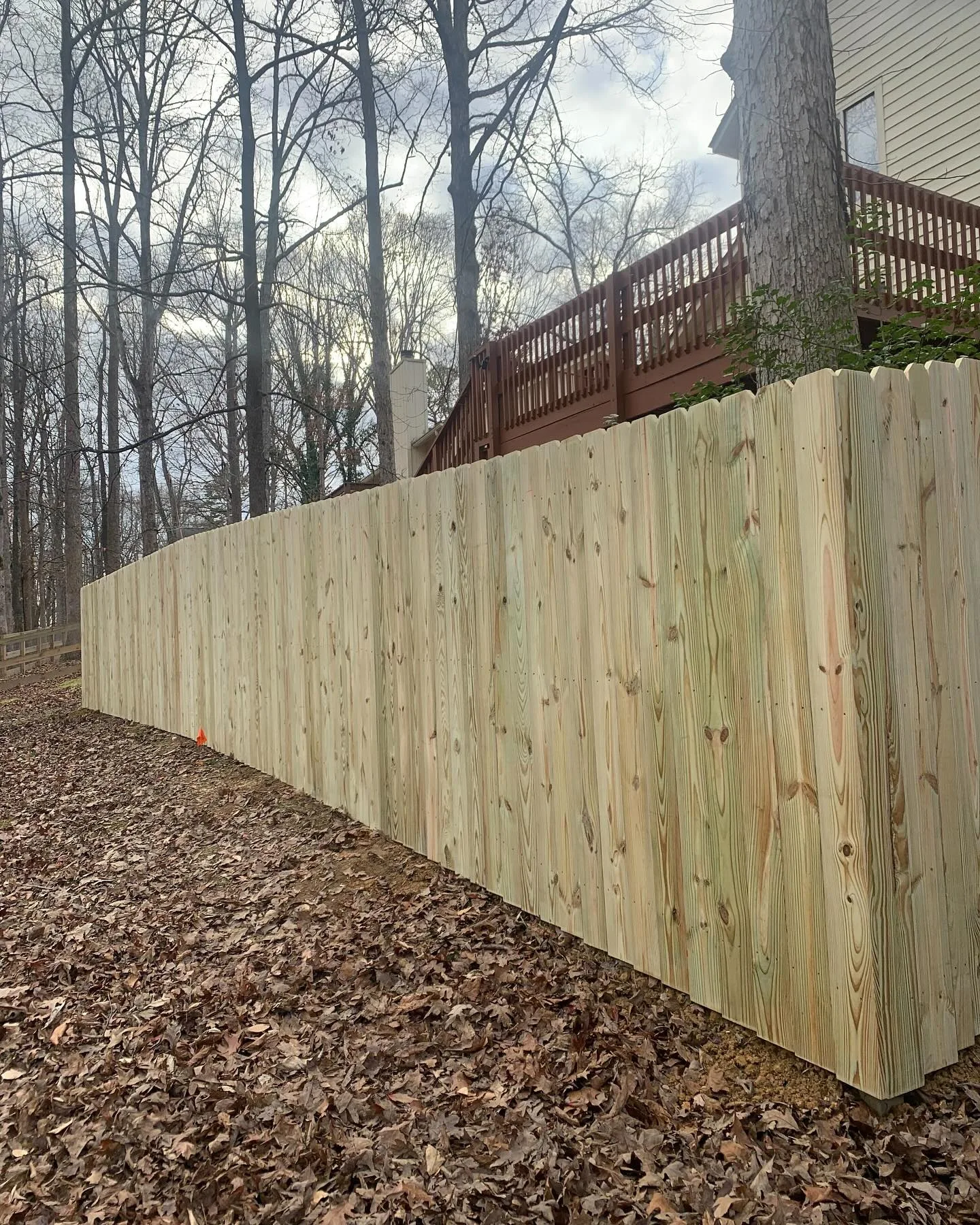
Cost: $12 – $25 per linear foot (installed) Pressure-treated (PT) lumber remains the most budget-friendly option. This wood is chemically treated to resist rot, fungal decay, and wood-boring insects. While it is the most affordable, PT pine is prone to warping, shrinking, and cracking as it dries. In the current market, improvements in treatment technologies have made these fences more durable than those of a decade ago, but they still require regular sealing to maintain their appearance.
Cedar (Western Red and Northern White)
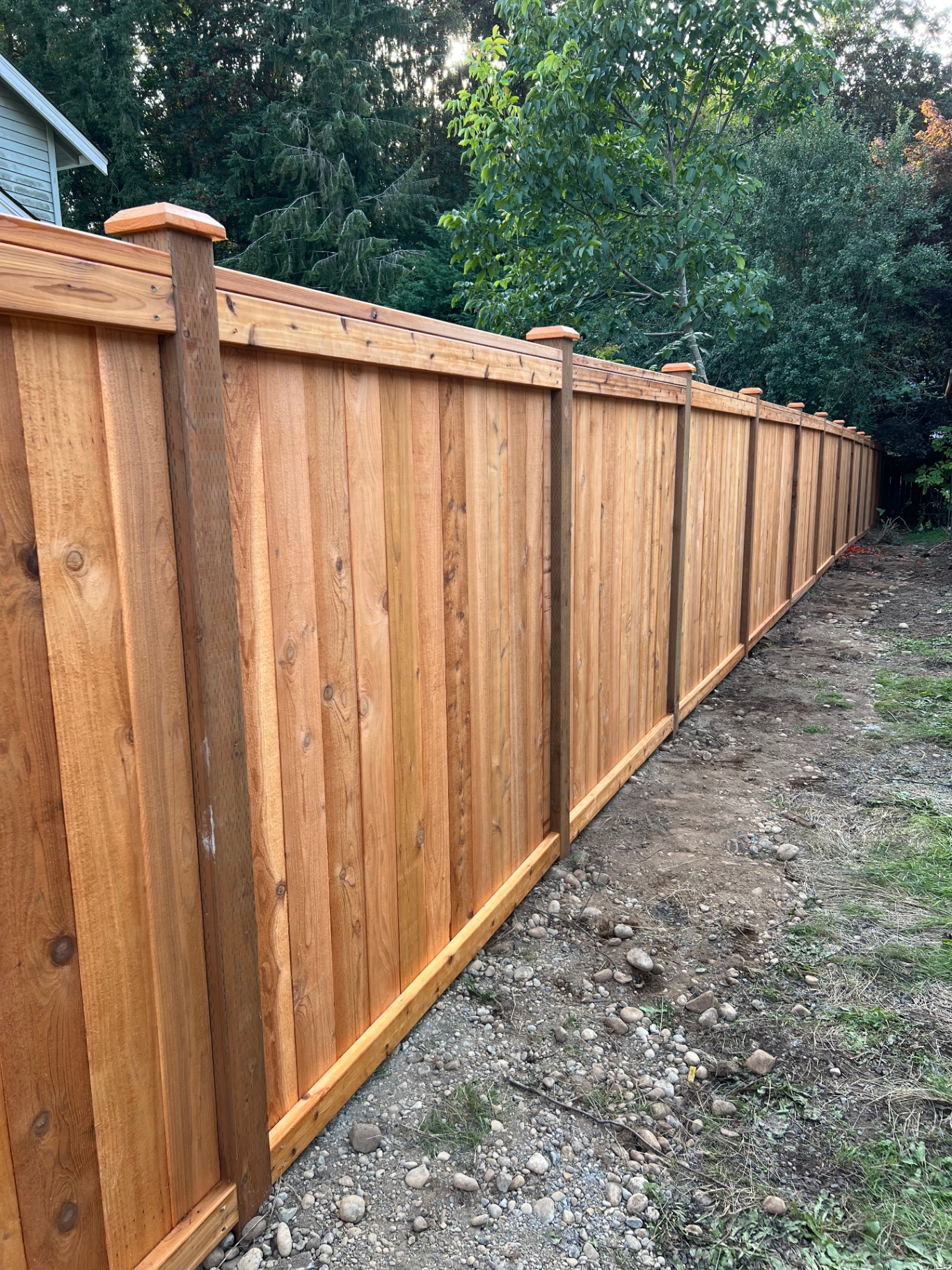
Cost: $25 – $45 per linear foot (installed) Cedar is the industry gold standard for residential fencing. It contains natural oils and tannins that act as preservatives, making it naturally resistant to rot and insects without the need for heavy chemical treatments. Cedar is prized for its stability; it is far less likely to warp or bow than pine. Western Red Cedar tends to be slightly more expensive due to its rich color and superior grain quality, whereas Northern White Cedar is a popular, slightly lighter-colored alternative in the Eastern United States.
Redwood
Cost: $35 – $65 per linear foot (installed) Redwood is a premium material largely used on the West Coast. It offers exceptional durability and a deep, luxurious aesthetic that many homeowners find unmatched. Because redwood is harvested under strict environmental regulations, its price reflects both its scarcity and its status as a high-end building material. Like cedar, it is naturally resistant to the elements, but it requires periodic oiling to prevent it from weathering to a silver-gray patina.
Tropical Hardwoods (Ipe and Cumaru)
Cost: $60 – $120+ per linear foot (installed) For those seeking a "lifetime" fence, tropical hardwoods like Ipe offer incredible density and strength. These woods are so dense they often do not float in water and require pre-drilling for every screw. While the cost per linear foot is significantly higher, these fences can last 40 to 50 years with minimal maintenance, making them a high-value investment for permanent estates.
Comparison Table: 2026 Wood Fence Costs by Type and Height
The following table provides estimated costs per linear foot for various configurations, including both materials and professional installation.
| Wood Species | Fence Style | Height | Estimated Cost (Per Linear Foot) |
|---|---|---|---|
| Pressure-Treated Pine | Picket (Spaced) | 4 Feet | $12 – $18 |
| Pressure-Treated Pine | Privacy (Solid) | 6 Feet | $18 – $28 |
| Cedar (Knotty) | Privacy (Solid) | 6 Feet | $30 – $42 |
| Cedar (Clear) | Privacy (Solid) | 6 Feet | $45 – $55 |
| Redwood | Board-on-Board | 6 Feet | $40 – $60 |
| Composite (Wood Fiber) | Privacy (Solid) | 6 Feet | $45 – $75 |
| Ipe (Exotic) | Modern Horizontal | 6 Feet | $80 – $130 |
Installation Variables and Site Conditions
The "per linear foot" price is a baseline that assumes a relatively flat lot with standard soil conditions. In practice, several site-specific factors can increase the final quote.
Grading and Slopes
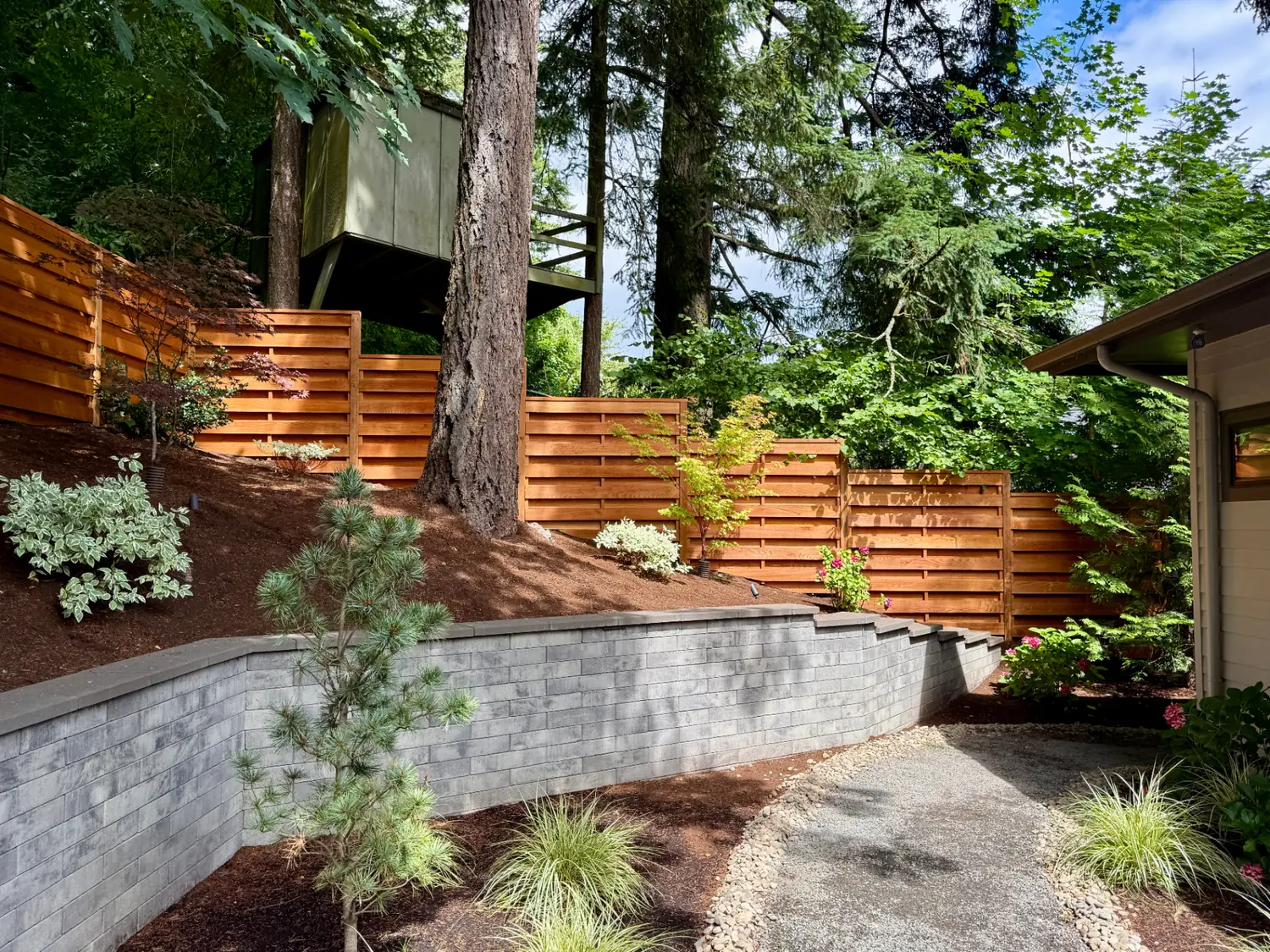
Fencing a sloped property requires either "stepping" the fence (where the top of the fence looks like a staircase) or "racking" it (where the fence rails follow the contour of the ground). Both methods require more labor and more precise measurements than a flat-ground installation. Stepping, in particular, may require longer posts to accommodate the gaps at the bottom of the sections, adding to material costs.
Soil Composition and Obstructions
Standard labor rates assume the installer can use a power auger to dig post holes. If your property sits on rocky soil, heavy clay, or has significant tree roots, the labor price per linear foot will increase. In extreme cases, contractors may need to use jackhammers or specialized drilling equipment, which can add $200 to $1,000 to the total project cost.
Urban vs. Rural Access
In 2026, logistical costs play a role in pricing. In dense urban environments, limited parking and the need to carry materials by hand into small backyards can lead to a "difficulty surcharge." Conversely, in very remote rural areas, contractors may charge a mobilization fee to cover the time and fuel required to transport a crew and materials to the site.
DIY vs. Professional Installation: A Cost-Benefit Analysis
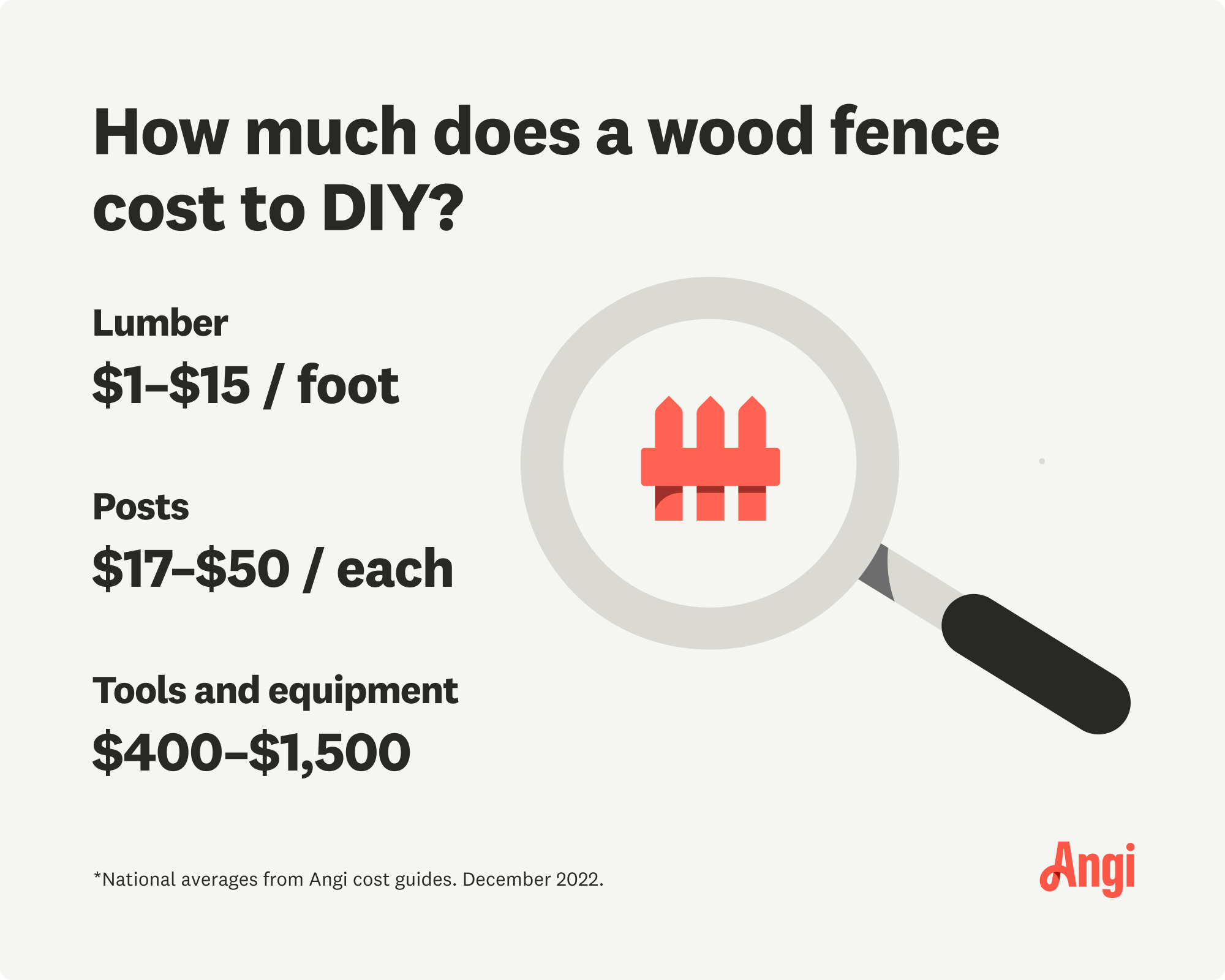
Choosing to install a wood fence yourself can save between $5 and $20 per linear foot in labor costs. However, this is a physically demanding project that requires specialized tools like a post-hole digger (manual or powered), a circular saw, levels, and a string line.
A major risk of the DIY approach is the improper setting of posts. If posts are not set deep enough or are not perfectly vertical, the fence will eventually lean or collapse under wind pressure. Furthermore, a professional installer typically handles the utility line marking (Call Before You Dig) and ensures the fence complies with local building codes and property line setbacks. In 2026, many municipalities have tightened regulations regarding fence height and wind-load resistance, making professional expertise more valuable for ensuring long-term compliance.
Long-Term Maintenance and Total Cost of Ownership
The initial cost per linear foot is only the beginning of the financial commitment for a wood fence. Unlike vinyl or aluminum, wood requires ongoing care to prevent the elements from degrading the fibers.
- Staining and Sealing: A high-quality stain or sealant should be applied within 3 to 6 months of installation (once the wood has dried sufficiently) and then every 2 to 3 years thereafter. This typically costs $1.50 to $4.00 per linear foot for professional application.
- Cleaning: Pressure washing or using a wood cleaner is necessary to remove mildew and graying before re-staining.
- Post Repair: Over 15 to 20 years, even treated posts may rot at the ground level where moisture accumulates. Replacing a single post can cost $150 to $300, including labor and concrete.
When calculating the total cost of ownership over 20 years, a cedar fence often proves more economical than a pine fence, despite the higher upfront price, because it requires fewer repairs and maintains its structural integrity longer.
Frequently Asked Questions
Does the cost per linear foot include gates?
Generally, no. Most contractors provide a per-linear-foot price for the main run of the fence and then charge a flat fee for each gate. In 2026, a standard 4-foot-wide walk gate typically costs between $300 and $600, while a double-drive gate (for vehicles) can cost $800 to $1,500 depending on the hardware and reinforcement used.
Is wood or vinyl more expensive per linear foot in 2026?
Vinyl (PVC) fencing usually has a higher upfront cost, ranging from $30 to $60 per linear foot. However, because vinyl requires almost zero maintenance and can last 30+ years without staining or painting, it often has a lower total cost of ownership compared to wood after the 10-year mark.
How do I know if my quote is fair?
A fair quote in 2026 should provide a detailed breakdown of the wood species, the grade of the wood (e.g., "#1" vs. "Construction Grade"), the post spacing (typically 6 or 8 feet), and the depth of the post holes. Always request at least three quotes and ensure the contractors are licensed and insured in your jurisdiction.
Does fence style (e.g., Shadowbox) affect the per-foot price?
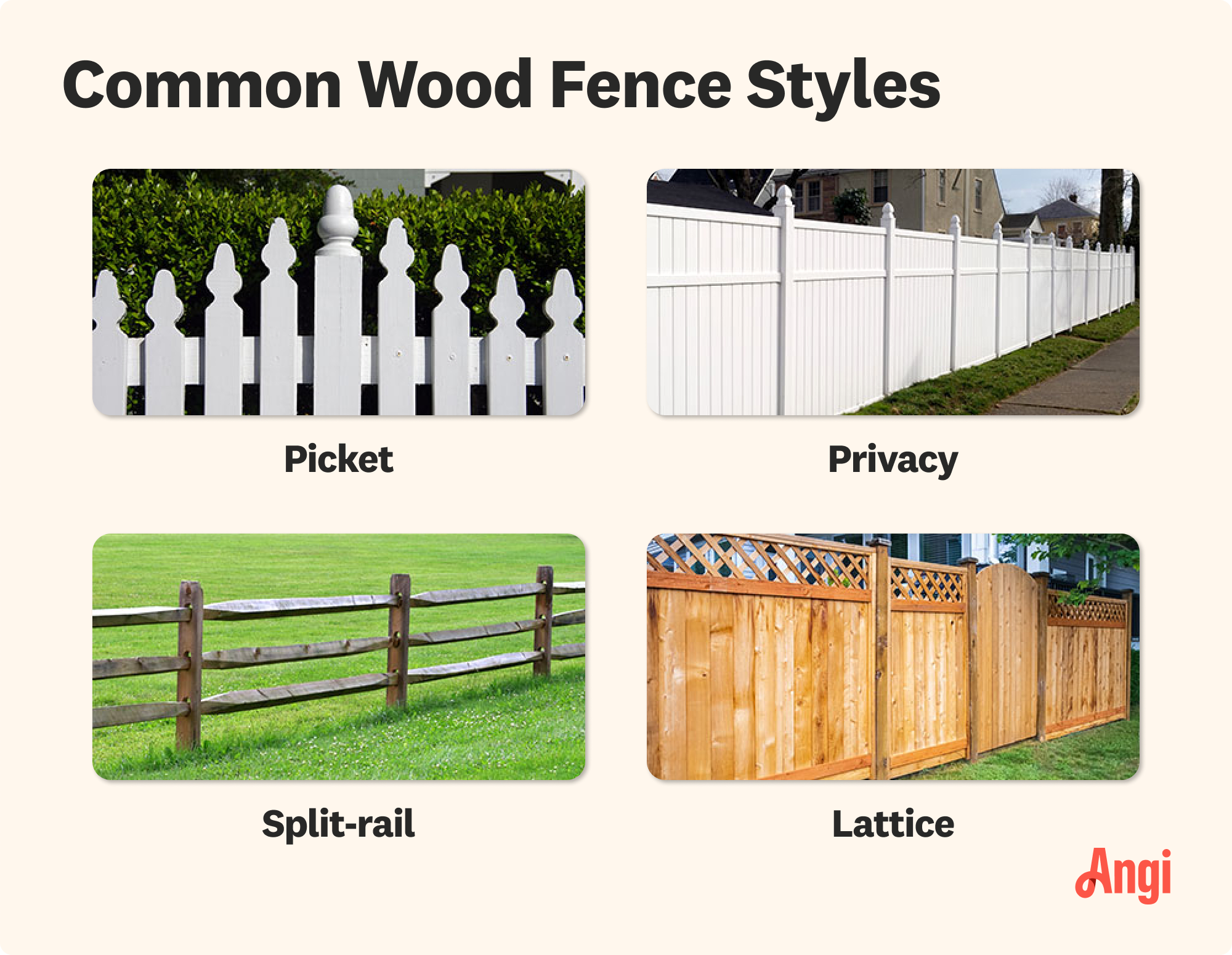
Yes, style dramatically affects the "board feet" of lumber required. A Shadowbox or Board-on-Board fence uses overlapping pickets to provide privacy while allowing airflow. These styles require roughly 30% more pickets than a standard side-by-side privacy fence, which directly increases the material cost per linear foot.
How much does it cost to remove an old wood fence?
Removal and disposal of an existing fence typically add $3 to $7 per linear foot. This includes the labor to dismantle the old fence, hauling the debris to a landfill, and paying the associated disposal fees, which have risen in 2026 due to increased environmental handling regulations for treated lumber.
Final Recommendations for Your Fencing Project
When planning a wood fence project in 2026, the most effective way to manage costs is to prioritize the quality of the posts and the structural integrity over the aesthetic finish. If you are on a strict budget, consider using pressure-treated pine for the posts and rails while using cedar for the pickets. This hybrid approach provides the rot resistance of treated wood in the ground with the beauty and stability of cedar for the visible portion of the fence.
Always verify your property lines with a professional survey before installation. Misplacing a fence by even a few inches can result in costly legal disputes or the requirement to tear down and rebuild the structure. Finally, ensure that your contractor uses galvanized or stainless steel fasteners; inferior nails will rust and leave unsightly "bleeding" streaks down your wood within the first year.
Image Gallery