Understanding the Debit Balance in Accounting
A debit balance occurs in accounting when the total sum of debit entries in an account exceeds the total sum of credit entries, or when an account naturally carries a debit balance as its standard state. This reflects either an increas...
A debit balance occurs in accounting when the total sum of debit entries in an account exceeds the total sum of credit entries, or when an account naturally carries a debit balance as its standard state. This reflects either an increase in assets and expenses or a decrease in liabilities, equity, and revenue, serving as a fundamental component of the double-entry bookkeeping system.
Contents
The Foundation of Double-Entry Bookkeeping
To understand a debit balance, one must first grasp the mechanics of the double-entry system. This accounting framework is predicated on the fundamental accounting equation: Assets = Liabilities + Owner’s Equity. Every financial transaction is recorded in at least two accounts to ensure that the accounting equation remains in balance.
In this system, every entry has two sides: the left side, known as the debit, and the right side, known as the credit. Contrary to popular misconception, "debit" does not inherently mean "decrease" and "credit" does not inherently mean "increase." Instead, their effects are determined entirely by the nature of the account being modified.
Which Accounts Naturally Carry a Debit Balance?
The classification of an account dictates whether a debit entry increases or decreases its value. Generally, accounts are categorized into five types: Assets, Liabilities, Equity, Revenue, and Expenses.
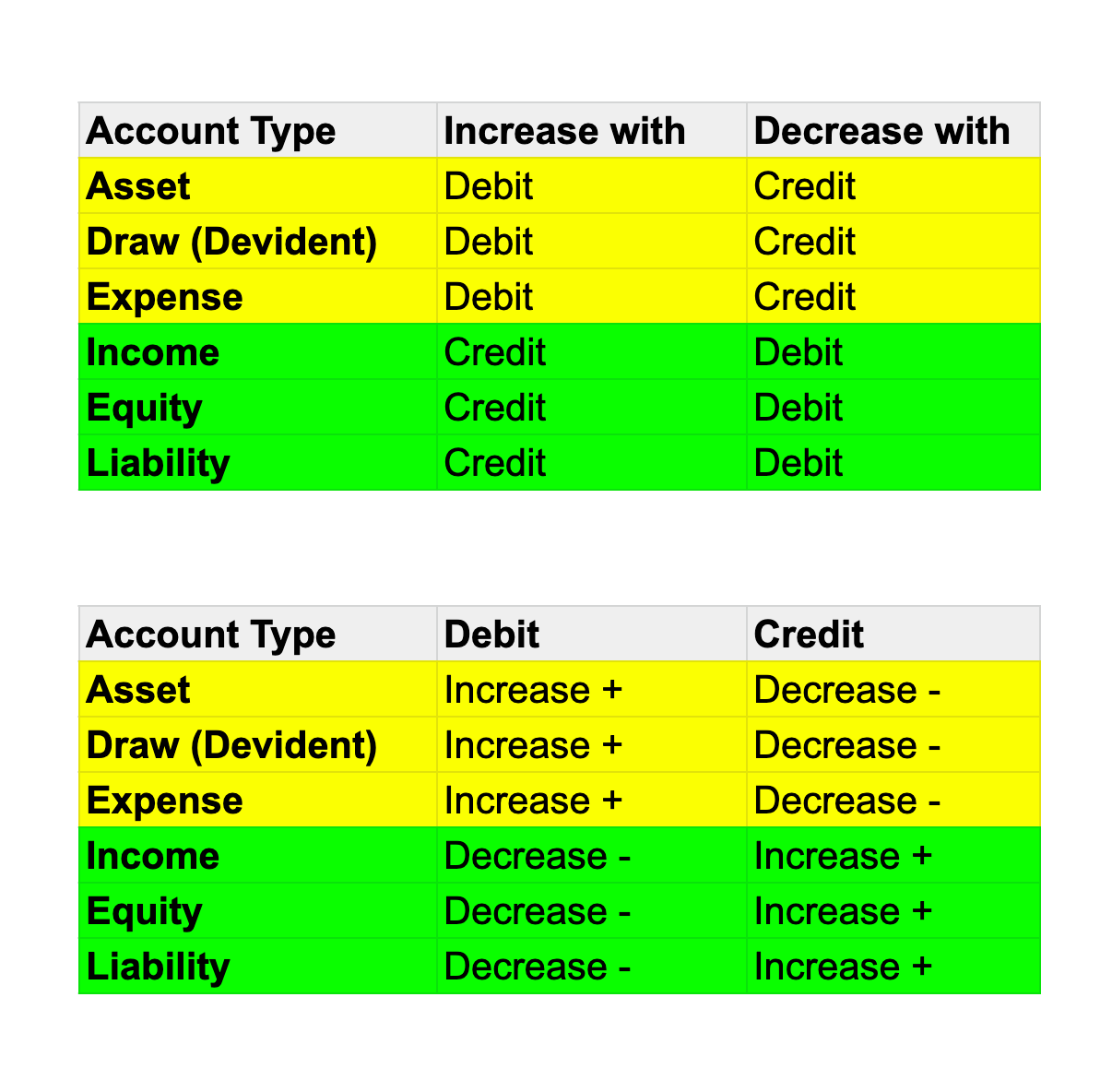
Accounts that naturally increase with a debit entry are referred to as having a "normal debit balance." These include:
- Assets: Resources owned by the business, such as cash, accounts receivable, inventory, and equipment. When you acquire an asset, you debit that account.
- Expenses: The costs incurred to generate revenue, such as rent, salaries, utilities, and marketing costs. Recording an expense requires a debit because it reduces the overall owner’s equity.
- Drawings or Dividends: Funds withdrawn by owners or distributed to shareholders. These are debited because they reduce the equity of the business.
Conversely, liabilities, equity, and revenue accounts naturally carry a credit balance. When you record an increase in these accounts, you credit them. A debit entry to these accounts serves to reduce their total balance.
Analyzing the Impact of Debit Entries
When a transaction occurs, the accountant identifies which accounts are affected and applies the rules of debits and credits. Consider the purchase of office equipment for cash:
- Equipment Account (Asset): Since this is an asset account increasing, you debit the account.
- Cash Account (Asset): Since this is an asset account decreasing, you credit the account.
This transaction maintains the integrity of the accounting equation. If you observe a "debit balance" in a ledger account at the end of a period, it signifies that, for that specific account, the cumulative debits assigned to it throughout the period were greater than the cumulative credits.
The Role of the Trial Balance
The Trial Balance is a report that lists the balances of all general ledger accounts at a specific point in time. It is a critical tool for ensuring that total debits equal total credits. Because the double-entry system requires that every debit has a corresponding credit, the total of all accounts with a debit balance must equal the total of all accounts with a credit balance.
If the Trial Balance does not reconcile, it indicates an error in the recording process. Common causes for a mismatch include:
- Posting only one side of a transaction.
- Transposing numbers (e.g., recording 540 instead of 450).
- Recording a transaction as a debit in one account and a debit in another, rather than a debit and a credit.
Comparing Account Normal Balances
Understanding whether an account should have a debit or credit balance is essential for accurate financial statement preparation. The following table illustrates the standard behavior of major account categories.
| Account Type | Normal Balance | Increase Action | Decrease Action |
|---|---|---|---|
| Assets | Debit | Debit | Credit |
| Expenses | Debit | Debit | Credit |
| Liabilities | Credit | Credit | Debit |
| Equity | Credit | Credit | Debit |
| Revenue | Credit | Credit | Debit |
Troubleshooting Abnormal Balances
An "abnormal balance" occurs when an account shows a balance opposite to its natural state. For example, if a Cash account shows a credit balance, it implies the entity has spent more cash than it possesses—an impossible scenario unless the bank provides an overdraft facility or a bank error has occurred.
When you encounter an abnormal balance, follow these verification steps:
- Verify the Source Documents: Cross-reference the journal entries with invoices, receipts, and bank statements to ensure the transaction was recorded accurately.
- Check for Posting Errors: Ensure that the transaction was not posted to the wrong side of the ledger (e.g., a credit instead of a debit).
- Analyze Timing Differences: Review if the credit entries reflect legitimate payments that have cleared, whereas expected debits (like deposits) have not yet been recorded.
- Confirm Adjusting Entries: Check if accrual or deferral adjustments were made incorrectly at the end of the accounting period.
Practical Implications for Financial Reporting
For business owners and managers, understanding debit balances is vital for reading the Balance Sheet and Income Statement. A high debit balance in an asset account represents a healthy investment in resources, while a growing debit balance in expense accounts warrants an investigation into operational efficiency.
Financial reporting software in 2026 automates many of these calculations. However, the conceptual understanding remains necessary for auditors and financial controllers to interpret data correctly. If a financial report displays a debit balance where a credit is expected, it acts as an immediate red flag, signaling a need for a deep dive into the transaction history of that specific account.
Frequently Asked Questions
Does a debit balance always mean an increase? No. A debit increases assets and expenses, but it decreases liabilities, equity, and revenue. Whether a debit represents an increase or decrease depends entirely on the account type.
What is the difference between a debit balance and a negative balance? In accounting, a debit balance is a technical term for the status of an account in the ledger. A "negative balance" is a colloquial term that usually implies an account has dropped below zero, which might be an abnormal balance (like a credit balance in a cash account).
Can a liability account have a debit balance? Yes, but it is typically abnormal. This might happen if you overpay a vendor, resulting in a credit balance on their account from your perspective, which effectively becomes a receivable (an asset).
How does a debit balance relate to my bank statement? Banks operate from their own perspective. When they say you have a "debit balance," they mean you owe them money (a liability to them). This is the inverse of how you record your bank account in your own books.
Is the debit balance the same as the "net" balance? The net balance is the difference between the total debits and total credits in an account. If that net difference is a positive amount on the debit side, it is referred to as a debit balance.
Conclusion and Next Steps
Mastering the concept of the debit balance allows you to perform more accurate bookkeeping and gain better insight into your organization's financial health. To ensure your records remain accurate, perform a monthly reconciliation of your ledger against third-party statements, such as bank accounts and credit card statements. If you identify an unexpected debit balance in a liability or revenue account, investigate the specific transactions leading up to that date to verify they were not miscategorized or double-counted.
Image Gallery