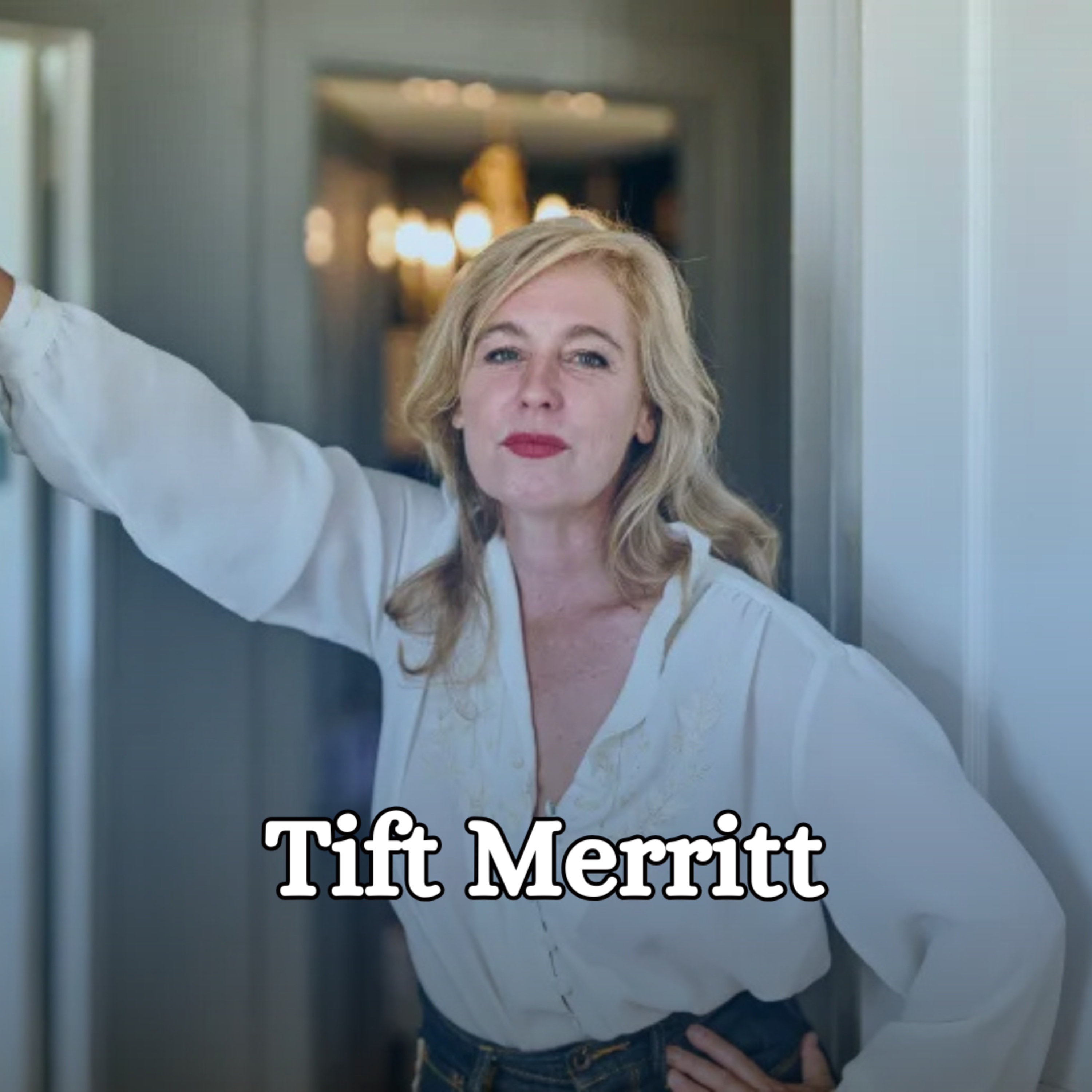
Tift Merritt Net Worth: Career Longevity and Financial Trajectory
Estimating the net worth of an established independent musician like Tift Merritt requires looking beyond simple royalty figures and into the multifaceted nature of a professional career spanning over two decades. While exact private f...
Estimating the net worth of an established independent musician like Tift Merritt requires looking beyond simple royalty figures and into the multifaceted nature of a professional career spanning over two decades. While exact private financial holdings remain undisclosed, Merritt’s net worth is primarily the product of a prolific discography, consistent international touring, publishing rights, and diversified creative projects in literature and radio.
Contents
Understanding Independent Artist Revenue Streams
For a musician of Tift Merritt’s stature—critically acclaimed, deeply respected within the Americana and folk-country genres, but operating outside of mass-market pop music—wealth is rarely generated through a single viral breakthrough. Instead, it is built through the accumulation of various professional income streams.
In the current music industry landscape of 2026, the financial sustainability of a career artist is predicated on a mix of legacy catalog revenue and active performance cycles. For Merritt, this begins with her recorded music. Since her 2002 debut Bramble Rose, she has maintained a high standard of output with major labels and independent imprints alike. The royalties from these recordings, managed through established publishing administration, provide a foundational "long-tail" income. Unlike artists reliant on singular high-earning years, Merritt’s model is defined by steady, predictable revenue generated by a loyal fan base that continues to purchase physical media, stream her catalog, and license her music for sync opportunities in television, film, and commercial media.
The Economics of Touring and Live Performance
Live performance remains the primary driver of income for mid-career professional musicians. Tift Merritt has consistently maintained an active tour schedule, performing at clubs, theaters, and festivals across North America and Europe.
The financial profile of a tour is complex. In 2026, touring involves significant overhead, including transportation, venue hire, sound production, and crew salaries. Merritt’s approach to touring—often prioritizing intimate settings and high-fidelity acoustics—allows her to maintain a sustainable business model. By cultivating a dedicated audience that values the artistic experience over large-scale spectacle, she avoids the exorbitant debt cycles often associated with massive arena production tours.
Key factors that influence the net worth accumulation from her touring activities include:
- Direct-to-Fan Sales: Merchandise revenue at live shows serves as a high-margin supplement to ticket sales.
- Geographic Reach: International touring, particularly in Europe, often yields different tax structures and performance incentives that can enhance overall profitability.
- Festival Residencies: Recurring appearances at high-profile folk and Americana festivals provide reliable annual income benchmarks.
Expanding Beyond Music: Radio and Literature
Tift Merritt is not merely a touring musician; her professional identity includes significant work as a writer and broadcaster. Her venture into public radio, notably with her show The Spark, demonstrates the diversification of her professional portfolio.
Broadcasting and creative collaborations contribute to her total net worth in ways that are distinct from music royalties. These roles often provide a more stable, salary-based, or contract-based income, which acts as a hedge against the volatility of the music industry. Furthermore, her foray into writing and editorial work establishes her as a brand beyond the stage. In professional arts, this "multihyphenate" status often leads to higher-value speaking engagements and creative consultancy roles, which enhance overall financial stability.
The Impact of Intellectual Property and Publishing
A significant, albeit quiet, portion of a songwriter’s net worth is held in their publishing rights. As the primary songwriter for much of her material, Merritt owns the intellectual property (IP) rights to her catalog.
In the modern digital economy, intellectual property is an asset that can be leveraged. Many artists at this career stage look toward catalog management, ensuring that their songs are properly registered, represented in collections agencies, and pitched for sync opportunities. Sync licensing—the placement of songs in TV shows, documentaries, or advertising—can provide substantial one-time payments (licensing fees) and ongoing performance royalties. For an artist with a catalog as lyrical and evocative as Merritt’s, this remains a vital asset in her financial profile.
Comparative Financial Context for Artists
Understanding where an artist like Tift Merritt stands requires a comparison with peers in the independent music sector. The following table illustrates the typical financial pillars for professional musicians with similar career trajectories.
| Revenue Source | Financial Character | Consistency |
|---|---|---|
| Touring/Live | High volume, high overhead | Seasonal/Project-based |
| Streaming Royalties | Low per-unit, high volume | Ongoing passive |
| Sync Licensing | High one-time fees | Variable |
| Physical Sales | Niche, high margin | Steady |
| Broadcasting/Media | Contract-based, stable | Consistent |
Common Misconceptions Regarding Celebrity Net Worth
Public curiosity often leads to the appearance of "net worth" calculators on third-party aggregator sites. It is important for the reader to understand that these websites rarely have access to private financial records, tax returns, or investment portfolios. These estimates are often based on automated algorithms that track superficial data points—such as number of album releases or social media engagement—without accounting for the significant operating expenses, taxes, commissions to management, or personal lifestyle costs that define actual wealth.
Financial independence for a working musician is best defined by their ability to maintain artistic control and creative longevity. The true measure of Merritt’s success is the sustained demand for her work over two decades, which allows her to continue producing high-quality art on her own terms in 2026.
Frequently Asked Questions
Does Tift Merritt earn more from streaming or touring? Generally, for independent artists of Merritt’s caliber, touring and merchandise sales contribute a larger percentage of total annual income than streaming royalties. While streaming provides steady passive income, live performance remains the primary economic engine.
What role do publishing rights play in an artist's wealth? Publishing rights allow an artist to earn money every time their song is performed, broadcast, or used in a commercial product. Over a twenty-year career, these rights function like a long-term investment portfolio, generating passive income.
Do third-party "net worth" websites provide accurate data? No. These sites are generally aggregators that use estimates based on public records. They cannot account for private debt, overhead costs, or the actual business structures that musicians use to manage their finances.
Is Tift Merritt a high-net-worth individual? In the context of the music industry, Merritt is considered a successful, established professional. Her wealth is reflective of a stable, long-term career built on consistent artistic output, rather than the speculative, high-volatility earnings seen in pop music superstars.
How does her radio work affect her income? Broadcasting and editorial work offer professional stability that is less subject to the fluctuations of the music market. This diversifies her income, providing a layer of financial security that pure performance-based careers often lack.
Recommendation for Further Financial Literacy
For those interested in the financial mechanics of the arts, research into the "Artist Rights Alliance" or resources from the "Recording Academy" can provide a deeper understanding of how music royalties and performance rights operate. Understanding these structures provides a much clearer picture of how creative professionals manage their assets than any estimated net worth figure could ever provide.
Image Gallery