How to Handle Black Mold Remediation in Commack
Handling black mold remediation in Commack requires a structured, safety-conscious approach that addresses both visible growth and invisible moisture sources unique to the local climate and housing stock. Professional intervention is t...
Handling black mold remediation in Commack requires a structured, safety-conscious approach that addresses both visible growth and invisible moisture sources unique to the local climate and housing stock. Professional intervention is typically required for larger contaminations, while small areas can sometimes be managed independently if strict containment protocols are observed.
Contents
Dealing with mold contamination in a residential or commercial property is a stressful experience, particularly when the suspected culprit is Stachybotrys chartarum, commonly known as black mold. In Commack, New York, local environmental conditions—ranging from humid summer months to freeze-thaw cycles during winter—frequently contribute to moisture accumulation in basements, crawlspaces, and attics. Addressing this issue successfully demands an understanding of proper remediation standards, health precautions, and the local service landscape. Whether you are evaluating DIY containment strategies or preparing to hire a licensed professional, a methodical approach ensures that property damage is mitigated and indoor air quality is restored.
Understanding Black Mold and Its Impact on Commack Properties
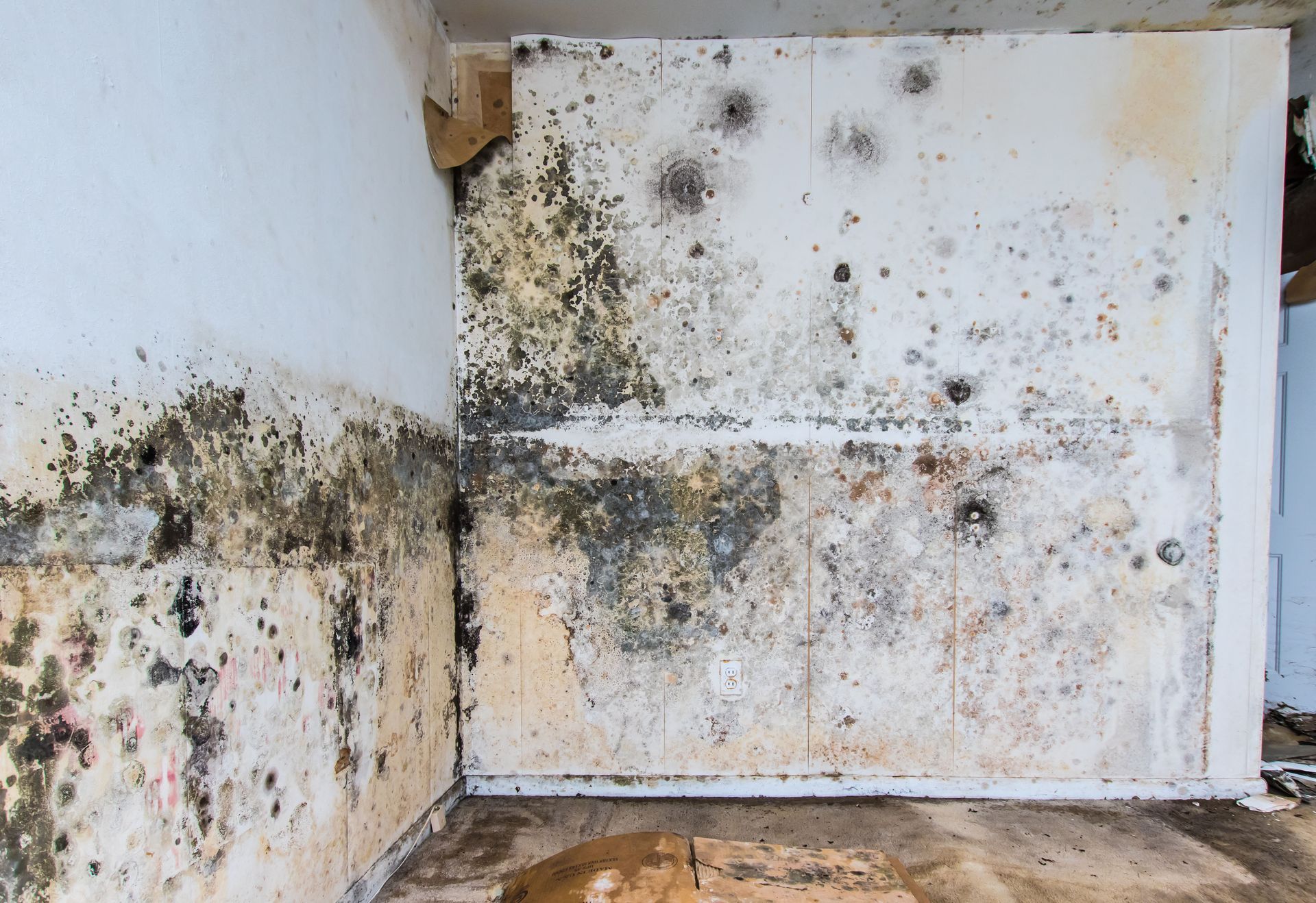
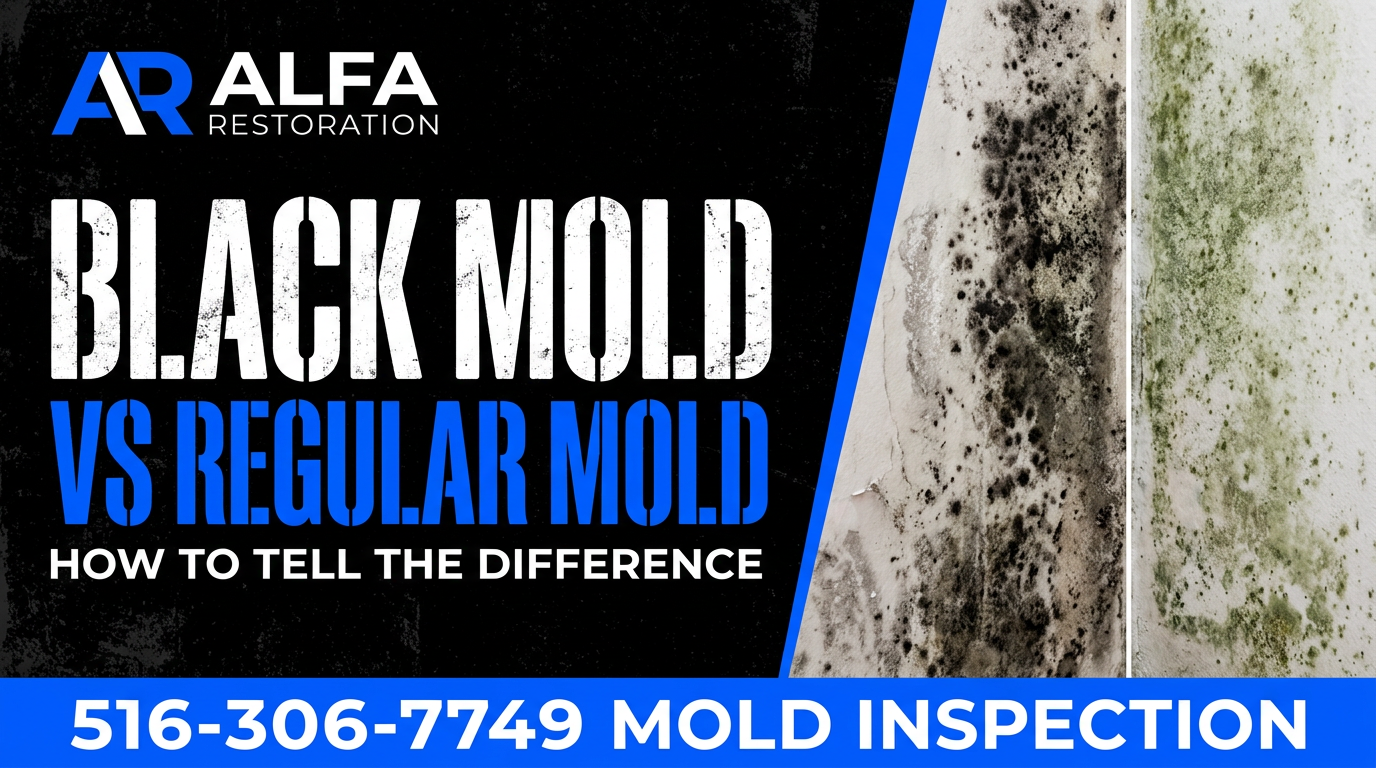
Stachybotrys chartarum is a greenish-black filamentous fungus that produces mycotoxins under specific environmental conditions. It thrives in areas with cellulose-rich materials—such as drywall, gypsum board, paper, and wood—that have experienced sustained water damage, chronic humidity, or plumbing leaks. Unlike harmless surface molds, black mold requires significant moisture over an extended period to colonize, making its presence a definitive indicator of an unresolved moisture problem.
In Commack, properties face specific regional vulnerabilities. Many homes feature classic suburban construction styles with finished basements, subterranean foundation walls, and complex roofing structures. During heavy summer storms or rapid snowmelts, sump pump failures or foundation seepage can introduce standing water into lower levels. Conversely, inadequate attic ventilation during humid July and August days can lead to condensation on roof sheathing, fostering hidden mold colonies.
Recognizing the signs of mold extends beyond visible discoloration. A persistent, musty, earthy odor is often the first indicator of hidden growth behind drywall or beneath flooring. Health symptoms experienced by occupants—such as chronic nasal congestion, throat irritation, coughing, and exacerbated asthma symptoms—frequently prompt indoor air quality investigations. According to the United States Environmental Protection Agency (EPA) guidance on mold remediation, controlling moisture is the fundamental key to stopping mold growth before it requires extensive structural demolition.
Assessing the Extent of the Contamination
Before any remediation work begins, a thorough assessment must be conducted to determine the total square footage of the affected area and identify the root cause of moisture intrusion. Misjudging the scale of the contamination can lead to incomplete removal and widespread spore dispersion throughout the building HVAC system.
Differentiating Small-Scale Versus Large-Scale Contamination
The industry standard set by organizations like the Institute of Inspection Cleaning and Restoration Certification (IICRC S520 Standard for Professional Mold Remediation) categorizes mold jobs by size:
- Small-Scale Areas: Generally defined as isolated patches totaling less than 10 square feet. These can often be managed by property owners using appropriate personal protective equipment (PPE) and containment measures.
- Medium to Large-Scale Areas: Spanning from 10 to 100 square feet or exceeding 100 square feet of continuous growth, or any contamination involving HVAC systems. These scenarios mandate certified professional intervention to prevent cross-contamination into unaffected zones of the home.
Pinpointing Moisture Sources
Cleaning mold without repairing the underlying water source guarantees recurrence. Property owners in Commack should investigate potential moisture pathways:
- Roof Leaks and Ice Dams: Inspect attic spaces for water stains on rafters and wet insulation, which often occur after heavy winter snow accumulation.
- Foundation Seepage: Check basement walls for efflorescence (a white, powdery mineral deposit) and damp spots following heavy rainfall.
- Plumbing Failures: Examine supply lines beneath sinks, behind washing machines, and around water heaters for slow, hidden leaks.
- Condensation Issues: Evaluate bathroom exhaust fans and dryer vents to ensure they vent directly to the exterior rather than into crawlspaces or attics.
Safety Protocols and Preparation for Remediation
Safety must take precedence during any mold remediation project. Disturbing dry mold colonies without precautions releases millions of microscopic spores into the air, which can be inhaled by occupants or settle in other parts of the building.
Personal Protective Equipment (PPE)
Anyone entering a contaminated work zone must wear adequate protective gear to avoid direct contact and inhalation risks:
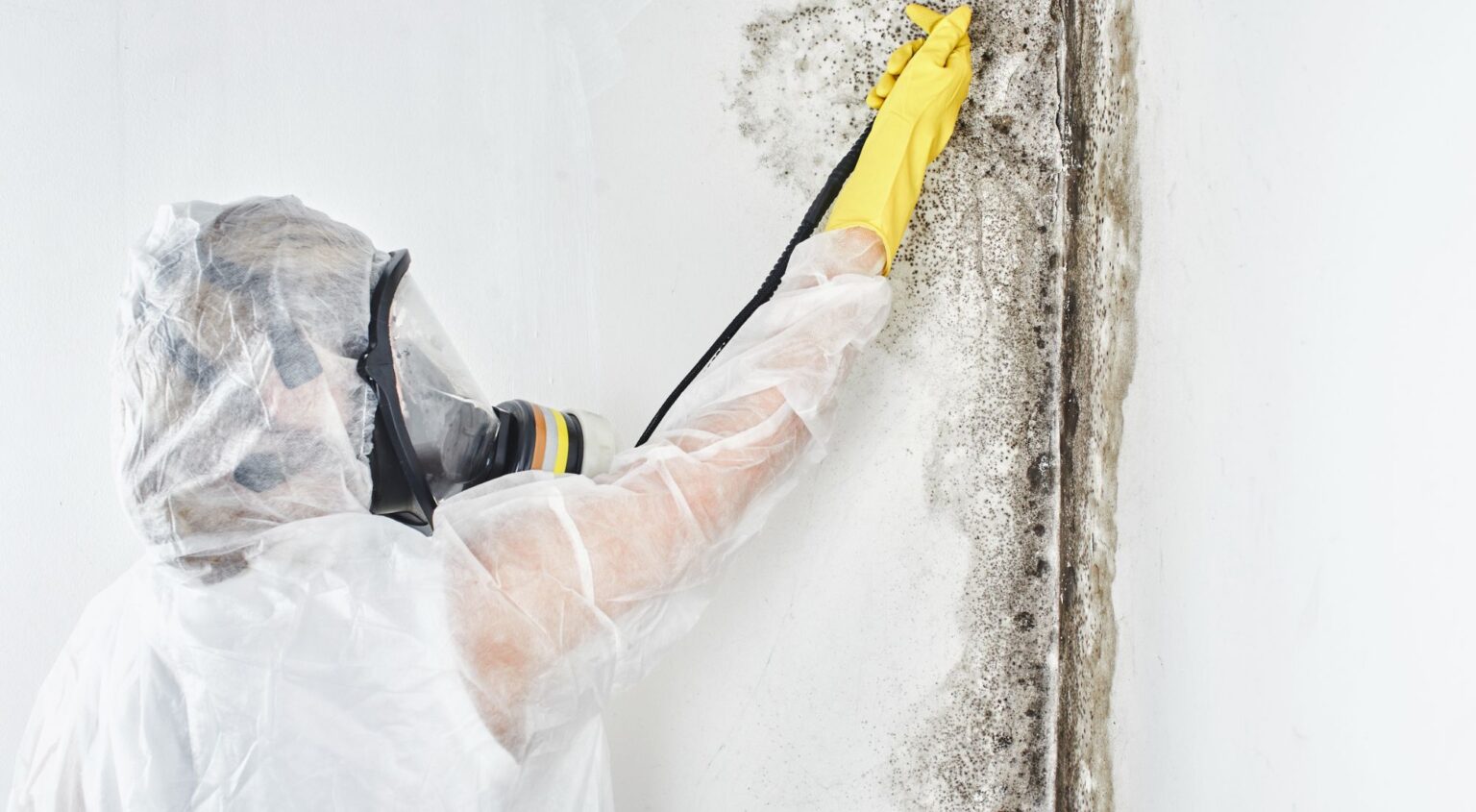
- Respirators: At a minimum, a half-face piece particulate respirator equipped with N-95, N-100, or P-100 filters should be worn. For extensive infestations, full-face respirators provide added eye protection.
- Gloves: Long, waterproof gloves made of nitrile, rubber, or neoprene protect hands from cleaning agents and mold allergens.
- Eye Protection: Non-vented goggles or safety glasses with splash guards prevent airborne spores and harsh chemicals from contacting the eyes.
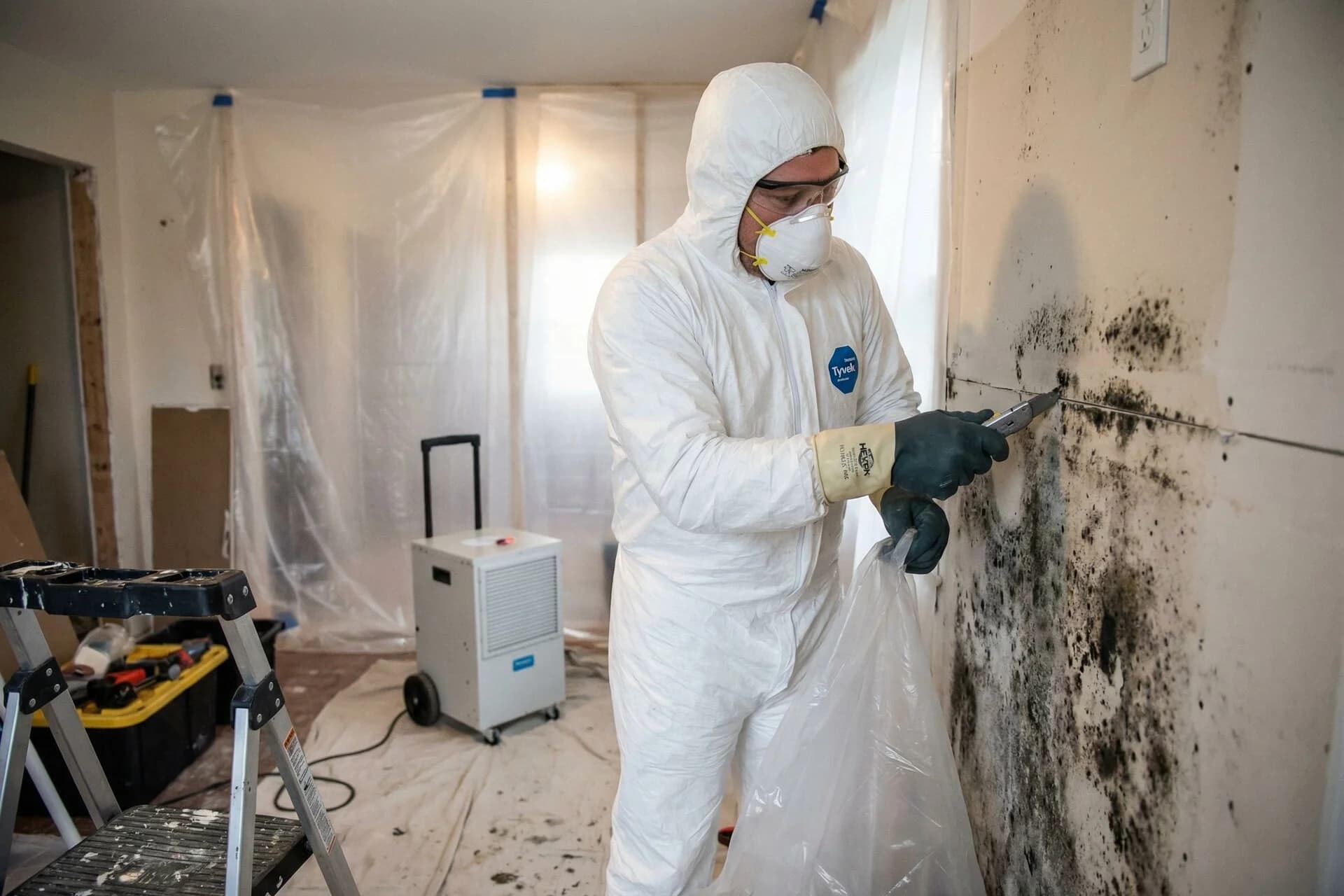
- Disposable Clothing: Disposable polyethylene Tyvek suits prevent spores from clinging to everyday clothing and being tracked into clean living areas.
Containment and Engineering Controls
Isolating the work area prevents cross-contamination. For moderate to severe mold issues, containment barriers should be established using heavy-duty 6-mil polyethylene sheeting sealed with painter's tape or duct tape over all doorways and HVAC vents.
Negative air pressure should be established within the containment zone using a HEPA (High-Efficiency Particulate Air) negative air machine or air scrubber. This ensures that air flows from the clean areas into the workspace and is exhausted outside, preventing spores from escaping into the rest of the building during the cleaning process.
| Project Scope | Recommended Approach | Containment Needed? | Professional Required? |
|---|---|---|---|
| Under 10 sq. ft. | DIY cleaning with HEPA vacuum and detergent | Optional (Plastic sheeting) | Generally Optional |
| 10 to 100 sq. ft. | Controlled cleaning, selective demolition | Recommended (Sealed barrier) | Recommended |
| Over 100 sq. ft. | Full commercial remediation & HEPA scrubbing | Mandatory (Negative air pressure) | Highly Recommended |
| HVAC System Growth | Specialized duct cleaning and component replacement | Mandatory | Required |
Step-by-Step Remediation Procedures
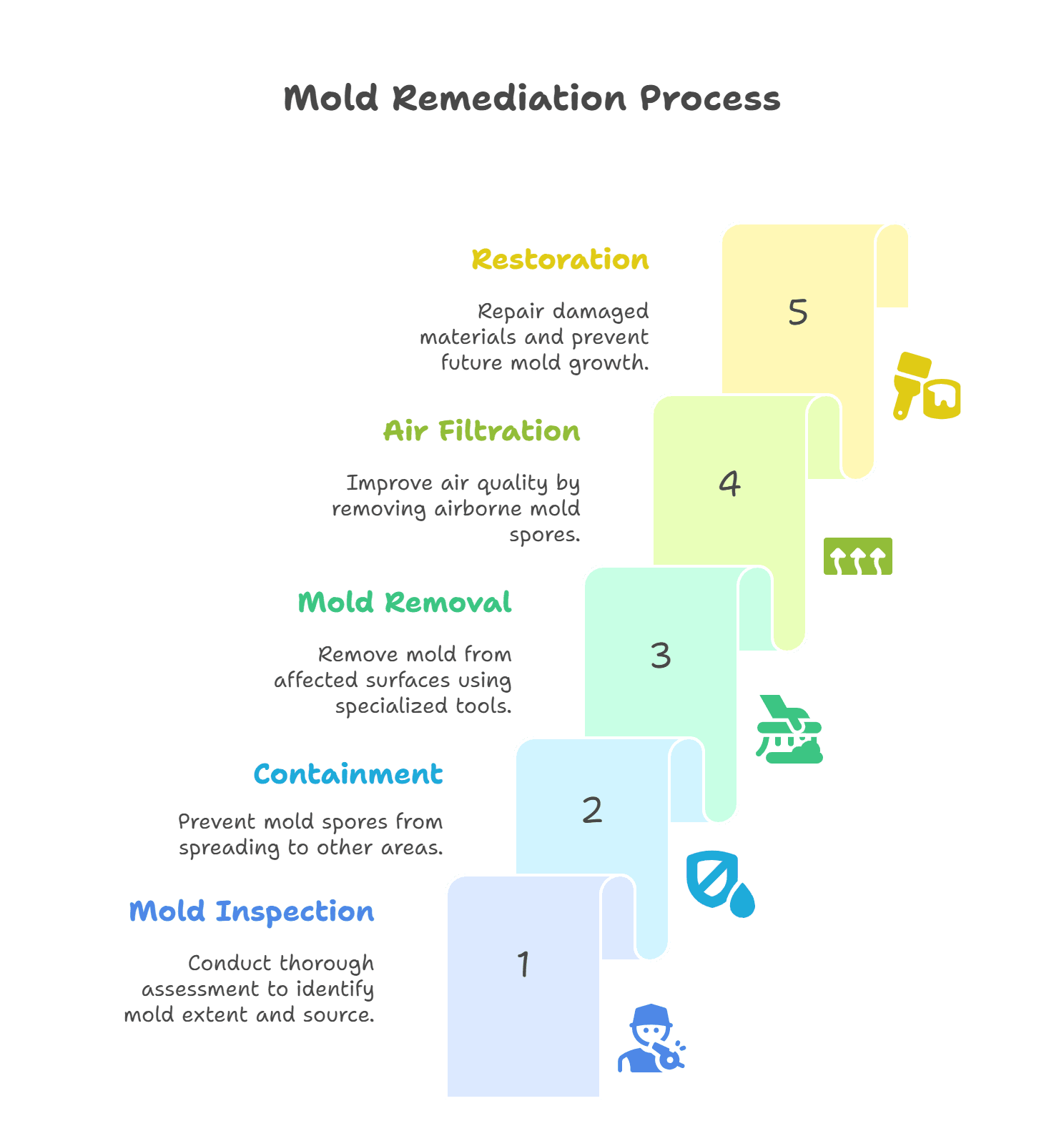
Executing a successful mold remediation project requires a disciplined sequence of physical removal, cleaning, and structural drying.
Step 1: Fix the Moisture Source
Never begin cleaning until active water leaks are repaired and relative humidity levels inside the structure are stabilized below 50%. Dehumidifiers and industrial fans should be deployed to dry out damp building materials.
Step 2: Remove Porous, Heavily Damaged Materials
Materials that are deeply penetrated by mold roots—such as porous insulation, heavily warped drywall, carpeting, and ceiling tiles—cannot be effectively salvaged and must be discarded.
- Cut away contaminated sections of drywall at least 12 inches beyond the visible margin of mold.
- Place discarded materials into heavy-duty 6-mil disposal bags, seal them tightly inside the containment area, and wipe down the exterior of the bags before removing them through the decontamination chamber.
Step 3: Clean Non-Porous and Semi-Porous Surfaces
For structural wood framing, concrete, and metal surfaces where mold growth remains superficial, mechanical removal and cleaning are applied:
- Scrub surfaces using a stiff-bristle brush and a solution of water and a mild detergent or specialized anti-fungal wash.
- Avoid relying solely on bleach for porous surfaces, as it does not penetrate porous materials and leaves water behind that can fuel future mold growth.
- Rinse cleaned surfaces thoroughly and dry them rapidly using air movers.
Step 4: HEPA Vacuuming and Fine Cleaning
Once surfaces are completely dry, a thorough vacuuming using a HEPA-filtered vacuum cleaner must be performed on all surfaces within and adjacent to the containment zone. HEPA vacuums capture 99.97% of particles down to 0.3 microns, ensuring that residual spores dislodged during the cleaning process are completely removed.
Hiring Professional Mold Remediation Services in Commack
When contamination exceeds minor surface growth, or if property owners experience severe health sensitivities, hiring a professional restoration contractor based on Long Island is the most prudent course of action.
What to Look for in a Remediation Contractor
Homeowners should vet local service providers carefully to ensure industry compliance and technical competence:
- Certifications: Verify that technicians hold credentials from recognized bodies such as the IICRC (Institute of Inspection Cleaning and Restoration Certification) as Applied Microbial Remediation Technicians (AMRT).
- Independent Testing: Reputable remediation firms often work alongside independent indoor environmental professionals (IEPs) or mold assessors licensed by New York State. Under New York law, conflict-of-interest regulations often prohibit the same company from performing both the initial mold assessment and the actual remediation on the same property.
- Insurance and Licensing: Ensure the company carries specific pollution liability insurance in addition to standard general liability and workers' compensation coverage.
Understanding Costs and Timelines
The cost of black mold remediation in Commack varies widely based on the severity of the infestation, the square footage involved, and the degree of structural demolition required. Minor basement remediation projects may range from several hundred to a few thousand dollars, while large-scale losses involving structural drying, drywall replacement, and HVAC decontamination can escalate significantly. Most projects take anywhere from two to five days to complete, depending on drying times.
Post-Remediation Verification and Prevention
Completing the physical cleanup does not conclude the process. Post-remediation verification (PRV) ensures that the environment is safe before containment barriers are removed.
Clearance Testing
In many cases, an independent mold assessor will return to conduct clearance testing. This involves taking ambient air samples, surface lift samples, and spore trap counts inside the remediated area and comparing them against outdoor baseline samples or unaffected indoor rooms. Spore concentrations indoors should be comparable to or lower than outdoor background levels.
Long-Term Prevention Strategies in Commack
Maintaining a mold-free environment requires ongoing vigilance, particularly given Long Island's seasonal humidity fluctuations:
- Maintain Indoor Humidity: Keep relative humidity levels between 30% and 50% using air conditioners and dehumidifiers during humid summer months.
- Ensure Proper Ventilation: Run bathroom exhaust fans during and for 20 minutes after showers. Verify that clothes dryers vent strictly to the outdoors.
- Inspect Regularly: Routinely check basements, crawlspaces, and attics for signs of roof leaks, window seal failures, or plumbing drips.
- Manage Landscaping: Ensure that soil grade slopes away from the foundation of the home, and keep gutters and downspouts clear to prevent water pooling near basement walls.
Frequently Asked Questions
Can I remove black mold myself in my Commack home?
You can remove black mold yourself only if the total affected area is less than 10 square feet and you wear proper PPE, including an N-95 respirator and gloves. For larger areas, structural contamination, or if you have pre-existing respiratory conditions, hiring a certified professional is strongly recommended.
Does New York require mold contractors to be licensed?
Yes, New York State Department of Labor regulations mandate that mold remediation contractors hold a valid state license, complete specialized training, and adhere to strict notification and disclosure rules before beginning work.
Will homeowner's insurance cover mold remediation in Commack?
Standard homeowner's insurance policies in New York typically exclude mold remediation unless the mold is the direct result of a sudden, accidental covered peril, such as a burst pipe. Gradual damage from long-term humidity, roof leaks, or ground seepage is usually excluded.
How do I know if black mold is hiding behind my walls?
Hidden mold is often indicated by a persistent musty, earthy odor, unexplained allergic reactions or respiratory irritation among occupants, or peeling wallpaper and warped drywall despite no visible surface water.
What is the difference between mold remediation and mold removal?
Complete mold removal is technically impossible because mold spores exist naturally everywhere in the outdoor and indoor environment. Mold remediation focuses on finding and eliminating the moisture source, physically cleaning and removing contaminated materials, and reducing spore counts to safe, normal baseline levels.
Image Gallery