Understanding the Sirloin Tender Steak: Anatomy, Selection, and Preparation
The sirloin tender steak, often referred to in culinary circles as the "sirloin fillet" or "center-cut top sirloin," is a premium portion derived from the sirloin primal cut of beef. It is prized for its balance of deep, beefy flavor a...
The sirloin tender steak, often referred to in culinary circles as the "sirloin fillet" or "center-cut top sirloin," is a premium portion derived from the sirloin primal cut of beef. It is prized for its balance of deep, beefy flavor and moderate tenderness, distinguishing it from both the tougher cuts of the round and the highly marbled but more expensive loin subprimals like the tenderloin.
Contents
Anatomy of the Sirloin Primal
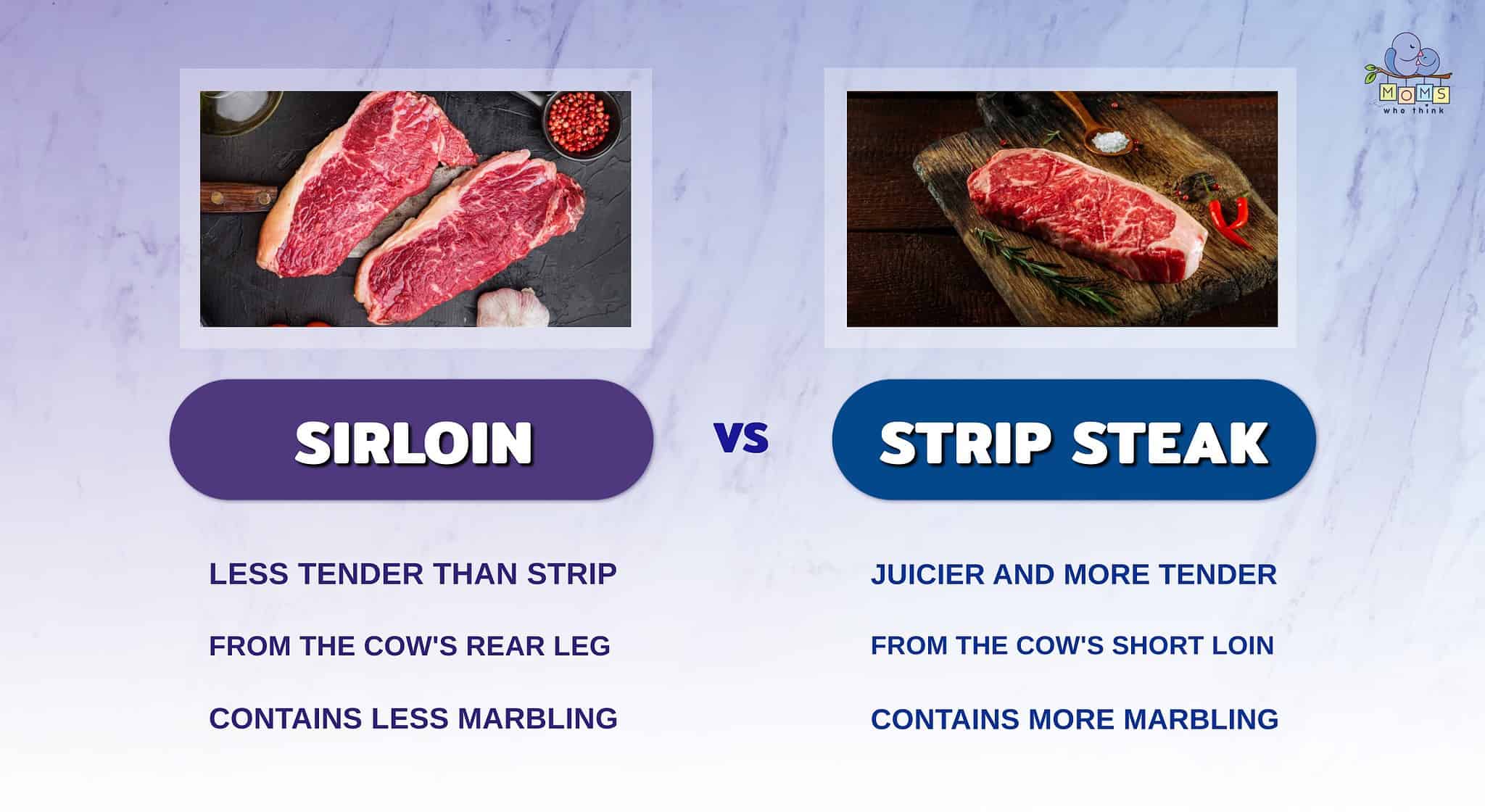
To understand what constitutes a sirloin tender steak, one must first look at the anatomy of the bovine carcass. The sirloin is located in the loin section, situated between the short loin (which contains the strip steak and tenderloin) and the round (the rear leg). Because the sirloin is a large area, it is divided into several sub-primals: the top sirloin, bottom sirloin, and tri-tip.
The "tender" designation is almost exclusively applied to the center-cut of the top sirloin cap or the eye of the top sirloin. These muscles receive less exercise than those in the round, resulting in a significantly more tender eating experience than a standard sirloin steak, which may contain connective tissue or varying muscle grains. When a butcher identifies a cut as a "sirloin tender," they are selecting the portion of the muscle that is uniform in grain and free of the heavy gristle found in the bottom sirloin or the "sirloin tip" (which is actually part of the round).
Distinguishing Characteristics
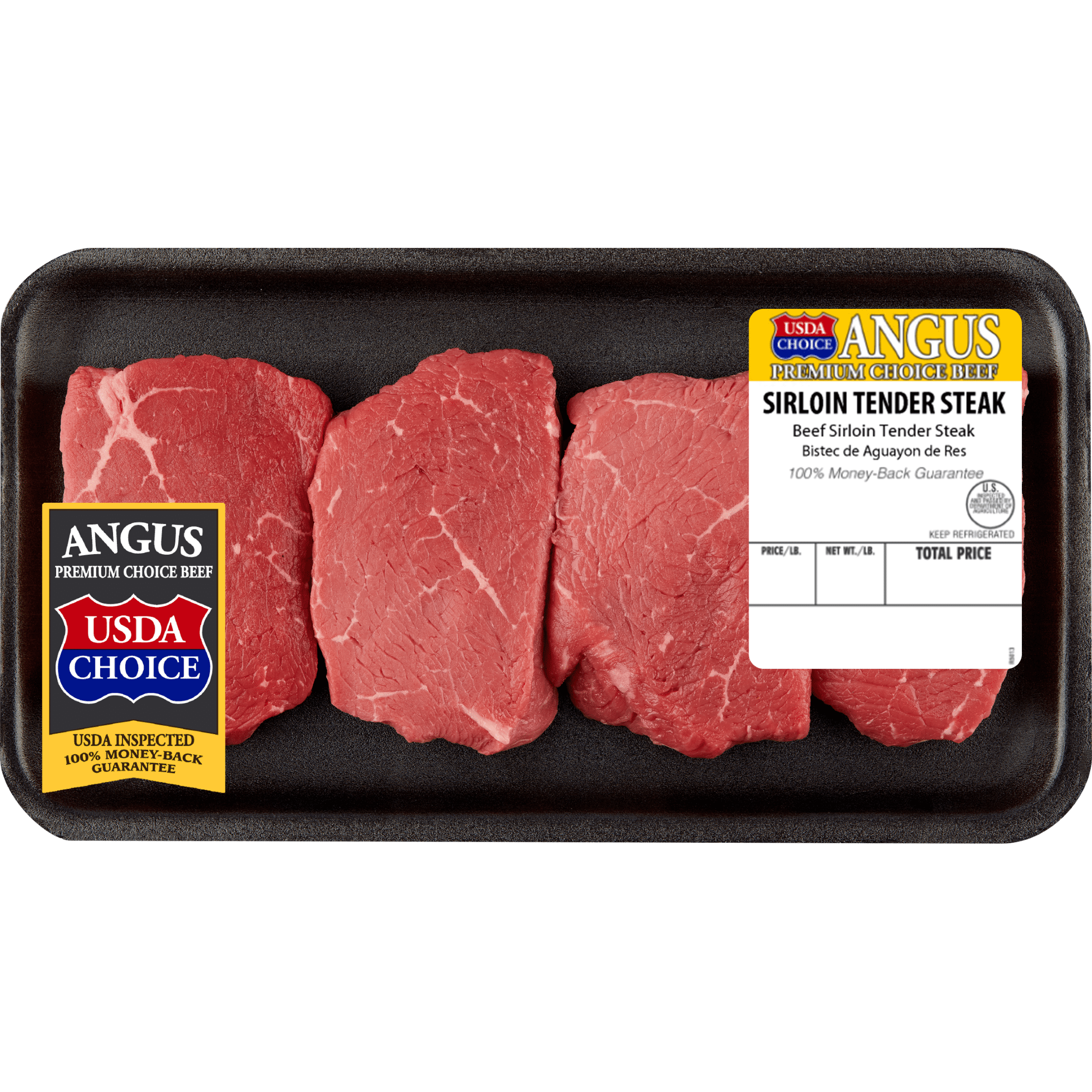
When shopping for a sirloin tender steak, consumers should look for specific physical traits that signal quality and tenderness. Unlike the ribeye, which relies on high intramuscular fat—or marbling—for its texture, the sirloin tender relies on the inherent structure of the muscle fibers.
- Color and Texture: High-quality sirloin tender should be deep cherry red with a fine, consistent grain. If the meat appears coarse or has a visible "stringy" texture, it may be less tender.
- Fat Trim: A true tender steak from this region is often trimmed of all external fat. While some fat is desirable for flavor, the "tender" marketing usually implies a lean, approachable cut suitable for quick high-heat preparation.
- Uniformity: The steak should be of consistent thickness throughout. Because the sirloin muscle can be irregularly shaped, true tender steaks are often cut from the heart of the muscle to ensure they cook evenly.
Culinary Applications and Preparation Methods
The sirloin tender is a versatile cut, but it requires a different approach than the highly forgiving, fatty ribeye. Because it is leaner, it is prone to drying out if overcooked. However, when prepared correctly, it offers a robust "steakhouse" flavor that many find superior to the milder tenderloin (filet mignon).
Recommended Cooking Techniques
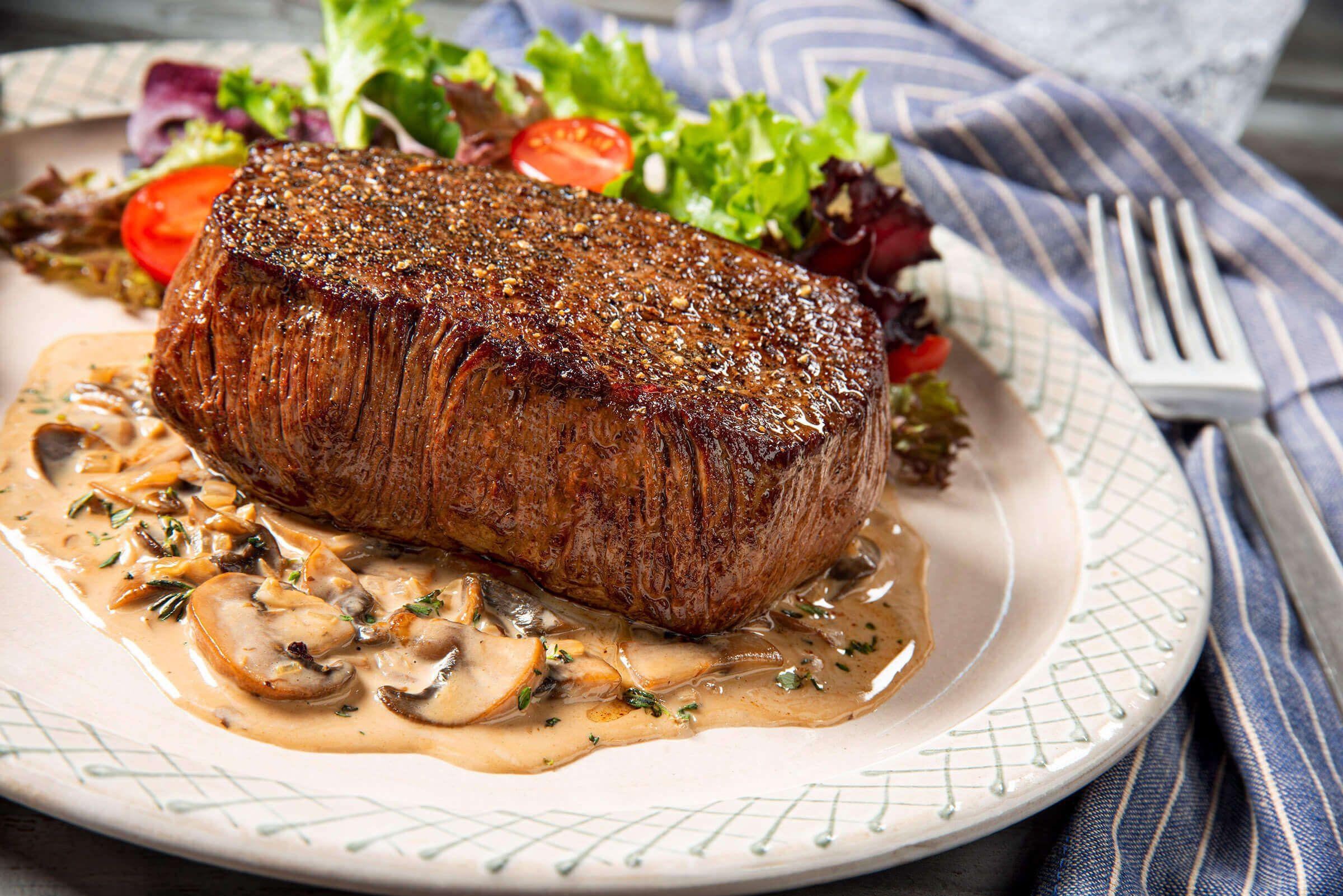
- Pan-Searing: This is the ideal method for a sirloin tender. Using a heavy cast-iron skillet, searing the steak over high heat creates a Maillard reaction, developing a flavorful crust. Once seared, reducing the heat and butter-basting (adding butter, garlic, and herbs to the pan) keeps the interior moist.
- Sous-Vide: For those seeking precision, vacuum-sealing the sirloin tender and cooking it in a water bath at 130°F (54°C) for two hours ensures the meat reaches an edge-to-edge medium-rare doneness that is difficult to replicate with traditional heat sources.
- Grilling: Direct high-heat grilling is effective, but it requires vigilance. Because the cut is lean, flare-ups from dripping fats are less of a concern, but the steak should be removed from the heat as soon as it reaches 125°F (52°C) internal temperature to allow for resting.
The Importance of Resting
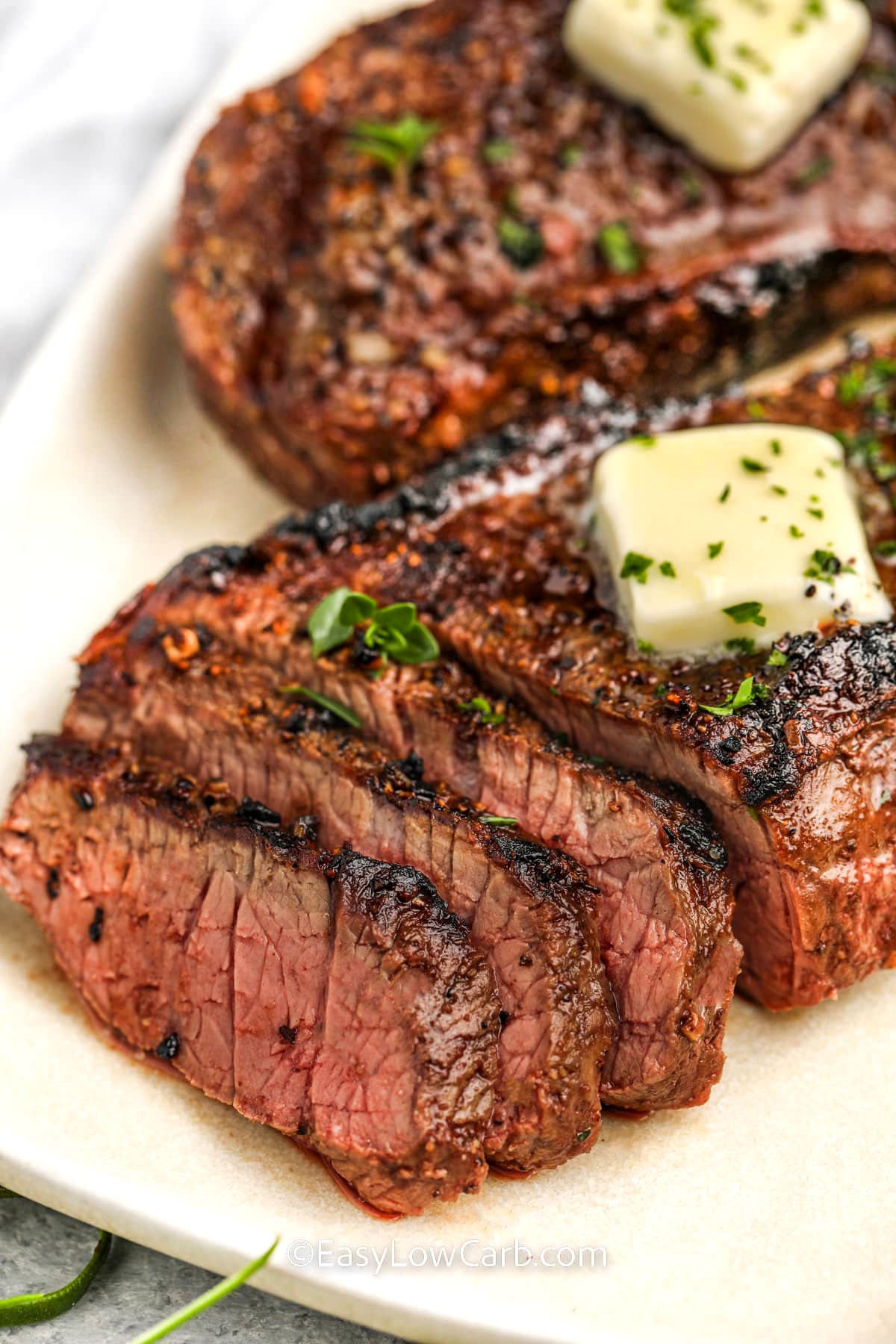
Regardless of the chosen method, resting the meat is non-negotiable. Allowing the steak to sit for at least 5 to 8 minutes after cooking allows the juices to redistribute throughout the muscle fibers. Cutting into a sirloin tender immediately after pulling it off the heat will result in significant moisture loss, rendering the steak dry.
Comparative Analysis: Sirloin Tender vs. Other Cuts
| Cut | Flavor Profile | Tenderness | Ideal Cooking Method |
|---|---|---|---|
| Sirloin Tender | Robust/Beefy | Moderate to High | Pan-Sear / Grill |
| Tenderloin | Mild/Buttery | Very High | Pan-Sear / Roast |
| Ribeye | Intense/Rich | High | High-Heat Grill |
| Sirloin Tip | Neutral | Low | Braising / Stewing |
As shown in the table, the sirloin tender occupies a middle ground. It provides a more intense flavor than a tenderloin without the excessive fat of a ribeye, making it an excellent choice for health-conscious consumers or those who prioritize the natural taste of beef.
Selecting and Purchasing
As of 2026, retail nomenclature can be inconsistent. You may find this cut labeled as "Top Sirloin Center-Cut," "Sirloin Filet," or "Top Sirloin Steak." When verifying the cut at a butcher counter, ask if the steak is from the top sirloin and if it is the center-cut. Avoid labels that simply say "sirloin steak," as these often include varied muscle groups that will result in an inconsistent dining experience where one bite is tender and the next is chewy.
Factors Influencing Cost
Pricing is generally more competitive than the premium loin cuts like the New York Strip. Because the sirloin is a larger sub-primal, the yield is higher, leading to lower prices per pound. However, purchasing "tender" specified cuts often commands a 15-20% premium over standard sirloin cuts due to the additional labor required for trimming and portioning.
Troubleshooting Common Issues
- The Steak is Tough: If your sirloin tender feels tough, you likely overcooked it or sliced it with the grain. Always identify the direction of the muscle fibers and slice perpendicular (against the grain) to shorten the fibers, making each bite more tender.
- Lack of Flavor: Because this is a lean cut, seasoning is vital. Apply coarse kosher salt at least 45 minutes before cooking (dry brining). This draws moisture out, allows the salt to penetrate the meat, and then pulls the seasoned juices back in, enhancing the natural flavor profile.
- Uneven Doneness: If the steak is cut too thin, it will reach well-done before the crust is developed. Seek steaks at least 1.25 inches thick for the best control over the cooking process.
Frequently Asked Questions
Is sirloin tender the same as sirloin tip? No. They are distinct. The sirloin tender (top sirloin) is from the loin area and is generally more tender. The sirloin tip is actually from the round (leg) and is a much tougher muscle that usually requires slow cooking or mechanical tenderization.
Can I use sirloin tender for kebabs? Yes, it is excellent for kebabs. Because of its structural integrity and lack of heavy fat caps, it holds its shape well on a skewer. Cut it into uniform one-inch cubes and marinate for two hours to ensure peak tenderness.
Why does my steak look grey after cooking? Grey meat usually indicates a lack of high heat during the initial sear or moisture on the surface of the meat. Always pat the steak completely dry with paper towels before seasoning and cooking to ensure a proper Maillard reaction (the brown crust).
Does this cut require a marinade? It does not require one for tenderness, but marinating can add flavor. If using an acidic marinade (containing citrus or vinegar), limit the time to under four hours, or the muscle fibers will break down too much, resulting in a mushy texture.
What is the best internal temperature for this cut? For the best balance of tenderness and flavor, aim for medium-rare. An internal temperature of 130°F to 135°F (54°C to 57°C) after resting is ideal.
Next Steps for the Home Cook
To master the sirloin tender, start by sourcing a high-quality, thick-cut piece from a reputable butcher. Practice the dry-brine method to enhance the depth of flavor, and use a digital meat thermometer to ensure you never exceed the medium-rare window. By focusing on the temperature and the slicing technique, you will achieve professional-grade results from a cut that offers exceptional value.
Image Gallery