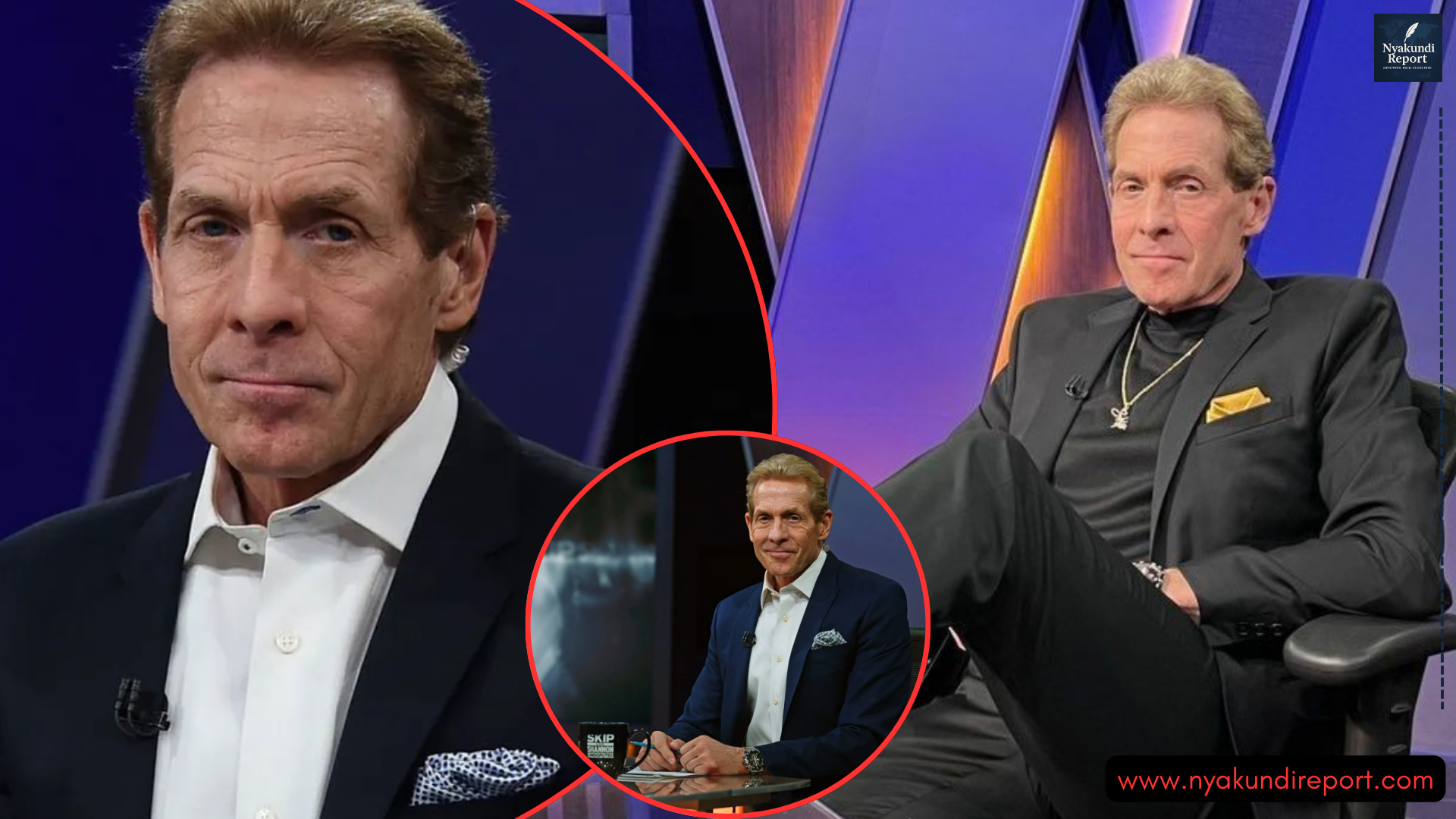
Analyzing the Current Net Worth of Skip to My Lou: Rafer Alston’s Financial Legacy
The current estimated net worth of Rafer "Skip to My Lou" Alston is approximately $10 million to $12 million. This valuation accounts for his decade-long career in the National Basketball Association (NBA), his lucrative endorsement de...
The current estimated net worth of Rafer "Skip to My Lou" Alston is approximately $10 million to $12 million. This valuation accounts for his decade-long career in the National Basketball Association (NBA), his lucrative endorsement deals during the peak of his fame as a streetball icon, and his post-professional ventures. As of 2026, his wealth remains tied to his historical basketball earnings rather than active high-profile business ventures.
Contents
The Rise of a Streetball Legend
Rafer Alston’s financial journey began not in the traditional collegiate draft, but on the asphalt courts of New York City. His moniker, "Skip to My Lou," became a global brand through the AND1 Mixtape Tour in the late 1990s and early 2000s. Unlike most athletes whose net worth is derived strictly from league salaries, Alston’s early financial foundations were built on the commercialization of his unique streetball style.
The AND1 marketing machine transformed playground basketball into a profitable entertainment product. Alston was the face of this movement, which allowed him to command significant appearance fees and endorsement revenue before he even stepped onto an NBA floor for his breakout season. This period was critical, as it established a brand equity that transcended the standard salary structures of the time.
NBA Career Earnings and Salary Progression
Alston transitioned from streetball stardom to a consistent NBA career, playing for teams including the Milwaukee Bucks, Toronto Raptors, Miami Heat, Houston Rockets, Orlando Magic, and New Jersey Nets. His professional tenure spanned from 1999 to 2010. During this period, he signed several contracts that significantly bolstered his long-term financial stability.
Key Salary Milestones
Throughout his career, Alston demonstrated the ability to secure multi-year contracts that reflected his value as a reliable point guard. His peak earning years occurred during his tenure with the Houston Rockets, where his playmaking ability and perimeter defense made him a vital asset.
| Team | Tenure | Estimated Contract Value (USD) |
|---|---|---|
| Toronto Raptors | 2003–2004 | Mid-Level Exception range |
| Houston Rockets | 2005–2009 | ~$25 Million (cumulative) |
| Orlando Magic | 2009 | Final year of multi-year deal |
| Miami Heat | 2003, 2010 | Veteran minimum/Market rate |
While these figures represent gross earnings before taxes, agent fees, and lifestyle expenses, they provided the capital necessary for long-term wealth preservation. In the context of 2026, it is important to distinguish between gross career earnings—which exceeded $30 million over his professional life—and net worth, which adjusts for the inevitable erosion of capital through taxation and standard financial overhead.
Beyond the Hardwood: Wealth Management and Preservation
Calculating a professional athlete's net worth requires an analysis of more than just salary. For Alston, the post-retirement phase has been marked by a transition away from the public spotlight. Unlike some contemporaries who pursue high-risk venture capital, Alston has maintained a relatively low profile, which typically indicates a strategy focused on wealth preservation and real estate holdings.
The challenges of sustaining wealth post-NBA are well-documented. Many players experience a "wealth cliff" due to luxury spending and poor investment choices. Alston’s ability to remain in the multimillion-dollar bracket as of 2026 suggests a prudent approach to financial management. While public records do not delineate his specific portfolio, the absence of high-profile bankruptcy or litigation—common pitfalls for former stars—is a strong indicator of financial discipline.
Factors Influencing 2026 Net Worth
When evaluating the current financial standing of retired professional athletes, three primary factors come into play:
- Taxation and Net Income: NBA players pay federal, state, and city income taxes in every jurisdiction where they play. For a player with a ten-year career across multiple states, the effective tax rate is high, meaning a $30 million gross career earning translates to a significantly lower final take-home figure.
- Investment Performance: The transition from liquid cash (salary) to illiquid assets (real estate, private business interests) determines whether an athlete's net worth stays flat or grows. Alston’s post-retirement period has been quiet, suggesting his net worth is largely tied to appreciating assets like residential property or traditional retirement accounts.
- Endorsement Residuals: While he is no longer the face of a major shoe company, the cultural legacy of "Skip to My Lou" retains some level of historical value. This does not equate to a primary income stream, but it serves as a differentiator in his personal branding.
Comparative Perspective: The Streetball Economy
To understand Alston's wealth, one must compare his path to other "crossover" athletes who moved from streetball to the NBA. Players like Jamal Crawford or the late Anthony Mason faced similar pressures, but few leveraged the "streetball icon" status as effectively as Alston. Most professional athletes lose a significant portion of their wealth within five years of retirement. Alston’s maintenance of his financial standing into 2026 places him in the upper tier of his peer group regarding financial longevity.
Frequently Asked Questions
1. Was Rafer Alston's net worth primarily generated by his NBA career? Yes. While his streetball fame provided an early foundation for his brand, the vast majority of his capital was accumulated through his NBA player contracts, particularly his multi-year deals with the Houston Rockets.
2. Does "Skip to My Lou" still earn royalties from AND1? While he was a central figure, specific royalty agreements are private. In 2026, it is generally understood that his current net worth is driven by historical earnings and investments rather than active royalties from the AND1 brand, which has changed corporate ownership multiple times.
3. Is there public record of Rafer Alston's business investments? No. Alston has maintained a private life since leaving the league. He does not hold a prominent position as a team owner or venture capitalist that would require public disclosure of his business interests.
4. How does his net worth compare to current NBA players? His net worth of $10–12 million is modest compared to contemporary stars, who often sign contracts exceeding $40 million annually. However, for a player from the 2000s era, his financial position is considered stable and typical of a successful, long-tenured starting point guard.
5. Why is there a range in his estimated net worth? Net worth is an estimate of assets minus liabilities. Because personal investments, real estate values, and private debt are not public, researchers must rely on historical salary data adjusted for estimated tax burdens and market trends to reach an informed approximation.
Recommendation for Further Financial Insight
Readers seeking to understand the financial trajectories of retired athletes should focus on the "Wealth Management" category of professional athlete development. For those interested in the financial history of NBA players, reviewing the National Basketball Players Association (NBPA) resources on financial literacy provides a clear view of the systemic factors—such as escrow taxes and post-career pension plans—that dictate the real-world value of a player's reported earnings. Rafer Alston’s career serves as a case study in utilizing a unique cultural identity to enter the professional ranks, followed by a disciplined, quiet transition into long-term financial stability.
Image Gallery