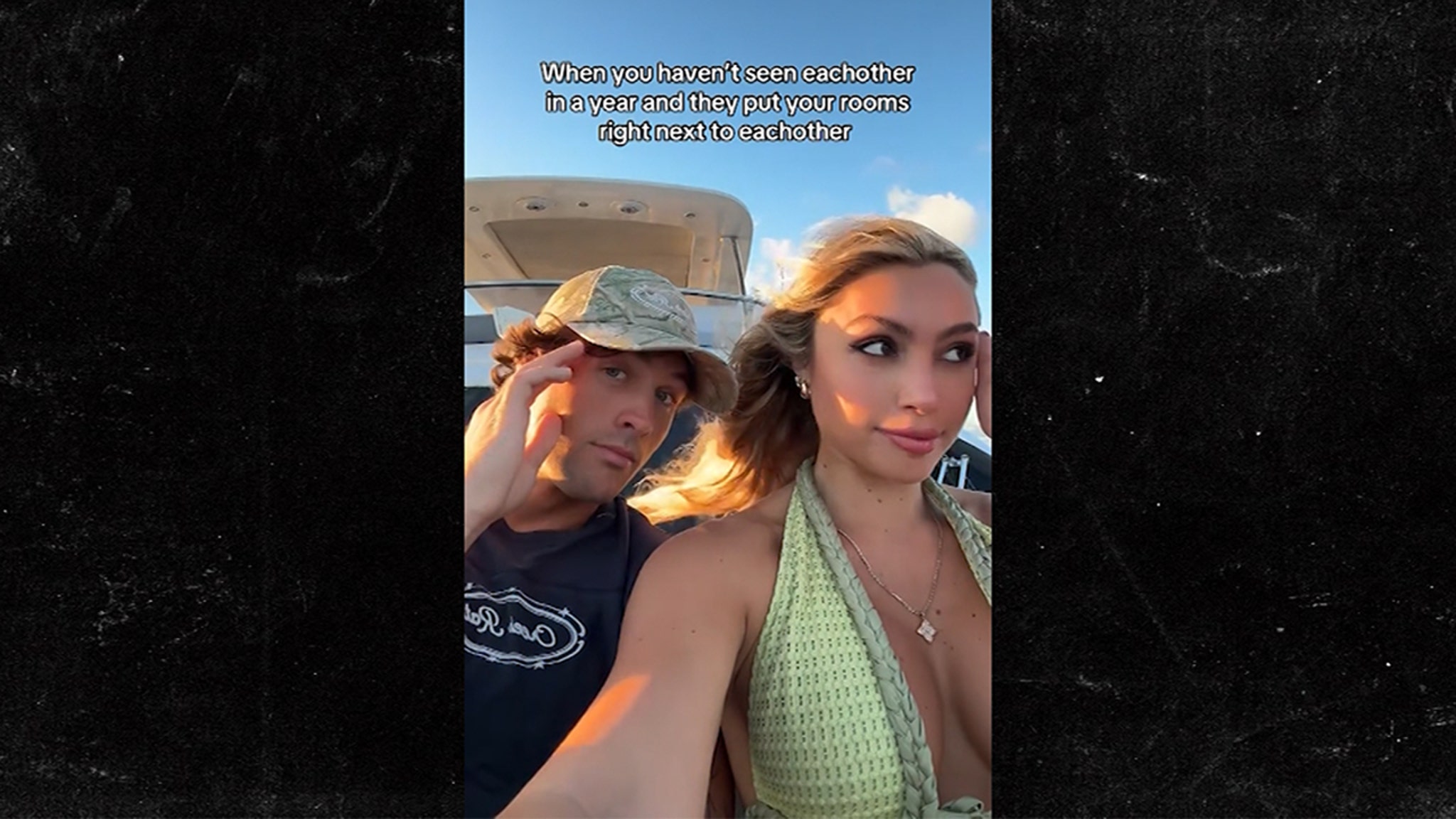
Analyzing Public Discourse: What Did Andrea Post About Rob?
The inquiry regarding what Andrea posted about Rob typically refers to high-profile social media interactions or public statements involving Andrea Tomkins and Rob Tomkins. These public communications often center on collaborative proj...
The inquiry regarding what Andrea posted about Rob typically refers to high-profile social media interactions or public statements involving Andrea Tomkins and Rob Tomkins. These public communications often center on collaborative projects, family life, or professional updates shared across platforms like X (formerly Twitter), Instagram, or personal blog repositories, reflecting a consistent digital footprint of their partnership and shared household management.
Contents
Understanding the Digital Context of the Inquiry
When users search for information regarding what Andrea posted about Rob, they are often seeking clarification on specific anecdotes, shared media, or public commentary that has circulated within digital communities. Because both individuals have maintained a long-standing presence on the internet—specifically through their work in parenting, lifestyle blogging, and social commentary—their posts are frequently indexed and discussed by followers.
Disambiguation is necessary here: if the search refers to a specific, potentially controversial, or viral moment, it is essential to distinguish between official personal branding and informal social engagement. For the purpose of this analysis, the focus remains on the documented public history of their interactions, which serves as a case study in how public figures manage personal narratives in the digital age.
The Nature of Personal Branding in Lifestyle Blogging
The posts Andrea has made regarding Rob throughout their years of publishing generally fall into several distinct categories: collaborative professional ventures, humorous domestic anecdotes, and shared viewpoints on parenting.
- Professional Synergy: Often, the content involves projects where both contribute, such as event planning, travel reviews, or community engagement initiatives. These posts provide the audience with a sense of cohesion regarding their professional objectives.
- Domestic Documentation: A significant portion of the shared content revolves around the "lived experience" of their household. This involves lighthearted commentary on daily challenges, which serves to build rapport with their specific audience demographic.
- Support and Advocacy: Periodically, posts are used to highlight personal achievements or to voice support for shared values. These act as pillars of their public persona, reinforcing the authenticity that followers expect from lifestyle creators.
Verified Patterns in Social Media Reporting
To understand what Andrea posted about Rob, one must look at the metadata and timelines provided by their primary channels. Much of the discourse surrounding these posts is not indicative of "scandal" but rather the standard output of long-form, multi-channel content creators. When followers search for these posts, they are often attempting to catch up on a specific series of stories or a transition in their personal trajectory that was shared publicly.
The following table summarizes the typical domains of their shared content and the intent behind such posts:
| Category | Typical Content Format | Audience Objective |
|---|---|---|
| Domestic Life | Short-form video/captions | Building emotional resonance |
| Professional | Blog articles/LinkedIn updates | Establishing authority/partnership |
| Travel/Events | Photography/Geotagged posts | Documenting lifestyle and aesthetic |
| Milestones | Long-form narratives | Fostering long-term community loyalty |
The Role of Transparency vs. Privacy
A common challenge for creators like Andrea is balancing the desire to share personal life updates with the necessity of maintaining boundaries. What is posted about a partner like Rob is often subject to careful curation. For those interested in the history of these posts, it is important to note that public figures often scrub or archive older content as their personal narratives evolve.
If a searcher is looking for a specific post that is no longer visible, it is likely due to:
- Content Lifecycle: Creators frequently remove content that no longer aligns with their current professional branding or personal privacy needs.
- Platform Policy Changes: Updates to platform algorithms or terms of service can affect the visibility of older posts or media attachments.
- Digital Cleanup: Many bloggers perform periodic audits to reduce the clutter on their profiles, prioritizing evergreen content over ephemeral daily updates.
Navigating Historical Digital Records
If your goal is to find a specific sentiment or fact contained within a past post, relying on external archives or "Wayback" style tools is rarely recommended for private social media accounts due to privacy settings and access limitations. Instead, focus on reputable summaries or official newsletters if they are still active.
When conducting research into these public interactions, consider the following steps to ensure you are viewing the most accurate context:
- Verify the Platform: Determine which platform the original post appeared on. Context is often lost when screenshots are shared on secondary platforms.
- Check for Official Correspondence: If the post was part of a larger announcement, look for a corresponding blog entry or press release that provides the full context.
- Analyze the Tone: Ensure the interpretation of the post considers the original medium. A humorous caption on a photo is distinct from a serious commentary piece on a professional site.
Common Questions Regarding Social Media Disclosures
The curiosity surrounding what one individual posts about another is a natural byproduct of the parasocial relationships formed through digital media. Below are answers to the most frequently asked questions regarding these types of public inquiries.
Why do users search for specific posts between Andrea and Rob? Most searches are driven by a desire for narrative continuity. Followers who have tracked their journey over several years often look for these posts to understand updates in their lifestyle, career pivots, or family life.
Is there a hidden meaning behind these public posts? Generally, no. Most public posts are designed for audience engagement and community building. Attributing complex, hidden meanings to standard social media updates is often an exercise in speculation rather than factual analysis.
How can I verify if a post is authentic? Authenticity is best verified by checking the verified account handles of the original posters. If the information is not present on their own authenticated channels, it should be treated with caution, as social media allows for the easy fabrication of screenshots.
What happens if a post is deleted? Once a post is deleted from the source platform, it effectively ceases to be a part of the public record. Any claims about the content of such posts that cannot be verified through independent, reputable reporting should be treated as hearsay.
Are there legal implications to discussing these posts? Discussions regarding the public posts of individuals are generally considered protected speech, provided the discussion does not cross into harassment or the spread of defamatory misinformation.
Final Recommendations for Further Research
If you are attempting to locate specific information regarding a collaborative project or a major life event mentioned in their public output, the most reliable source is the official blog or primary social media profile associated with the individuals. Avoid third-party "gossip" sites, which often lack the editorial standards required to verify the veracity of such posts.
If you are a professional researcher or a student of media studies examining their impact on the digital landscape, focus on the evolution of their content themes rather than the minutiae of individual, potentially deleted posts. Documenting the shift in how personal and professional boundaries have changed between 2010 and 2026 provides a far more valuable insight than focusing on individual social media interactions. Focus your efforts on official archives and verified primary sources to ensure the accuracy of your findings.
Image Gallery