Understanding the Legal Case Regarding Trey Holly
In early 2024, college football player Trey Holly became the subject of a significant legal investigation following a shooting incident in Union Parish, Louisiana. Facing multiple felony charges, including attempted second-degree murde...
In early 2024, college football player Trey Holly became the subject of a significant legal investigation following a shooting incident in Union Parish, Louisiana. Facing multiple felony charges, including attempted second-degree murder, Holly was suspended from the Louisiana State University (LSU) football program. The case has since undergone extensive judicial review, focusing on the evidence presented by the state and the subsequent decisions made within the Louisiana court system.
Contents
Background of the Incident
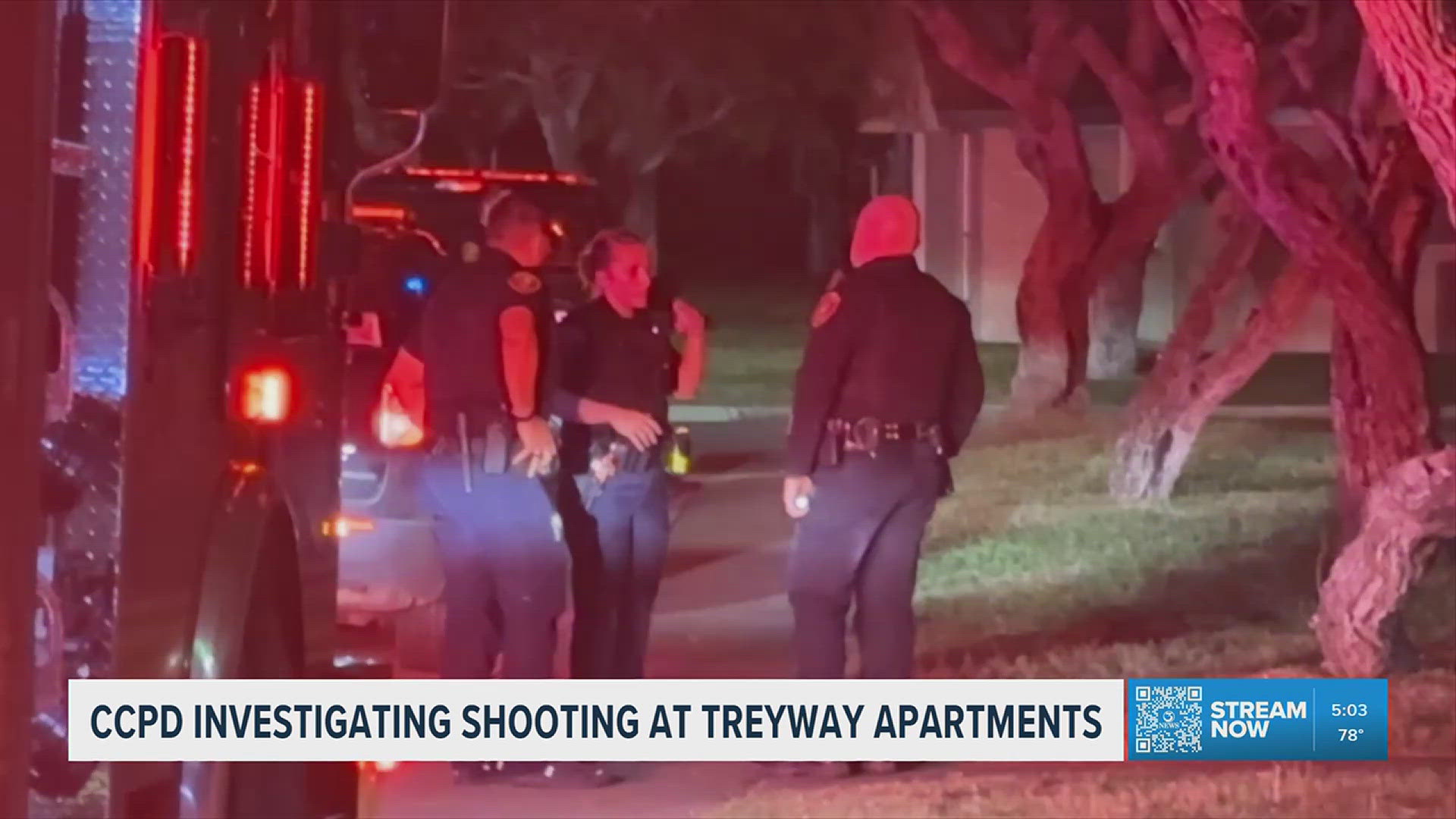
The investigation centered on a shooting that occurred on February 9, 2024, in Farmerville, Louisiana. Law enforcement officials responded to a report of gunfire in a residential area, which resulted in injuries to multiple individuals. Following an investigation by the Union Parish Sheriff’s Office, several suspects were apprehended, and the incident garnered national attention due to the involvement of Trey Holly, a promising running back who had recently completed his freshman season at LSU.
The charges filed against Holly were severe. The Union Parish District Attorney’s office leveled three counts of aggravated assault with a firearm, one count of illegal use of a weapon, and one count of attempted second-degree murder. These charges placed an immediate hold on his athletic career, as university policies typically mandate the suspension of student-athletes facing felony-level criminal accusations.
The Legal Process and Judicial Rulings
In the months following the initial arrest, the case moved through the Third Judicial District Court. The legal defense team for Holly challenged the strength of the state's evidence, asserting that the athlete was not a primary actor in the incident.
A pivotal moment in the legal proceedings occurred during the preliminary hearings in April 2024. Judge Wendell Manning, who presided over the case, examined the evidence presented by the prosecution. After reviewing the materials, the court determined that the state had failed to meet the necessary burden of proof to sustain the charges of attempted second-degree murder and aggravated assault against Holly. Consequently, the court dismissed these felony charges.
The dismissal was a landmark event in the case, effectively clearing the path for the athlete's potential return to organized athletics. The legal resolution underscored the importance of evidentiary standards in criminal law, particularly when dealing with serious allegations that carry life-altering consequences for young professionals.
Impact on Collegiate Athletic Status
The intersection of criminal law and collegiate athletics is governed by both university policy and the rules established by the National Collegiate Athletic Association (NCAA). For an athlete at a high-profile institution like LSU, a felony charge often triggers an automatic, indefinite suspension.
When the charges were dismissed, the procedural barrier to Holly’s participation in team activities was removed. In the summer of 2024, following the court's decision, LSU confirmed that the university's disciplinary review process had concluded in light of the judicial findings. This allowed Holly to be reinstated to the football program, transitioning from a suspended status back to an active member of the roster. The situation serves as a practical example of how judicial outcomes directly influence professional and amateur athletic eligibility.
Comparative Overview of Criminal Procedural Stages
Understanding how a case like this progresses requires looking at the standard stages of the Louisiana criminal justice system. The following table summarizes the milestones typically encountered in such proceedings.
| Procedure Stage | Description | Purpose |
|---|---|---|
| Initial Arrest | Law enforcement detains the suspect. | Establish probable cause for booking. |
| Formal Charges | District Attorney files information. | Define the scope of the legal defense. |
| Preliminary Hearing | Judicial review of evidence. | Determine if sufficient evidence exists to proceed to trial. |
| Dismissal/Trial | The court’s final determination. | Resolve the accused individual's legal liability. |
| Internal Review | University or employer hearing. | Assess compliance with institutional conduct codes. |
Legal Terminology and Evidence Requirements
In the context of the charges brought against Trey Holly, the term "attempted second-degree murder" is a specific legal classification in Louisiana. To prove this charge, the prosecution must demonstrate a specific intent to kill and an overt act toward that end. The dismissal of this charge by the court indicates that the evidence provided—which may have included witness statements, ballistic data, or surveillance footage—was insufficient to prove that Holly acted with the required criminal intent or participated in the specific acts alleged by the state.
It is important for observers to distinguish between "innocence" in the eyes of the public and a "dismissal of charges" in the eyes of the law. A dismissal at the preliminary hearing stage signifies that the court system has determined that the state's case is not robust enough to move toward a full jury trial. This is a critical check-and-balance mechanism within the judiciary, designed to protect individuals from unnecessary prosecution when evidence is lacking.
Common Questions Regarding the Case
The following questions address the most frequent inquiries regarding the legal and athletic developments surrounding this incident.
What was the specific result of the court ruling in 2024?
The court dismissed all felony charges, including the attempted second-degree murder charge, after finding that the prosecution did not provide sufficient evidence to hold the defendant for trial on those specific counts.
Did the dismissal lead to immediate reinstatement?
Yes. Following the court’s decision to dismiss the charges, the university conducted an internal review, which resulted in the athlete being reinstated to the football team and permitted to resume all related athletic activities.
How does the NCAA handle such legal situations?
The NCAA generally defers to the institutional policies of the member university. While the NCAA maintains its own bylaws regarding ethical conduct, local and state legal outcomes, such as the dismissal of charges, are typically the primary factors that colleges use to determine an athlete's eligibility to participate.
Can charges be refiled in the future?
Generally, once a charge is dismissed by a judge for lack of evidence during a preliminary hearing, the prosecution would require significant new, admissible evidence to attempt to re-institute charges. In this specific case, the legal resolution provided a definitive conclusion to the primary criminal investigation.
What role did the school play in the investigation?
LSU acted as an institution responding to criminal allegations. Their role was limited to monitoring the legal situation and enforcing internal student-athlete conduct policies until the legal system reached a definitive conclusion.
Moving Forward: Next Actions
For student-athletes and individuals in similar positions, the primary "next step" following the resolution of a legal matter is compliance with any remaining institutional or administrative requirements. In the case of Trey Holly, the conclusion of the criminal proceedings allowed for a return to the standard operations of a collegiate football player, focusing on training, academics, and team participation.
Anyone navigating a complex legal situation—whether in Louisiana or elsewhere—should seek guidance from qualified legal counsel. Laws regarding criminal charges, evidence, and preliminary hearings vary by jurisdiction, and the specific facts of an incident always dictate the legal strategy. Ensuring that all court orders are followed and that communication with relevant administrative bodies is maintained remains the most effective way to navigate the aftermath of a legal incident.
Image Gallery