Deconstructing the Controversy: Why the How I Met Your Mother Finale Polarized Fans
The conclusion of the long-running sitcom How I Met Your Mother (HIMYM), which aired in 2014, remains one of the most divisive finales in television history. The controversy stems primarily from a fundamental disconnect between the sho...
The conclusion of the long-running sitcom How I Met Your Mother (HIMYM), which aired in 2014, remains one of the most divisive finales in television history. The controversy stems primarily from a fundamental disconnect between the show's title-driven premise—which focused on the journey toward meeting the titular mother—and the finale's ultimate decision to undermine that narrative arc in favor of a legacy romantic pairing.
Contents
The Narrative Promise vs. The Final Payoff
For nine seasons, How I Met Your Mother functioned as an extended, whimsical mystery. The central hook was straightforward: Ted Mosby (Josh Radnor) recounts to his children the long, circuitous path he took to meet their mother, Tracy McConnell (Cristin Milioti). As the series progressed, the audience invested heavily in the eventual reveal of the Mother.
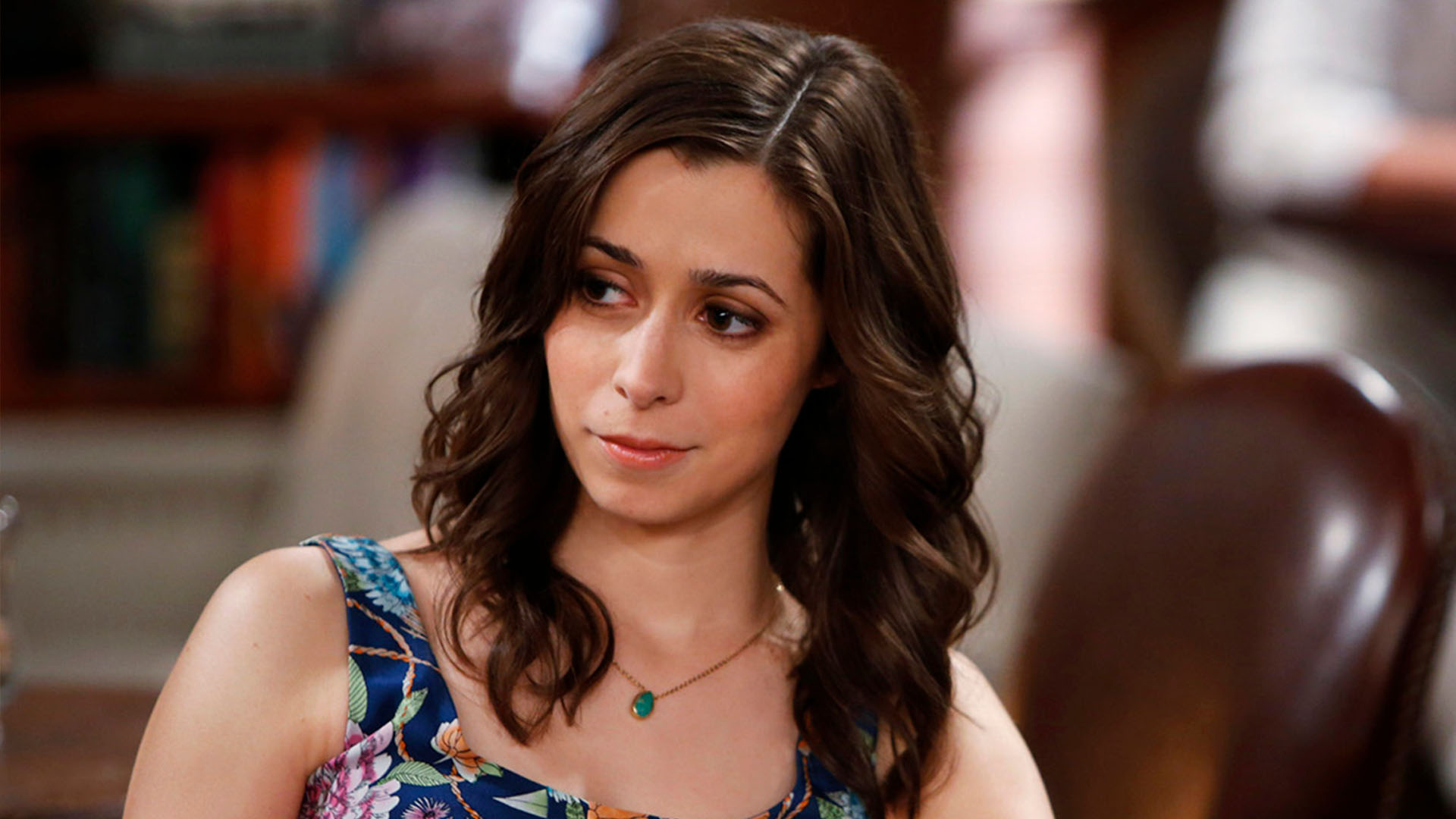
When Tracy finally appeared, she was almost universally embraced by fans. She possessed a warmth and chemistry with Ted that seemed to justify years of anticipation. However, the two-part series finale, titled "Last Forever," revealed that Tracy had been suffering from an unspecified terminal illness and had passed away six years prior to Ted’s narration.
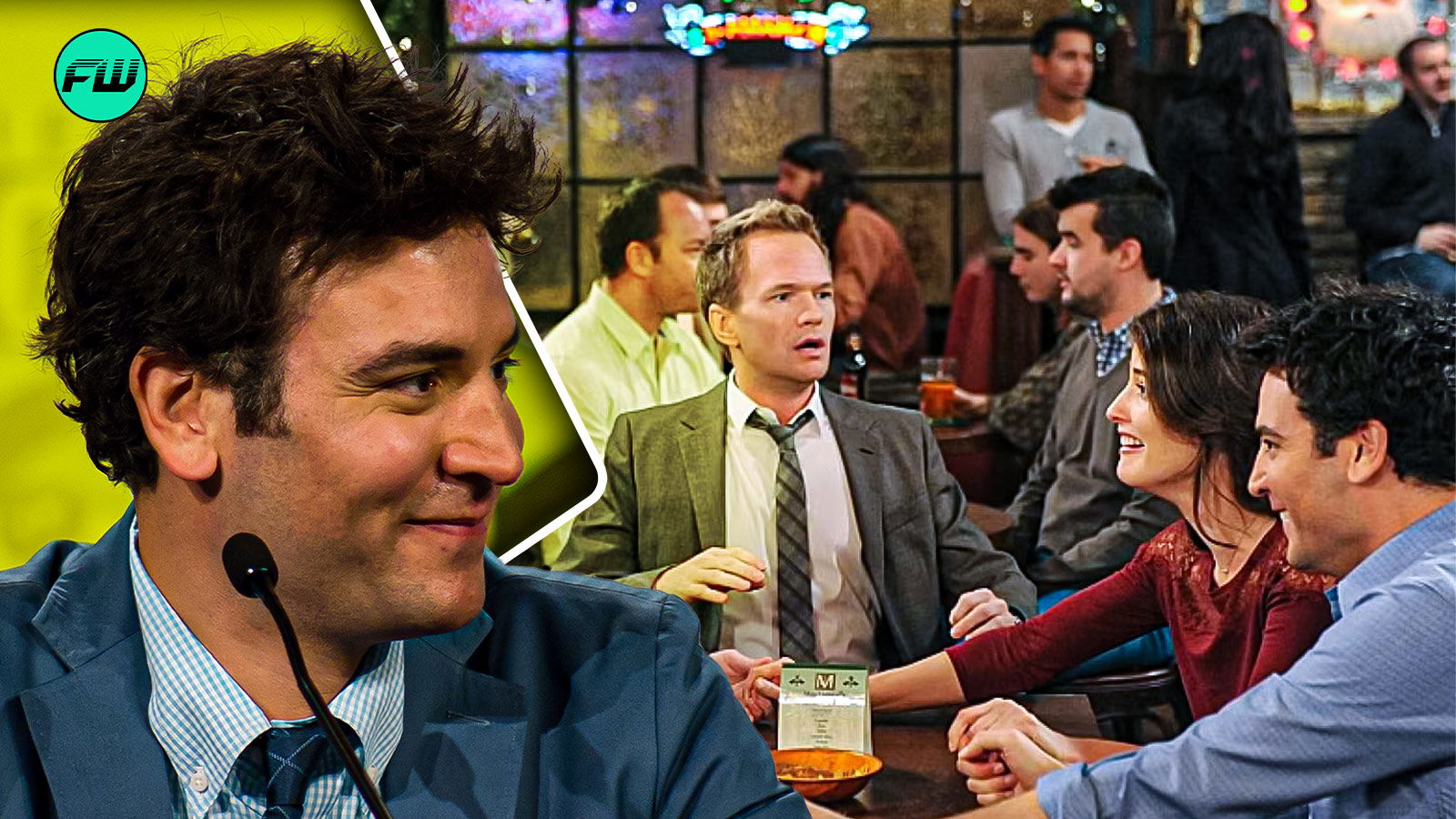
The backlash was immediate because the finale did not just kill off a beloved character; it used her death as a plot device to return Ted to his original romantic interest, Robin Scherbatsky (Cobie Smulders). For many viewers, this felt like a betrayal of the emotional growth that occurred over nearly a decade of television.
Structural Misalignment: The "Mother" as a Plot Device
The controversy is deeply rooted in the show’s structural choices, specifically the decision to film the final scenes years in advance. Because the actors who played Ted’s children (Lyndsy Fonseca and David Henrie) were aging, the creators, Carter Bays and Craig Thomas, filmed their reaction shots during the production of the second season.
This created a rigid narrative "end-point" that the writers felt compelled to reach, regardless of how the series changed during its nine-year run. By season nine, the audience’s perception of the characters had shifted significantly. Specifically, the writers spent an entire final season building up the wedding of Barney Stinson (Neil Patrick Harris) and Robin, only to dismantle that union within the first few minutes of the finale. This "all-in-a-hurry" approach to character development left many fans feeling that their emotional investment in the wedding season had been rendered meaningless.
The Robin and Ted Dynamic
Throughout the series, the "Ted and Robin" relationship was presented as a core pillar of the show, but by the later seasons, it was largely treated as a resolved chapter. The show had pivoted toward the idea that Ted and Robin were fundamentally incompatible due to their differing life goals.
When the finale concluded with Ted showing up at Robin’s apartment with the blue French horn—mirroring the pilot episode—it forced a regression in character growth. Fans who felt that Ted had finally moved on were frustrated to see him revert to the same pursuit he held in 2005. The showrunners argued that this was realistic, suggesting that love is rarely linear and that grief does not preclude future happiness. However, the audience, having spent years being told that the "Mother" was the endgame, struggled to accept a conclusion that prioritized the past over the present.
Comparative Analysis of Sitcom Finales
The dissatisfaction surrounding the How I Met Your Mother finale is often compared to other influential sitcom endings. Below is a comparison of how different shows approached the conclusion of their central narrative arcs:
| Series | Narrative Focus | Finale Reception | Core Driver of Reception |
|---|---|---|---|
| Friends | Group dynamics/ROM-COM | Generally Positive | Resolution of long-term arcs; status quo maintained. |
| The Office | Mockumentary/Workplace | Generally Positive | Emotional closure and character growth. |
| HIMYM | Mystery/The Mother | Highly Polarized | Retconning of growth and death of the titular character. |
| Seinfeld | Anti-sitcom/No growth | Polarized | Deliberate rejection of character redemption. |
Technical and Narrative Execution Errors
Beyond the controversial story beats, there were technical elements that contributed to the frustration. The finale’s pacing was jarring. Significant life events—such as the divorce of Barney and Robin and the death of the Mother—were glossed over in minutes, while the show spent dozens of episodes on a single wedding weekend. This pacing disparity made the tragic revelations feel unearned and emotionally manipulative rather than organic developments.
Furthermore, the show’s reliance on the "unreliable narrator" trope—Ted as a storyteller—was interpreted by some as a justification for the finale’s inconsistencies. However, for most, this served as a weak defense for a story that had simply outgrown its original planned ending but was too stubborn to abandon it.
Frequently Asked Questions
1. Was the alternate ending better received by fans? Yes. In 2014, a fan-edited "alternate ending" was officially released on the DVD box set. This version removed the reveal that the Mother died, instead ending on a sweet note at the train station where Ted and Tracy meet. It remains the preferred ending for a large portion of the fanbase as it honors the title’s premise.
2. Why did the showrunners insist on the original ending? Bays and Thomas stated that they wanted to remain true to the "plan" they had envisioned since the early seasons. They believed the story was always about how Ted ultimately found his way to Robin, and the Mother was the necessary step to facilitate that growth.
3. Did the cast know about the ending early on? The core cast members were generally aware of the trajectory of their characters, though the specific details of the finale were kept under tight wraps. Some cast members have expressed in later interviews that they understood the reasoning behind the creative choices even if the audience did not.
4. Does the show’s rewatch value suffer because of the finale? This is a point of contention. While many fans find it difficult to rewatch the show knowing how it ends, others argue that the journey of the characters remains entertaining regardless of the destination. The show’s status as a cultural touchstone persists, even if its final act remains a source of debate.
Recommendation for Viewers
If you are approaching the series for the first time in 2026, it is helpful to view the finale as a polarizing artistic choice rather than an objective failure. Recognize that the show is built on a conceit—the unreliable narrator—which colors every episode. When you reach the end, do not be surprised by the shift in tone. If the conclusion does not resonate with your experience of the characters, know that you are in good company; the beauty of modern television critique is the ability to engage with the text while rejecting its final conclusions. Consider exploring the fan-edited version online if you find the official broadcast version unsatisfactory.
Image Gallery