Understanding the Career and Chronology of Edgar Wright
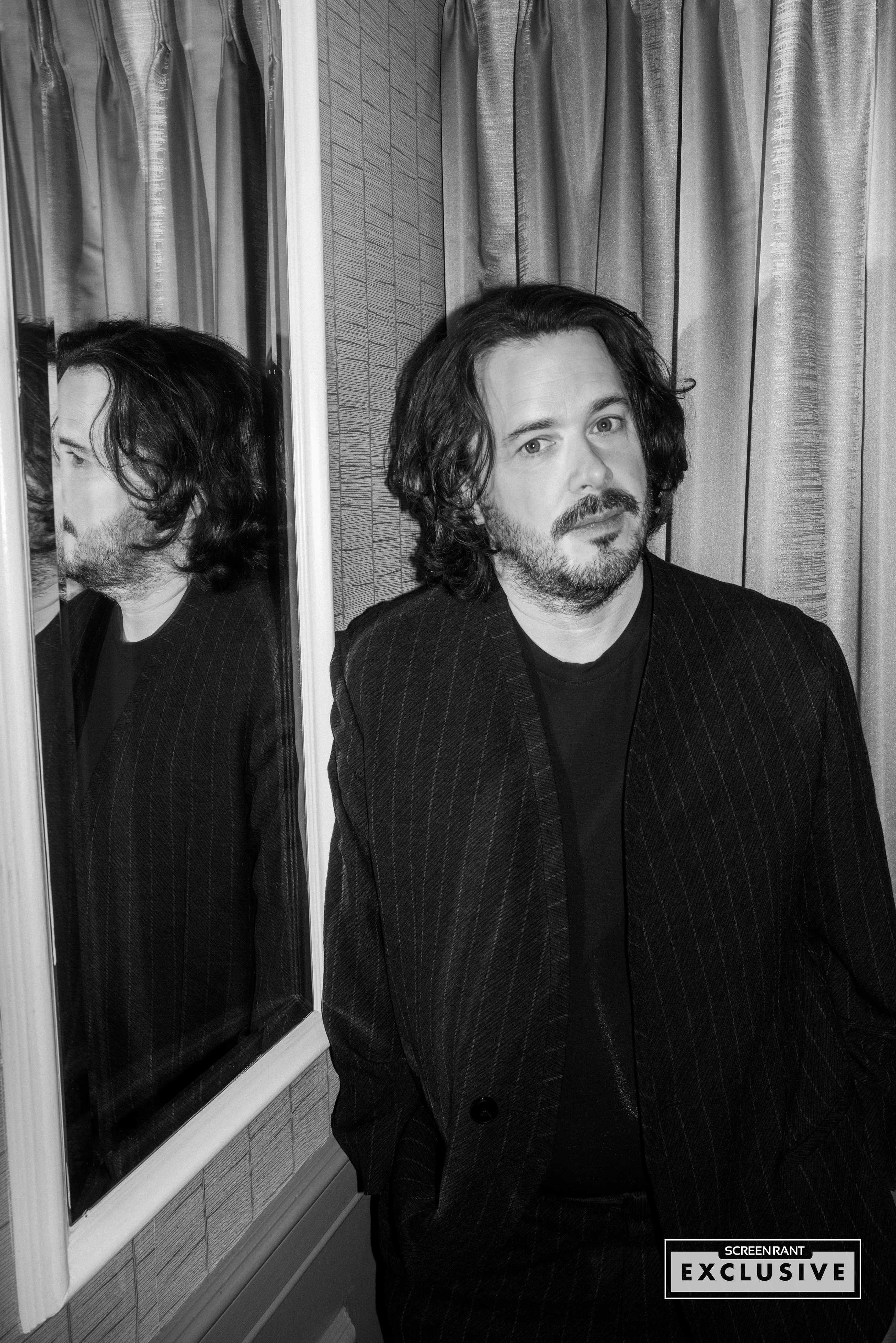
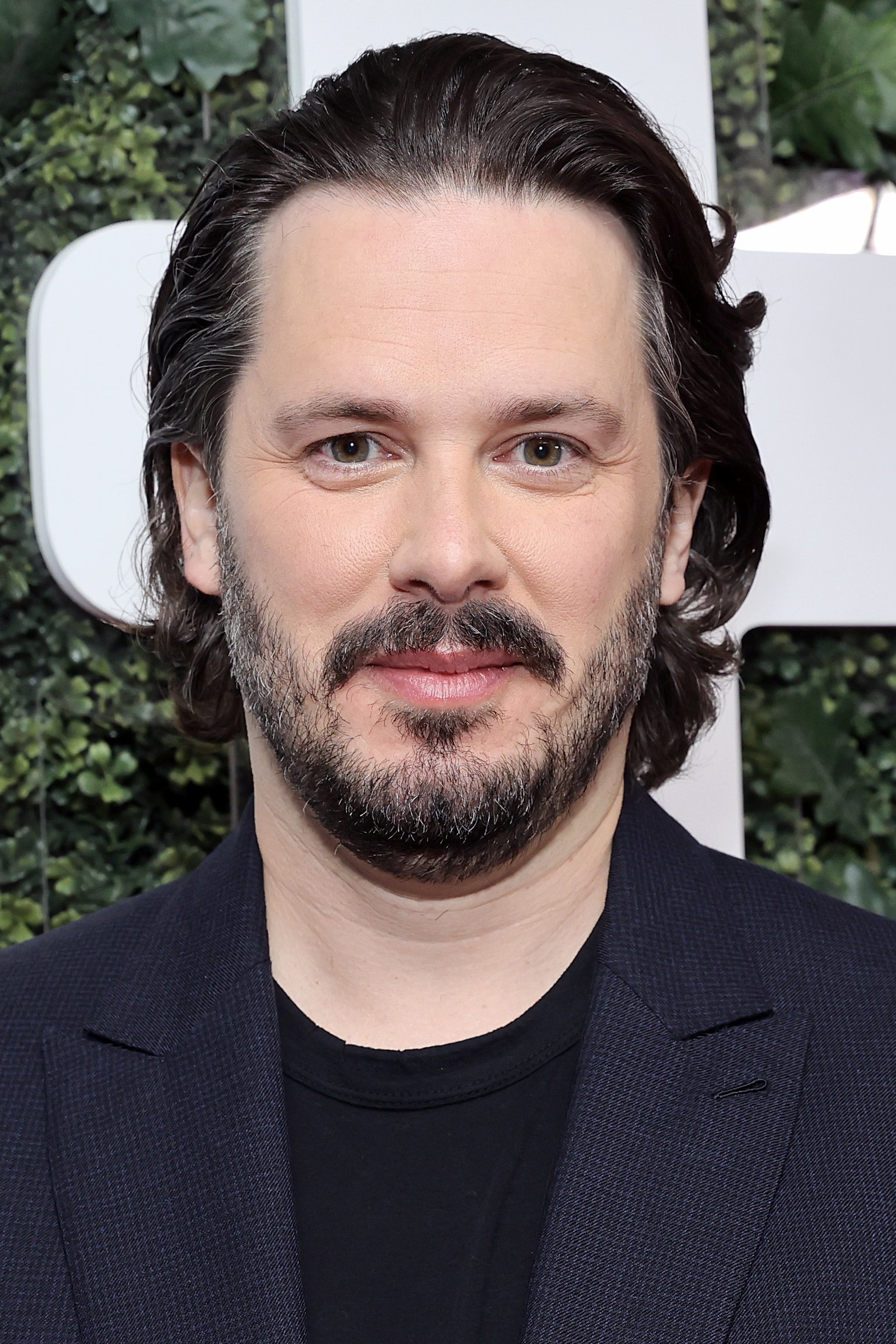
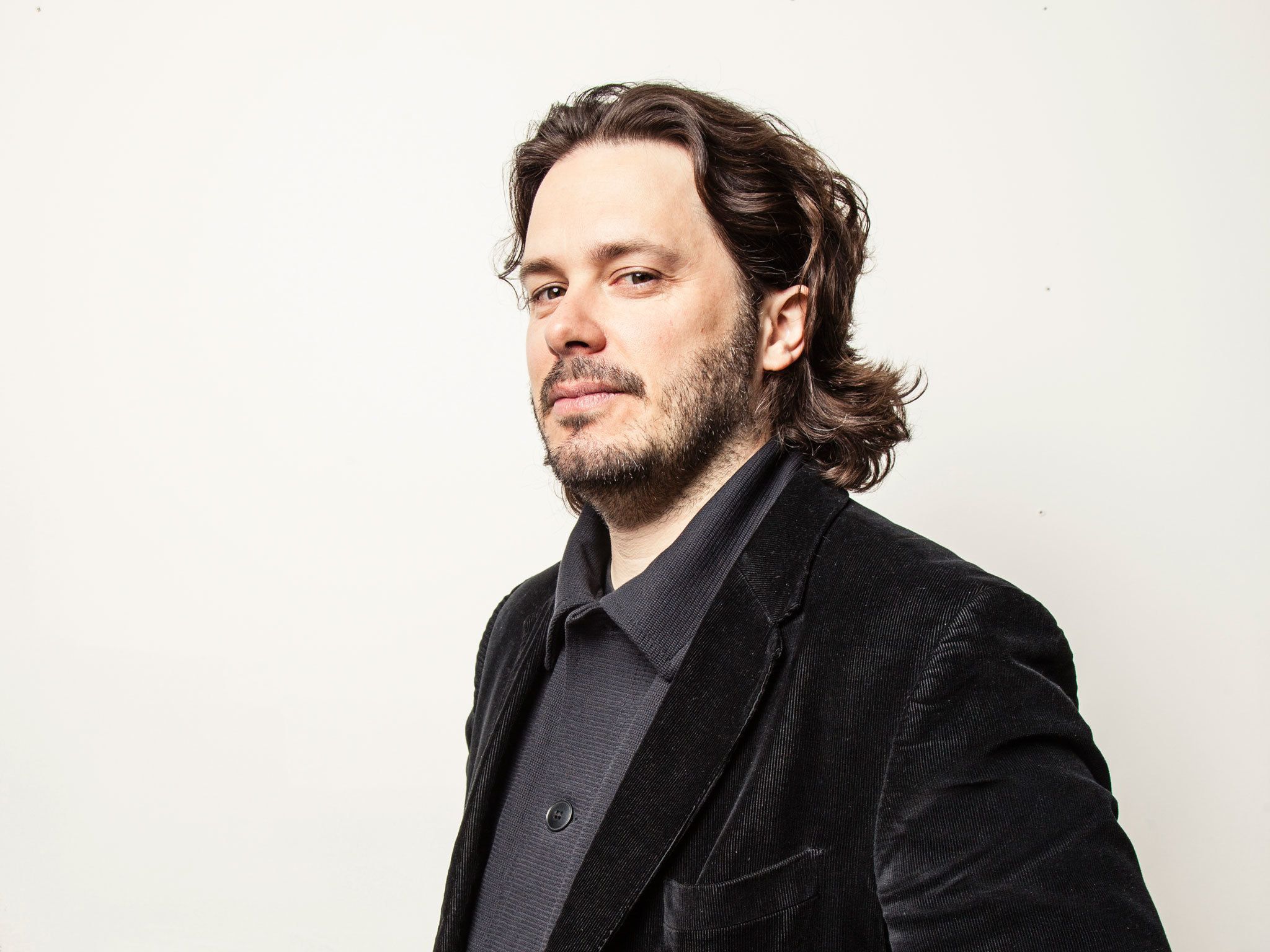
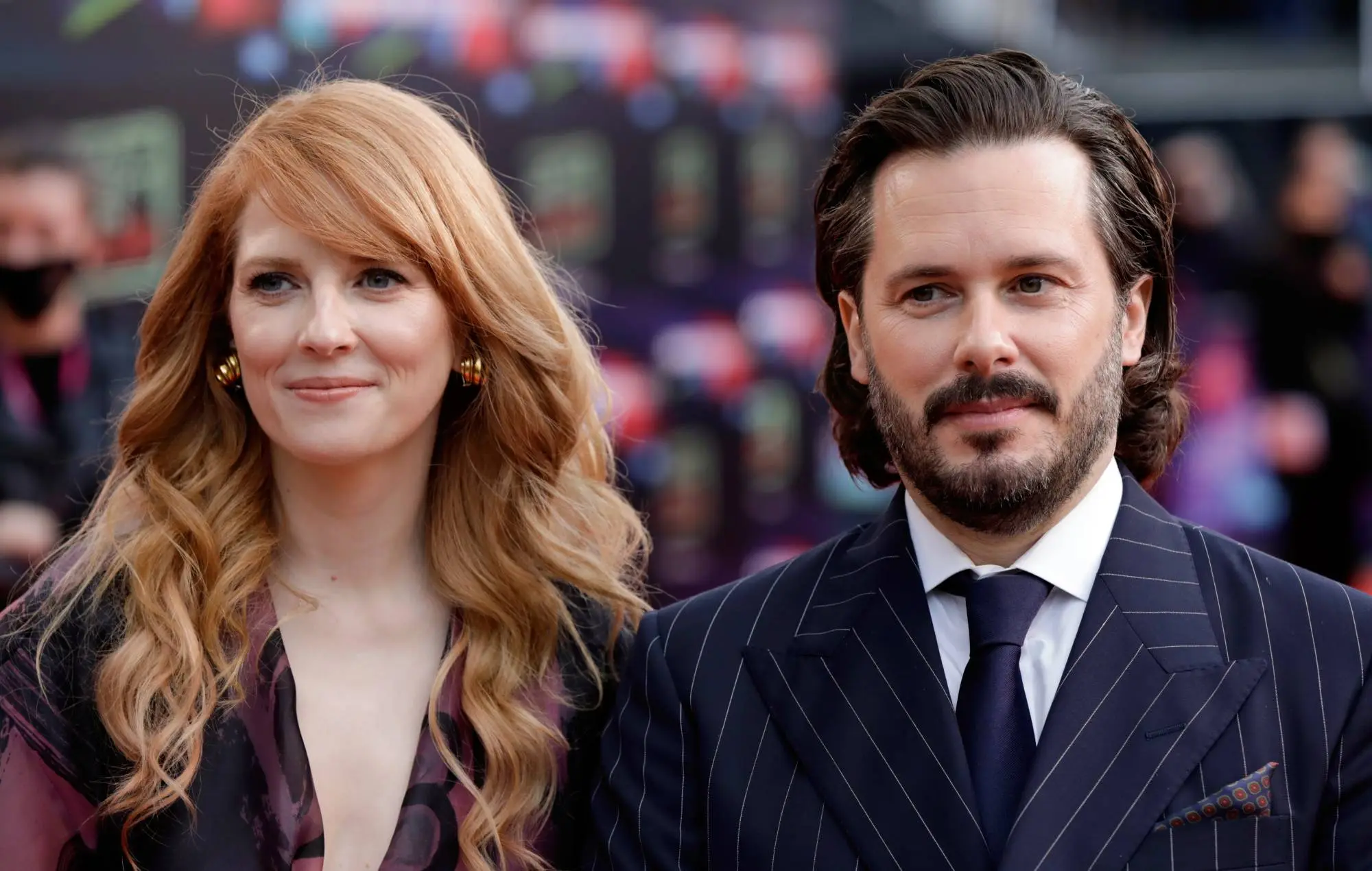
As of 2026, the acclaimed British filmmaker Edgar Wright is 52 years old. Born on April 18, 1974, in Poole, Dorset, England, Wright has established himself as one of the most distinct visual stylists in contemporary cinema, known for h...
As of 2026, the acclaimed British filmmaker Edgar Wright is 52 years old. Born on April 18, 1974, in Poole, Dorset, England, Wright has established himself as one of the most distinct visual stylists in contemporary cinema, known for his kinetic editing, meticulous sound design, and his signature "Cornetto Trilogy."
Contents
The Early Life and Formative Years of Edgar Wright
To understand the trajectory of Edgar Wright’s career, one must look at his humble beginnings in the United Kingdom. Born in 1974, his development as a director occurred during the rise of independent British television and the transition from traditional film to the digital editing era. Wright displayed an early interest in filmmaking, creating short films as a teenager with an 8mm camera. By the time he was in his late teens, he had already begun producing work that caught the attention of those in the local industry.
His formal education in film took place at the Bournemouth and Poole College of Art and Design. Unlike many of his contemporaries who moved directly into large-budget features, Wright’s age in the mid-1990s coincided with a period of intense experimentation in British sketch comedy and independent sitcom production. This background is critical, as it explains the highly rhythmic, hyper-kinetic editing style that defines his work today. The transition from television series like Spaced to feature-length films was not merely a change in medium, but a scale-up of the visual language he had refined throughout his twenties.
Defining Eras in Wright’s Filmography
Edgar Wright’s body of work can be broadly categorized into phases that reflect his growth as a director, screenwriter, and producer. His professional timeline is often measured by his ability to maintain creative control over original intellectual property while navigating the demands of the global box office.
The Comedy-Evolution Phase (1995–2007)
During this period, Wright, alongside Simon Pegg and Jessica Hynes, pushed the boundaries of the British sitcom. Spaced (1999–2001) served as the laboratory for what would eventually become the Three Flavours Cornetto Trilogy. Shaun of the Dead (2004) proved that Wright could blend genre tropes—specifically the zombie horror genre—with deeply human comedy, a template he would refine with Hot Fuzz (2007). At this stage of his career, Wright was in his early thirties, establishing a reputation for being a director who valued post-production as much as principal photography.
The Stylistic Expansion (2010–2017)
As he entered his late thirties and early forties, Wright moved toward more ambitious visual projects. Scott Pilgrim vs. the World (2010) demonstrated an unprecedented level of visual fidelity to comic book source material, utilizing practical effects and rapid-fire editing that set a new standard for live-action comic book adaptations. This phase concluded with Baby Driver (2017), a film where the narrative was dictated by a musical score, highlighting his maturity as a technical craftsman who could choreograph action sequences to a specific beat.
Mature Genre Exploration (2021–Present)
Now in his early fifties, Wright has shifted toward darker, more atmospheric work. Last Night in Soho (2021) represented a departure into psychological horror, showcasing a shift from the comedic tone of his earlier years toward a more serious investigation of themes like nostalgia and urban decay.
Comparative Timeline of Key Projects
The following table outlines the release years and Wright's age at the time of each major milestone. This demonstrates his steady output and the consistent evolution of his craft over three decades.
| Project Title | Release Year | Age of Edgar Wright | Genre Focus |
|---|---|---|---|
| Shaun of the Dead | 2004 | 30 | Comedy/Horror |
| Hot Fuzz | 2007 | 33 | Action/Comedy |
| Scott Pilgrim vs. the World | 2010 | 36 | Action/Fantasy |
| The World's End | 2013 | 39 | Sci-Fi/Comedy |
| Baby Driver | 2017 | 43 | Crime/Action |
| Last Night in Soho | 2021 | 47 | Psychological Horror |
The Technical Signature: Why Age and Experience Matter
Edgar Wright’s reputation for technical precision is frequently attributed to his experience in editing. Many directors rely on their editors to find the "rhythm" of a scene; Wright, however, often edits in his head while writing the screenplay. This "pre-visualization" requires years of experience and a deep understanding of continuity and timing. As he has aged, his command of these tools has become more complex.
In 2026, a director’s age often correlates with their ability to manage larger budgets and complex CGI integration. Wright has successfully navigated this by sticking to a preference for "in-camera" effects whenever possible. By keeping his practical, tactile approach to filmmaking, he ensures that his movies retain a sense of weight and realism that is often absent in purely digital productions. This is a deliberate choice rooted in the lessons learned during his early years of low-budget, high-concept independent filmmaking.
Frequently Asked Questions (FAQ)
1. Is Edgar Wright currently working on a specific sequel? Edgar Wright has historically avoided traditional sequels, preferring original storytelling. While he has often discussed potential side projects or spiritual successors, he has consistently maintained that he prefers to create new worlds rather than revisiting old ones.
2. How old was Edgar Wright when he made Shaun of the Dead? Edgar Wright was 30 years old when Shaun of the Dead was released in 2004. The film’s success established him as a major voice in modern comedy and elevated his profile in Hollywood.
3. Has Edgar Wright ever directed for television? Yes. Much of Wright's early career was defined by his work in television. He directed the series Spaced, which was instrumental in his development as a filmmaker. He has occasionally returned to television, most notably as an executive producer or through documentary work.
4. What is the "Cornetto Trilogy"? The Three Flavours Cornetto Trilogy refers to three films—Shaun of the Dead, Hot Fuzz, and The World's End—that share a common theme, a comedic tone, and the presence of lead actors Simon Pegg and Nick Frost. Each film features a different brand of Cornetto ice cream, serving as a running gag throughout the series.
5. How has Wright’s style changed as he has gotten older? While his signature fast-paced editing remains constant, his subject matter has matured. His recent work demonstrates a move toward more psychological, atmospheric, and character-driven storytelling, moving away from the pure genre-parody style of his late twenties and early thirties.
Recommendation for Further Research
For those interested in the craft of filmmaking rather than just biographical data, studying the transition between Spaced and Shaun of the Dead provides the most insight into Wright’s methodology. Understanding how a director scales their vision from a small-screen comedy format to a wide-release feature is a valuable lesson for any aspiring filmmaker. By examining his script-to-screen process, one can see how the constraints of his early years necessitated the efficiency that now defines his high-budget productions.
Image Gallery