How to Master Brisket Cook Times for Perfect Results
Mastering brisket cook times requires shifting your focus from a rigid clock to the physical transformation of the meat. Because every brisket varies in fat content, muscle density, and moisture, there is no universal "correct" time. I...
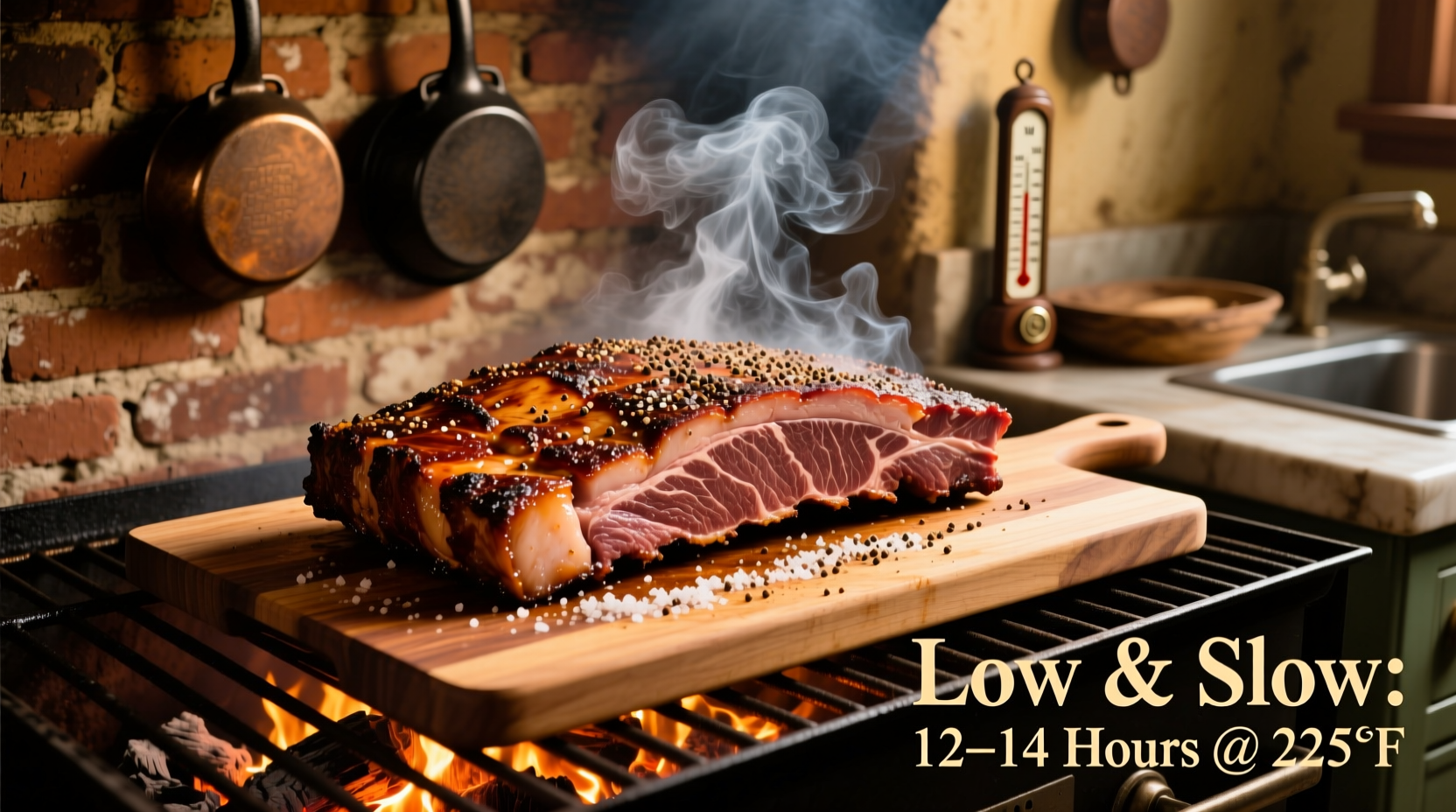
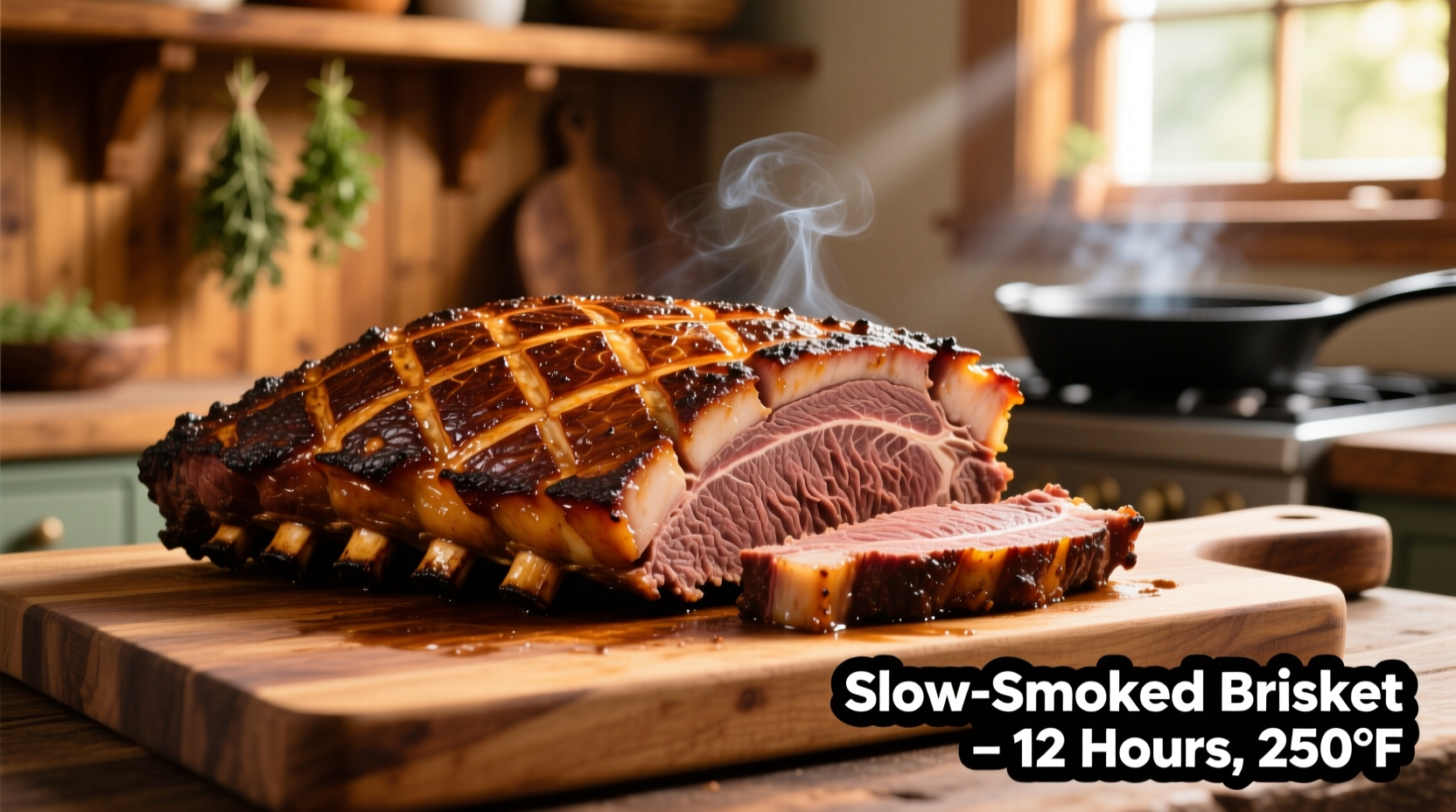
Mastering brisket cook times requires shifting your focus from a rigid clock to the physical transformation of the meat. Because every brisket varies in fat content, muscle density, and moisture, there is no universal "correct" time. Instead, success relies on internal temperature, collagen breakdown, and the "probe tender" test, typically requiring 1 to 1.5 hours of cooking time per pound at a smoker temperature of 225°F to 250°F.
Contents
The Physics of the Brisket Stall
Understanding the "stall" is the most critical hurdle for any pitmaster. When an internal temperature of roughly 150°F to 165°F is reached, the brisket often stops rising in temperature for several hours. This phenomenon occurs because the meat’s surface moisture evaporates, creating a cooling effect that perfectly balances the heat input from your smoker.
Resist the urge to crank up the temperature during this phase. If you attempt to "power through" the stall with extreme heat, you risk scorching the exterior bark before the internal connective tissues have had sufficient time to break down. Patience during this stage is the difference between a dry, tough piece of meat and a succulent, sliceable brisket. Most professional pitmasters accept the stall as a necessary window for the proteins to contract and the fat to render properly.
Managing Variables: Why Times Vary
Every brisket is a unique biological entity. Even if two briskets weigh exactly 12 pounds, they may finish hours apart due to several environmental and biological factors:
- Muscle Density: A brisket with high intramuscular fat (marbling) will often cook differently than a lean cut. Fat acts as an insulator and provides moisture as it melts, helping to soften the dense muscle fibers.
- Smoker Efficiency: Variations in airflow, heat retention, and thermometer calibration mean that "225°F" in one smoker may fluctuate significantly in another. Digital ambient temperature controllers have become standard in 2026 to minimize these variances.
- Trimming Technique: Removing excessive fat (the "fat cap") affects heat penetration. Leaving too much fat prevents the smoke from flavoring the meat, while removing too much can dry out the muscle during a long cook. Aim for a consistent 1/4-inch fat cap to balance protection and seasoning.
- Surface-to-Mass Ratio: A thicker brisket takes longer for heat to reach the center compared to a flatter, wider cut of the same weight.
The Science of Collagen Breakdown
A brisket is primarily composed of tough connective tissue, specifically collagen. Collagen does not break down at the same temperature that individual muscle fibers cook. To achieve a "perfect" texture, you must hold the meat at a high enough temperature for long enough to convert that collagen into gelatin.
Gelatin provides the signature "mouthfeel" associated with high-quality barbecue. This conversion process typically begins around 160°F and accelerates as the meat climbs toward 195°F–205°F. This is why "low and slow" is not just a preference; it is a thermal requirement for this specific cut of beef.
Essential Tools for Precision
To master your cook times, you must remove guesswork. Reliance on built-in grill thermometers is often the primary cause of failure. Use the following tools to monitor your progress accurately:
| Tool Type | Purpose | Recommendation |
|---|---|---|
| Instant-Read Thermometer | Spot-checking for "probe tenderness." | Calibrate every 6 months for accuracy. |
| Multi-Probe Monitor | Tracks ambient and internal temps simultaneously. | Use dedicated ambient probes for better airflow awareness. |
| Butcher Paper | Assists with moisture retention after the stall. | Use pink butcher paper to preserve bark texture. |
| Heavy-Duty Cooler | Essential for the "rest" period. | Preheat with hot water before placing the wrapped brisket inside. |
The Critical Role of the Rest
The cooking process does not end when you remove the brisket from the smoker. In fact, the rest period is as vital as the smoke itself. During the cook, juices are forced toward the center and the proteins are in a state of high tension.
If you slice a brisket immediately upon pulling it off the heat, the internal juices will escape, resulting in a dry, lackluster product. Resting the meat in a faux-Cambro (a clean, insulated cooler) for a minimum of two hours allows the muscle fibers to relax and reabsorb the moisture. Many elite pitmasters now recommend resting for up to four hours to achieve the most consistent results across the entire brisket flat.
Troubleshooting Common Time Issues
If your brisket is moving faster than expected, you may have set your ambient temperature too high. Conversely, if the temperature hasn't moved in hours, ensure your thermometer probe is not resting against a bone or a pocket of fat, which can give a false reading.
Another frequent error is "over-tending." Opening the smoker lid to check the meat disrupts the thermal equilibrium and adds significant time to your cook. Trust your probes and minimize lid openings to once every few hours only if you need to spritz the meat to manage bark development.
Frequently Asked Questions
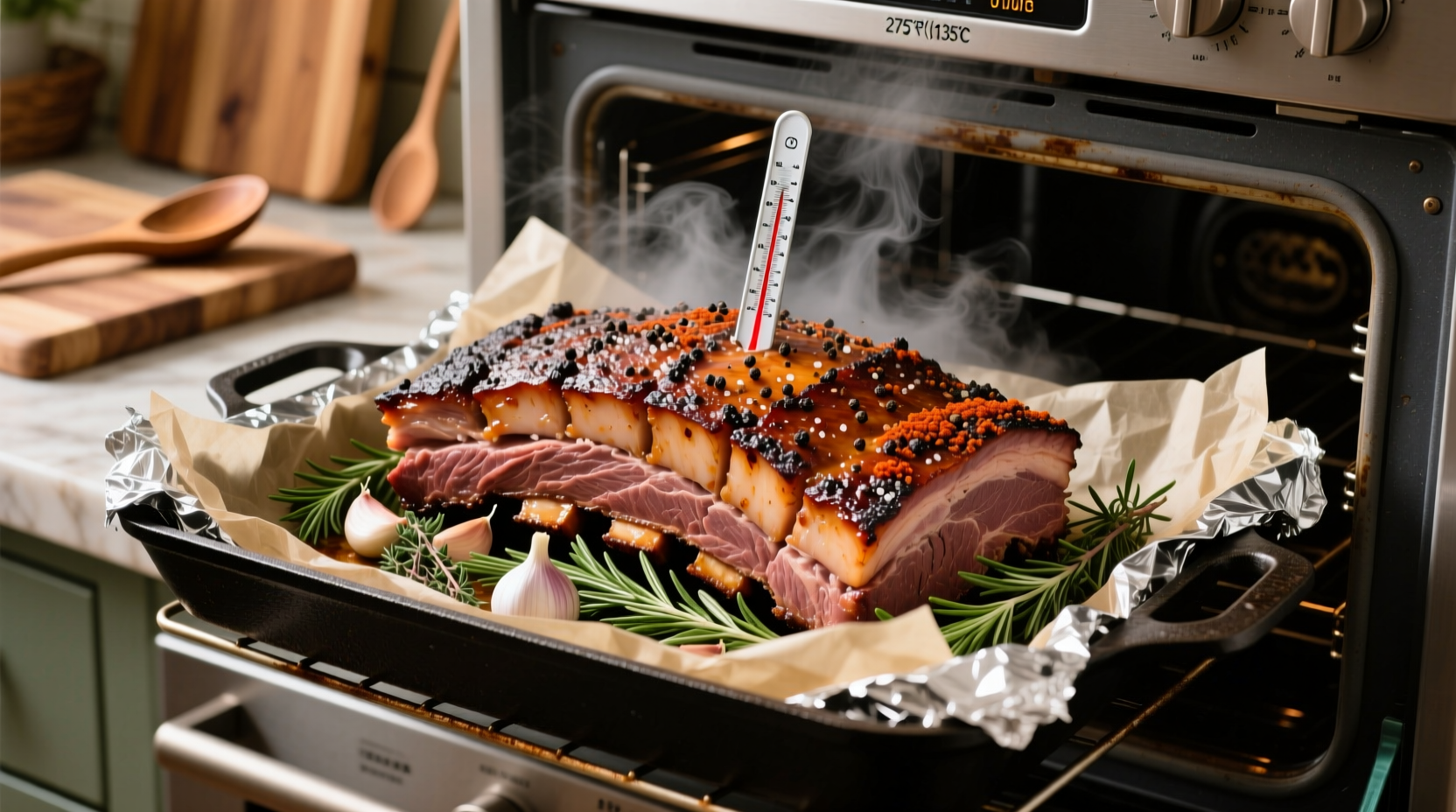
Does wrapping a brisket in foil make it cook faster? Yes. Wrapping, often called the "Texas Crutch," traps steam and heat, which pushes the meat through the stall much faster. While this reduces cook time, it can sometimes soften the bark. Many prefer using pink butcher paper, which allows the meat to breathe slightly while still accelerating the process.
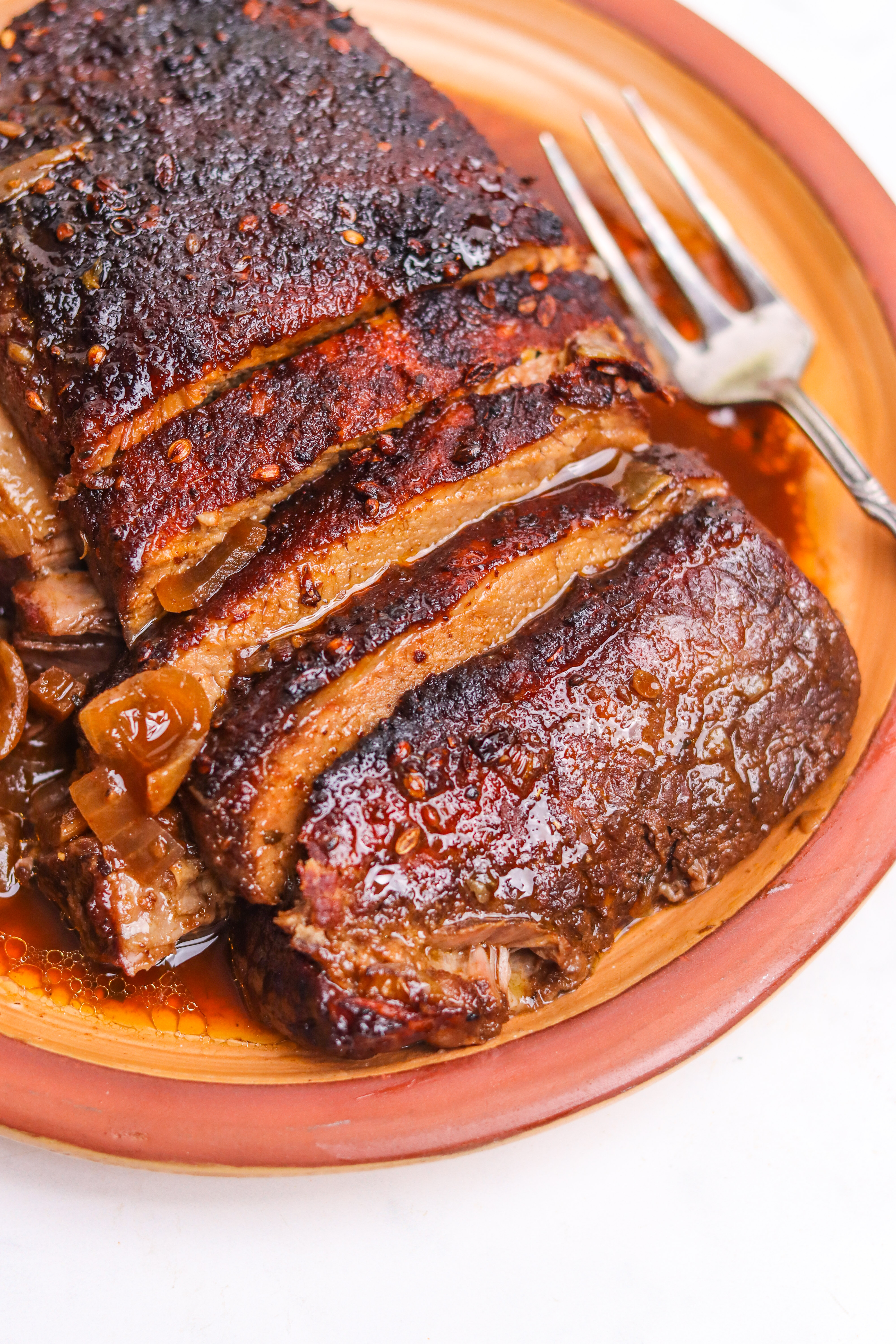
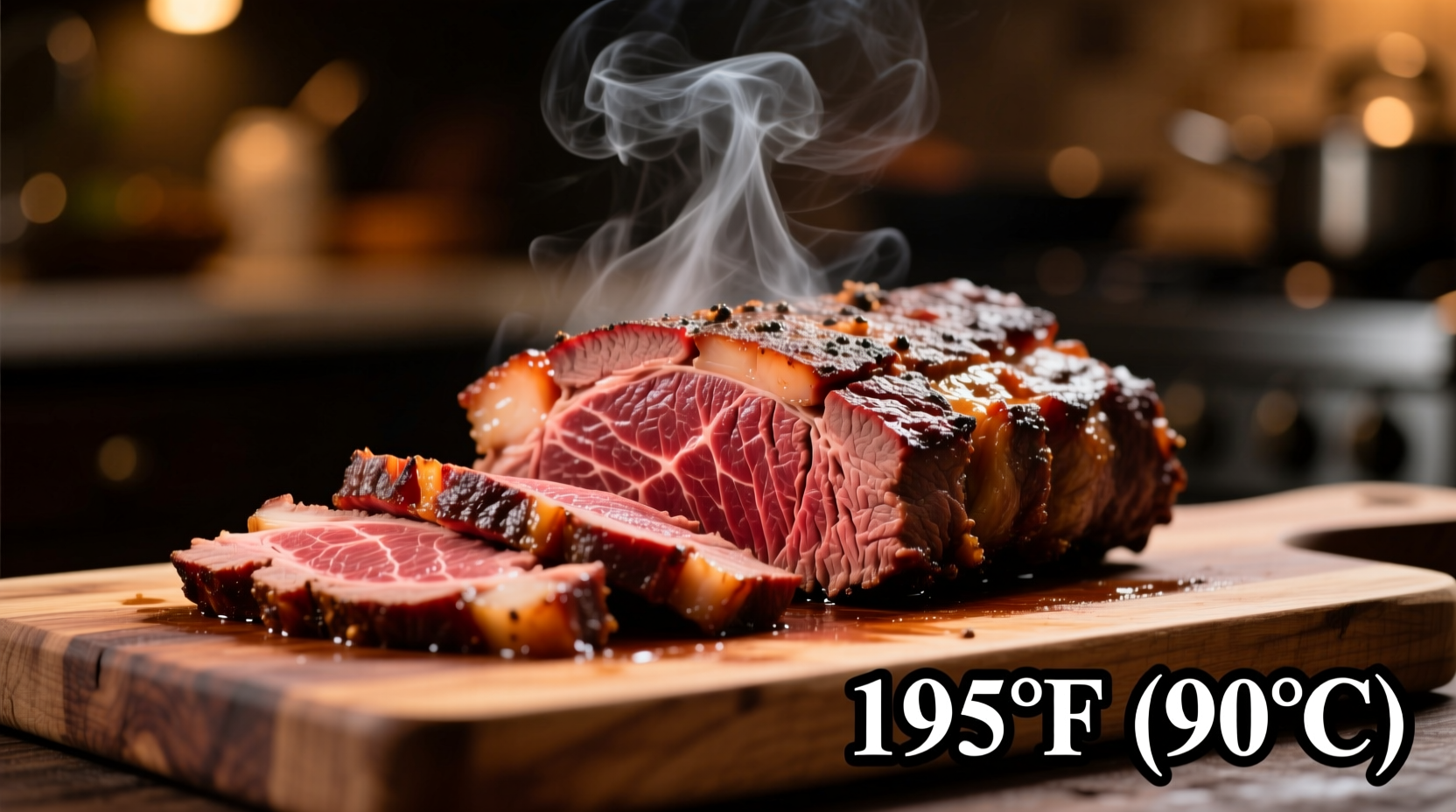
How do I know exactly when the brisket is done? Ignore the clock and focus on "probe tenderness." When your thermometer slides into the thickest part of the flat with little to no resistance—similar to sticking a probe into a jar of room-temperature peanut butter—the brisket is ready. The temperature should be in the 195°F–205°F range, but the feel is the ultimate test.
What should I do if the brisket is done way before the guests arrive? A finished brisket can hold in a high-quality, preheated insulated cooler for 4 to 6 hours safely. Keep it wrapped in paper and towels to maintain the internal temperature above 140°F. This extended resting time often leads to a superior, more tender final result.
Is it necessary to spritz the brisket with liquid? Spritzing helps keep the exterior moist during the long smoke, which can prevent the edges from drying out and encourage better smoke adhesion. However, it is not strictly required for internal doneness. Use a mixture of apple cider vinegar and water or beef stock, and do so sparingly to avoid cooling the smoker down too much.
Should I trim the brisket before or after smoking? Always trim before. A brisket trimmed properly will have more consistent airflow and more even heat distribution, which are the foundational elements of mastering cook times.
Next Steps for Consistency
To truly master your brisket game, start a cook log. Document the weight of the meat, the ambient temperature of your smoker, the external weather conditions, and the duration of each phase (the smoke, the stall, and the rest). By analyzing these variables over several cooks, you will begin to see patterns that allow you to predict your finishing times with remarkable accuracy. Start by focusing on the "probe tender" test rather than specific target temperatures, and prioritize the resting phase above all else.
Image Gallery