Understanding the Biggest Issue in Cloud Container Security
The single biggest issue in cloud container security is the misconfiguration of the container runtime and orchestration environment, which creates unauthorized access paths. This stems from a disconnect between the rapid deployment cap...
The single biggest issue in cloud container security is the misconfiguration of the container runtime and orchestration environment, which creates unauthorized access paths. This stems from a disconnect between the rapid deployment capabilities of containerized microservices and the implementation of granular, least-privilege security policies, leaving overly permissive interfaces exposed to the public internet or internal lateral movement.
Contents
The Core Problem: Misconfiguration at Scale
In modern cloud-native environments, the abstraction of infrastructure—driven by technologies like Docker, Kubernetes, and serverless containers—allows engineering teams to deploy updates multiple times per day. However, this velocity often outpaces the ability of security teams to audit every configuration change. The primary risk is not necessarily a flaw in the container technology itself, but the way it is deployed.
Common misconfigurations include exposed API servers, unauthorized access to the Kubernetes control plane, and running containers with elevated privileges. When a container image is pulled from a public registry without rigorous provenance verification, or when a developer inadvertently sets a container to run as "root," the entire host machine becomes vulnerable. If an attacker gains a foothold in an unhardened container, the architectural nature of shared kernels allows them to attempt container escape, moving from the isolated application space to the underlying host operating system.
Identifying Vulnerability Sources
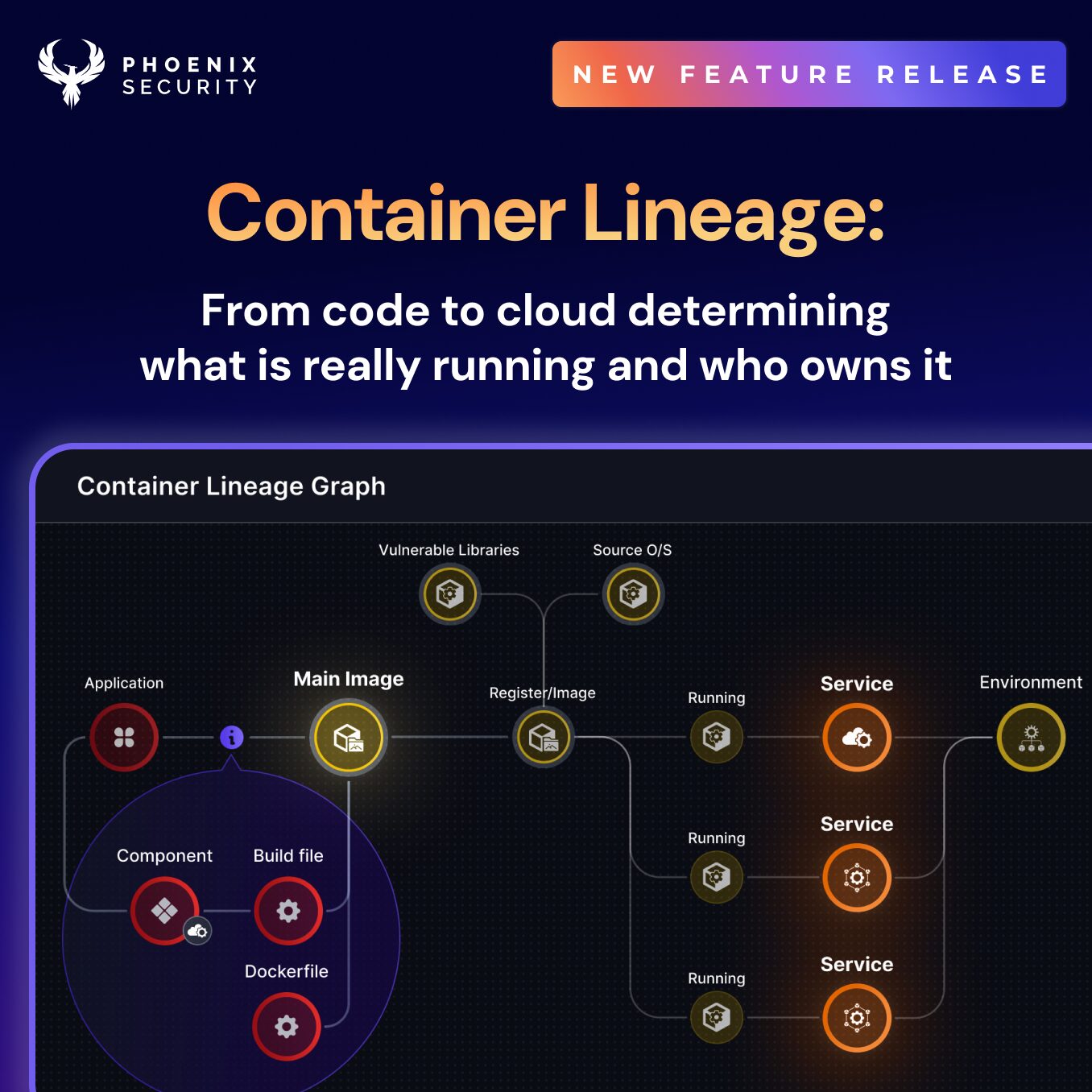
Container security is a multi-layered challenge. To address the biggest issue of misconfiguration, security architects must categorize risk into three distinct planes: the build phase, the registry, and the runtime.
- Build Phase (Supply Chain Security): Many vulnerabilities start with base images. Developers often pull images from public repositories without auditing the included libraries. If these libraries contain known Common Vulnerabilities and Exposures (CVEs), the container is compromised before it is even deployed.
- Registry Management: The container registry acts as the warehouse for your application. If access control lists (ACLs) are not strictly enforced, malicious actors can perform image poisoning—replacing a trusted application image with a backdoored version that the orchestrator will automatically pull and deploy.
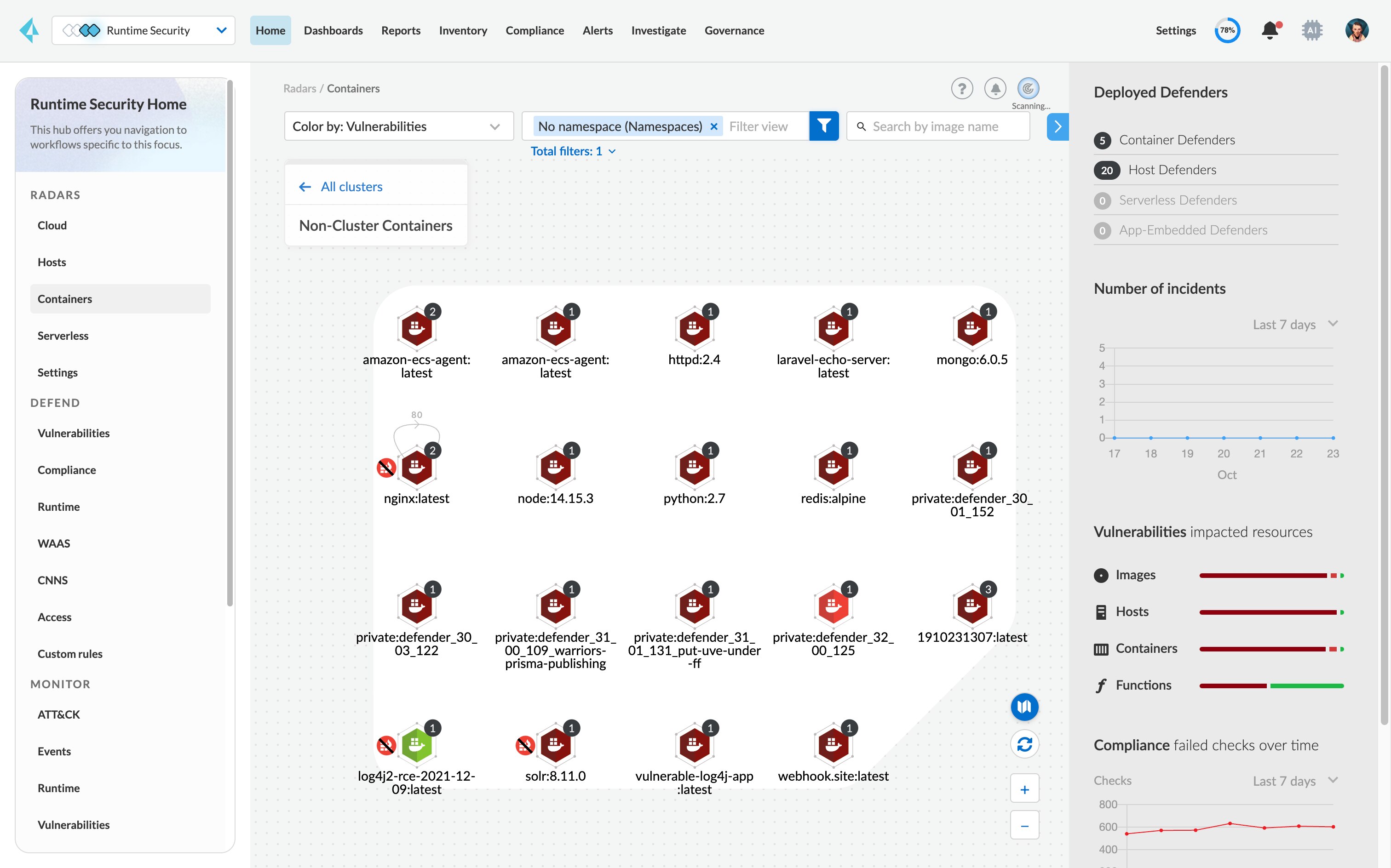
- Runtime Protection: This is the most critical stage. Orchestrators like Kubernetes require robust Network Policies to prevent "east-west" traffic movement. Without these policies, a breach in one front-end container allows an attacker to scan the entire internal network, accessing databases or secrets (like API keys) stored within other containers.
Operationalizing Security Measures
To mitigate the biggest issues in container security, organizations must shift from a perimeter-based security mindset to a Zero Trust architecture. This involves implementing automated guardrails that prevent non-compliant containers from ever reaching a production cluster.
| Strategy | Objective | Implementation Method |
|---|---|---|
| Image Scanning | Eliminate pre-existing vulnerabilities | Integrate static analysis into CI/CD pipelines. |
| RBAC Enforcement | Limit human and machine access | Use Role-Based Access Control (RBAC) to restrict API access. |
| Network Segmentation | Stop lateral movement | Apply micro-segmentation via Kubernetes NetworkPolicies. |
| Admission Control | Prevent unauthorized deployment | Use OPA (Open Policy Agent) to reject root-privilege containers. |
| Runtime Observability | Detect anomalous behavior | Deploy eBPF-based security tools for granular kernel monitoring. |
The Human Element: Security as Code
Technology alone cannot solve the misconfiguration problem. The underlying issue is often cultural. When developers prioritize speed over security, configurations are treated as secondary. The solution is "Security as Code." By defining infrastructure and security policies in version-controlled files (such as YAML files in Git), teams can peer-review security configurations just as they review application code.
This practice ensures that security policies are consistent across development, staging, and production environments. Automated testing suites can scan these configuration files for common pitfalls—such as open ports or missing resource limits—before they are ever applied to a cluster. By treating security as an automated part of the engineering lifecycle, organizations can resolve the configuration gap that creates the "biggest issue" in cloud container security.
Navigating Container Runtime Risks
Container runtimes serve as the interface between the containerized application and the host kernel. Because containers share the host's kernel, a vulnerability in the kernel or the runtime itself can lead to a complete system compromise. Organizations must stay updated on security advisories regarding the container engine.
Furthermore, secrets management remains a point of failure. It is common for developers to store sensitive environment variables—such as database passwords or cloud provider credentials—directly inside the container specification. If an attacker dumps the environment variables of a compromised container, they gain immediate access to secondary, high-value assets. Utilizing a dedicated secrets management service—where secrets are injected at runtime into the container’s memory—significantly reduces this attack surface.
Future-Proofing with Cloud-Native Tools
As we move through 2026, the complexity of managing multi-cloud container environments has necessitated the adoption of Cloud-Native Application Protection Platforms (CNAPP). These platforms consolidate vulnerability scanning, configuration auditing, and runtime monitoring into a single pane of glass.
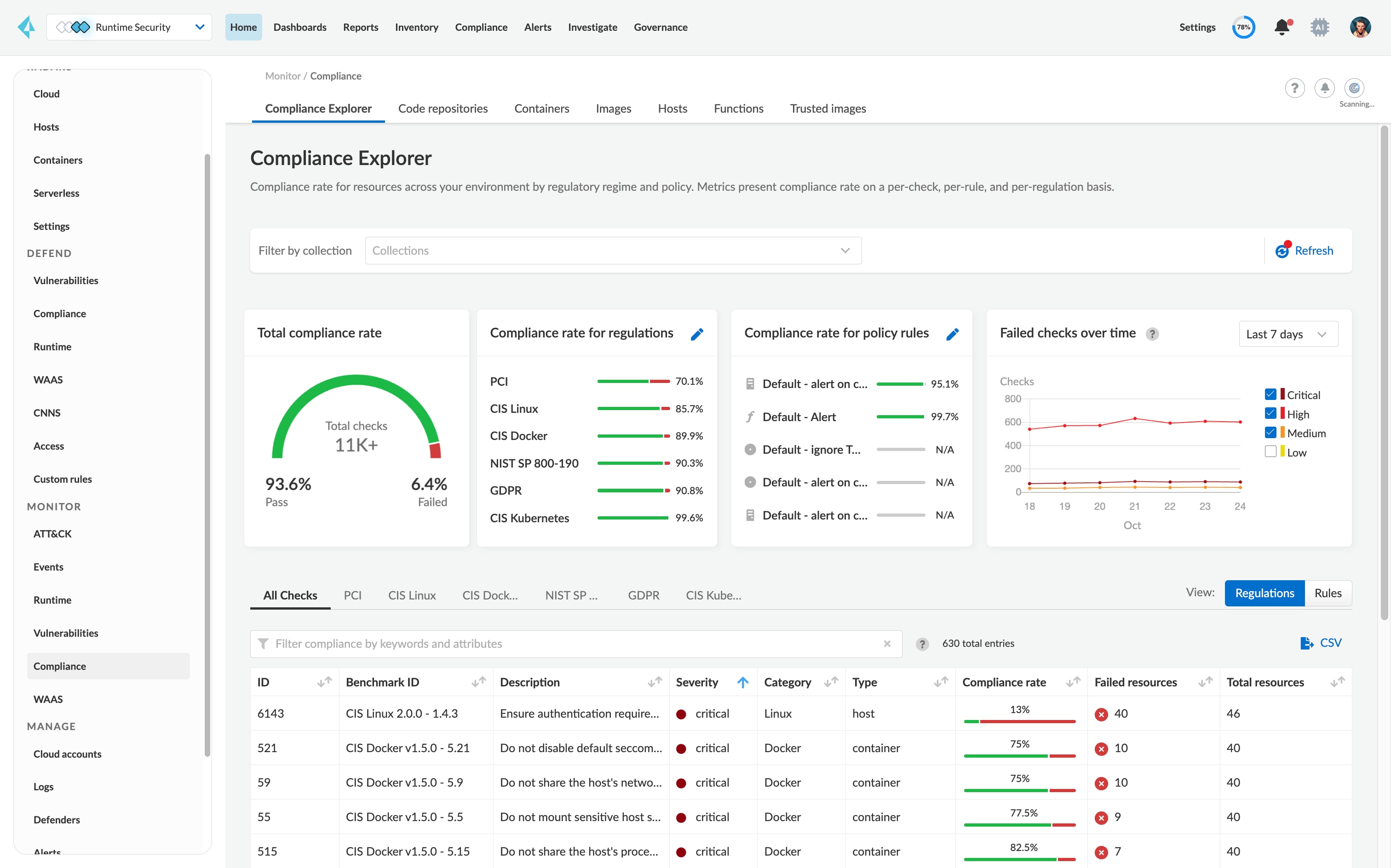
When selecting tooling, prioritize solutions that support automated compliance reporting. Regulations often require evidence that infrastructure is being monitored. Tools that can map container configurations against industry-standard benchmarks, such as the Center for Internet Security (CIS) Benchmarks for Kubernetes, provide the audit trail necessary for regulatory adherence while simultaneously addressing the primary security risk.
Frequently Asked Questions
Why is container misconfiguration considered a greater threat than software bugs? While software bugs are specific to an application’s code, misconfigurations impact the underlying infrastructure's integrity. A single misconfiguration, such as an open API server, can expose an entire cluster of services, regardless of how secure the individual applications are.
How does "least privilege" apply to container orchestration? In a containerized environment, least privilege means that a container should only have the permissions necessary to function. This includes restricted system calls, limited network access, and no root access on the host. By removing unused capabilities, you reduce the impact of a potential container breakout.
What role does eBPF play in modern container security? Extended Berkeley Packet Filter (eBPF) allows for deep observability into the kernel without requiring changes to the container code. It enables security tools to monitor system calls and network traffic in real-time, providing high-fidelity alerts on malicious activity that traditional signature-based scanners might miss.
Should I use public or private registries? Private registries are standard for enterprise environments. They provide a controlled environment where images can be scanned, signed, and approved before being pulled into production, preventing the injection of malicious code into your supply chain.
What is the first step in auditing my container security? Begin by auditing your current Kubernetes or orchestration configuration against the CIS Benchmarks. Identify all containers running with elevated privileges or unnecessary host-path mounts, as these represent the most immediate points of failure.
Next Action: The 30-Day Hardening Plan
To address these security challenges, conduct a comprehensive audit of your container environment. Start by restricting your container registry access to only authorized CI/CD service accounts. Next, enable automated image scanning in your build pipeline to block any image with "Critical" or "High" severity vulnerabilities. Finally, review your cluster's RBAC settings to ensure that service accounts have the narrowest possible scope, and implement an Admission Controller to enforce these policies permanently.
Image Gallery