Understanding the Alienware Brand Valuation and Corporate Status
Alienware does not have an independent net worth because it is not a standalone publicly traded company; rather, it is a wholly-owned subsidiary of Dell Technologies. Consequently, the brand’s financial performance is integrated into t...
Alienware does not have an independent net worth because it is not a standalone publicly traded company; rather, it is a wholly-owned subsidiary of Dell Technologies. Consequently, the brand’s financial performance is integrated into the consolidated revenue and asset reports of its parent corporation, making its specific "net worth" an internal accounting metric rather than a publicly traded valuation.
Contents
The Corporate Structure of Alienware
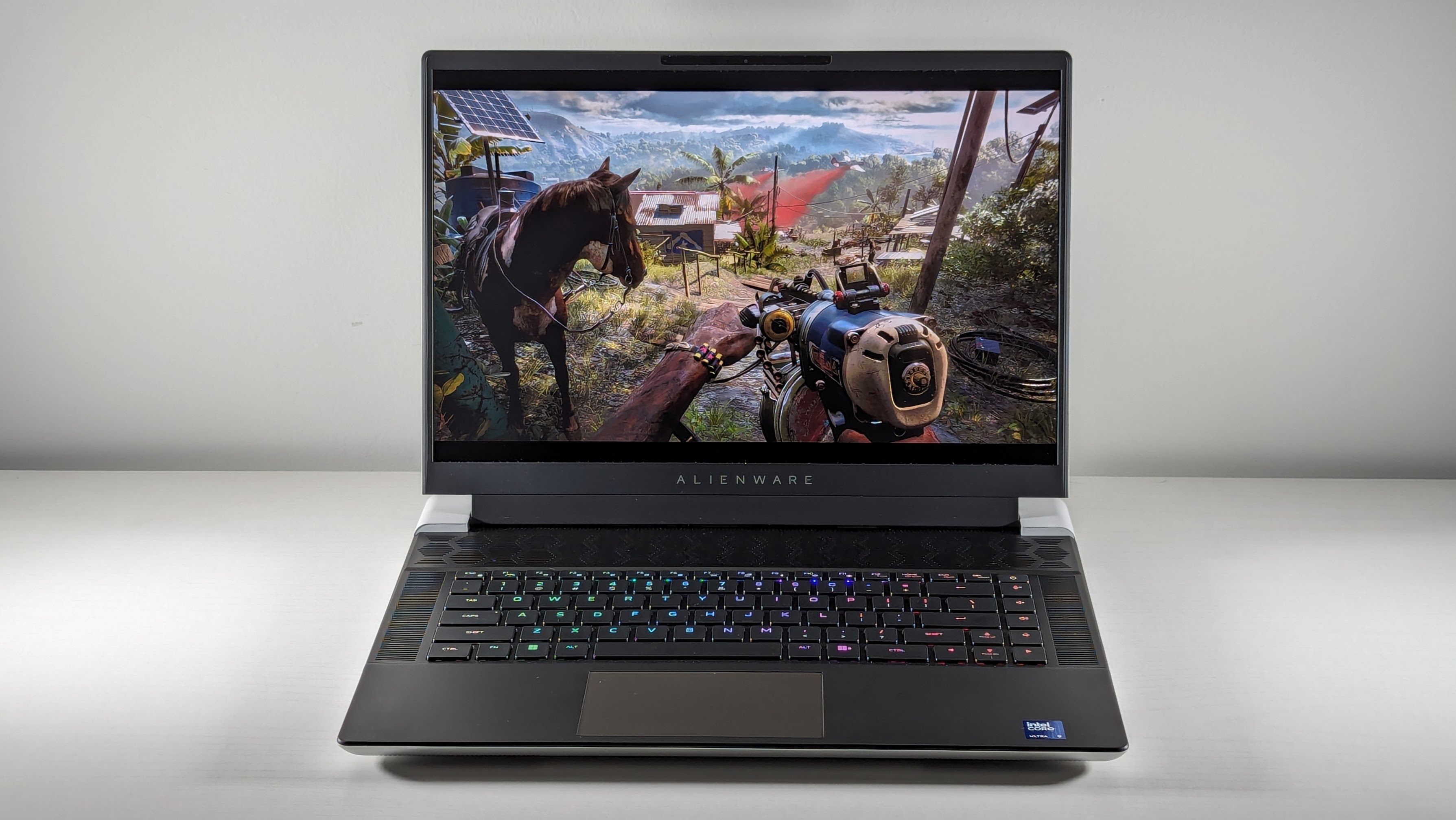
To understand the financial standing of Alienware, one must first recognize its position within the broader organizational hierarchy of Dell Technologies. Founded in 1996 by Nelson Gonzalez and Alex Aguila, Alienware began as a boutique manufacturer specializing in high-performance desktop computers and workstations for enthusiasts and gamers. In 2006, Dell acquired Alienware.
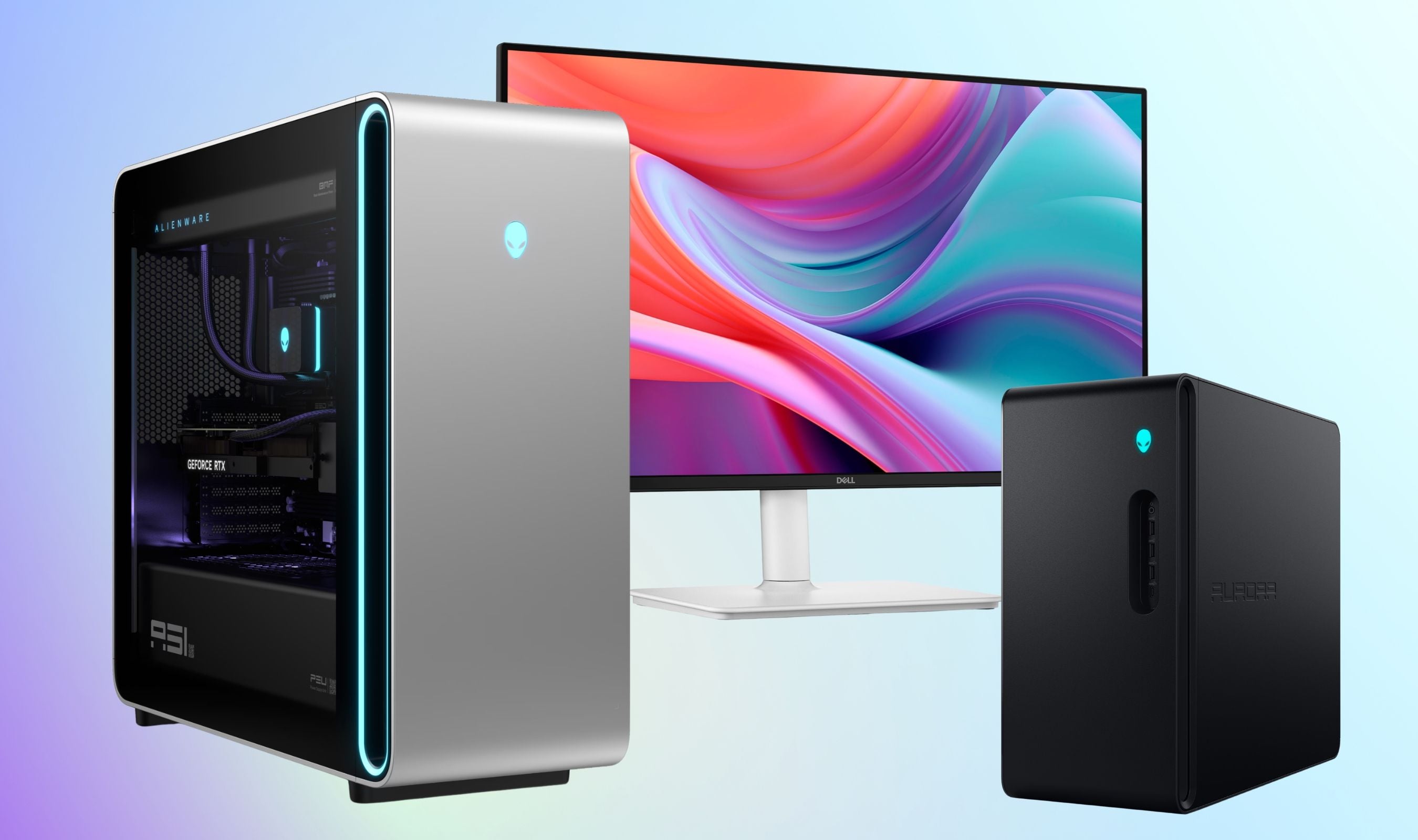
At the time of the acquisition, the move was strategic: Dell sought to capture the growing premium gaming hardware market, while Alienware gained the manufacturing scale, global logistics network, and supply chain stability of a multinational corporation. Since that merger, Alienware has operated as a premium sub-brand. It functions as a specialized division within Dell’s Consumer and Small Business segments. Because it is a brand line rather than a separate legal entity with its own balance sheet, there is no public stock ticker or independent equity valuation for Alienware.
Financial Reporting within Dell Technologies
For analysts and investors, evaluating the "worth" of Alienware requires looking at how Dell Technologies reports its earnings. Dell classifies its revenue streams into several reporting segments, primarily:
- Client Solutions Group (CSG): This segment includes desktops, notebooks, and workstations. Alienware products are accounted for within this group, specifically under the "Premium Consumer" and "Gaming" categories.
- Infrastructure Solutions Group (ISG): While some specialized high-performance workstations may overlap, the bulk of the gaming brand’s revenue is tied to the Client Solutions Group.
Because Dell does not break out the net worth or exact annual profitability of specific sub-brands in its Form 10-K filings with the U.S. Securities and Exchange Commission (SEC), the "net worth" of Alienware is essentially the sum of its capitalized assets (manufacturing facilities, intellectual property, and brand equity) and its contribution to Dell’s overall gross margin.
Brand Equity and Intangible Valuation
While the financial net worth is integrated into Dell’s balance sheet, Alienware possesses significant "brand equity." Brand equity refers to the commercial value derived from consumer perception and brand recognition rather than physical assets alone.
Alienware’s brand valuation is rooted in its decades-long dominance in the "boutique" gaming sector. Even after the Dell acquisition, Alienware maintained a distinct design language and product identity. In the 2026 hardware market, this carries immense value. If Alienware were to be spun off as a private equity entity—an unlikely but hypothetical scenario—its valuation would likely be calculated based on its historical revenue growth in the gaming sector, its patent portfolio, and the loyalty of its high-end consumer base.
Comparative Hardware Market Dynamics
To understand why Alienware is a valuable component of Dell, it is helpful to look at how the brand competes with other premium gaming hardware manufacturers.
| Feature/Metric | Alienware (Dell) | Competitors (e.g., ASUS ROG) | Market Position |
|---|---|---|---|
| Ownership | Subsidiary (Dell) | Independent Division | Conglomerate vs. OEM |
| Market Focus | Premium/Enthusiast | Multi-tier (Budget to Ultra) | High-end/Luxury |
| Distribution | Global Direct/Retail | Global Retail/Custom | Extensive reach |
| R&D Capacity | Massive (Dell Scale) | Significant | Shared resources |
This table illustrates that Alienware’s "worth" is amplified by the resources it shares with Dell. For instance, the R&D costs for cooling technology or chassis development are shared across the Alienware and Dell G-Series lines, increasing the operating efficiency of the brand.
Operational Requirements and Consumer Value
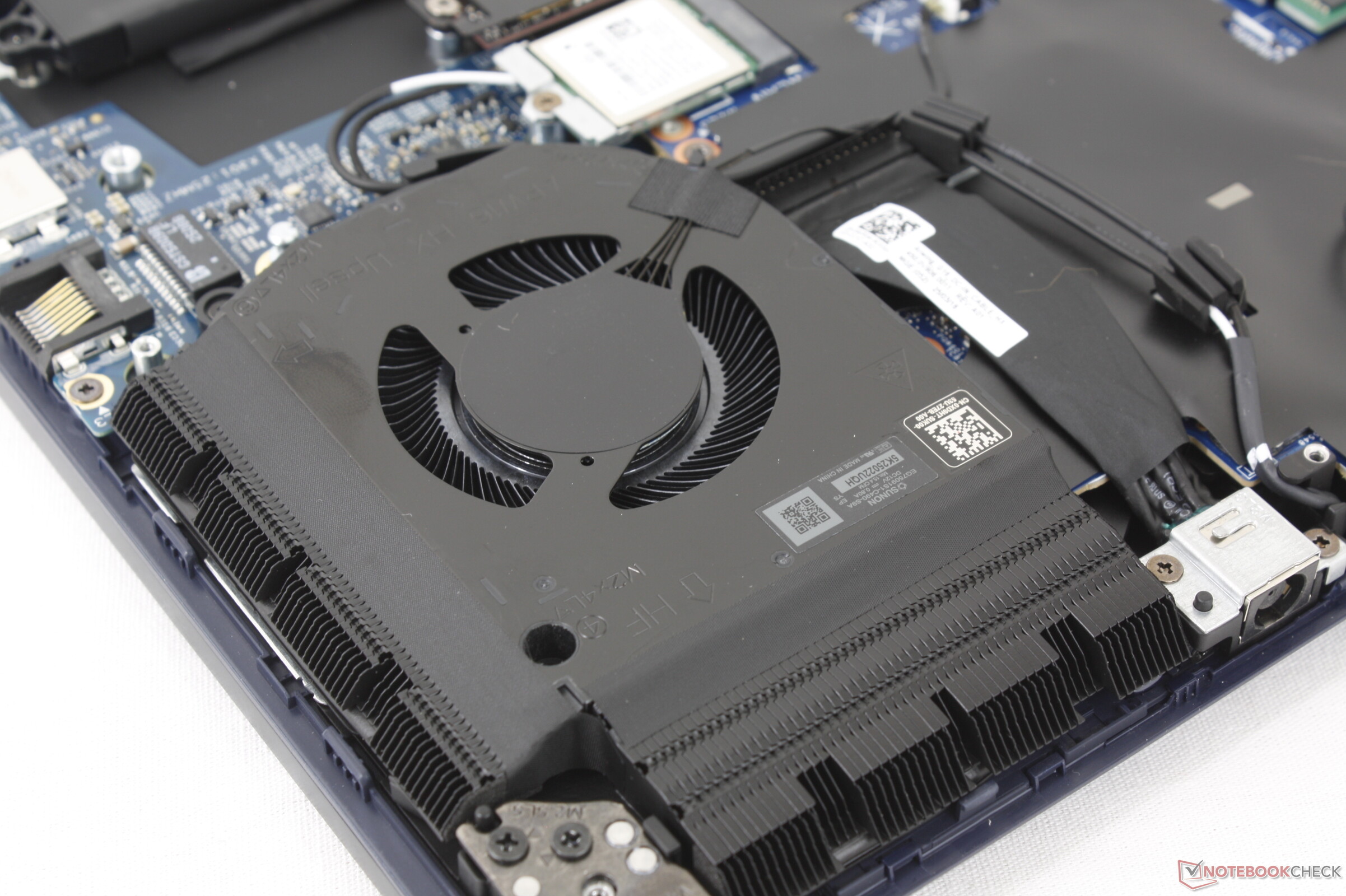
For consumers and business stakeholders, the "worth" of Alienware is also expressed through the hardware lifecycle and support services. Alienware products represent a specific tier of the PC market that prioritizes high-performance specifications, such as advanced thermal management systems, proprietary Alienware Command Center software, and premium build materials (magnesium alloys and liquid crystal polymers).
- Product Lifecycle: Alienware focuses on high-frequency updates to CPU and GPU configurations, ensuring that their systems remain relevant in an industry where component performance shifts annually.
- Support and Warranty: The value proposition includes extended technical support and insurance-like accidental damage services, which are baked into the price of the hardware.
- Intellectual Property: Alienware maintains a catalog of proprietary designs, such as the Legend and Legend 2.0 design languages, which differentiate the brand in a crowded market.
Common Misconceptions Regarding Net Worth
A frequent error in financial analysis is attempting to assign a "net worth" to a subsidiary based on its retail revenue. Revenue is not synonymous with net worth. If Alienware sells $1 billion worth of hardware, that figure represents top-line sales, not the net equity of the company.
Furthermore, analysts often conflate the "value of the gaming market" with the "value of Alienware." While Alienware is a significant player in the gaming market, it is subject to the same supply chain volatility as any other electronics manufacturer. Factors such as semiconductor shortages, tariffs on raw materials, and changes in consumer demand for PC gaming significantly impact the brand’s profitability, but these are managed at the Dell corporate level.
Next Steps for Investors and Analysts
If you are researching Alienware for investment purposes, do not look for the brand's individual net worth. Instead, focus on:
- Dell Technologies (DELL) Financial Reports: Review the latest quarterly earnings reports, specifically the performance of the Client Solutions Group.
- Gaming Market Trends: Monitor reports from market research firms like IDC or Gartner that track PC gaming hardware shipments and market share.
- Competitive Landscape: Research the performance of other major gaming hardware manufacturers to gauge the industry-wide health of the sector.
The stability of the Alienware brand is effectively tethered to the fiscal health of Dell Technologies. By examining the parent company’s performance, you gain the most accurate perspective on the underlying health and strategic value of the Alienware division.
Frequently Asked Questions
Is Alienware a public company? No, Alienware is not a public company. It was acquired by Dell in 2006 and operates as a brand division within Dell Technologies.
Where can I find the official financial statements for Alienware? Official financial statements for Alienware do not exist independently. You must refer to the consolidated financial reports of Dell Technologies, available through the Dell Investor Relations website or the SEC EDGAR database.
What contributes most to Alienware's value? Alienware’s value is primarily driven by its brand recognition, its loyal premium customer base, and its access to Dell’s supply chain and engineering resources, which allow for high-margin product development.
Does Alienware pay its own taxes or have its own debt? As a subsidiary, Alienware’s tax and debt liabilities are managed at the corporate level by Dell Technologies. It does not issue its own public debt.
How does Alienware compare to other gaming brands? Alienware is positioned as a luxury-tier gaming brand. Its value is comparable to other high-end lines like ASUS ROG or Razer, though its financial reporting is distinct due to its status as a subsidiary of a massive hardware conglomerate.
Is Alienware likely to be sold or spun off? There is no public indication that Dell plans to sell or spin off the Alienware brand. It remains a key component of Dell’s high-margin consumer hardware strategy.
Image Gallery