Understanding Workers Compensation Services in the USA: A Guide for Employers and Employees
Workers compensation services in the USA provide a mandatory, no-fault insurance system designed to cover medical expenses, rehabilitation costs, and lost wages for employees injured or made ill due to their work. Managed primarily at...
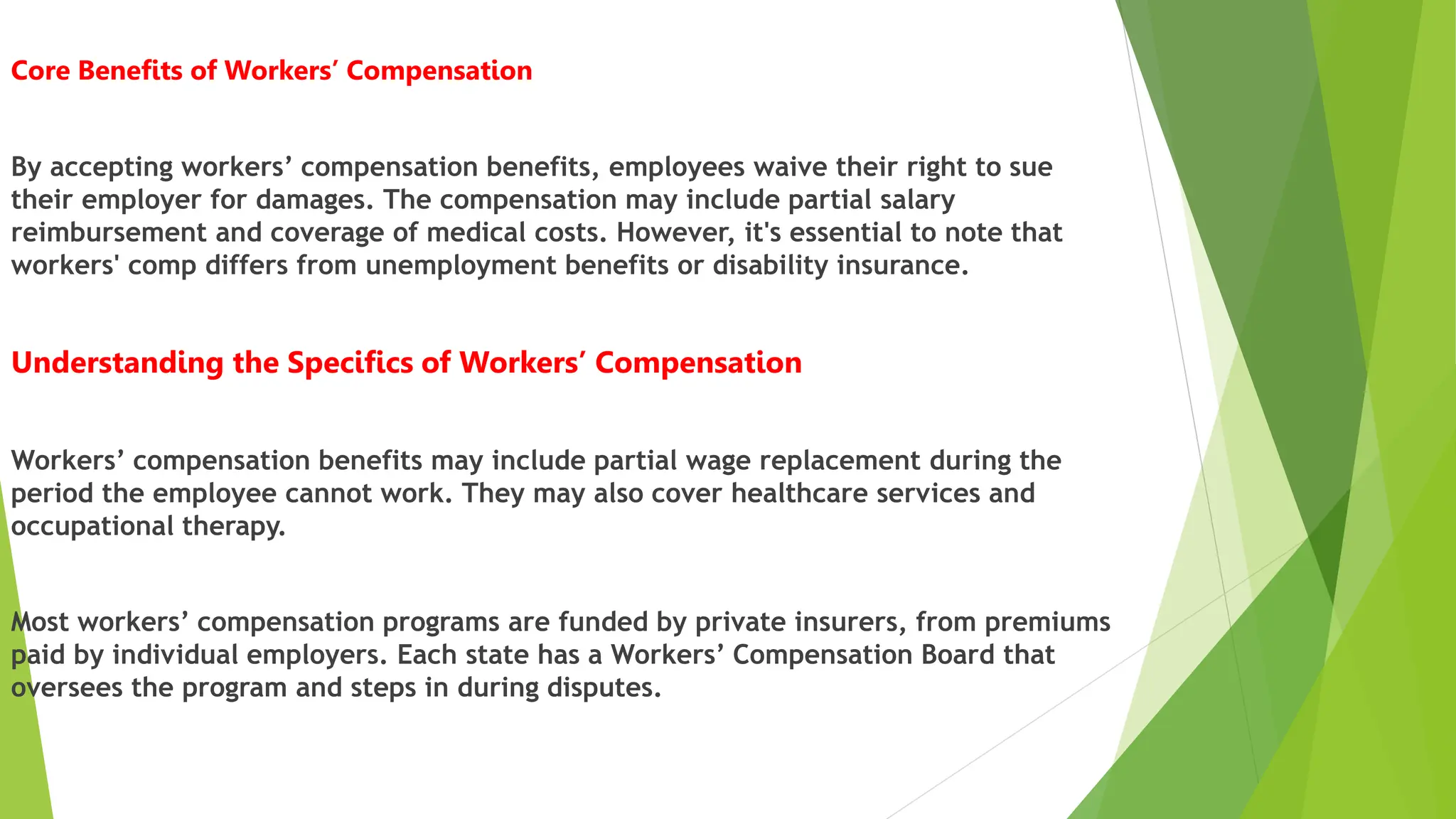
Workers compensation services in the USA provide a mandatory, no-fault insurance system designed to cover medical expenses, rehabilitation costs, and lost wages for employees injured or made ill due to their work. Managed primarily at the state level, these services ensure that workers receive necessary support while protecting employers from civil litigation regarding workplace accidents, provided they maintain compliant coverage.
Contents
The Foundation of Workers Compensation Coverage
Workers compensation is a system of compromise. In exchange for guaranteed benefits regardless of who caused a workplace injury, employees generally waive their right to sue their employer for negligence. This framework is not a single federal program but a collection of state-specific mandates. Because statutes vary significantly by state, businesses operating across state lines must secure policies that meet the specific regulatory requirements of every jurisdiction where they have employees.
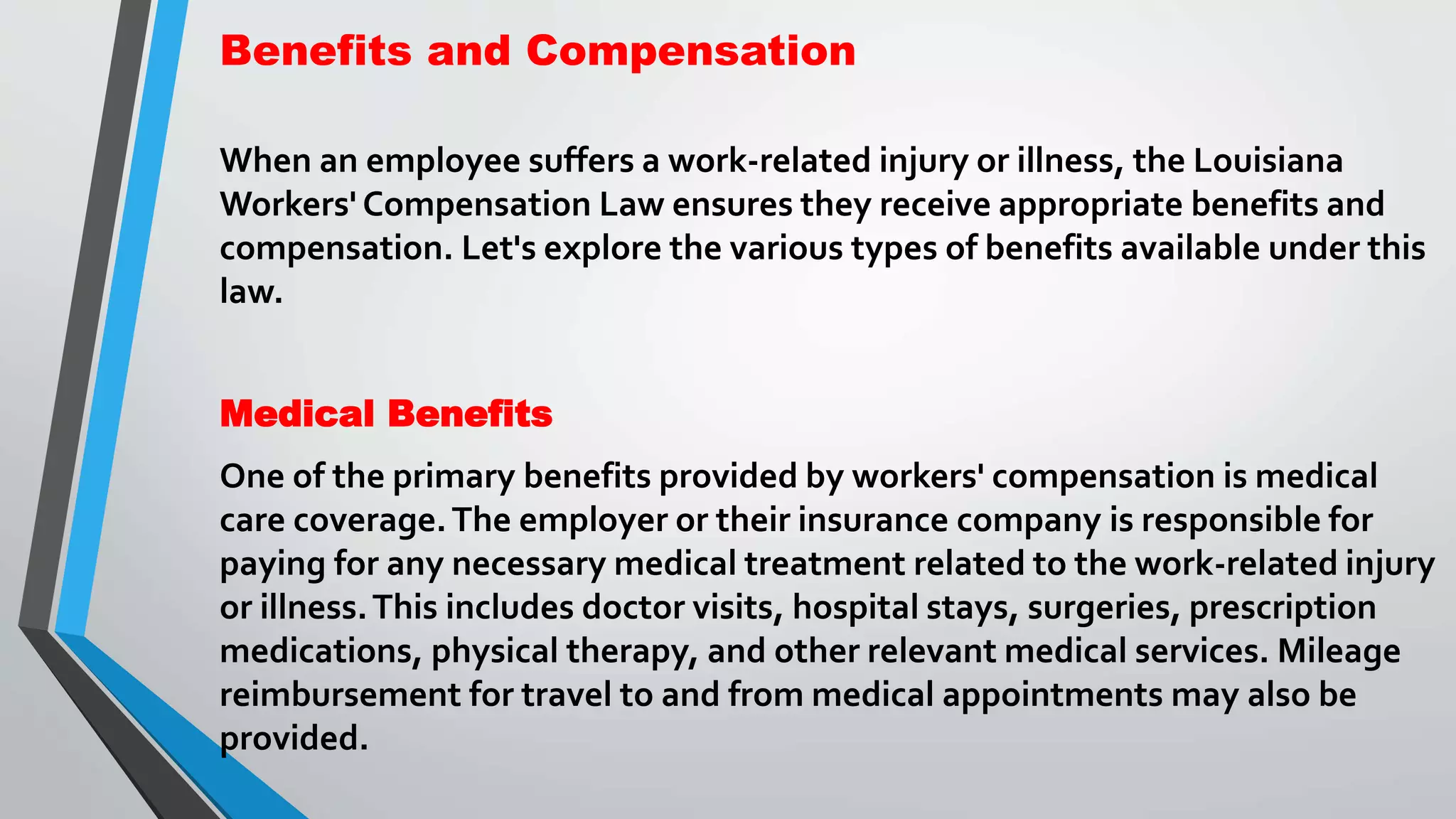
For most employers, the service consists of two primary components: indemnity benefits and medical benefits. Indemnity benefits replace a portion of lost wages if an injury prevents the employee from working for a period defined by state law. Medical benefits cover the cost of all reasonable and necessary medical treatments related to the injury, including surgery, physical therapy, prescription medication, and follow-up care.
Eligibility and Mandatory Participation
In almost every U.S. state, workers compensation is compulsory for employers. However, the definition of an "employer" and the threshold for coverage can differ. Some states require coverage the moment a business hires its first employee, while others provide exemptions for companies with fewer than three to five employees.
Independent contractors, freelancers, and sole proprietors are often not covered by standard workers compensation policies unless they specifically purchase a voluntary policy or elect to include themselves under their business coverage. Misclassifying employees as independent contractors to avoid insurance premiums is a significant legal risk. In 2026, regulatory agencies continue to use strict criteria—such as the amount of control an employer exerts over the worker's schedule and methods—to determine employment status.
The Claims Process: From Injury to Resolution
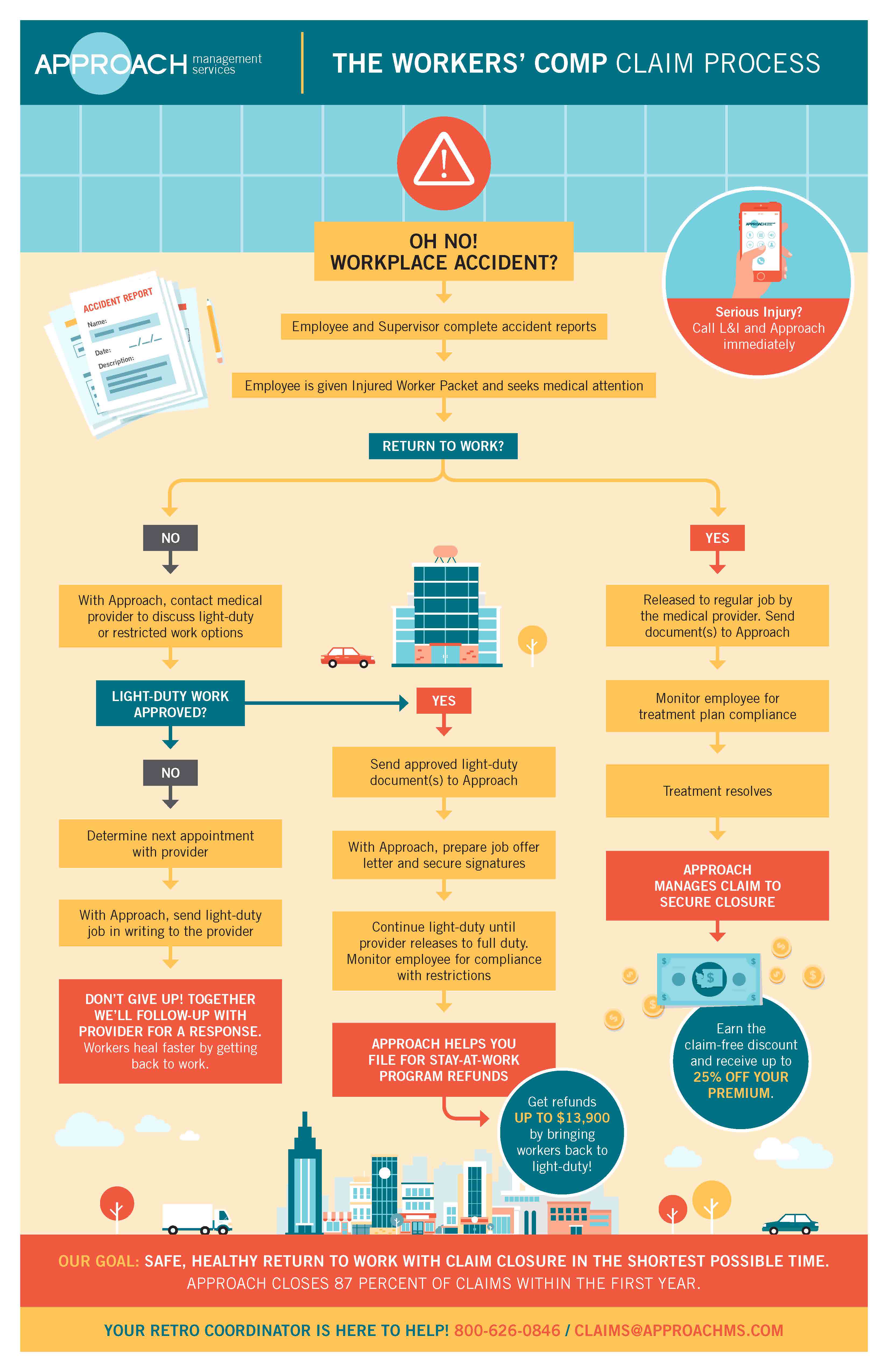
The effectiveness of workers compensation services hinges on the procedural compliance of both the employer and the injured worker. The process generally follows a standardized trajectory:
- Reporting: The employee must report the work-related injury or illness to their supervisor as soon as possible. Most states have strict notification deadlines, often ranging from 30 to 90 days.
- Medical Evaluation: The injured party must seek treatment from a healthcare provider. Some states allow employees to choose their own doctor, while others mandate that the employer or the insurance carrier select the medical provider.
- Filing the Claim: The employer must report the injury to their insurance carrier, which then submits the formal claim to the state’s workers compensation board or commission.
- Adjudication: The insurance carrier reviews the claim to determine if the injury is work-related and if the treatment is reasonable. If approved, the carrier pays the medical bills and initiates wage replacement.
- Dispute Resolution: If a claim is denied or the benefit amount is contested, the case moves into the state’s administrative hearing system. This may involve mediation or a trial before a workers compensation judge.
Comparing Insurance Carriers and Service Models
Employers generally secure coverage through private insurance carriers, state-run insurance funds, or, in the case of large corporations, self-insurance. Selecting the right service provider involves evaluating several operational metrics.
| Feature | Private Insurance | State Funds | Self-Insurance |
|---|---|---|---|
| Market | Commercial competitive | State-specific mandate | Large organizations |
| Cost Basis | Market rates/experience | Statutory premiums | Actual losses + admin |
| Risk Tolerance | Varies by carrier | Accepts high-risk employers | High; entity bears loss |
| Administration | Carrier-managed | Fund-managed | Self-administered or TPA |
Choosing an insurer is not merely about the annual premium. It involves assessing the quality of their claim management team, their history of prompt investigations, and their ability to facilitate "return-to-work" programs. A proactive insurer will help an employer identify workplace safety hazards before injuries occur, potentially lowering the Experience Modification Rate (EMR).
The Experience Modification Rate (EMR)
The EMR is a numerical representation of an employer’s workplace safety record compared to other companies in the same industry. An EMR of 1.00 is the industry average. An EMR below 1.00 indicates a safer-than-average workplace, which typically results in lower insurance premiums. Conversely, an EMR above 1.00 suggests a higher frequency or severity of claims, leading to higher premiums. This metric encourages companies to prioritize safety and loss-prevention services as a core part of their financial management.
Common Challenges and Troubleshooting
Even with comprehensive coverage, disputes can arise. One common issue is the "impairment rating," which determines the permanent disability benefits awarded once a worker reaches Maximum Medical Improvement (MMI). If the physician’s rating is lower than the worker’s recovery expectation, litigation often follows.
Troubleshooting delays in benefits usually starts with verifying the accuracy of the First Report of Injury (FROI). Incomplete documentation or errors in filing can stall payments for weeks. Maintaining an open line of communication between the human resources department, the employee, and the insurance claims adjuster is the most effective way to resolve discrepancies in real-time.
Frequently Asked Questions
1. Does workers compensation cover injuries that happen while working remotely? Yes, but the burden of proof is higher. Injuries must arise out of and in the course of employment. If a remote worker sustains an injury while performing a work-related task, it is generally covered. However, determining the boundary between personal activities and professional responsibilities in a home office can be complex and often requires legal scrutiny.
2. What happens if an employer does not carry workers compensation insurance? Operating without insurance is illegal in almost every jurisdiction. Employers who fail to maintain coverage face heavy fines, stop-work orders, and potential personal liability for all medical and wage costs if an employee is injured.
3. Can I be fired for filing a workers compensation claim? No. Retaliation against an employee for exercising their right to file a workers compensation claim is illegal under federal and state law. However, employment-at-will doctrines still apply; an employee can be terminated for legitimate business reasons unrelated to the injury.
4. How is the cost of my workers compensation insurance calculated? Premiums are calculated based on payroll size, the classification of job duties (which carry different risk profiles), the employer’s EMR, and state-specific assessment fees. High-risk jobs like construction carry higher premiums than administrative office work.
5. Are benefits taxable? Generally, workers compensation benefits are not subject to federal or state income tax. This makes them a critical financial lifeline for injured employees unable to draw a regular salary.
Recommendations for Employers
To minimize liability and manage costs effectively, employers should adopt a proactive safety culture. Establish clear protocols for reporting injuries immediately and partner with insurers that offer robust "return-to-work" programs. By finding light-duty roles for injured employees, businesses can minimize lost-time costs and aid the employee’s recovery process. If you are an employer, conduct an annual audit of your classification codes to ensure you are not overpaying based on inaccurate industry categorization.
Disclaimer: This information is for educational purposes and does not constitute legal or financial advice. Workers compensation laws are subject to frequent jurisdictional changes. Consult with a licensed insurance broker or legal counsel to determine the specific requirements for your business location.
Image Gallery