Understanding the Price of an 8kw Solar Panel Installation in 2026
The price of an 8kw solar panel installation in 2026 typically ranges between $16,000 and $24,000 before federal tax incentives, depending on equipment quality, roof complexity, and local labor costs. This system size is generally suff...
The price of an 8kw solar panel installation in 2026 typically ranges between $16,000 and $24,000 before federal tax incentives, depending on equipment quality, roof complexity, and local labor costs. This system size is generally sufficient to offset the electricity consumption of an average-sized home in the United States, providing a balance between upfront investment and long-term energy savings.
Contents
Determining the Cost Components of a Solar Project
When analyzing the price of an 8kw solar panel installation, it is essential to look beyond the cost of the hardware. The total "turnkey" price—the final amount you pay to have the system fully operational—includes several distinct categories. Understanding these components helps in evaluating quotes from different installers.
Hardware and Equipment
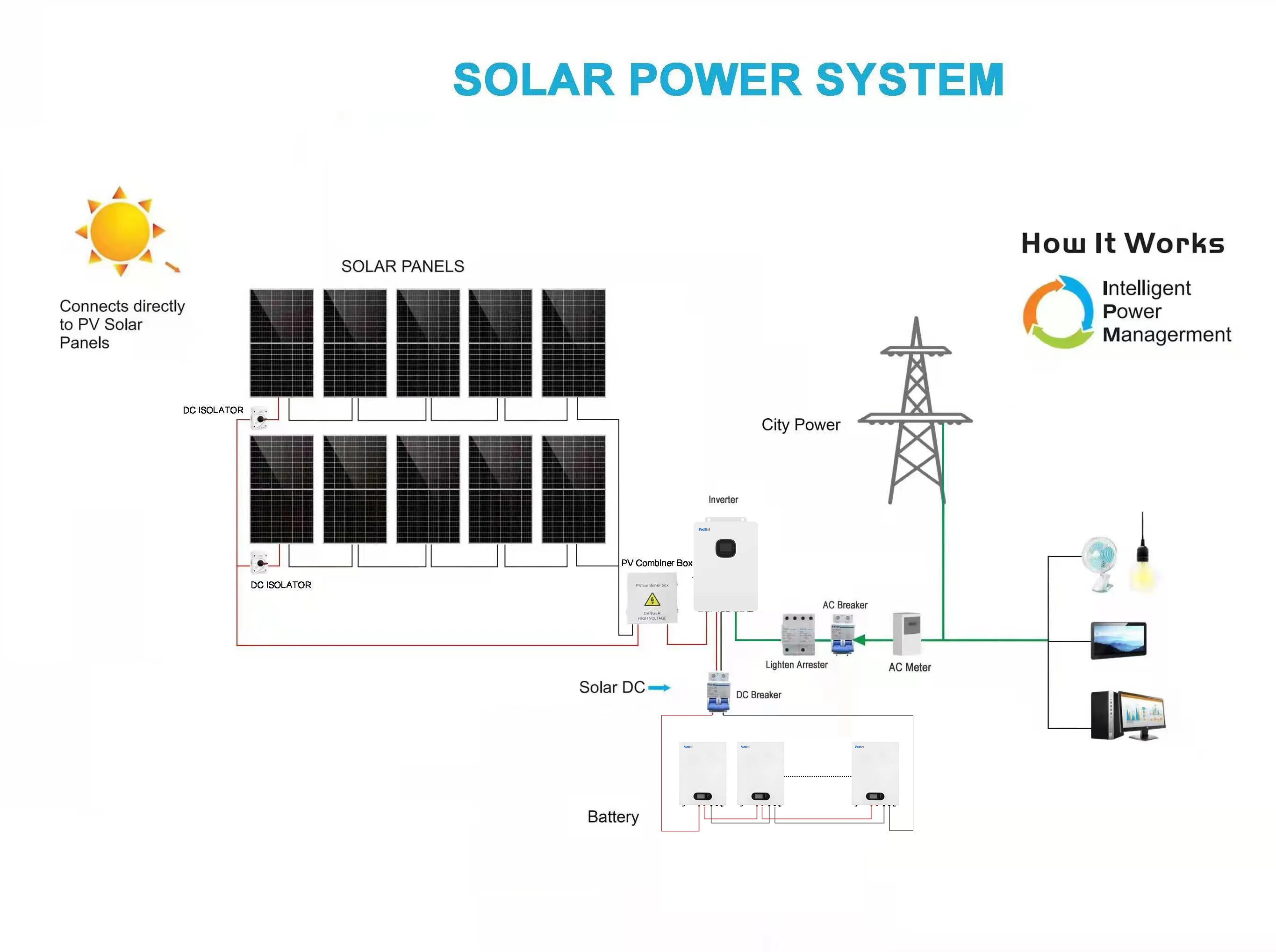
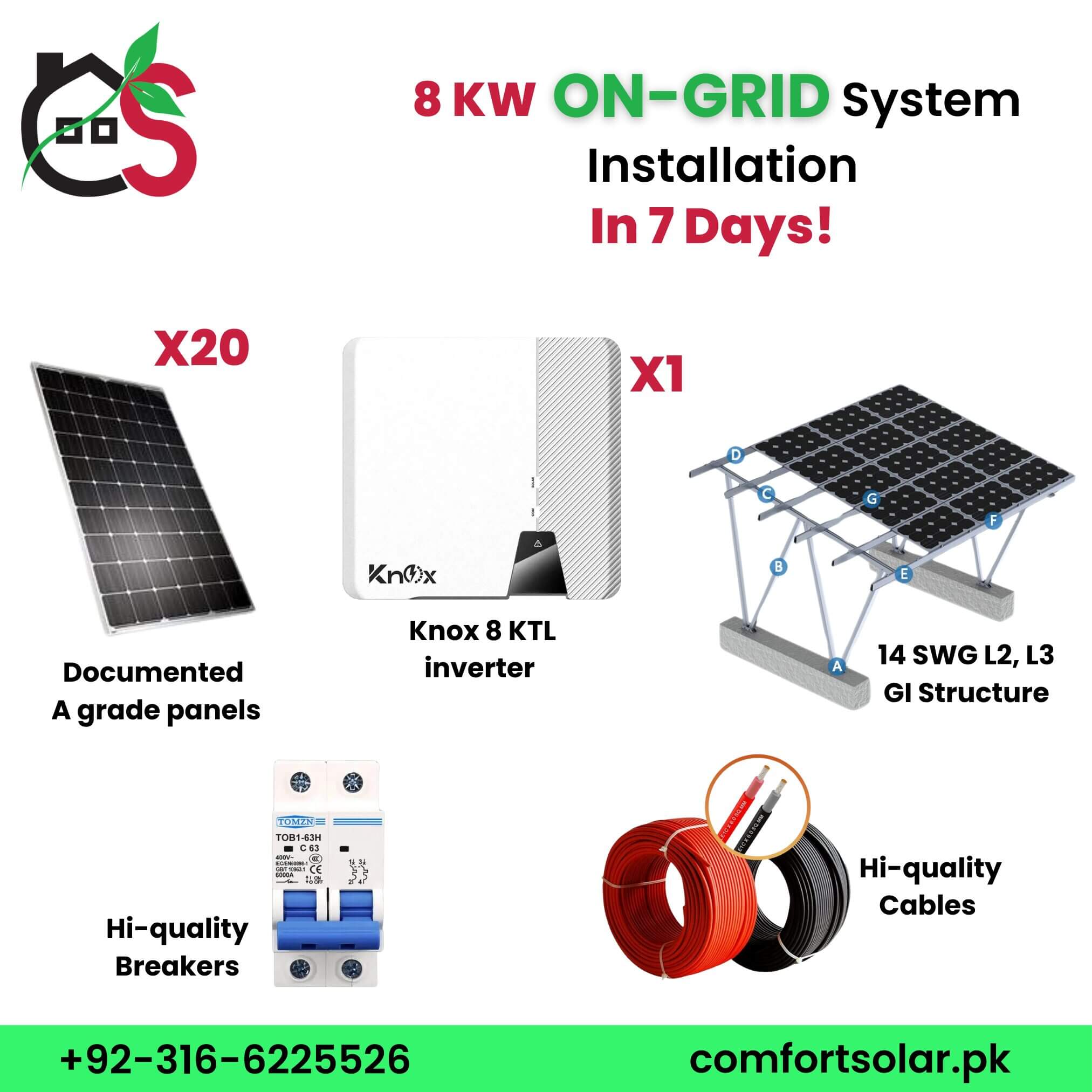
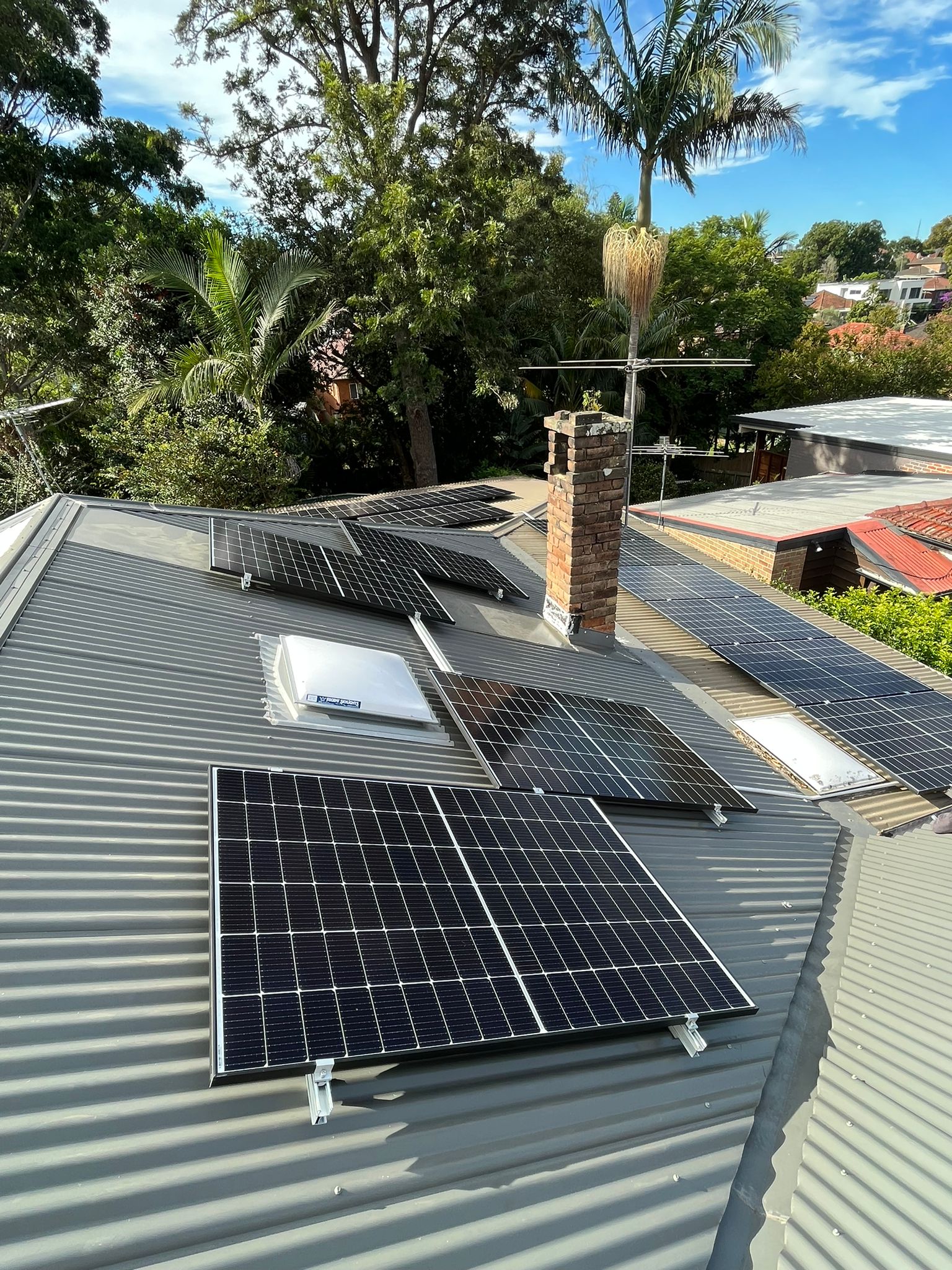
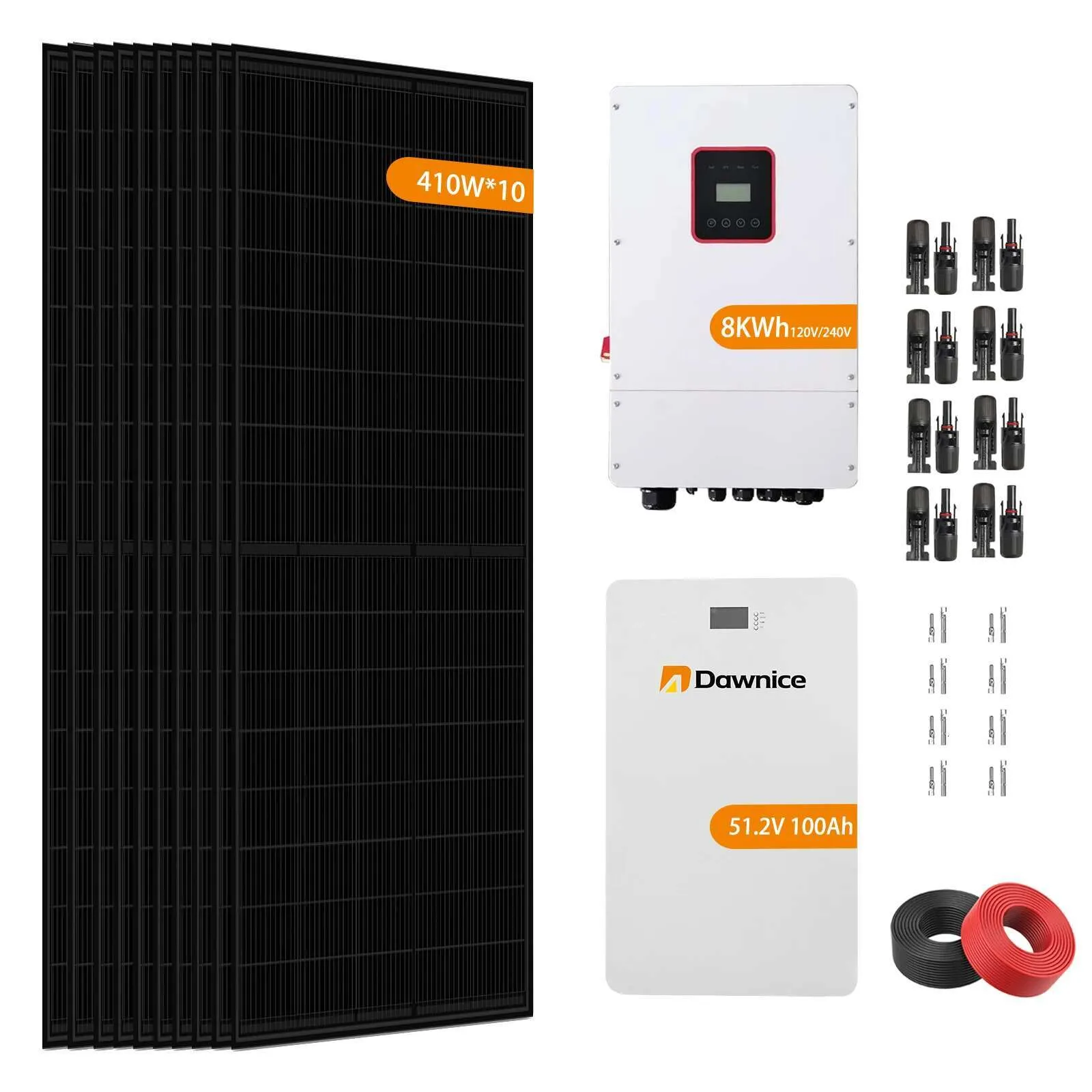
The solar panels themselves often account for only 30% to 40% of the total project cost. The remaining hardware includes the inverter, which converts direct current (DC) to alternating current (AC) for household use, and the racking system, which secures the panels to your roof. In 2026, many homeowners are opting for microinverters or power optimizers, which improve performance by managing each panel individually. These systems command a higher price than traditional string inverters but provide better monitoring and production reliability, especially in partially shaded environments.
Soft Costs
Soft costs represent a significant portion of the total investment. These include permitting fees, design and engineering hours, inspection costs, and the administrative labor required to navigate local utility interconnection agreements. Because these costs are often fixed regardless of system size, they can represent a higher percentage of the total for smaller systems, though an 8kw system usually strikes a favorable balance between scale and administrative overhead.
Labor and Installation
Installation labor is influenced by roof accessibility, mounting surface materials (e.g., asphalt shingles vs. standing seam metal), and the complexity of the electrical grid tie-in. Homes with multiple roof planes, steep pitches, or aging electrical panels that require an upgrade before solar integration will naturally see higher labor quotes.
Financial Incentives and Tax Credits
The stated price of a solar installation is rarely the final cost to the homeowner. In the United States, the federal Investment Tax Credit (ITC) remains a primary driver of affordability. As of 2026, taxpayers may be eligible to claim a credit against their federal income tax for a percentage of the total installed cost. It is critical to note that the ITC is a tax credit—not a deduction—meaning it reduces your tax liability dollar-for-dollar.
State-level incentives, such as performance-based incentives (PBIs) or local property tax exemptions, further reduce the net cost. Because these programs vary significantly by jurisdiction, homeowners must verify their eligibility through their local municipal energy office or public utility commission. Always consult with a tax professional to determine how these credits apply to your specific financial situation, as tax laws can change and individual circumstances vary.
Comparing System Costs and Value
The following table provides a general framework for estimating costs based on the standard 8kw system size. Prices are estimates based on national averages and do not include specific regional surcharges or specialized equipment.
| Component Category | Estimated Cost Range (8kw System) |
|---|---|
| Solar Modules (Panels) | $6,400 – $9,600 |
| Inverters & Optimizers | $2,000 – $3,500 |
| Racking & Wiring | $1,500 – $2,500 |
| Labor & Permitting | $4,000 – $6,000 |
| Contingency & Miscellaneous | $2,100 – $2,400 |
| Estimated Total Gross Price | $16,000 – $24,000 |
Note: These figures reflect market averages for 2026 and are intended for general planning purposes only. Quotes will vary by vendor and geographic location.
Strategic Considerations for Homeowners
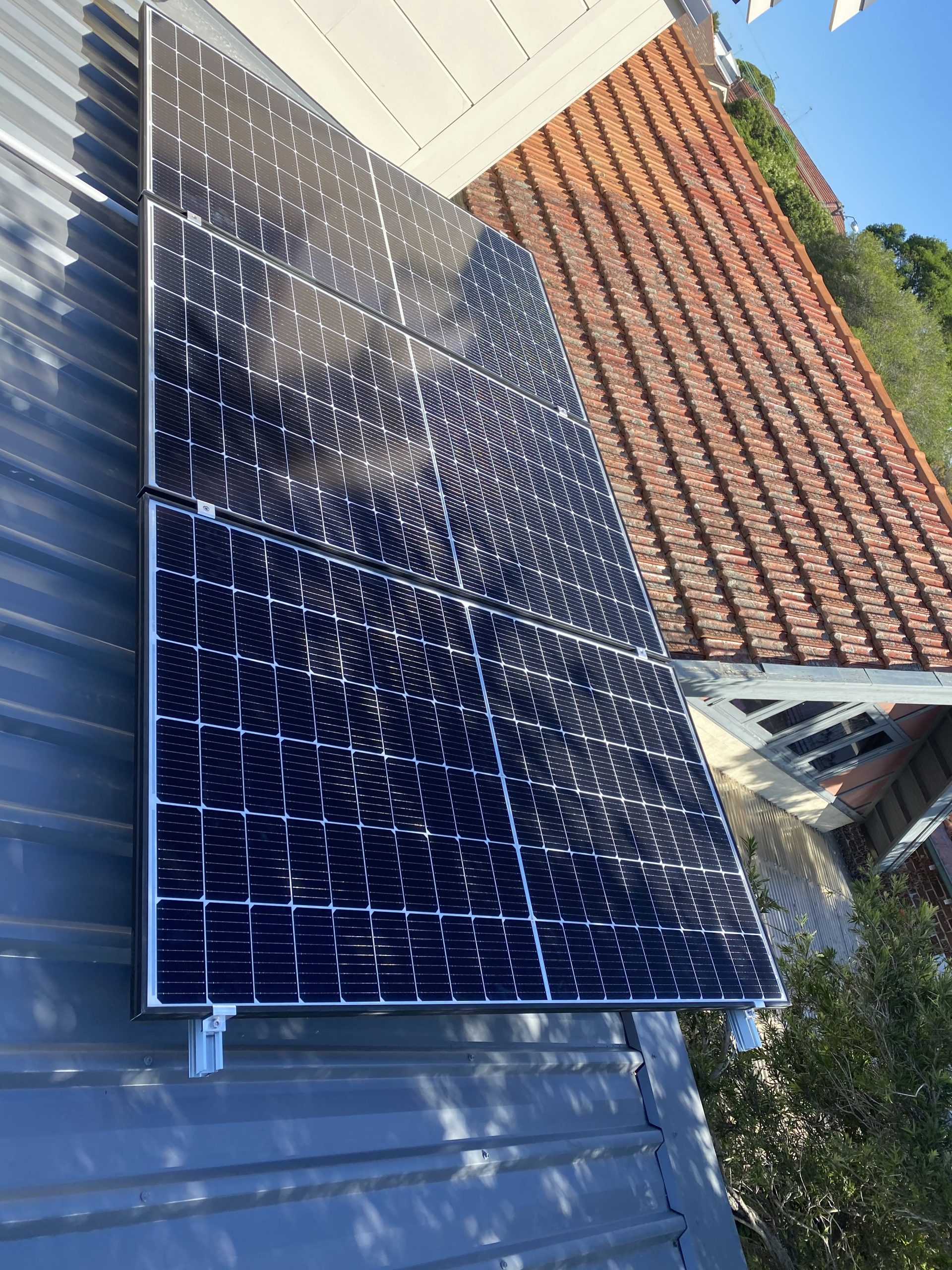
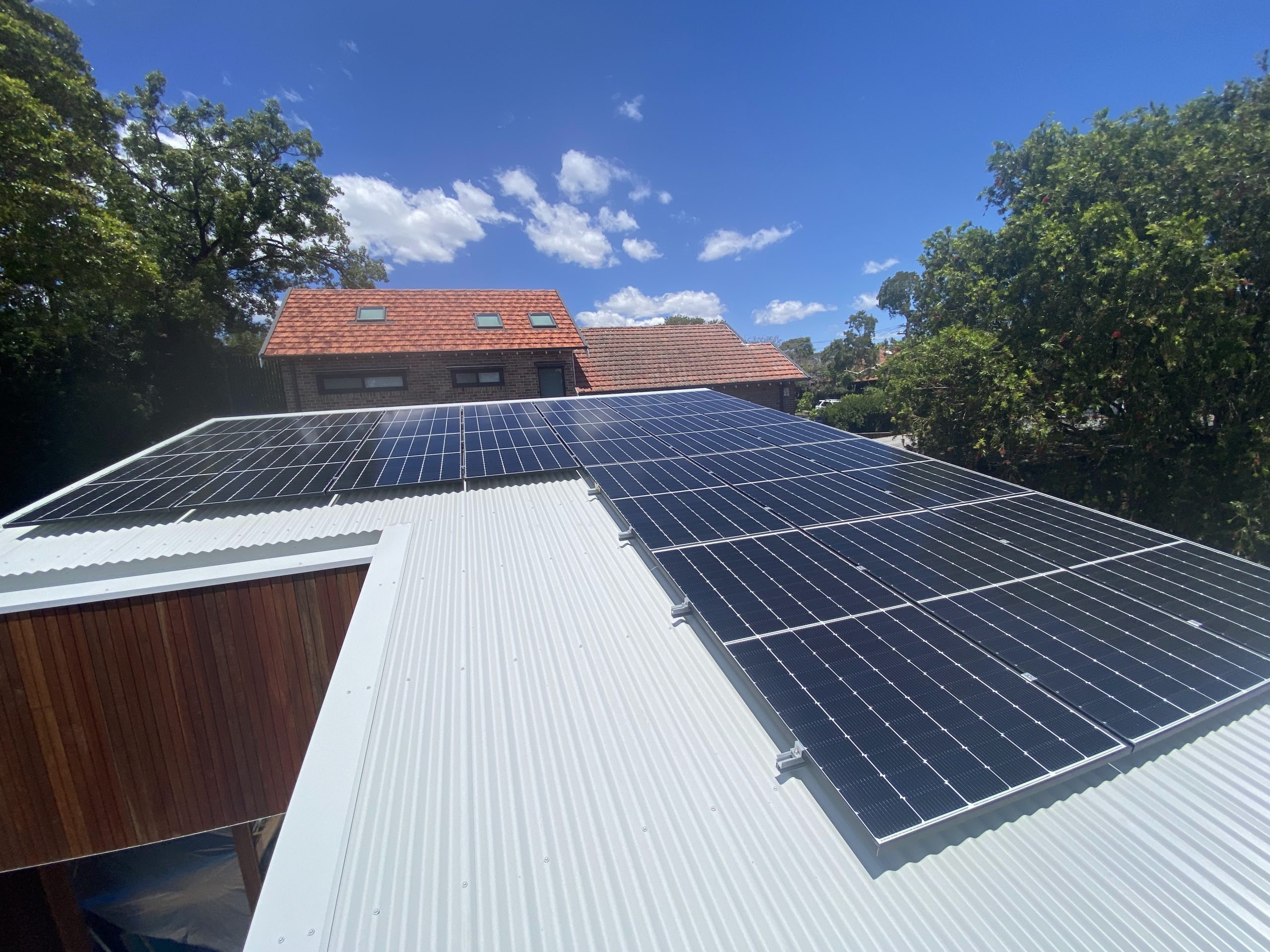
Before finalizing a contract, homeowners should perform a thorough site assessment. An 8kw system requires approximately 320 to 400 square feet of unobstructed roof space, assuming modern high-efficiency panels. If your roof is older, it may be prudent to replace the shingles before installing the solar array, as the cost of removing and reinstalling panels later can be prohibitive.
Furthermore, ensure that your installer provides an accurate production estimate. An 8kw system installed in a high-sunlight region, such as the American Southwest, will generate significantly more electricity than an identical system in a region with high cloud cover or shorter winter days. Use independent tools like the PVWatts Calculator provided by the National Renewable Energy Laboratory to verify the expected production estimates provided by your installer.
Common Pitfalls and Troubleshooting
A common mistake during the procurement phase is focusing solely on the lowest price per watt. Extremely low quotes may indicate the use of lower-tier hardware, limited warranties, or installers who lack proper certification. Conversely, "premium" systems may offer aesthetic benefits or slight efficiency gains that do not always result in a faster return on investment.
If your installation is delayed, verify if the bottleneck is at the utility level (interconnection approval) or the municipal level (permit processing). Experienced installers should manage these timelines, but proactive communication with your local permitting office can often shed light on bureaucratic delays. If your system is operational but not meeting production goals, check your monitoring software for error codes or shaded panels. Routine maintenance, such as cleaning, is typically minimal, but bird-proofing or regular visual inspections can prevent minor issues from impacting system performance.
Frequently Asked Questions
How long does an 8kw solar panel system take to install? Once permits are approved, the physical installation on the roof typically takes 1 to 3 days. However, the entire process—from the initial consultation to final utility approval—can take 2 to 4 months depending on local utility response times and building department backlogs.
Will an 8kw system completely eliminate my electricity bill? It depends on your energy consumption habits and local net metering policies. While an 8kw system is designed to provide substantial offset, it may not cover 100% of the energy needs of a high-consumption household or an all-electric home with heavy HVAC use.
Is energy storage (batteries) included in the price? No. Residential energy storage systems are almost always priced as an add-on. Adding a battery backup system can increase your total project cost by $8,000 to $15,000, depending on the storage capacity and brand selected.
Do I need a new roof before installing solar? If your roof is within 5 years of its end-of-life expectancy, it is strongly recommended to replace the roof before installing solar panels. Solar systems are designed to last 25 years or more, and removing panels to repair a roof later is a costly endeavor.
How do I verify a solar installer’s credibility? Check for North American Board of Certified Energy Practitioners (NABCEP) certification and verify the installer’s standing with your state’s contractor license board. Always ask for recent local references or a portfolio of work in your specific municipality.
Next Steps
Start your journey by gathering at least three separate quotes from reputable, licensed installers in your area. Compare the price per watt, the expected annual production (measured in kilowatt-hours), and the specific equipment warranties offered. By taking the time to vet the financial, technical, and contractual details, you ensure that your solar investment is both secure and effective for the decades to come.
Image Gallery