Why the Best Disney Live Action Films Favor Families
Disney’s live-action adaptations and original family-oriented features maintain their dominance by centering the multi-generational viewing experience. By balancing nostalgia for adult viewers with accessible, high-spectacle storytelli...
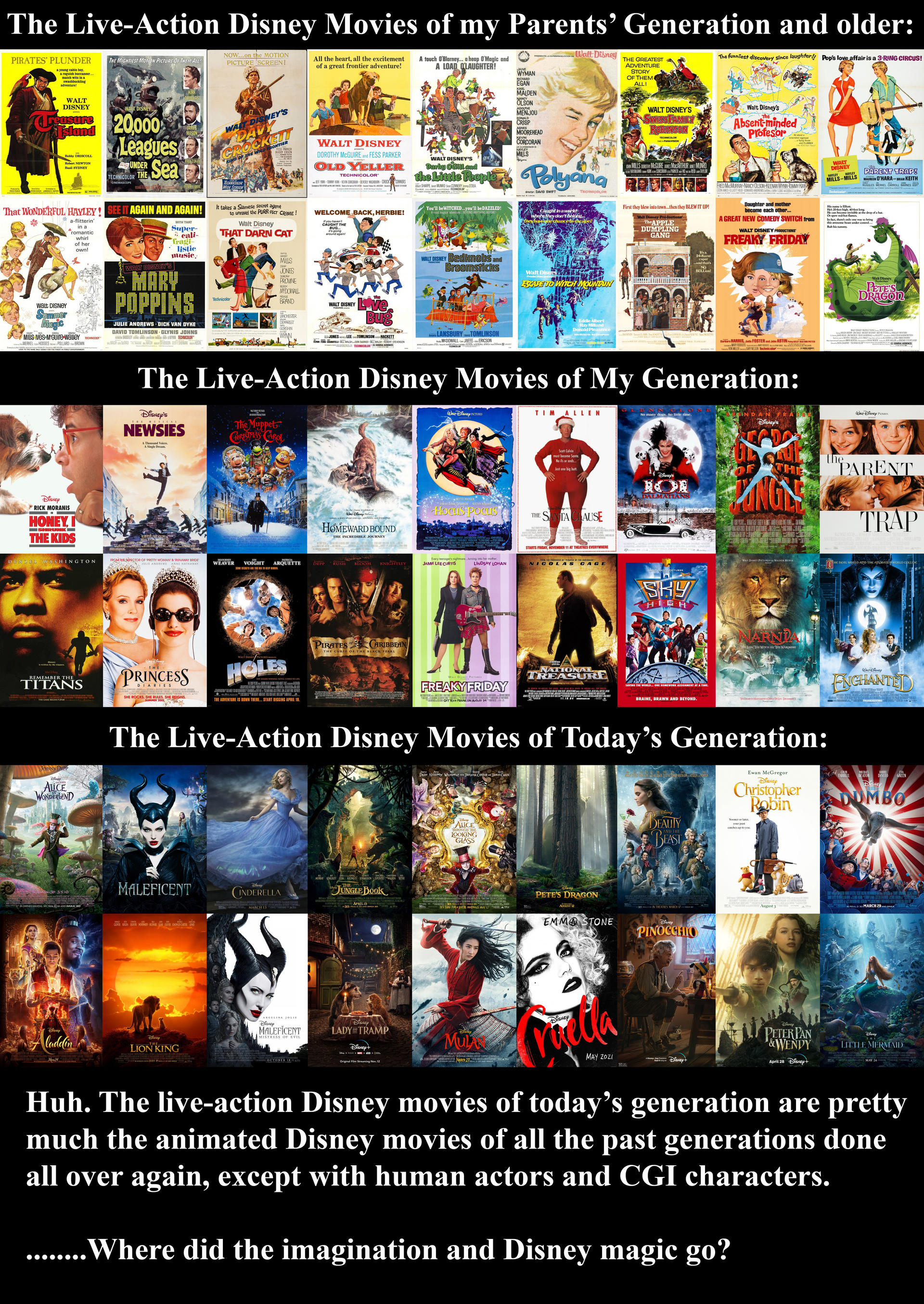
Disney’s live-action adaptations and original family-oriented features maintain their dominance by centering the multi-generational viewing experience. By balancing nostalgia for adult viewers with accessible, high-spectacle storytelling for younger audiences, these films serve as a social anchor for households, ensuring long-term commercial viability and cultural relevance for the studio.
Contents
The Strategy of Multi-Generational Appeal
The core of Disney’s film strategy revolves around the concept of the "four-quadrant" movie. This industry term refers to a film that attracts all four primary demographic segments: males and females, both under and over the age of 25. By creating narratives that cater to family units, Disney minimizes the risk of box-office failure while maximizing home-media engagement and merchandise potential.
When a studio produces a film specifically tailored for families, it essentially creates a collective event. Unlike genre-specific films—such as R-rated horror or complex political dramas—these live-action projects provide a safe, shared environment for parents and children. This inclusivity is not merely a creative choice but a structural requirement for Disney’s business model, which relies heavily on the "Disney ecosystem"—a web of theme parks, streaming services, and consumer products that thrive when the entire family identifies as a fan.
Narrative Architecture for Diverse Ages
Effective live-action Disney films utilize a dual-layered storytelling technique. For the younger viewer, the narrative often prioritizes visual wonder, clear moral progression, and slapstick or physical comedy. These elements keep children engaged during the film’s runtime and provide clear, digestible takeaways regarding friendship, courage, and family loyalty.
For the adults in the audience, these films frequently embed sophisticated themes, high-production values, and references to previous iterations of the story. For example, a reimagining of a classic animated tale often features updated character motivations that reflect modern psychological understanding, offering depth that the original version may have lacked. This layer of complexity satisfies the older audience, transforming what could be a "child’s movie" into a viewing experience that warrants repeated interest from parents.
Elements of Family-Centric Success
To understand why these films succeed, one must look at the recurring technical and creative pillars:
- Pacing and Runtime: Most successful family films operate within a 100 to 120-minute window. This accommodates the average attention span of a broad audience without exhausting younger viewers or boring adults.
- Technological Spectacle: Disney’s reliance on advanced visual effects (VFX) creates a sense of "event cinema." When the budget is high and the spectacle is immersive, families are more inclined to view the film in a theater setting, which is a major revenue driver.
- Moral Universality: The central conflicts are almost always rooted in universal human experiences: the transition from adolescence to adulthood, the importance of legacy, or the struggle to protect the ones we love. These themes are ageless, ensuring that the film remains relevant regardless of the decade.
Comparison of Audience Engagement Strategies
| Strategy Element | Youth Audience Focus | Adult Audience Focus | Combined Effect |
|---|---|---|---|
| Visual Style | High contrast, bright colors | Cinematic realism, depth | Broad visual appeal |
| Humor | Slapstick, physical gags | Witty dialogue, subtext | Balanced levity |
| Themes | Friendship, discovery | Responsibility, nostalgia | Cohesive emotional core |
| Viewing Habit | Repeat viewing (streaming) | Initial theater attendance | Sustained brand loyalty |
The Role of Nostalgia in Modern Production
In the current entertainment landscape, nostalgia functions as a bridge between generations. When parents who grew up with the original animated versions of stories take their own children to see a live-action adaptation, they are facilitating a cultural hand-off. The live-action format allows Disney to re-package these stories in a way that feels contemporary while retaining the emotional resonance of the source material.
This strategy effectively minimizes the "newness" risk. By choosing intellectual property that already has a established legacy, the studio lowers the barrier to entry for parents. The familiarity of the story makes it a safe, predictable choice for a family outing, which is a significant factor in a world saturated with media options.
Practical Considerations for Families
For families planning their next movie night, understanding the "live-action" landscape is essential for managing expectations. Not all Disney live-action projects are designed for the same age group. While some are categorized as "G" or "PG," others touch upon darker themes that may require parental guidance.
Steps to Evaluate Suitability
- Check Maturity Ratings: Utilize the official MPA (Motion Picture Association) guidelines to assess if the film contains themes of loss or complex moral dilemmas that might be too intense for younger children.
- Verify Source Material: If the film is based on a classic, determine if the original source was a fairy tale or an animated classic. The tone of the source material often dictates the level of intensity in the live-action version.
- Assess Secondary Content: Many of these films are supplemented by "making-of" documentaries or behind-the-scenes content on streaming platforms, which can extend the value of the film for older children interested in the technical aspects of filmmaking.
Frequently Asked Questions
Why do live-action films often feel different from their animated counterparts? Live-action requires a shift in performance style and pacing. Because characters are played by humans rather than drawn, there is an inherent move toward "grounding" the story in realistic emotional responses, which often makes the stakes feel higher to the audience.
Is it necessary to have seen the original animated film to enjoy the live-action version? No. These films are engineered to stand alone. While having prior knowledge of the story provides an added layer of nostalgia, the writing is structured to ensure that newcomers can follow the plot and character arcs without needing previous context.
How does Disney choose which films to adapt into live-action? The studio typically selects properties with high "brand equity"—stories that have proven their longevity over decades. They look for narratives that can be visually expanded through modern technology, allowing them to create a new "definitive" version for a new generation.
Are there specific age groups that Disney prioritizes in these films? While the target is broad, the "sweet spot" is usually the 6-to-12 age bracket for children, accompanied by parents in the 30-to-45 age range. This ensures that the primary consumers and the gatekeepers (parents) are both satisfied.
How can parents determine if a film is too scary for young children? Look for the specific descriptor provided alongside the rating. If a film is rated PG for "thematic elements" or "scary images," it is advisable to read a brief synopsis or a parental guide before viewing to ensure the intensity aligns with the child's developmental stage.
Recommendation for Future Viewing
When selecting your next live-action feature, prioritize films that align with the interests of your oldest child, as these often contain the most complex thematic layers. By reviewing the content descriptors beforehand and opting for films that have a clear, optimistic resolution, you can guarantee a shared, positive experience that aligns with the traditional strengths of the Disney catalog.
Image Gallery