What Did Kodak Do? The Rise, Fall, and Legacy of a Photography Pioneer
Eastman Kodak revolutionized photography by making cameras accessible to the masses through roll film and box cameras, dominated the global photographic market for nearly a century, and famously filed for Chapter 11 bankruptcy in 2012...
Eastman Kodak revolutionized photography by making cameras accessible to the masses through roll film and box cameras, dominated the global photographic market for nearly a century, and famously filed for Chapter 11 bankruptcy in 2012 after failing to successfully transition to the digital photography era that its own engineers helped invent.
Contents
The Foundation of Mass Photography
To understand what Kodak did, one must look back to the late 19th century when photography was a cumbersome, highly technical process restricted to professional chemists and specialized technicians. Practitioners had to coat their own glass plates with wet emulsions immediately before exposure and develop them on the spot.
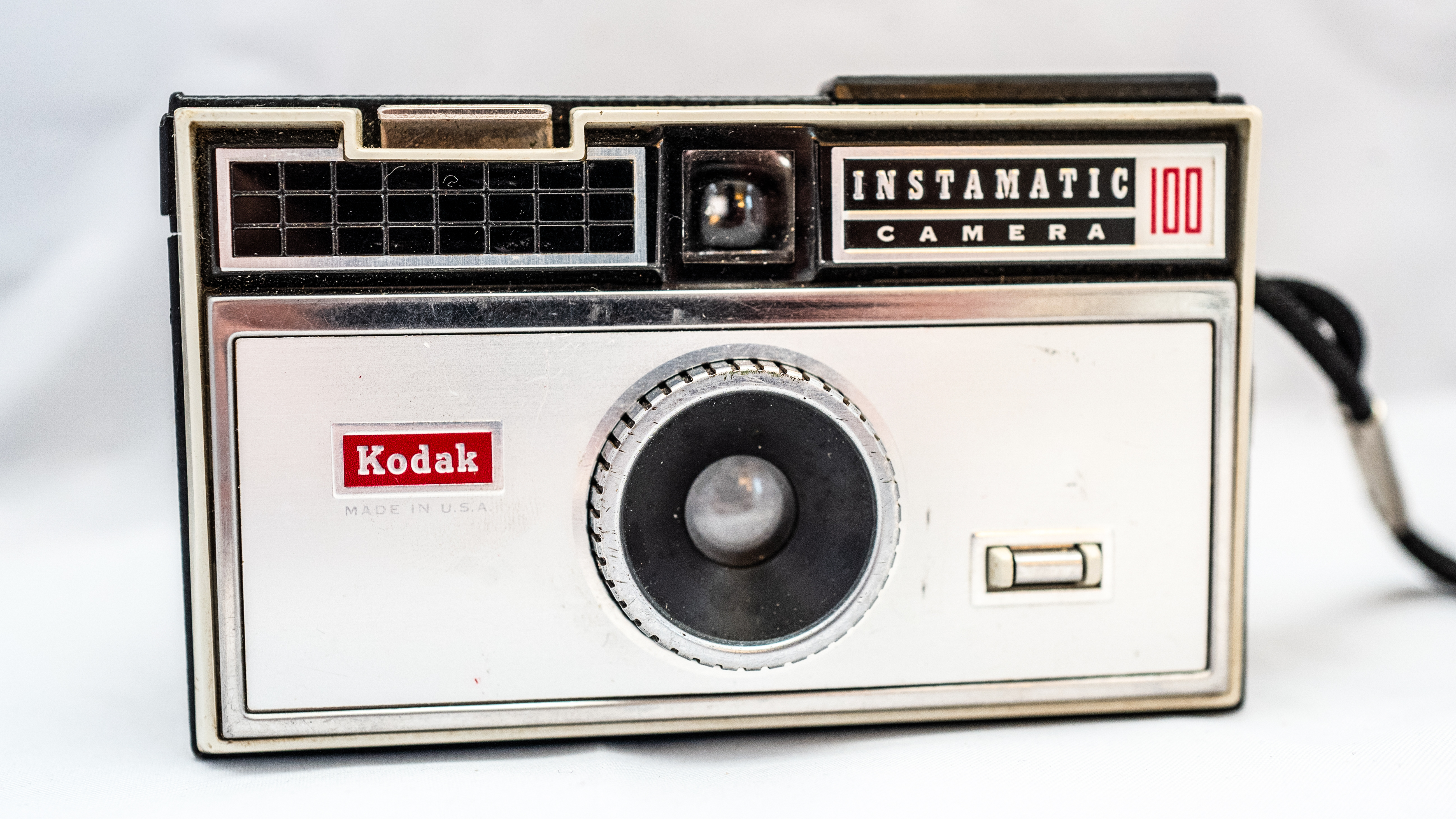
In 1888, George Eastman founded Eastman Kodak in Rochester, New York, with a revolutionary vision: to make photography as convenient as pencil and paper. The introduction of the original Kodak camera—a self-contained box containing a 100-exposure roll of flexible nitrocellulose film—changed the medium forever.
The "You Press the Button, We Do the Rest" Business Model
Kodak’s core innovation was not merely technological; it was an integrated business model. Customers purchased a loaded camera, took 100 pictures, and mailed the entire device back to the factory in Rochester. For a modest fee, the factory processed the film, made prints, reloaded the camera with fresh film, and mailed everything back to the customer along with the negatives.
This service-oriented ecosystem removed all technical barriers to entry. By eliminating darkroom requirements for the end user, Kodak created the consumer snapshot market.
- Accessibility: Simplified camera design required no manual focus or complicated shutter settings for early consumer models.
- Vertical Integration: Kodak manufactured its own film bases, chemicals, paper, and hardware, controlling the entire supply chain.
- Brand Identity: The yellow box, the Kodak girl, and catchy advertising slogans cemented the brand in global consumer culture.
Market Dominance Throughout the 20th Century
Throughout the 20th century, Kodak expanded from consumer snapshots into motion picture film, industrial x-ray film, graphic arts, and specialized scientific imaging. During both World Wars, the company manufactured precision ordnance, aerial reconnaissance film, and components for the Manhattan Project.
By the late 20th century, Kodak was a dominant blue-chip corporation, employing over 140,000 workers globally at its peak. Its financial engine was exceptionally lucrative, built on a classic "razor-and-blades" model. Cameras were sold at modest margins or near cost, while high-volume film and chemical processing generated massive, recurring profit margins.
Key Milestones in Kodak's Historical Trajectory
| Year | Milestone | Significance |
|---|---|---|
| 1888 | Introduction of the Kodak Camera | Launched consumer roll-film photography. |
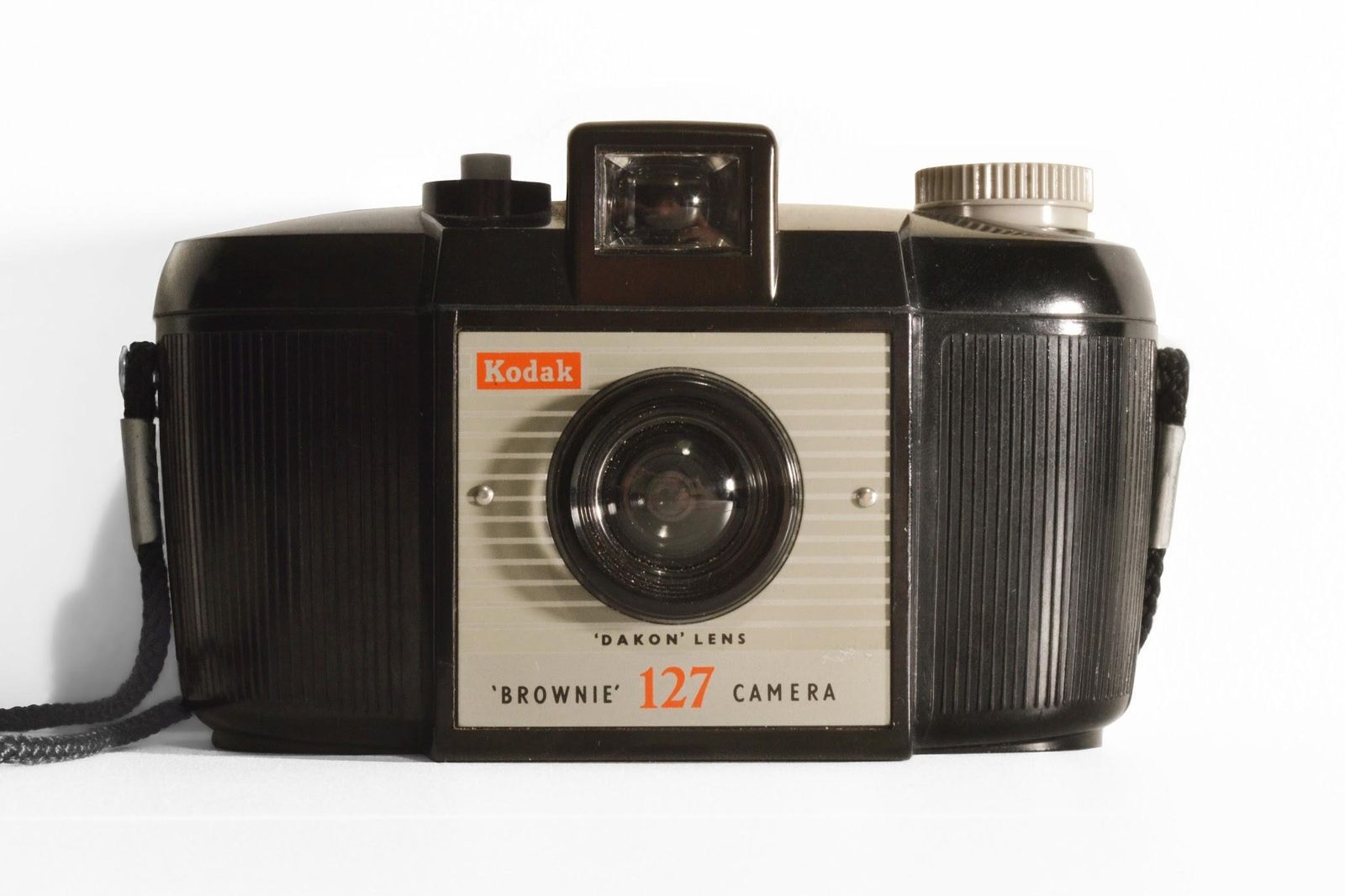
| 1900 | Release of the Brownie Camera | Priced at $1, making photography affordable for children and families. |
| 1935 | Introduction of Kodachrome Film | Pioneered modern color transparency film for movies and slides. |
| 1975 | Invention of the First Digital Camera | Engineer Steven Sasson built the first working digital camera using a charge-coupled device (CCD). |
| 2012 | Chapter 11 Bankruptcy Filing | Culmination of a delayed transition to digital imaging and heavy debt loads. |
The Digital Paradox: Inventing and Missing the Future
One of the most widely studied corporate ironies in business history is that Kodak invented the very technology that ultimately disrupted its core business. In 1975, Kodak engineer Steven Sasson invented the first digital camera. Weighing eight pounds and recording black-and-white images onto a cassette tape at a resolution of 0.01 megapixels, the prototype proved that electronic sensors could capture images without silver halide film.
Rather than aggressively commercializing the invention, corporate leadership hesitated. Executives feared that digital photography would cannibalize the immensely profitable film and chemical processing market. They viewed the prototype as a novelty that lacked the resolution and archival permanence of traditional film.
Strategic Hesitation and Market Shifts
By the 1990s and 2000s, competitors from Japan, South Korea, and eventually consumer electronics giants began flooding the market with affordable, high-resolution digital cameras and smartphones. While Kodak did invest billions in digital research and eventually became a top seller of digital cameras in the United States during the early 2000s, the hardware margins were razor-thin compared to legacy film.
- The Profit Margin Trap: Digital cameras lacked the ongoing consumables revenue stream of film rolls and chemical development.
- Late Diversification: Attempts to pivot into digital printing kiosks and medical imaging failed to offset the rapid decline of film sales.
- Debt and Pensions: Facing soaring legacy pension and healthcare obligations for its massive retired workforce, Kodak accumulated unsustainable debt burdens.
Bankruptcy, Restructuring, and Modern Operations
On January 19, 2012, Eastman Kodak filed for Chapter 11 bankruptcy protection. To survive, the company underwent a drastic corporate restructuring. It shed massive manufacturing facilities, sold off significant patent portfolios, and exited the consumer digital camera and inkjet printer businesses.
Kodak emerged from bankruptcy in September 2013 as a much smaller, business-to-business enterprise. Modern Kodak focuses primarily on commercial printing, advanced materials, functional printing, and specialized chemical manufacturing. It continues to supply traditional black-and-white and color motion picture film to Hollywood studios and analog photography enthusiasts worldwide.
Frequently Asked Questions
Did Kodak really invent the digital camera?
Yes. Kodak engineer Steven Sasson invented the first self-contained digital electronic camera in 1975. However, management shelved the consumer implications of the invention for decades to protect their highly profitable photographic film business.
Why did Kodak go bankrupt?
Kodak filed for bankruptcy in 2012 because it was too slow to transition its business model away from traditional film toward digital photography. This delay, combined with heavy debt, declining film revenues, and massive legacy pension liabilities, overwhelmed its finances.
Does Kodak still make film today?
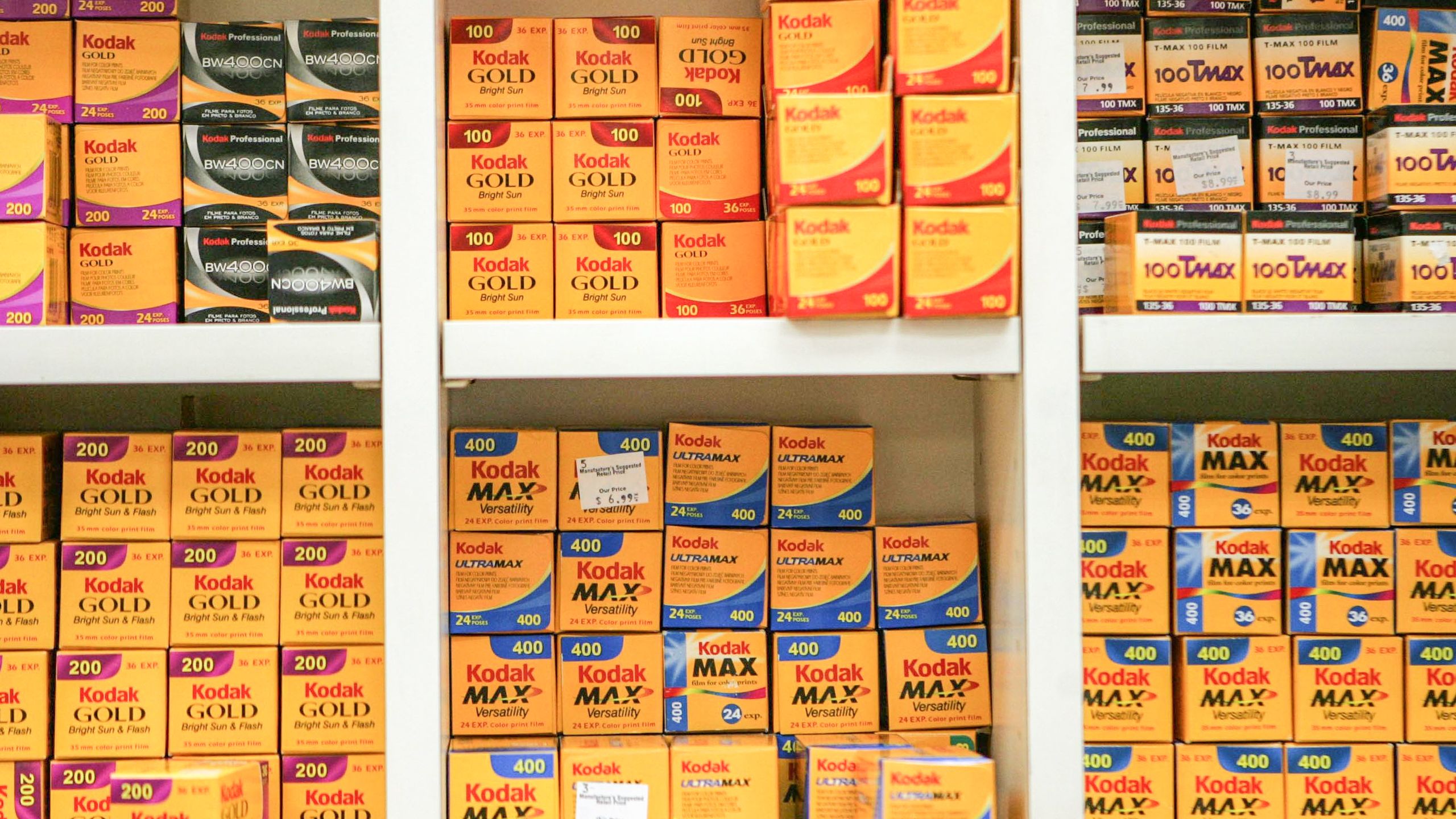
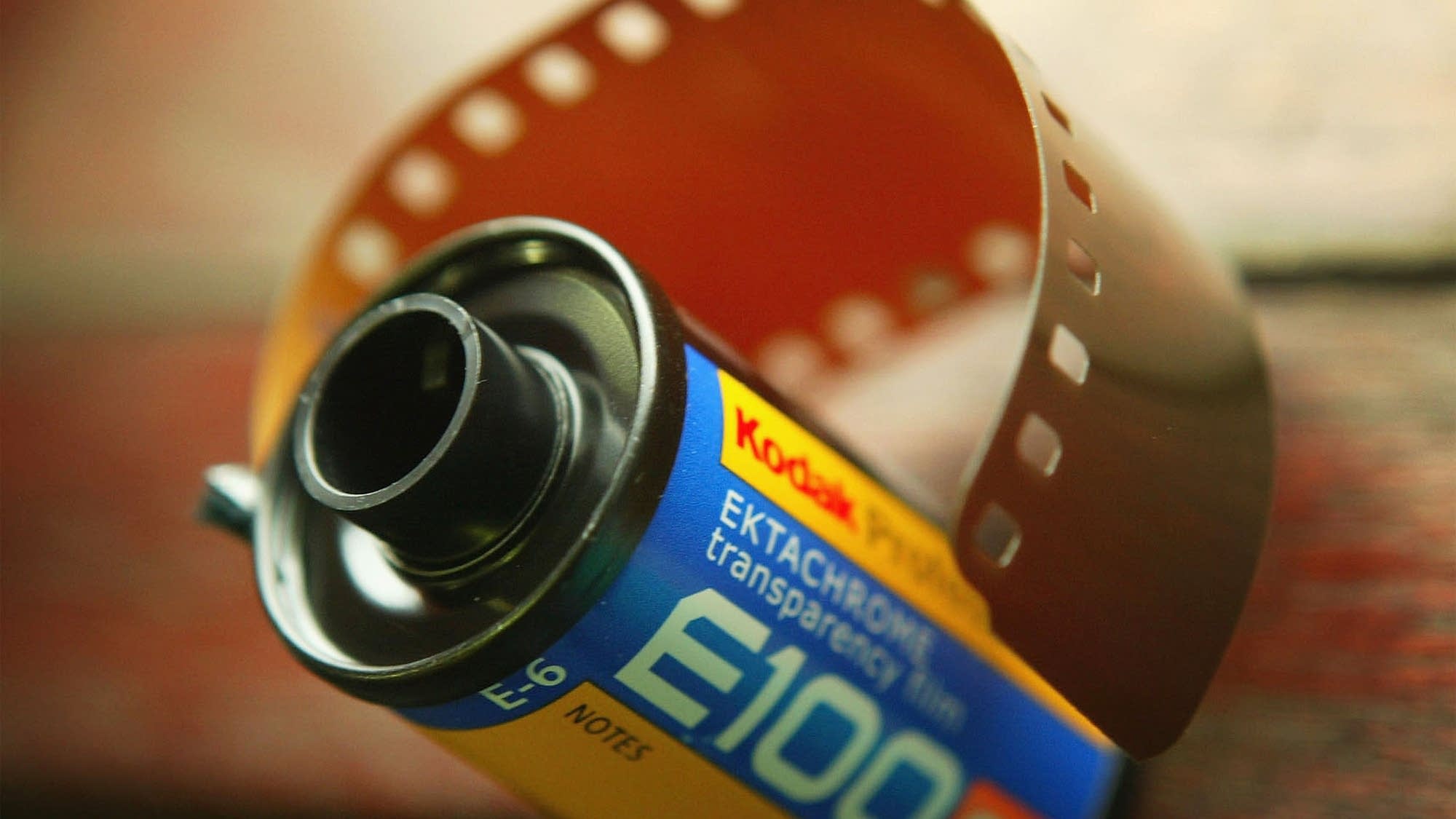
Yes. Although Kodak spun off its consumer photo business (Kodak Alaris) and restructured, Eastman Kodak Company continues to manufacture Super 8, 16mm, and 35mm motion picture film, as well as professional still photography film lines like Portra and Tri-X.
What is Kodak's main business focus today?
Today, Kodak operates primarily as a technology company serving commercial print, packaging, publishing, and manufacturing industries, alongside its traditional film operations.
How many people did Kodak employ at its peak?
At its mid-20th-century peak, Kodak employed over 140,000 workers globally, with a massive concentration of its workforce stationed at its corporate headquarters and manufacturing complex in Rochester, New York.
Next Actions for Analog Photography Enthusiasts and Investors
If you are looking to engage with Kodak today, ensure you differentiate between Eastman Kodak Company (commercial print and film manufacturing) and Kodak Alaris (the separate entity that licenses the brand for consumer film, instant print products, and scanners). For investors and historians alike, Kodak remains a cautionary textbook example of how dominant market leaders can fail to adapt to disruptive technological paradigms.
Image Gallery