Who Is Brian Henson and Why Does He Matter in Entertainment and Puppetry
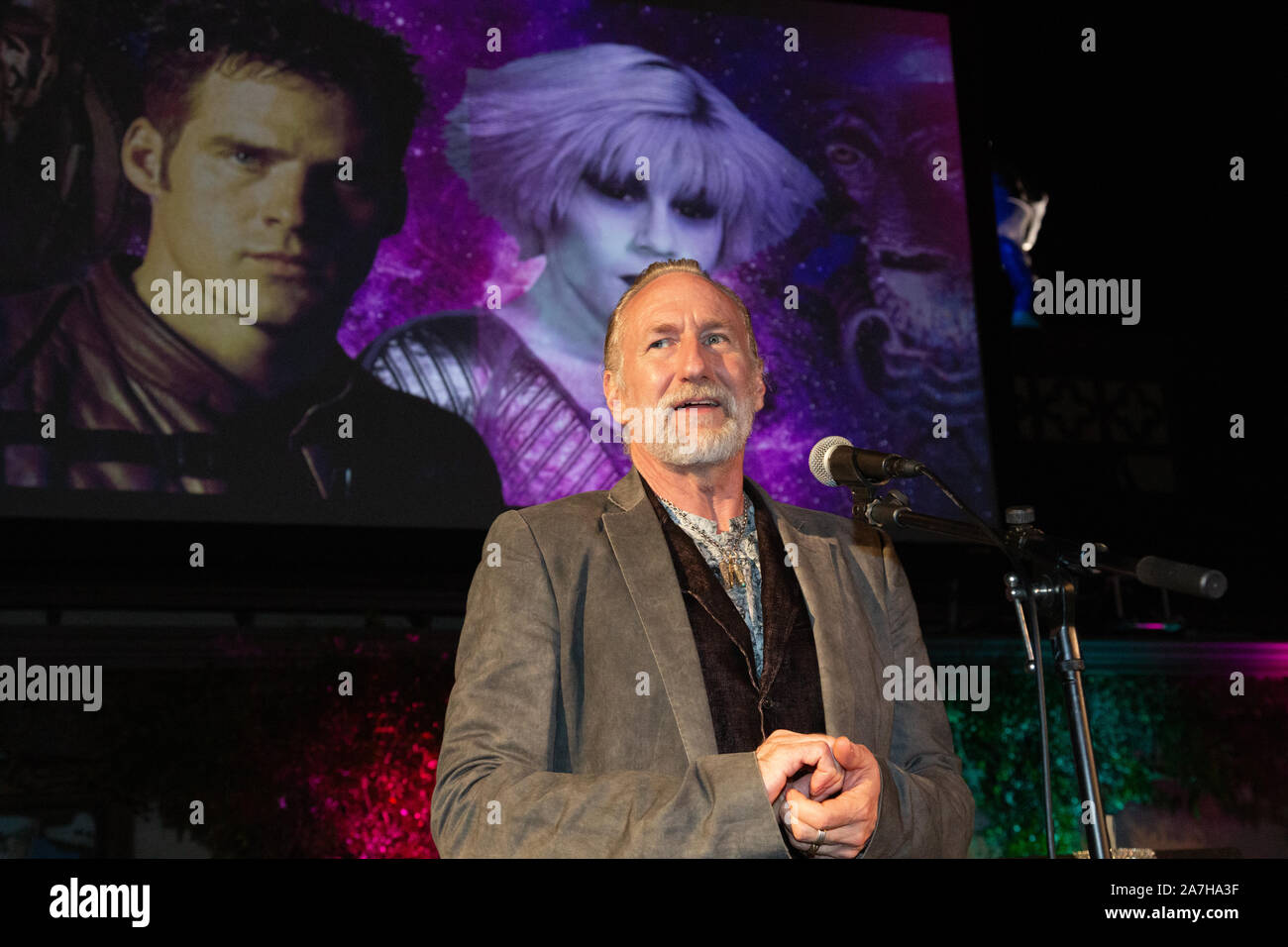
Brian Henson is an acclaimed American puppeteer, director, producer, and the chairman of The Jim Henson Company. He matters because he successfully transitioned his father Jim Henson’s revolutionary legacy into the modern digital age,...
Brian Henson is an acclaimed American puppeteer, director, producer, and the chairman of The Jim Henson Company. He matters because he successfully transitioned his father Jim Henson’s revolutionary legacy into the modern digital age, pioneering live-action animatronics, directing beloved cinematic classics like The Muppet Christmas Carol, and inventing innovative real-time digital puppetry technologies.
Contents
Introduction to the Henson Legacy and Brian's Early Background
To understand Brian Henson and why he matters, one must first recognize the towering cultural and technical monument built by his father, Jim Henson. As the creative force behind The Muppets, Sesame Street, and Fraggle Rock, Jim Henson transformed puppetry from a marginal children's entertainment medium into an internationally celebrated art form that appealed to all ages. When Jim Henson passed away unexpectedly in 1990, the entire entertainment industry wondered whether his magical creations could survive without him.
Stepping into that colossal shadow was his son, Brian Henson. Born in 1963, Brian grew up surrounded by workshops, foam, felt, and television studios. Unlike many second-generation executives who merely inherit a business, Brian earned his stripes inside the workshop. He began performing and working on technical effects during his youth, developing a rare dual mastery of both the artistic performance side of puppetry and the mechanical, engineering-driven side of practical visual effects.
By taking the reins of The Jim Henson Company, Brian did not merely preserve a museum of past achievements. Instead, he steered the enterprise through major corporate acquisitions, digital media shifts, and technological revolutions. His leadership ensured that the Henson ethos of warmth, irreverent humor, and boundary-pushing craftsmanship remained alive and relevant well into the twenty-first century.
Directing Cinematic Masterpieces: The Muppet Christmas Carol and Muppet Treasure Island
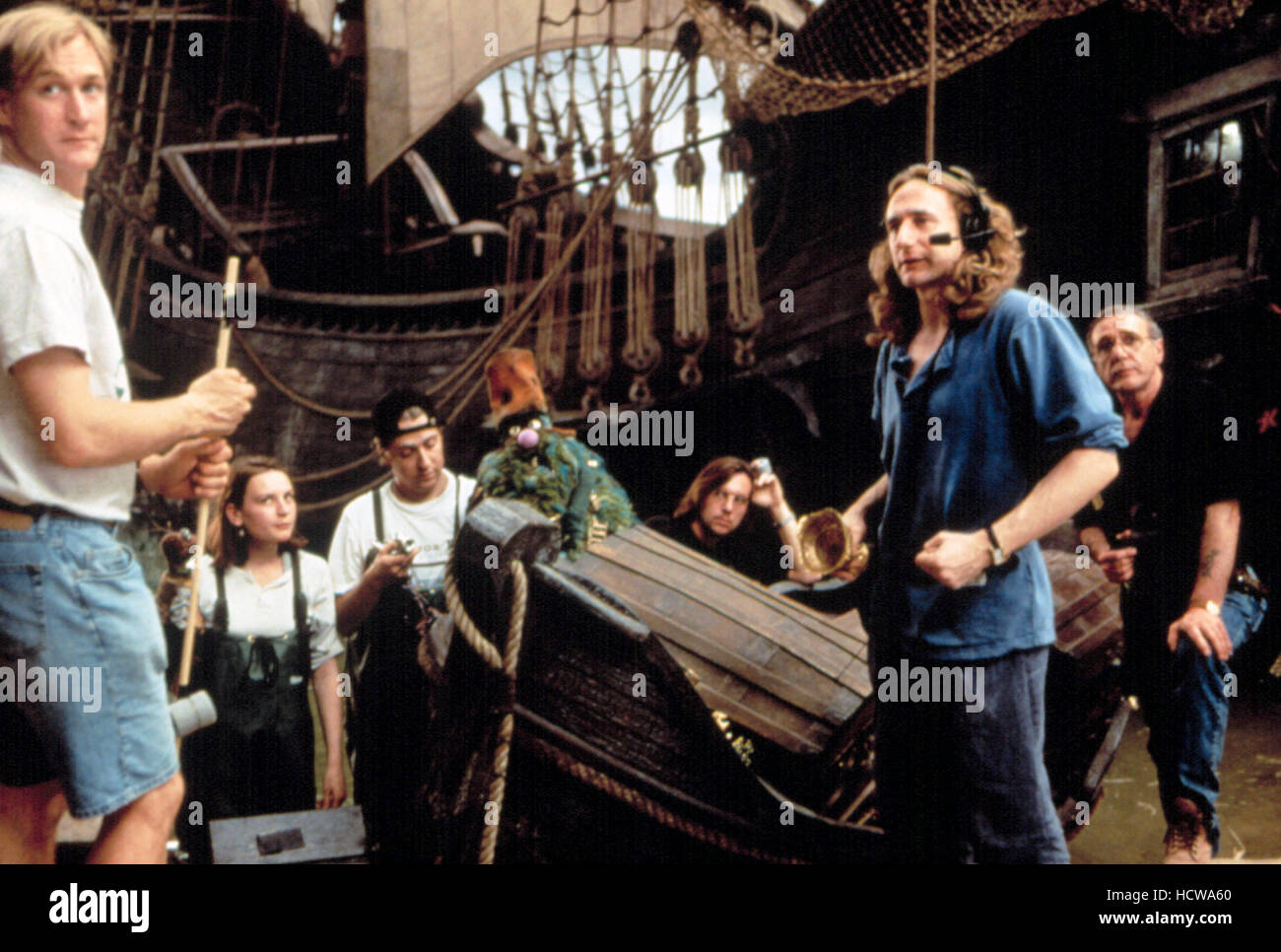
One of the most concrete reasons Brian Henson matters in film history is his transition into feature film directing, specifically with 1992’s The Muppet Christmas Carol and 1996’s Muppet Treasure Island. Following his father’s passing, many critics and fans questioned if feature-length Muppet films could retain their heart. Brian answered that question definitively behind the camera.
The Muppet Christmas Carol stands as a critical and commercial triumph that remains a holiday staple for millions of families globally. Directing a film where human actors—most notably Sir Michael Caine playing his role with utter sincerity—share the screen with dozens of complexly operated puppets requires extraordinary technical and theatrical coordination. Brian managed this delicate balance flawlessly.
| Film Project | Release Year | Key Directorial / Technical Achievement |
|---|---|---|
| The Muppet Christmas Carol | 1992 | Seamless integration of human actors with complex mechanical puppets. |
| Muppet Treasure Island | 1996 | Large-scale physical sets combined with intricate swashbuckling puppetry. |
| Jack Frost | 1998 | Groundbreaking integration of practical creature effects and live-action drama. |
Beyond the Christmas classic, his work on Muppet Treasure Island proved his capacity to handle large-scale action sequences, musical numbers, and complex physical choreography involving rod puppets, marionettes, and full-body walk-around costumes. By successfully steering these high-profile productions, Brian proved that the creative vision of the Henson workshop could evolve and thrive on the silver screen in the post-Jim Henson era.
Technological Innovation: Pioneering Digital Puppetry and Henson Digital Puppetry Studio
While his directing credits cement his place in pop culture history, Brian Henson's most radical contribution to the entertainment industry lies in technology. He is a primary visionary behind The Henson Digital Puppetry Studio, a proprietary real-time computer graphics animation system that revolutionized how animated characters are created and performed.
Traditionally, high-end computer animation required months of tedious keyframe rendering, where animators manipulated digital vertices frame by frame. Brian recognized that puppeteers possess a unique, instinctive talent for timing, voice acting, and physical improvisation that computers simply could not replicate through manual mouse clicks. To bridge this gap, his team developed systems that map a human puppeteer’s physical movements, facial expressions, and vocal delivery directly onto a three-dimensional digital character in real time.
This technology earned multiple technical Emmy Awards and was famously utilized in productions such as Sid the Science Kid, Dinosaur Train, and Earth to Ned. By allowing performers to "wear" a digital character and see them move instantly on a monitor, Brian bridged the worlds of old-world practical puppetry and modern computer-generated imagery (CGI). This innovation reduced animation production timelines significantly while preserving the organic, spontaneous soul of live performance.
Leadership of The Jim Henson Company and Creature Shop
As the Chairman of the Board of Directors for The Jim Henson Company, Brian oversees a multifaceted empire that includes international television production, strategic brand management, and the world-renowned Jim Henson's Creature Shop. Under his guidance, the Creature Shop expanded far beyond internal company projects, providing cutting-edge animatronics, creature design, and physical effects for major Hollywood blockbusters and television series produced by outside studios.
Maintaining an independent production company in a media landscape dominated by massive conglomerates requires immense business acumen. Brian has successfully navigated shifting distribution models, transitioning from traditional network television to cable, streaming platforms, and interactive media. His ability to balance commercial viability with uncompromising artistic integrity has kept the Henson brand fresh, profitable, and respected across generations.
Furthermore, Brian has championed adult-oriented puppet comedy and improvisational performance. Projects like The Happytime Murders and his live stage touring show, Brian Henson’s Puppet Up! - Uncensored, showcase a different side of the craft. These ventures prove that puppetry is not exclusively a children's medium, but a versatile, subversive, and high-level comedic art form for mature audiences when placed in the right hands.
Practical Impact on Modern Entertainment and Visual Effects
To fully appreciate Brian Henson's footprint, one must examine how his developments influenced the broader visual effects industry. Modern performance capture—commonly known as motion capture or mocap—relies on the foundational principle that a human actor's live performance can drive a digital avatar. While companies like Industrial Light & Magic advanced performance capture for blockbuster action films, Brian Henson applied those exact principles to character-driven storytelling and real-time television production.
The table below outlines how Henson's innovations contrast with traditional animation and live-action methods:
| Production Method | Primary Advantage | Operational Limitation | Brian Henson's Innovation |
|---|---|---|---|
| Traditional Puppetry | Immediate real-time feedback and organic emotion. | Physical camera angles and wire-removal constraints. | Enhanced mechanical durability and internal radio-controlled servos. |
| Standard CGI Animation | Infinite camera movement and grand visual scale. | High costs and lengthy keyframe rendering timelines. | Real-time digital puppetry mapping human motion to 3D meshes instantly. |
| Traditional Motion Capture | Accurate skeletal tracking for human stunt work. | Lacks direct real-time feedback for facial nuance. | Integrated facial performance tracking tailored specifically for non-human characters. |
By breaking down the barriers between physical workshops and digital render farms, Brian ensured that the Creature Shop remained competitive in an era where digital effects frequently threatened to render practical puppetry obsolete. Instead of replacing puppeteers, he gave them digital tools to expand their craft.
Frequently Asked Questions
Is Brian Henson related to Jim Henson?
Yes, Brian Henson is the fourth child of legendary puppeteers Jim and Jane Henson. He grew up immersed in the creation of The Muppets and has spent his adult life protecting, expanding, and innovating upon his father's creative legacy.
What are Brian Henson's most famous directorial works?
Brian is best known for directing the beloved 1992 holiday classic The Muppet Christmas Carol and the 1996 adventure comedy Muppet Treasure Island. He has also directed television specials, series episodes, and fantasy films such as Jack Frost (1998).
What is the Henson Digital Puppetry Studio?
It is a proprietary real-time animation technology developed under Brian Henson's leadership. The system allows human puppeteers to manipulate 3D digital characters in real time using specialized sensors, gloves, and performance rigs, drastically cutting down animation production time.
Does Brian Henson still perform as a puppeteer?
Yes. While he primarily functions as a director, producer, and corporate chairman, Brian still performs on occasion. He is also heavily involved in live adult puppet improv shows, such as Brian Henson’s Puppet Up! - Uncensored, where he performs alongside other veteran puppeteers.
How has The Jim Henson Company changed under his leadership?
Under Brian's leadership, the company sold the rights to the classic Muppets characters to The Walt Disney Company in 2004, allowing the firm to focus on independent television production, cutting-edge digital animation technology, creature effects for external films, and adult-targeted puppet entertainment.
Conclusion and Final Recommendation
Brian Henson matters because he represents a rare bridge between analog craftsmanship and digital innovation. Rather than allowing his father's workshop to become a static museum piece, he aggressively modernized its tools, directed enduring cinematic classics, and proved that puppetry remains a vital, evolving medium.
For industry professionals, aspiring filmmakers, and fans of creature effects, studying Brian Henson's career offers a masterclass in adaptation. To further explore his impact, watch The Muppet Christmas Carol with an eye toward its complex physical and digital staging, or research the technical papers behind the Henson Digital Puppetry Studio to understand how real-time animation continues to shape modern entertainment.
Image Gallery