Understanding the Public Perception and Media Narrative Regarding Danielle Jbali from 90 Day Fiancé
Danielle Jbali, a prominent cast member of the TLC reality series 90 Day Fiancé, has frequently been the subject of intense public speculation regarding her cognitive abilities and personal challenges. While viewers often debate her de...
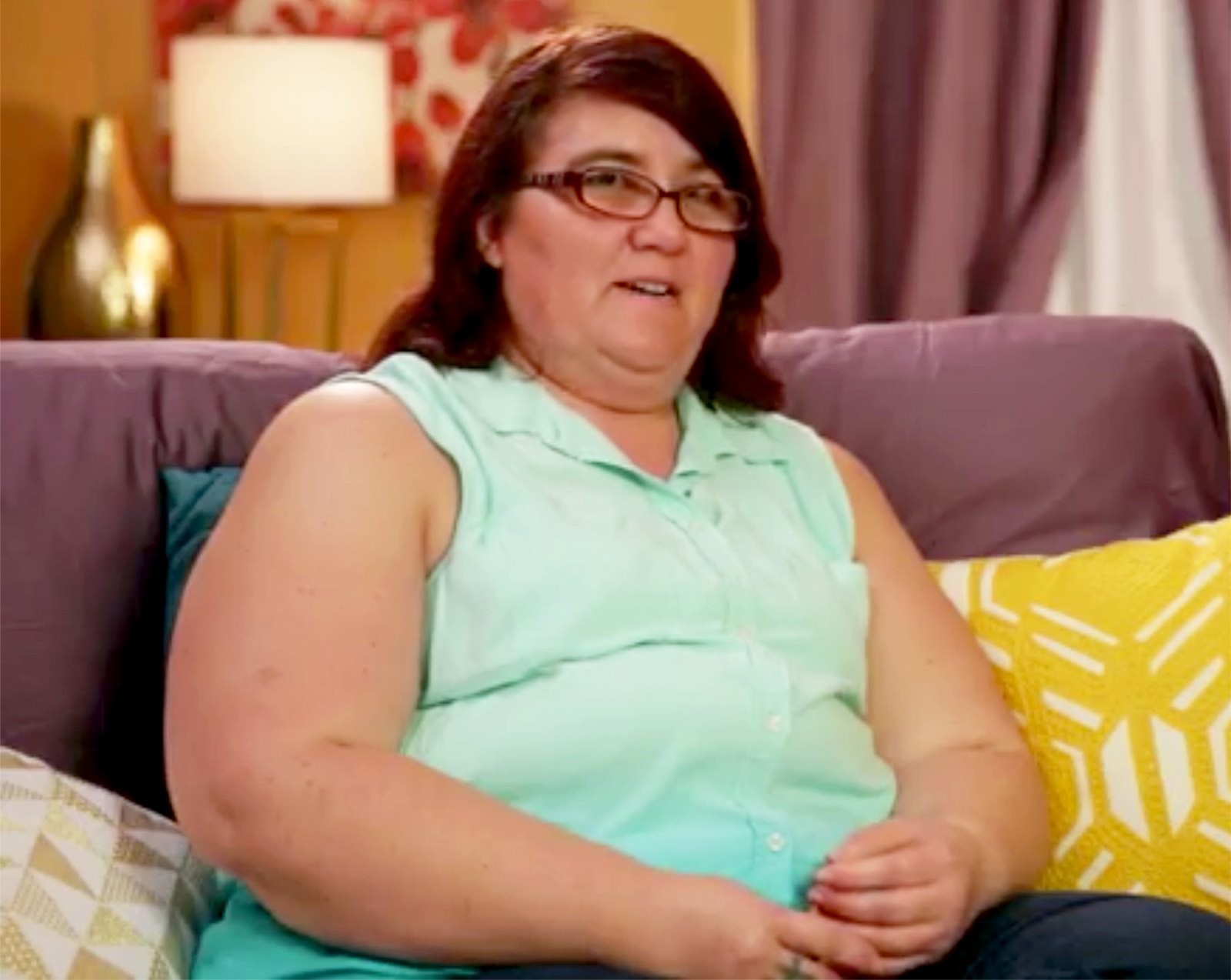
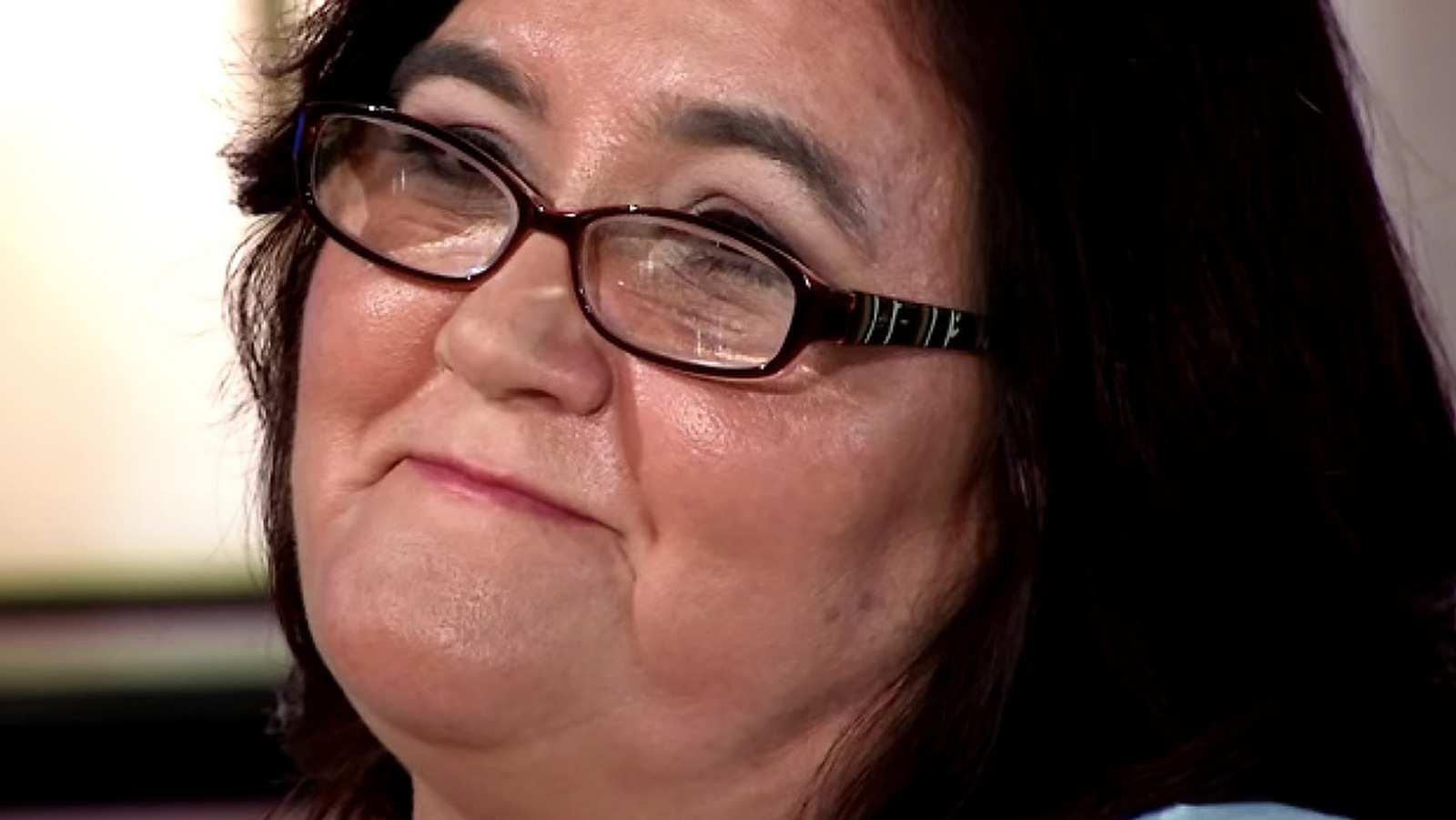
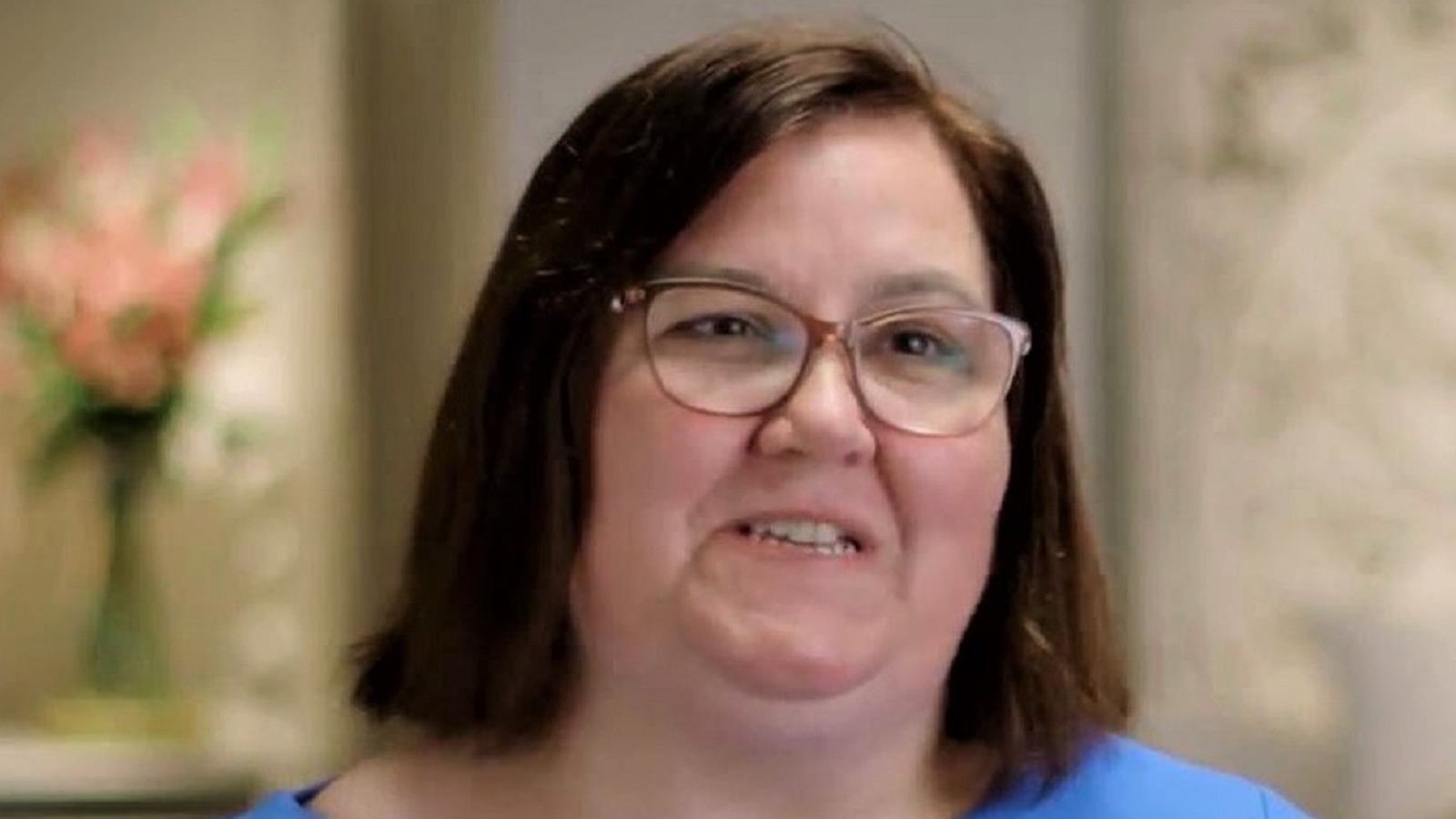
Danielle Jbali, a prominent cast member of the TLC reality series 90 Day Fiancé, has frequently been the subject of intense public speculation regarding her cognitive abilities and personal challenges. While viewers often debate her decision-making and interpersonal communication styles on social media, there is no official, medically verified record or public disclosure indicating she has a mental disability or is "mentally challenged."
Contents
The Intersection of Reality Television and Public Scrutiny
90 Day Fiancé is a global phenomenon that relies on high-stakes emotional narratives, cultural clashes, and interpersonal drama. Because the editing process of reality television condenses hundreds of hours of footage into short, curated segments, viewers are often presented with a fragmented version of a cast member’s personality. When individuals like Danielle Jbali exhibit behaviors that confuse or frustrate the audience—such as recurring conflicts, misunderstandings in relationships, or unconventional reactions to stress—public discourse often shifts from criticizing the behavior to speculating about the individual’s mental state.
The term "mentally challenged" is an outdated and non-clinical descriptor that is frequently used by social media users to pathologize traits they find confusing. In the context of reality television, this labeling often serves as a shorthand for expressing frustration with a cast member's choices rather than reflecting a medical diagnosis. It is essential to distinguish between the "on-camera persona," which is subject to production influence, and the actual medical or psychological history of the person.
Examining the Media Portrayal of Danielle Jbali
Since her introduction in the second season of 90 Day Fiancé in 2014, Danielle Jbali has been a staple of the franchise. Her journey, primarily involving her relationship with Mohamed Jbali, was characterized by significant friction. During this time, audience reactions were polarized. Some viewers felt sympathy for her position, while others were deeply critical of her persistence in a failing marriage.
Critics of the show often point to the editing choices made by production teams. Reality TV producers aim to craft narratives that drive engagement, and conflict is a primary driver of ratings. When a participant is shown in a cycle of repetition—such as repeatedly seeking confrontation or struggling to grasp the reality of their relationship status—the audience often assumes this reflects an inherent cognitive limitation. However, media analysts note that such "cycles" are common in reality television editing to provide continuity to a storyline, regardless of the cast member's actual cognitive capacity.
The Problem with Amateur Diagnosis
The practice of labeling reality stars as "mentally challenged" or speculating about intellectual or developmental disabilities represents a broader issue in digital culture: the rise of amateur, armchair diagnostics. When viewers take to platforms like Reddit, X (formerly Twitter), and Instagram to analyze the mental health of public figures, they do so without access to the individual's medical history, psychological evaluations, or personal medical background.
This discourse ignores several critical factors:
- The High-Stress Environment: Participating in a televised K-1 visa process is inherently stressful. Financial strain, cultural isolation, and the pressure of being filmed for national television can impact how any individual communicates and reacts to conflict.
- Editing Bias: Producers select footage to tell a story. If a production team emphasizes emotional outbursts or struggles with communication, they create a specific brand for that person.
- Informed Consent vs. Exploitation: While cast members sign contracts to appear on these programs, the resulting public speculation can be harmful. Labeling an individual with a medical condition based on edited footage is not only inaccurate but can stigmatize real medical conditions.
Comparing Public Perception vs. Documented Fact
To provide clarity on how public perception diverges from documented reality, the following table summarizes the common themes of speculation compared to the lack of evidence in the public record.
| Aspect of Speculation | Public Perception / Claim | Documented Evidence |
|---|---|---|
| Cognitive Ability | Widely speculated on social media | No medical disclosure or diagnosis |
| Relationship Choices | Often viewed as "naïve" or "unaware" | Consistent with common reality TV tropes |
| Communication Style | Criticized as circular or illogical | Subject to aggressive editing and selective framing |
| Medical History | Frequently claimed to include disabilities | No record released by the subject or medical professionals |
The Impact of Public Commentary on Reality Stars
The vitriol directed at Danielle Jbali highlights the lack of boundaries in modern fan culture. When viewers equate personality flaws, poor decision-making, or social friction with a mental deficit, it trivializes the lived experiences of those who do have cognitive or developmental disabilities. It also creates a "hostile environment" where the humanity of the cast member is secondary to their utility as a subject of ridicule or analysis.
It is worth noting that Danielle Jbali has continued to engage with the public, pursue education (such as her nursing studies), and maintain a presence in the media. Her ability to navigate public criticism and continue her professional life stands in contrast to the theories often floated by anonymous online commenters. The public’s insistence on labeling her "mentally challenged" fails to account for her demonstrated capacity to function independently and pursue long-term personal goals.
Navigating Social Media Discourse
For readers attempting to understand why this narrative persists, it is helpful to recognize the role of echo chambers. Once a topic gains traction on a forum, it becomes a "canonical" belief among that community, regardless of the lack of evidence. If a user asks, "Is Danielle mentally challenged?" in a community where this narrative is already accepted, they will often receive anecdotal confirmation rather than evidence-based answers.
To maintain a balanced perspective:
- Differentiate Opinion from Fact: Acknowledge that most commentary regarding the mental state of reality stars is speculative opinion.
- Consider the Producer's Role: Recognize that reality TV is a produced product designed to elicit emotional responses, which often involves framing participants in the least flattering light.
- Respect Privacy: Recognize that regardless of a public figure's career choice, their personal health remains a private matter.
Frequently Asked Questions
1. Has Danielle Jbali ever addressed the claims about her mental health? Danielle Jbali has generally focused on her personal growth, family, and nursing career in her public life. She has not released statements confirming any diagnosis, and the claims about her being "mentally challenged" remain entirely speculative and unsubstantiated by her or the production network.
2. Why do people think Danielle is mentally challenged? This perception is largely driven by her portrayal on 90 Day Fiancé, where her communication style, reaction to relationship issues, and social interactions were heavily edited. Viewers often attribute her television behavior to underlying medical or cognitive factors because they cannot reconcile her actions with their own social expectations.
3. Is it common for reality TV stars to be targeted with these types of labels? Yes. It is a recurring phenomenon in the reality television landscape. When a cast member is portrayed as "difficult" or "out of touch," viewers frequently search for a clinical explanation for the behavior as a way to rationalize their own discomfort with what they are watching.
4. Could the editing of 90 Day Fiancé influence how viewers perceive Danielle? Absolutely. The "franken-biting" technique—where audio and video are spliced to change the meaning of a conversation—and the strategic selection of reaction shots are standard industry practices. These tools can make a subject appear more confused or irrational than they would appear in a raw, unedited interaction.
5. Should we trust the diagnostic opinions of social media users? No. Online commentary, while useful for gauging public sentiment, is not a substitute for professional psychological assessment. Any claim regarding a public figure's cognitive health should be treated as conjecture unless verified by the individual or their medical representative.
Conclusion and Next Actions
The persistent narrative that Danielle Jbali is "mentally challenged" is a reflection of how audiences engage with reality television rather than a reflection of her actual health. If you are researching this topic, it is recommended to focus on the documented career milestones she has shared, such as her work in nursing and her life beyond the 90 Day Fiancé franchise, which provide a more comprehensive view of her life than the curated snippets seen on television. If you find yourself frequently caught up in online speculation, consider focusing your engagement on verifiable developments in her professional life or her official social media updates rather than speculative discussion threads.
Image Gallery