Navigating the Personal Loan Center: A Strategic Guide to Borrowing
A personal loan center acts as a centralized interface—whether digital, physical, or hybrid—where individuals evaluate, apply for, and manage unsecured or secured credit intended for personal use. Understanding how to utilize these res...
A personal loan center acts as a centralized interface—whether digital, physical, or hybrid—where individuals evaluate, apply for, and manage unsecured or secured credit intended for personal use. Understanding how to utilize these resources effectively allows borrowers to navigate interest rates, repayment terms, and eligibility requirements to secure financing that aligns with their specific financial objectives while avoiding predatory lending practices.
Contents
The Role of Personal Loan Centers in Financial Planning
A personal loan center serves as a clearinghouse for information and application processing. Unlike specialized mortgage or auto-loan divisions, personal loan centers are designed to handle multi-purpose credit, including debt consolidation, home improvement projects, medical expenses, or major life events. In 2026, these centers—often integrated into banking applications or managed by fintech platforms—have become the primary touchpoints for non-collateralized borrowing.
The primary function of these centers is to aggregate the "Four Pillars" of a loan agreement: interest rates, term duration, origination fees, and repayment schedules. By centralizing these, they allow a consumer to move from a pre-qualification phase, which rarely impacts credit scores, to a formal credit inquiry and final disbursement.
Evaluating Eligibility and Prerequisites
Before entering a loan center, you must address the core eligibility criteria that lenders analyze. While requirements fluctuate depending on the institution, the following benchmarks are standard across most reputable credit providers in 2026:
- Credit History: A credit score is the primary metric for determining both eligibility and the interest rate (APR) offered. Scores generally above 670 are considered prime, granting access to more competitive rates.
- Debt-to-Income (DTI) Ratio: Lenders calculate this by dividing your total monthly debt payments by your gross monthly income. A DTI ratio below 36% is generally favorable, though some lenders may accept up to 50% for high-income applicants.
- Proof of Income: You must be prepared to provide W-2s, 1099 forms, or recent bank statements to verify consistent cash flow.
- Legal Residency: Applicants must generally be 18 years of age or older and possess valid government-issued identification, along with a Social Security number or Individual Taxpayer Identification Number (ITIN).
Comparing Loan Products: The Cost Analysis
Navigating a personal loan center requires a disciplined approach to mathematical comparison. It is insufficient to look only at the monthly payment; one must evaluate the Total Cost of Borrowing (TCB).
| Feature | Low-Interest Secured Loan | Unsecured Personal Loan |
|---|---|---|
| Collateral | Required (e.g., savings, vehicle) | None |
| APR Range | Lower (Variable/Fixed) | Higher (Fixed) |
| Funding Speed | Moderate | Fast (1-3 days) |
| Risk Level | Asset loss possible | Damage to credit score |
When reviewing terms in the center, focus on the Annual Percentage Rate (APR), which includes both the interest rate and any prepaid interest or origination fees. An origination fee is typically 1% to 8% of the loan amount, deducted upfront from the disbursed funds. Always ensure you are comparing "apples to apples" by reviewing the same loan term (e.g., a 36-month loan from Provider A vs. a 36-month loan from Provider B).
The Application Process: Step-by-Step
Once you have identified a viable offer within the loan center, the formal application process follows a standardized sequence.
- Pre-Qualification: Most modern centers provide a soft credit check to show estimated rates. Use this to compare offers without lowering your credit score.
- Formal Application: After selecting a lender, you submit a formal request. This triggers a "hard pull" on your credit report, which may temporarily lower your score by a few points.
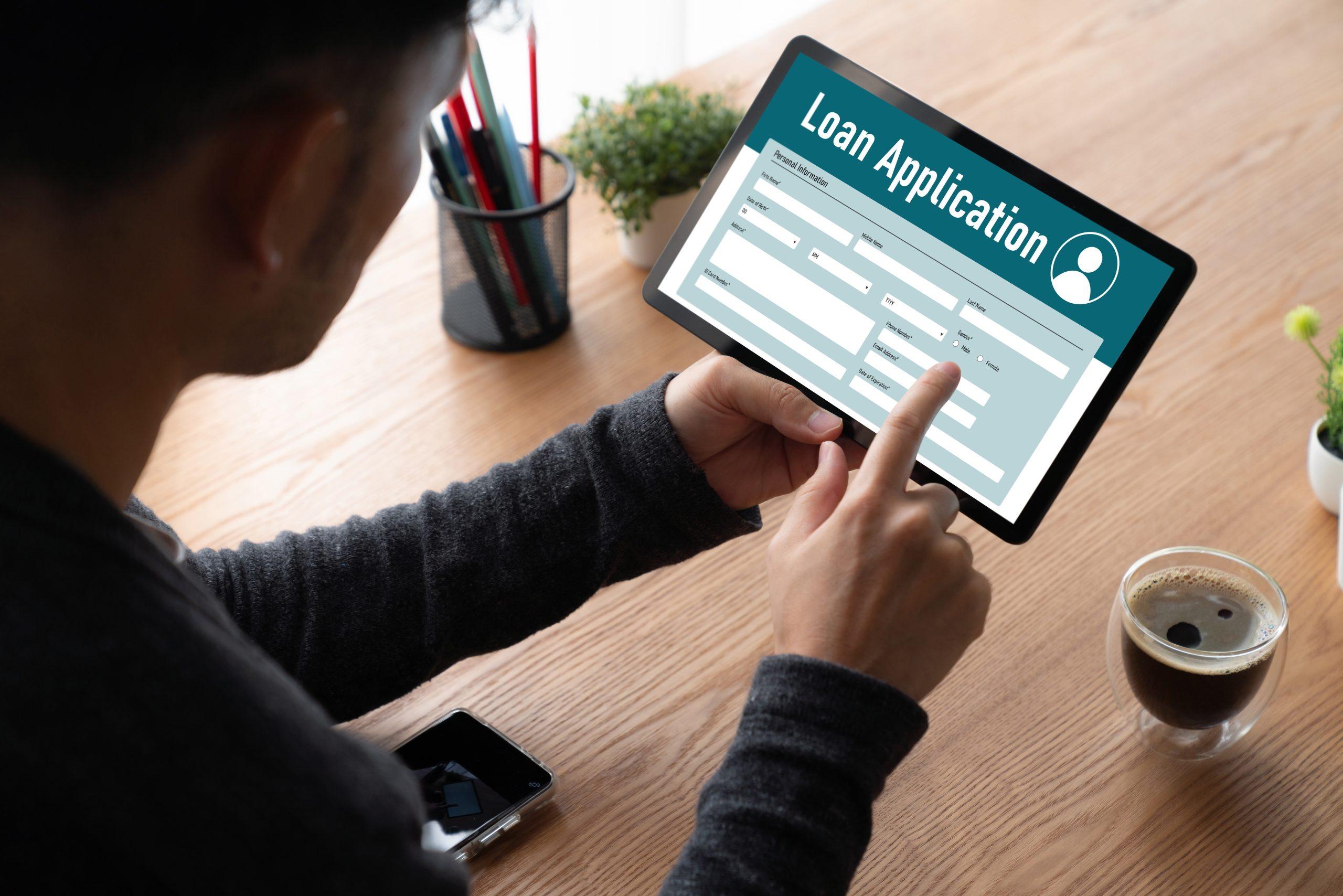
- Verification and Underwriting: The lender’s automated systems or human underwriters verify your income and debt claims. During this stage, you may be asked to upload supporting documents via the center’s secure portal.
- Closing and Funding: Once approved, you electronically sign the promissory note. The funds are then transferred via ACH (Automated Clearing House) to your designated checking account, typically within 24 to 72 hours.
Common Pitfalls and Troubleshooting
Borrowers often encounter friction during the application phase. Common issues include:
- Document Discrepancies: Ensure that the income stated in your application matches the figures on your tax returns or pay stubs exactly. Mismatched data is the leading cause of application denial.
- Excessive Inquiries: Applying for multiple loans in a short timeframe can signal financial distress to lenders. Focus on one or two high-probability options.
- Debt-to-Income Creep: If you recently opened new credit card lines, your DTI may have increased, potentially disqualifying you from a loan you were previously pre-qualified for.
If you are denied, the lender is legally required under the Fair Credit Reporting Act (FCRA) to provide an "Adverse Action Notice," detailing the specific reasons for the denial. Use this information to correct errors on your credit report or pay down existing balances before reapplying.
Frequently Asked Questions
Does checking my rate at a personal loan center hurt my credit? No. Most reputable institutions use a "soft pull" for pre-qualification, which does not affect your credit score. A "hard pull" only occurs when you formally submit the final application.
How long does it take for funds to arrive after approval? Depending on the lender and your banking institution, funds are typically disbursed via ACH transfer in 1 to 3 business days. Some digital-first lenders can facilitate same-day funding if the application is completed early in the business day.
Can I pay off a personal loan early? Many lenders allow for early repayment without penalties, but you must check your specific loan agreement for "prepayment penalty" clauses. Avoiding these clauses can save you significantly on total interest costs over the life of the loan.
What happens if I cannot make a payment? Contact your lender immediately. Many centers offer hardship programs, such as temporary payment deferrals or modified repayment schedules, which are preferable to defaulting on the loan and incurring late fees or credit damage.
Is it better to consolidate debt with a personal loan? If the personal loan APR is significantly lower than the weighted average interest rate of your current credit card debt, consolidation can save money and simplify your monthly financial obligations. However, it does not fix the underlying spending habits that led to the debt.
Strategic Recommendations
To maximize the value of your interaction with a personal loan center, adopt a strategy of preparation. Before signing, use an online amortization calculator to see how different interest rates affect your monthly cash flow. If your goal is debt consolidation, ensure the loan term is not so long that you end up paying more in total interest than the original debt, despite the lower monthly payment.
For those with credit scores below 650, consider seeking a co-signer with strong credit to improve your approval odds and potentially secure a lower interest rate. If you are not in an immediate rush, prioritize paying down existing credit card balances to increase your score; a 20-30 point increase can often move you into a lower interest rate bracket, yielding significant long-term savings.
Image Gallery