The Number of Homes Beyoncé and Jay-Z Own: A Comprehensive Real Estate Portfolio Analysis
Beyoncé Knowles-Carter and Shawn "Jay-Z" Carter maintain a diverse real estate portfolio that has historically included high-value residential properties across the United States. While the exact number of homes the couple owns at any...
Beyoncé Knowles-Carter and Shawn "Jay-Z" Carter maintain a diverse real estate portfolio that has historically included high-value residential properties across the United States. While the exact number of homes the couple owns at any given time is fluid due to private acquisitions, divestments, and corporate trust holdings, public records and major real estate transaction filings consistently track a portfolio of trophy properties estimated at approximately five to seven primary residences and investment holdings as of 2026.
Contents
The Dynamics of Ultra-High-Net-Worth Real Estate
For individuals of the Carter family's financial standing, real estate functions not merely as shelter, but as a strategic asset class. Wealth management at this scale involves purchasing property through Limited Liability Companies (LLCs) or blind trusts. This approach serves two primary purposes: privacy for the occupants and the compartmentalization of legal liability.
Because many of these acquisitions are shielded by nondisclosure agreements or corporate entities, definitive counts are often based on property deeds and local tax assessment records that become public upon sale or transfer. The couple’s strategy typically gravitates toward "trophy assets"—unique properties in high-demand, high-barrier-to-entry markets such as Southern California, New York City, and the Hamptons. These assets are chosen for their potential for long-term appreciation, cultural significance, and architectural exclusivity.
Notable Assets and Strategic Hubs
The Carter real estate portfolio is geographically concentrated in centers of gravity that align with the couple's professional demands and private life.
Southern California: The Malibu Compound
The most significant acquisition in their modern history is the record-breaking purchase of a 30,000-square-foot estate in Malibu. Purchased in 2023 for approximately $200 million, this property stands as one of the most expensive private real estate transactions in California history. Designed by the master architect Tadao Ando, the structure is an architectural marvel composed of polished concrete, emphasizing minimalism and integration with the coastal environment. This property effectively consolidated their West Coast footprint, following the sale of their previous Bel-Air mansion.
The New York Metropolitan Area
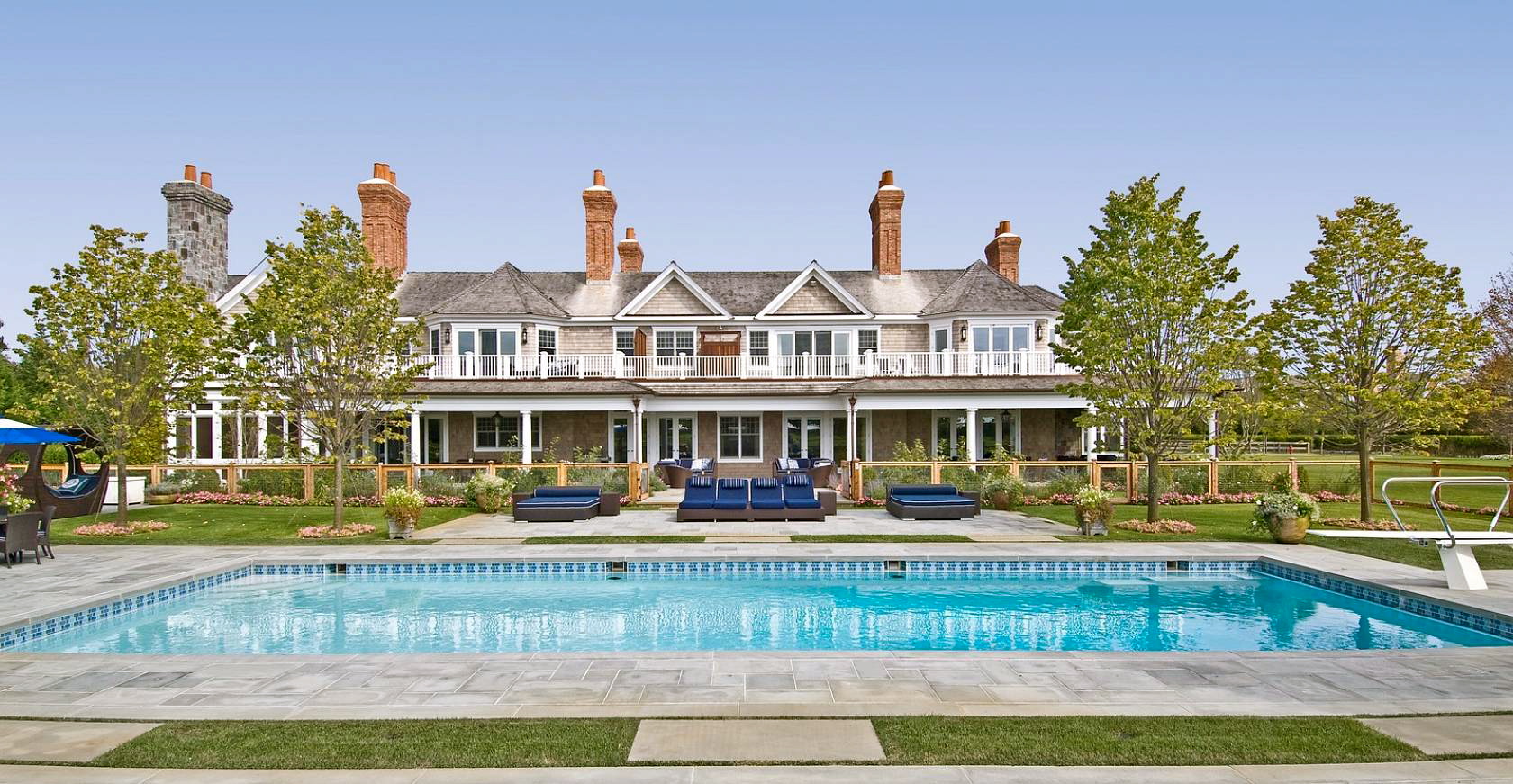
Jay-Z’s history in New York City is deeply documented, from his early years in Brooklyn to high-profile penthouse living. While the couple has periodically sold properties in the city, their ties to the area remain robust. This includes interests in the Hamptons, specifically in the East Hampton/Wainscott area. These properties are often utilized as summer retreats, reflecting a common trend among high-net-worth individuals to maintain secondary residences that offer privacy and leisure in close proximity to the global financial hub.
Historical Holdings and Divestments
The couple’s portfolio is not static. Strategic divestment is as much a part of their real estate operations as acquisition. For instance, the sale of their custom-built Bel-Air estate—a property that featured a glass-walled garage, four pools, and a basketball court—represented a shift in their long-term housing requirements as their family grew. Tracking the portfolio requires differentiating between properties held for long-term legacy and those liquidated to reallocate capital into larger or more efficient assets.
Comparative Analysis of Property Utility
The following table outlines the functional categories of property assets typically held by the Carters:
| Property Type | Purpose | Primary Location Characteristics |
|---|---|---|
| Trophy Estate | Primary family residence | High architectural value, extreme privacy, gated |
| Secondary Retreat | Seasonal leisure/holiday | Proximity to water, exclusive resort communities |
| Metropolitan Hub | Business/Cultural presence | Proximity to financial districts or entertainment centers |
| Investment Holding | Capital preservation | High-appreciation potential, rental or resale value |
Managing a Billion-Dollar Portfolio
Maintaining a portfolio of this caliber involves significant operational costs, often referred to as "carrying costs." These expenses include:
- Property Taxes: In states like California and New York, tax assessments on properties valued in the tens or hundreds of millions of dollars are substantial, often amounting to millions annually.
- Maintenance and Security: The security requirements for high-profile residents include specialized personnel and sophisticated technology. Furthermore, large estates require year-round groundskeeping, HVAC system management for rare materials (such as exposed concrete or specialized wood), and staffing for the maintenance of multiple pools and leisure areas.
- Legal and Trust Fees: Maintaining assets under corporate structures requires ongoing legal oversight to ensure compliance with changing tax laws and estate planning requirements.
Why Verification Remains Complex
For the public, "owning" a home can be ambiguous. Is a home owned if it is held in a trust for which the individual is the sole beneficiary? Is it owned if a business entity holds the deed? In the case of the Carters, the standard definition of homeownership is layered. Often, news outlets report on homes "bought by Jay-Z," which may actually be a purchase made by a holding company.
Because the couple values their personal privacy, they do not verify their property holdings through public statements. Therefore, most data points regarding the "number of homes" are derived from investigative journalism focused on property records, which is inherently lagging. A home may be sold months before it appears in public record-searching tools as a closed transaction.
Frequently Asked Questions
How many homes do Beyoncé and Jay-Z own right now? While exact numbers fluctuate, they currently hold approximately five to seven high-value properties. This includes their primary Malibu estate, property in the Hamptons, and additional holdings maintained through private trusts.
Do they own property outside of the United States? While there has been speculation regarding international real estate, there is no public record of the couple holding significant residential assets outside of the United States as of 2026. Their focus has remained largely on major U.S. coastal markets.
Why are their home prices so high compared to the market? The Carters focus on "trophy" real estate. These are unique properties—often architecturally significant or situated on massive, private plots of land—that rarely reach the open market. They are valued for rarity rather than standard per-square-foot market metrics.
Do they own real estate as an investment? Yes. High-net-worth individuals often treat residential real estate as a hedge against inflation. These properties are held to preserve wealth and gain value over time, rather than for short-term rental income.
What happens to their old homes when they buy new ones? Typically, the couple sells their previous primary residences. This allows them to consolidate their capital and administrative overhead, ensuring their focus remains on a few high-quality, high-functioning estates.
How does the public know about these homes if they are private? Information is primarily gathered through real estate public record databases, including deed transfers, tax assessment documents, and building permit applications filed under the names of the LLCs associated with their business management teams.
Recommendation for Further Research
If you are interested in tracking the Carters' real estate moves, the most reliable method is to monitor reputable real estate publications that specialize in luxury market transactions. These outlets track public tax filings and deed transfers in counties such as Los Angeles and Suffolk County (New York). Avoid sources that rely on speculative tabloid reporting, as they frequently misidentify luxury listings as potential purchases when, in fact, the homes remain on the market or are owned by unrelated parties.
Image Gallery